


 3 Photos
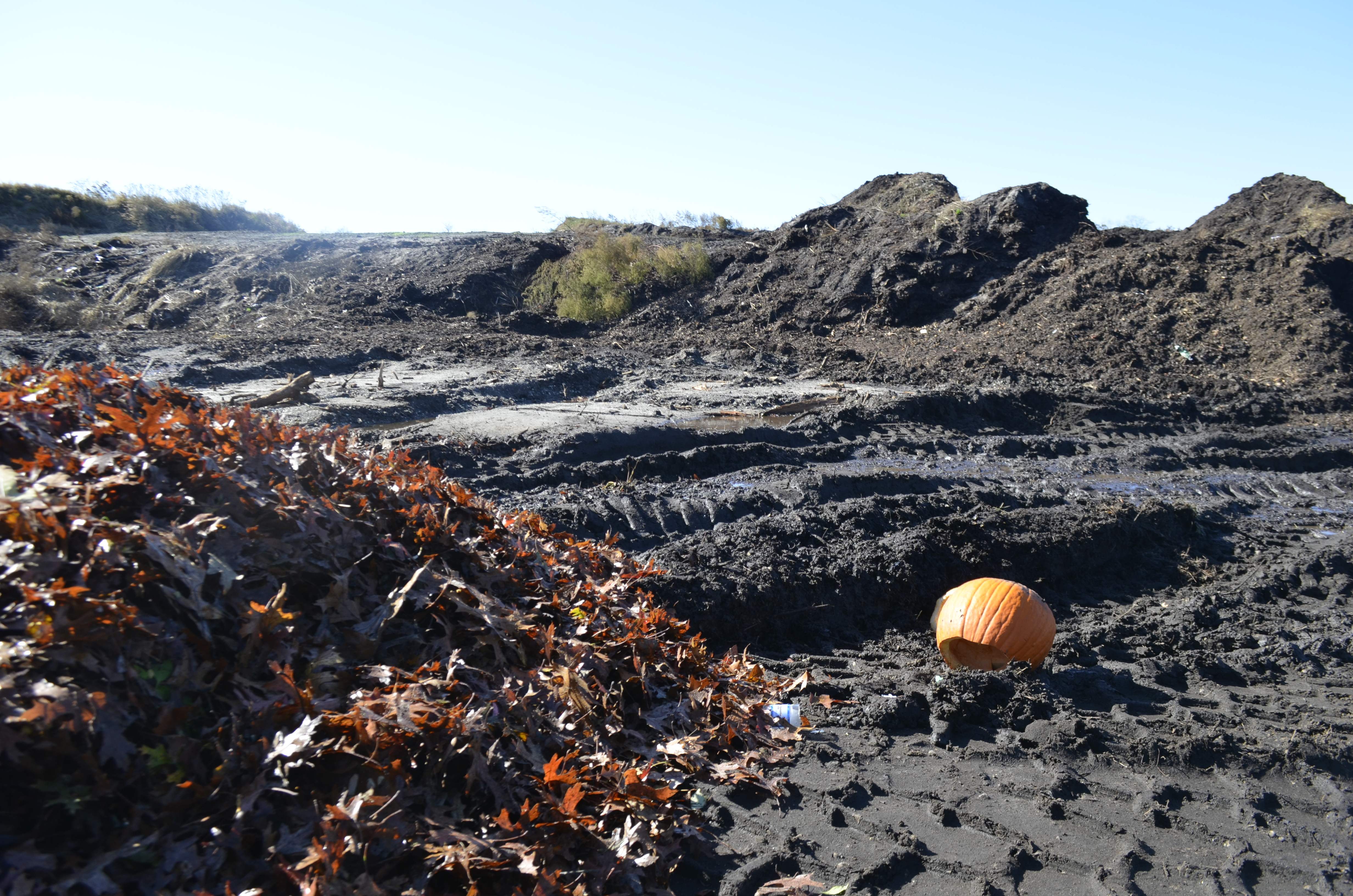
The Hampton Bays yard waste facility. ANISAH ABDULLAH
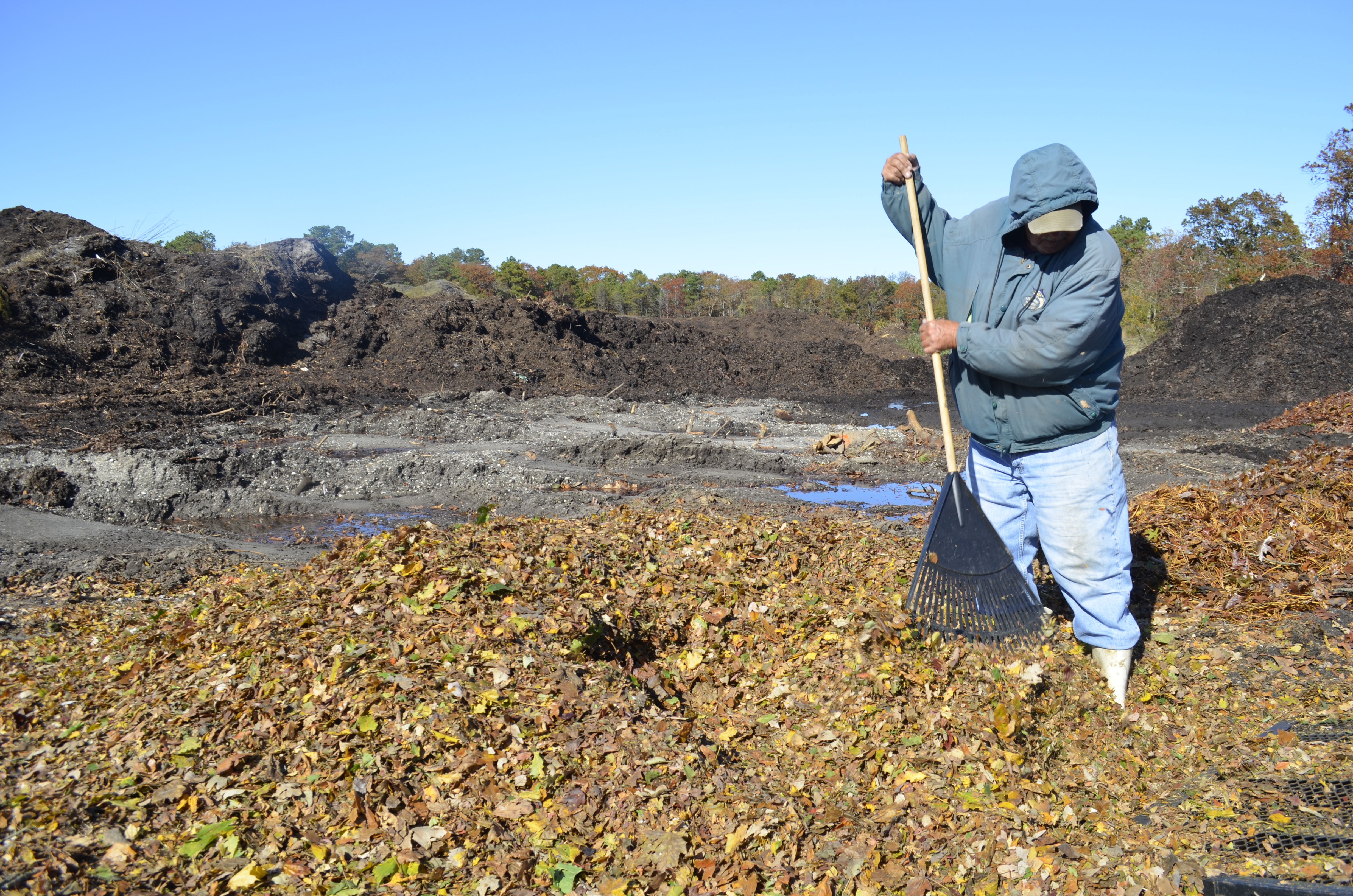
Longtime Southampton resident Koz McQueeney disposing of his leaves at the Hampton Bays yard waste facility. ANISAH ABDULLAH
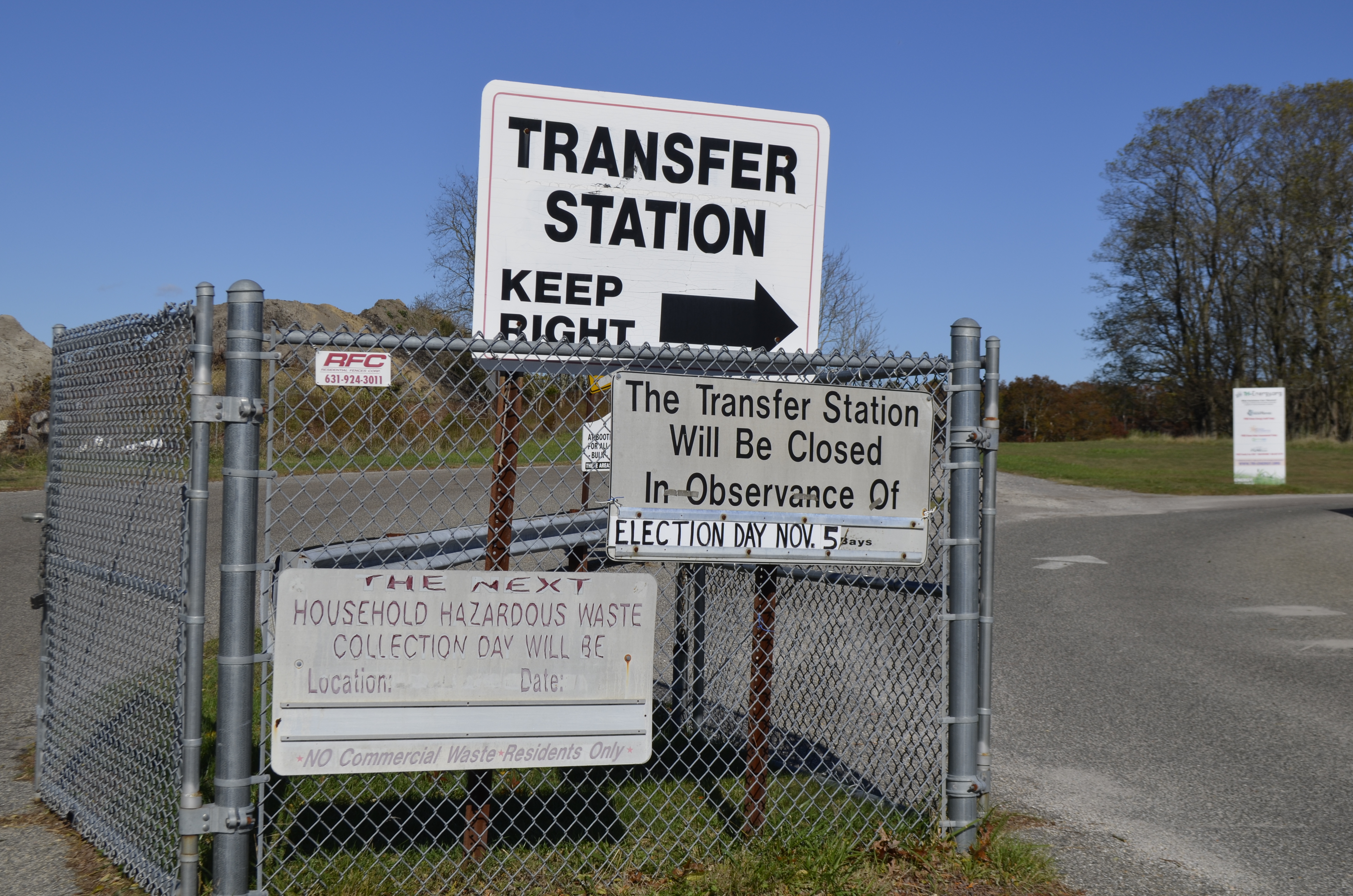
The entrance to the Hampton Bays transfer station and yard waste facility. ANISAH ABDULLAH
The Town of Southampton is awaiting a response from the State Department of Environmental Conservation on a permit application to bring into compliance its Hampton Bays transfer station and vegetative yard waste facility, which has been accepting more yard waste than what is currently allowed.
The town’s Department of Municipal Works submitted a 52-page application to the DEC in January to allow the site to accept and process more than 10,000 cubic yards of vegetative waste, upgrading it from a “registered facility” to a “permitted facility.”
DEC staff are still reviewing the application, the department said on Tuesday, and have yet to provide an official response to the town. However, about two weeks ago, they offered verbal comments that town officials could use to begin making revisions to the document, according to Christine Fetten, the town’s director of municipal works, who is in charge of the application process.
The 12.5-acre yard waste facility is currently permitted to accept between 3,000 and 10,000 cubic yards of vegetative waste per year from local residents, and from yard waste contractors on behalf of property owners, but it has in recent years exceeded that threshold in order to meet a growing demand.
Events like the increase in residential land development, the infestation of pine beetles, which kills trees, and the Hurricane Sandy aftermath have contributed to a higher amount of yard waste processed at the Hampton Bays site. The facility is large enough to accept such volume, but a new permit is required for compliance, officials said.
Ms. Fetten explained that the DEC tightened its regulations last year on waste management facilities throughout the state, so the town’s application had to be comprehensive to address all aspects of the facility’s operations and production. It also had to identify ways that stormwater runoff could be mitigated, as that has been discovered at other sites recently to cause certain chemicals like manganese and iron to leach into the ground, she said.
“They want to make sure that you’re doing your due diligence to minimize stormwater run-on to the compost and filter what runs off on it, because they don’t want the water sitting in the bottom of the compost,” the director said. “That has been identified in recent years that there’s a biochemical reaction that takes place between the storm water, the compost and the underlying soils that allows certain elements to leach out of the soil — manganese and other constituents.”
The permit application includes a way to reconfigure the base structure of the composting windrows — large rows of vegetative waste that eventually turn into compost — to lift and grade it in such a way that would prevent storm water to flow into it from surrounding areas, thus reducing runoff. The reconfiguration would also increase efficiency so that waste could be processed and removed from the site at a faster rate.
The base of the windrows is a pad made out recycled concrete aggregate, or RCA, but over time it breaks down due to the activity it supports and has to be occasionally improved, Ms. Fetten explained. Payloaders regularly drive on the windrows to mix the organic material as part of the composting process.
Ms. Fetten said she proposed in the application to have the windrows be on an RCA pad, but the DEC had told her verbally that it would like the material to be less permeable, such as asphalt, which she said would work better but cost significantly more.
“You’re not going to be able to put a 2-inch layer of asphalt down there without putting RCA underneath it to create a stable base. Two inches of asphalt can’t withstand repeated activity from the heavy payloaders,” she said.
The town has $300,000 alloted in its 2019 capital budget to perform the reconfiguration work, but it is waiting on the DEC comments before starting in case different components are requested.
Ms. Fetten also recognized the importance of implementing a groundwater monitoring program at the facility to test chemical levels, adding in the application that the town would be willing to work with the DEC on some kind of monitoring plan. But the DEC does not currently require such monitoring.
“It’s not in the regulations right now. It’s at [the DEC’s] request, almost, but they’re not there yet. And that might come at a subsequent code revision, which they’re talking about,” she said. “I know water quality is very important to the town … If the DEC asked us to do the testing, I’m sure that we would. It’s not upon us right now.”
The DEC has done well testing at the facility, but for a different purpose. The property used to be a dump site that shut down several decades ago, so the DEC tests with wells that it installed solely for that purpose.
Residents can dispose of leaves for free year-round at the yard waste facility, “free of wood, branches, twigs, grass clippings, hedge clippings, stones,” according to the town website. Residential brush disposal has a fee except during the spring and fall cleanup periods.
The facility does not accept grass clippings, brush over 3 inches in diameter, animal waste, stumps, trees and logs.
Yard waste is also accepted at the town’s North Sea transfer station and residential leaves only at the Westhampton station.


 Anisah Abdullah on Nov 1, 2019