


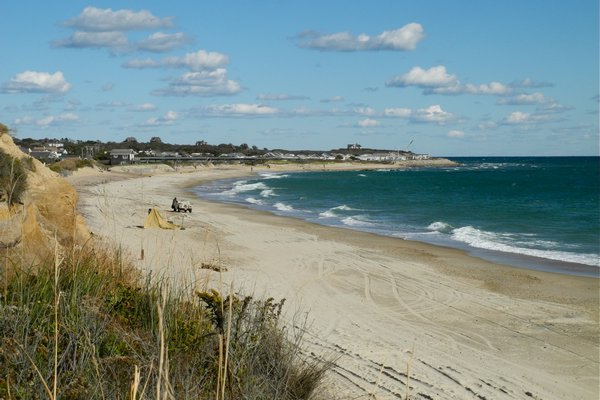
 6 Photos
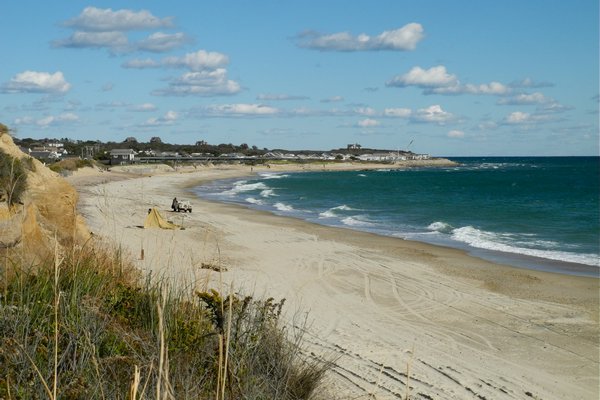
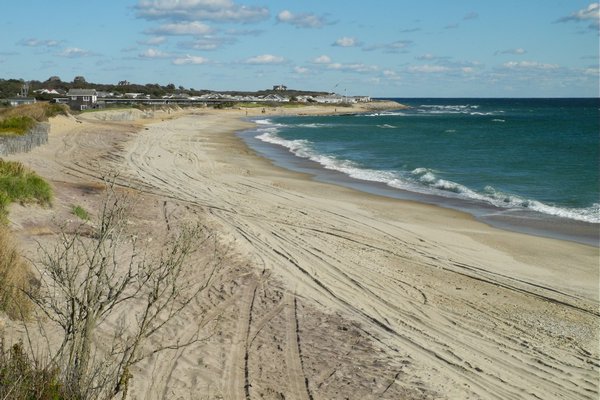
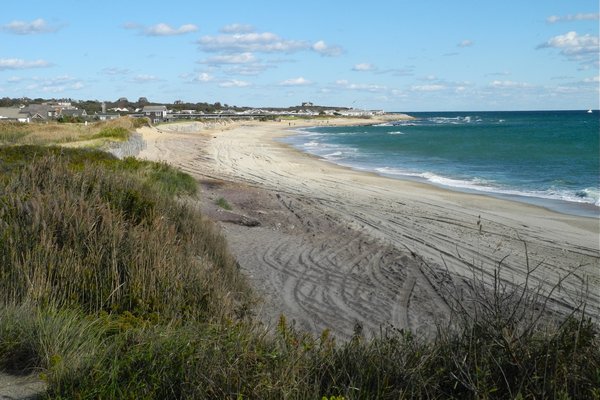
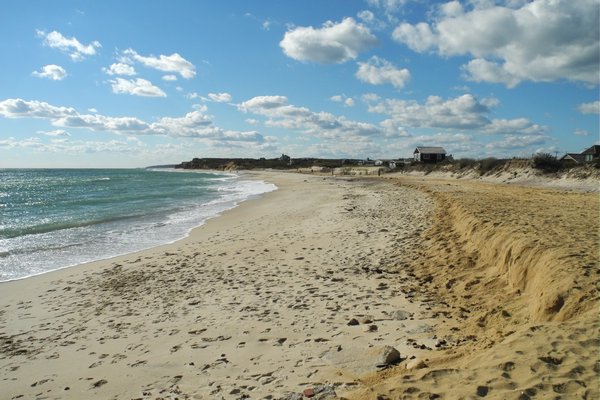
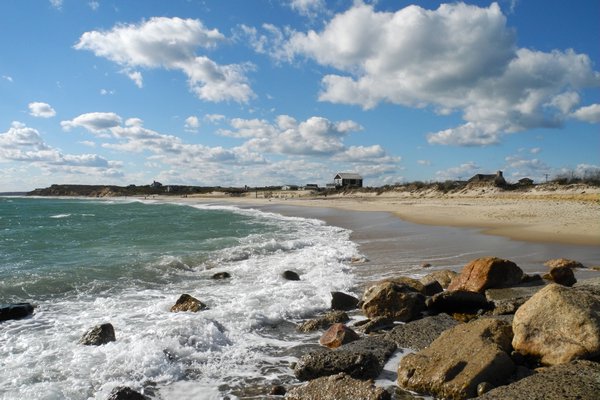
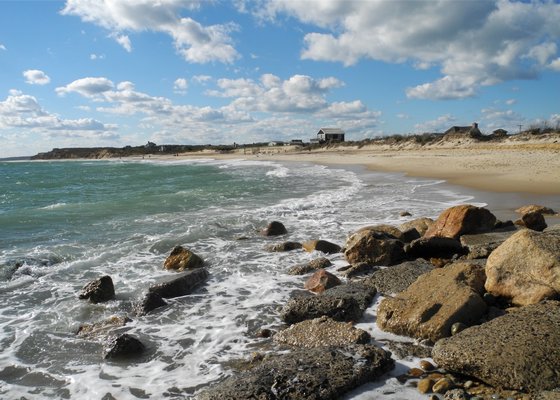
East Hampton Town Councilman Dominick Stanzione on Tuesday floated an idea to use a recent update to the Community Preservation Fund law to shore up Ditch Plains beach in Montauk, possibly by adding sand—an effort, he said, that could potentially be coordinated with an Army Corps of Engineers beach reconstruction project near downtown Montauk.
Mr. Stanzione, the board’s Montauk liaison, suggested spending $1 million to $1.5 million over about three years to shore up the town-owned beach, a top tourist destination and popular surfing spot. If the CPF monies cannot be used, he said he would suggest the town draw from its capital fund instead.
The new CPF law, recently signed by Governor Andrew Cuomo, now allows East End towns to use their CPF accounts to purchase oceanfront and bayfront properties, both developed and undeveloped, that are threatened by storms and sea-level rise. It updates the CPF bylaws to include beaches and lands that may be threatened with inundation if deemed a community benefit to have them protected.
But this week, State Assemblyman Fred W. Thiele Jr., who co-authored the law with State Senator Kenneth P. LaValle, said that the law simply adds a new category for the type of land that can be bought, and that the effects of climate change and sea-level were not considered when the CPF, which is funded with revenues from a 2-percent tax on all real estate transfers, was established in 1998.
“It does nothing—and I mean, nothing—that would permit the CPF to be used for an erosion control project for putting sand on the beach,” Mr. Thiele said. With regard to Ditch Plains, I don’t think this law changes things very much one way or another.”
The Peconic Bay Region Community Preservation Fund Advisory Opinions Bureau, a group made up of a representative from each of the five towns in the CPF jurisdiction, and legal counsel, is expected to weigh the possibility and render an opinion, town officials said.
“What I want to do is use the CPF to protect vulnerable areas from flooding from storm damage,” Mr. Stanzione said, adding that coordinating a project at Ditch Plains with that of the Army Corps’ project to shore up downtown Montauk, a federally funded plan, would be efficient. The Army Corps has said Ditch Plains would not qualify for the funding because it would not have a positive cost-to-benefit ratio.
Town Councilman Peter Van Scoyoc, the board’s liaison to the town’s coastal erosion committee, on Tuesday said Mr. Thiele had told him that the new CPF law could not be used as proposed by Mr. Stanzione. “I’m uncertain as to whether Dominick knew this and is simply proposing this before an election,” Mr. Van Scoyoc said, referring to Mr. Stanzione’s current bid for a second term, “or he didn’t know what the law was intended to do.”
Mr. Van Scoyoc added that he supports looking at ways low-lying Ditch Plains, can be shored up.
A work session discussion of the proposal on Tuesday was highly politically charged, board members from both parties said.
Councilwoman Theresa Quigley said the town will now seek legal interpretation. She noted that the town’s lifeguards asked the town to close Ditch Plains at the beginning of this past summer—which it did—because it had so many exposed rocks. The town accepted a bid to replenish the beach with sand shortly afterward, what Ms. Quigley called a “Band-Aid” because the sand can easily be washed away again.


 Colleen Reynolds on Oct 29, 2013