


 19 Photos
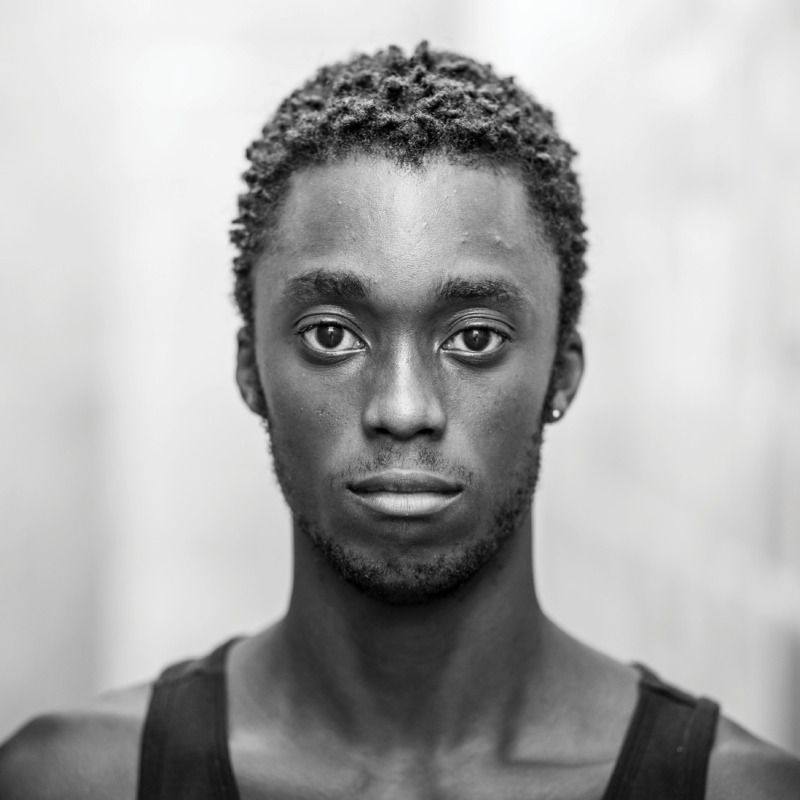
Nile Harris, a performer and a director of live works of art, will be in residence at The Watermill Center from May 11 to June 10. Harris is a recipient of the 2022 Baroness Nina von Maltzahn Fellowship for the Performing Arts at The Watermill Center. LOVIS OSTERNRIK
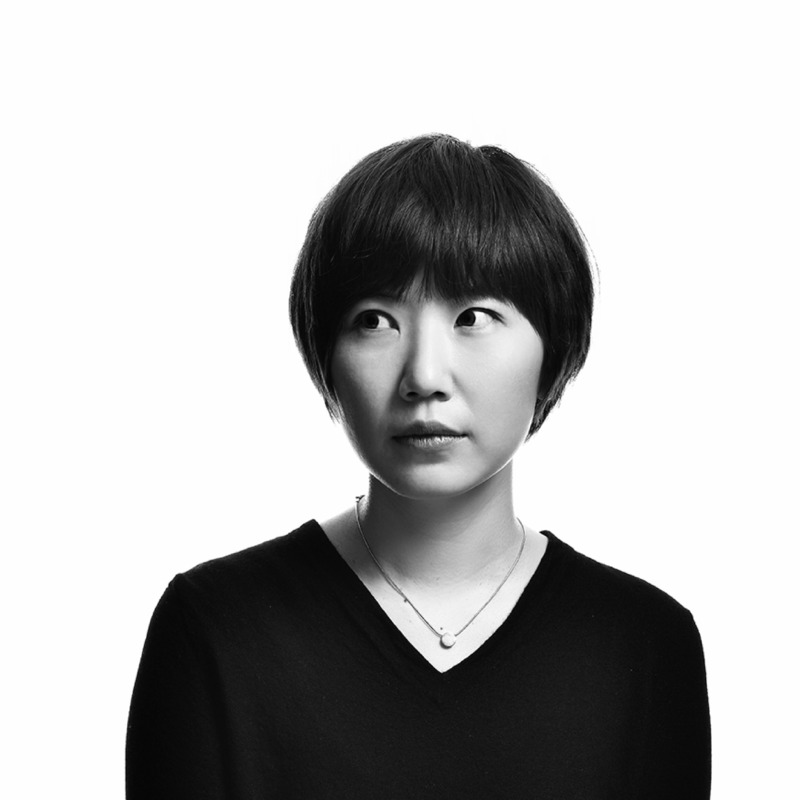
Joyce Ho, a multidisciplinary visual artist from Taiwan, will be in residence at The Watermill Center from September 14 to October 7. She a recipient of the 2022 Baroness Nina von Maltzahn Fellowship for the Performing Arts at The Watermill Center. WANG TE FAN
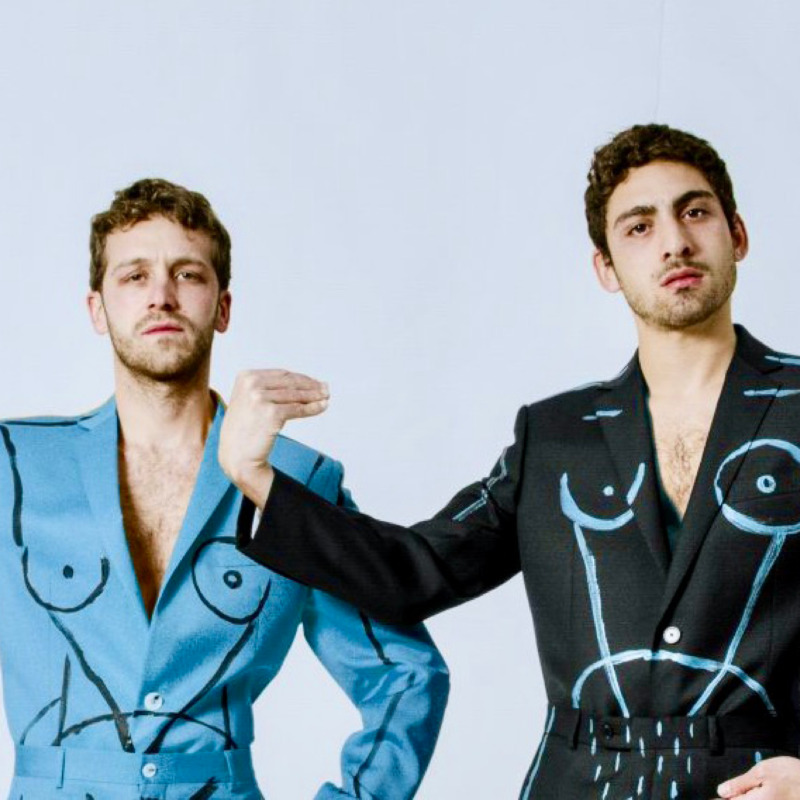
The Madrid-based Kor’sia dance collective, Antonio de Rosa and Mattia Russo, will be in residence at The Watermill Center from October 19 to November 18. KOR’SIA is a recipient of the 2022 Baroness Nina von Maltzahn Fellowship for the Performing Arts at The Watermill Center.
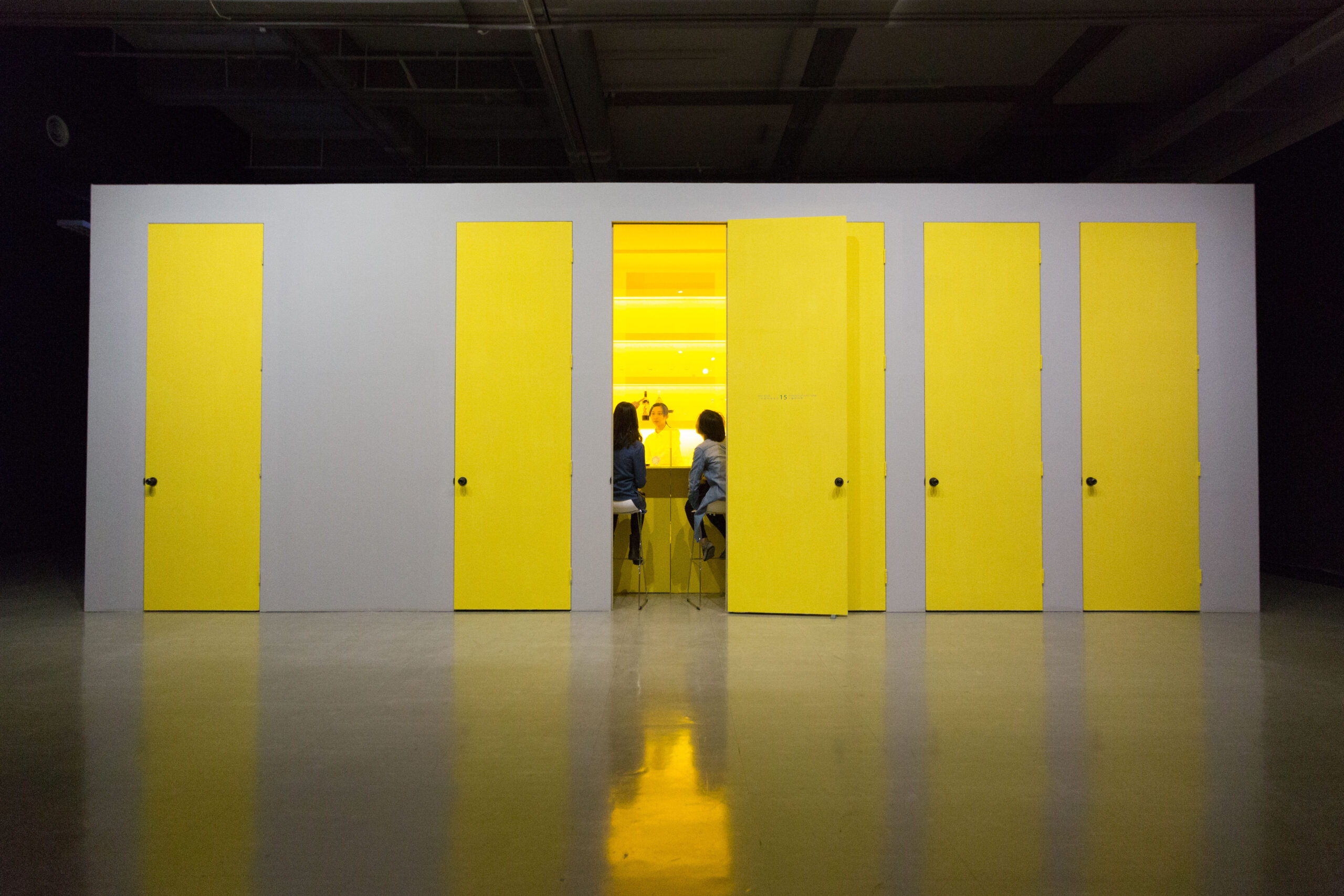
Joyce Ho's installation "A Day." LAI CHICH-SHENG
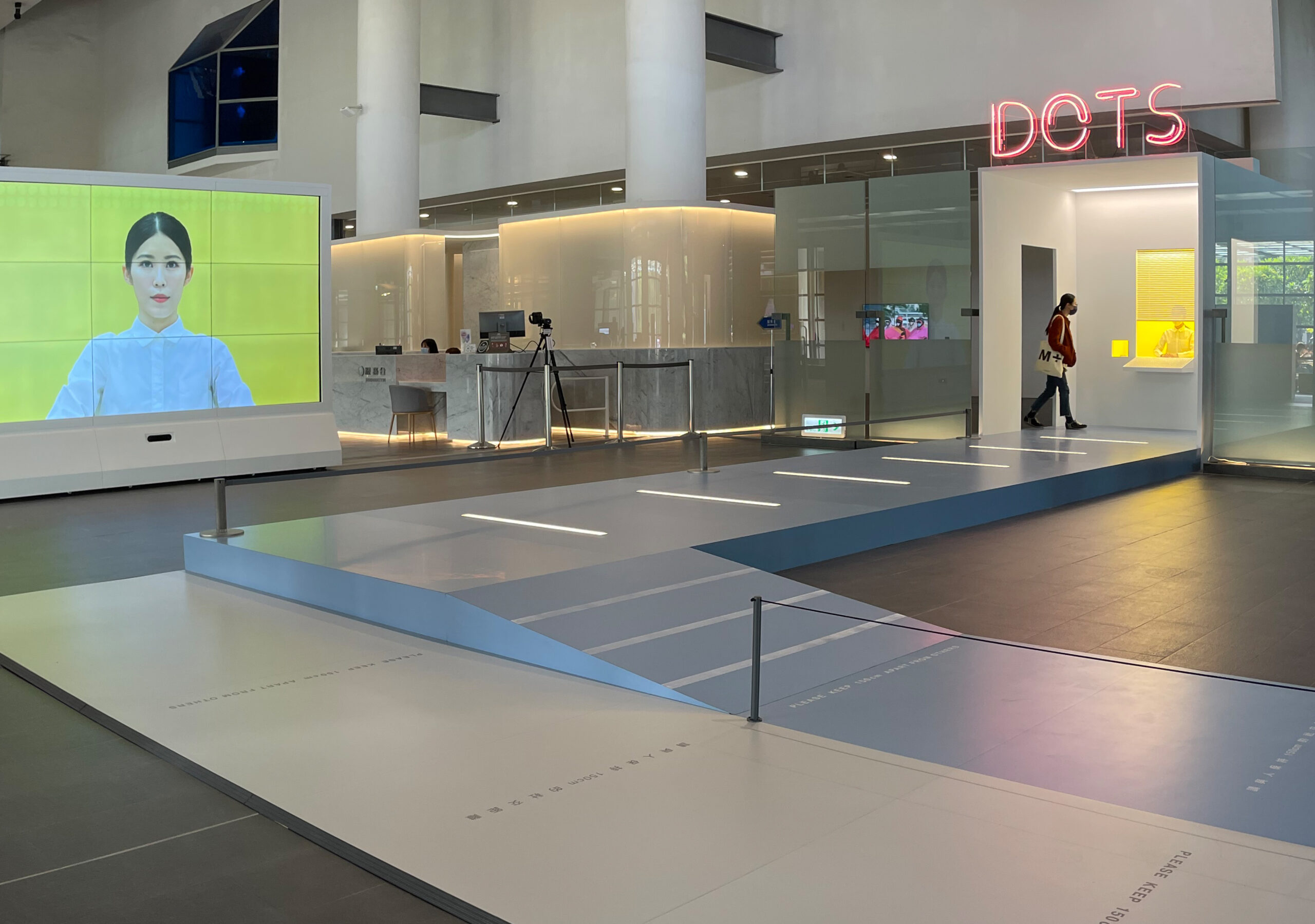
Joyce Ho's installation "Dots." LAI CHIH-SHENG/NATIONAL TAIWAN MUSEUM OF FINE ARTS
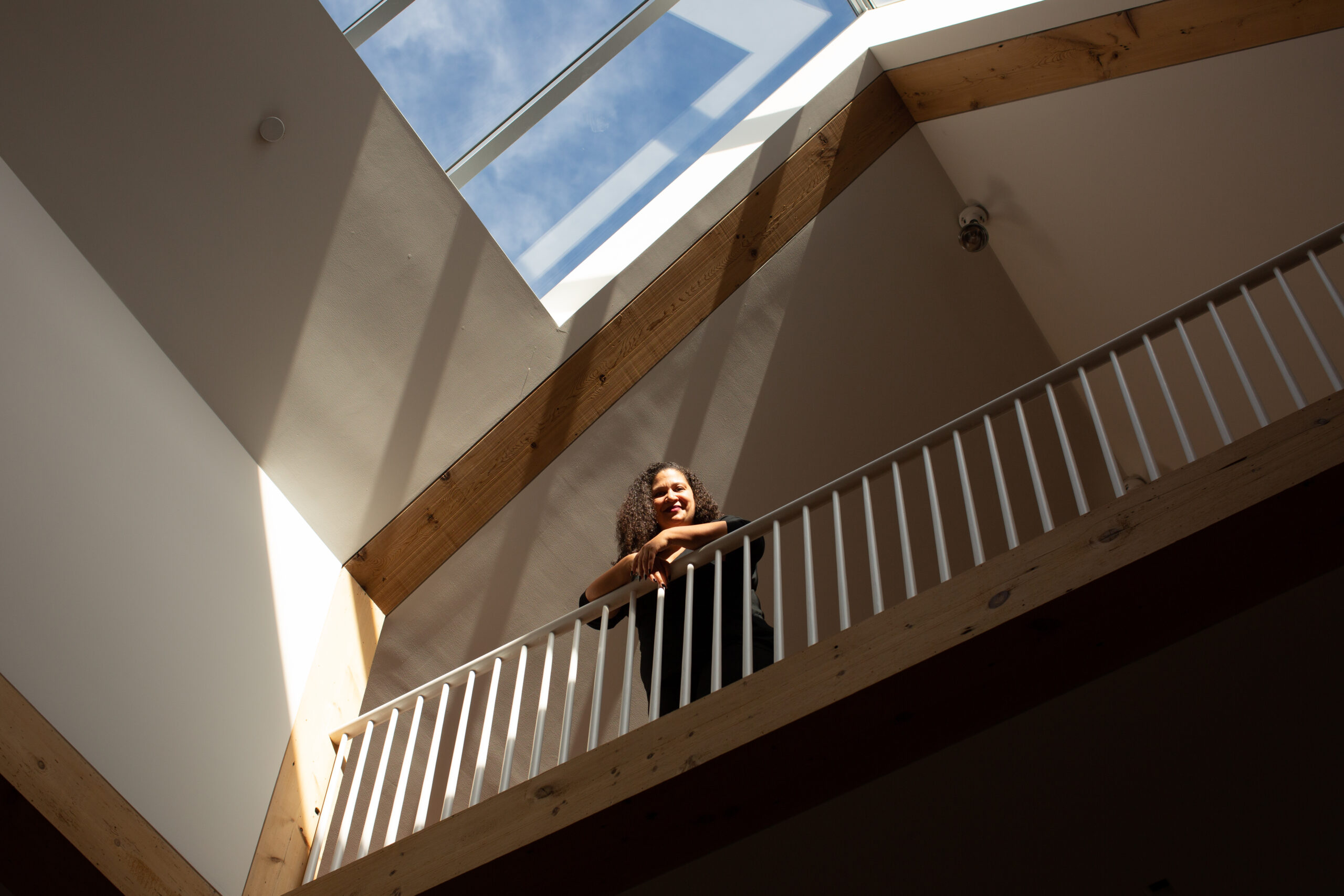
Writer Amanda Johnson during her residency at The Watermill Center, February 16 to 22, 2022. © LINDSAY MORRIS, COURTESY THE WATERMILL CENTER.
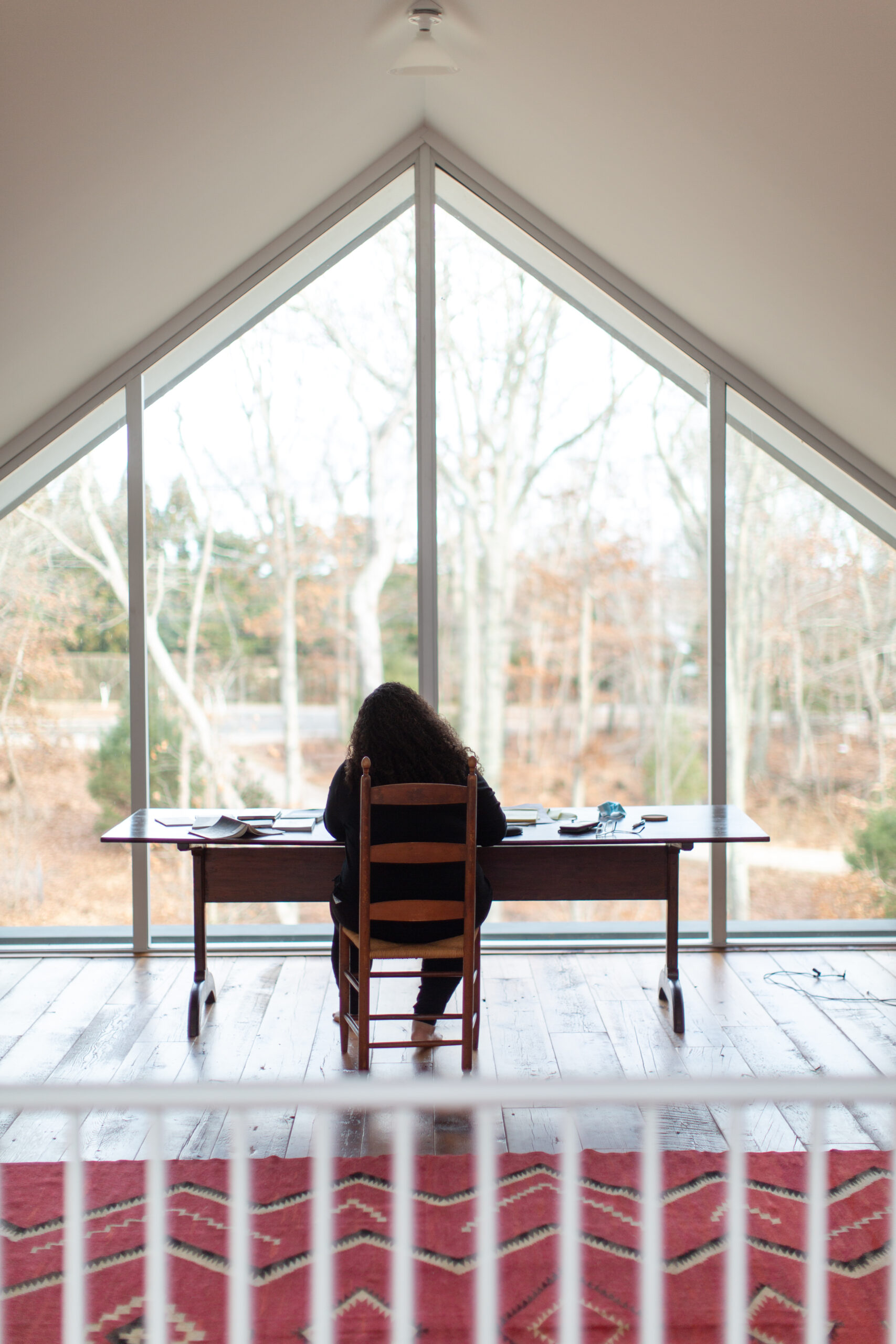
Writer Amanda Johnson during her residency at The Watermill Center, February 16 to 22, 2022. © LINDSAY MORRIS, COURTESY THE WATERMILL CENTER.
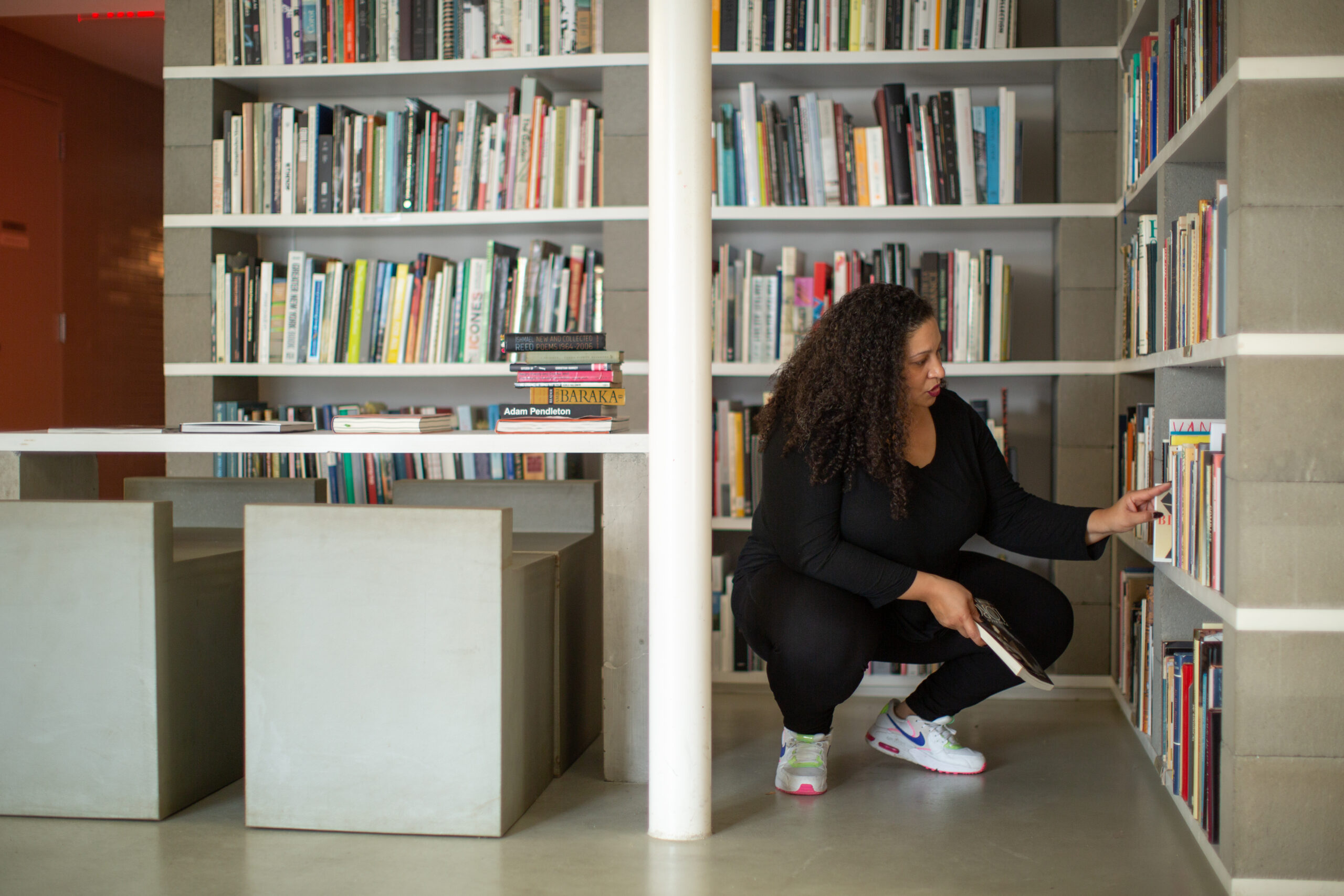
Writer Amanda Johnson during her residency at The Watermill Center, February 16 to 22, 2022. © LINDSAY MORRIS, COURTESY THE WATERMILL CENTER.
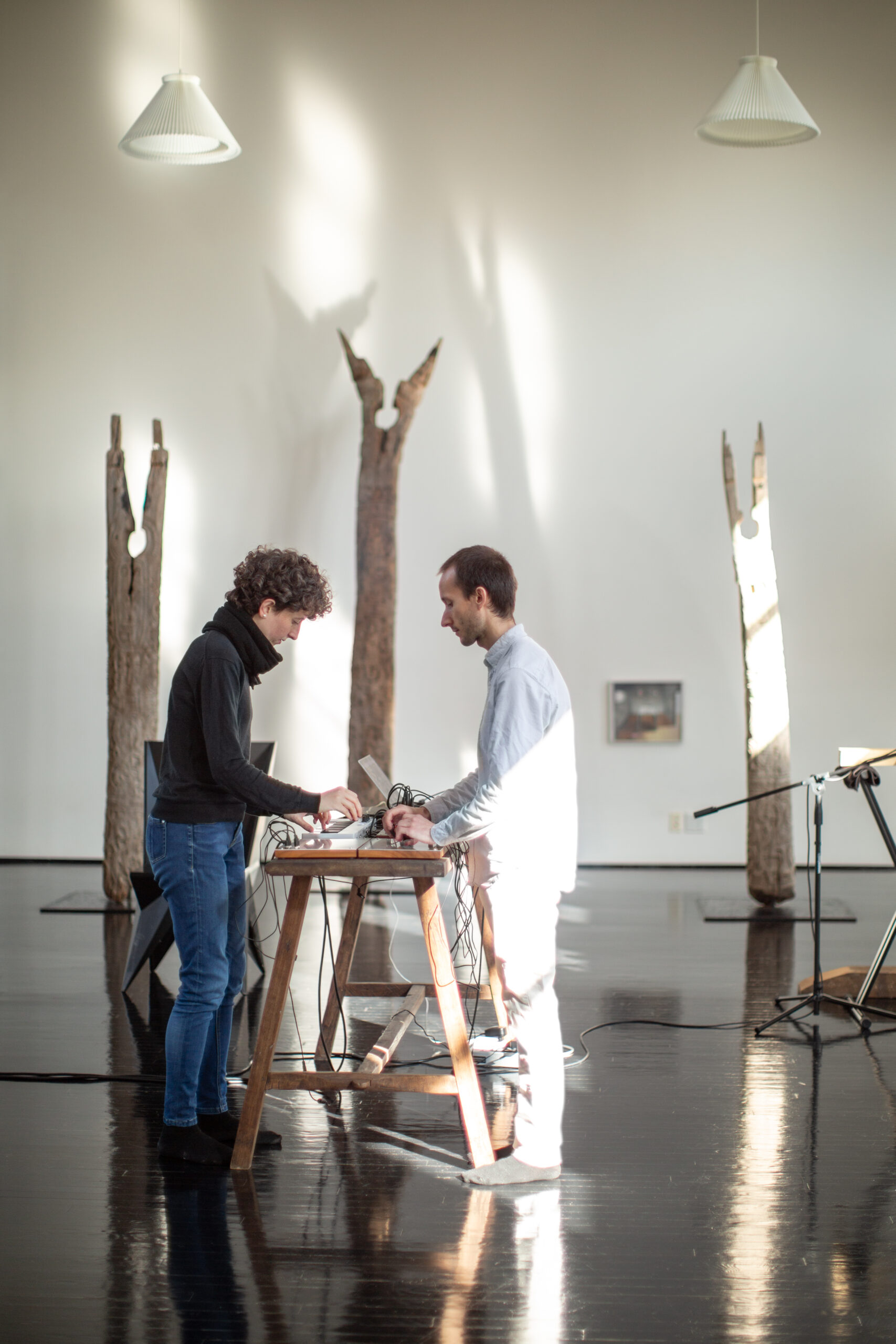
Passepartout Duo (pianist Nicoletta Favari and percussionist Christopher Salvito) during their recent residency at The Watermill Center, March 2 to April 1, 2022. © LINDSAY MORRIS, COURTESY THE WATERMILL CENTER.
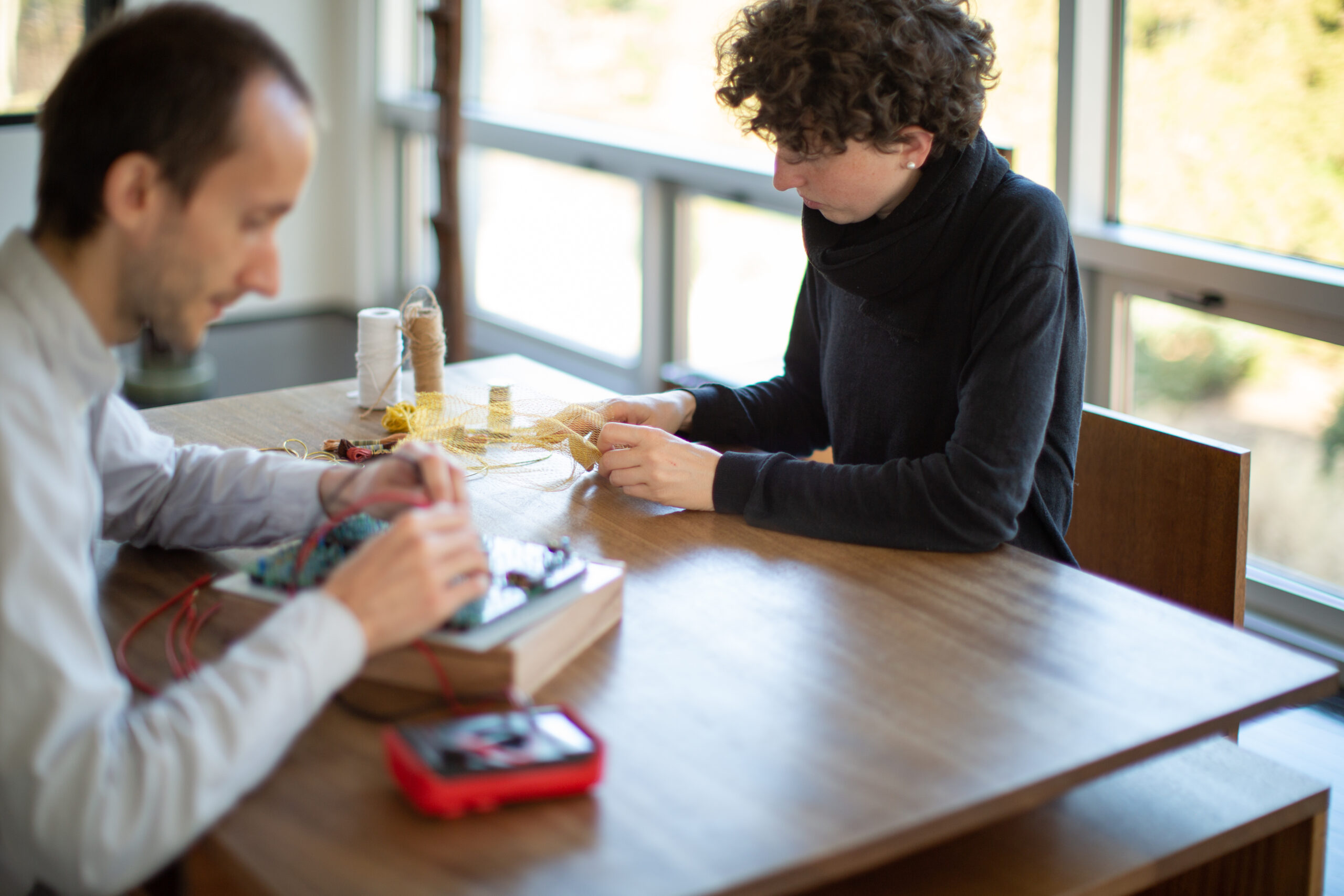
The musical group Passepartout Duo, percussionist Christopher Salvito and pianist Nicoletta Favari, during their recent residency at The Watermill Center, March 2 to April 1, 2022. © LINDSAY MORRIS, COURTESY THE WATERMILL CENTER.
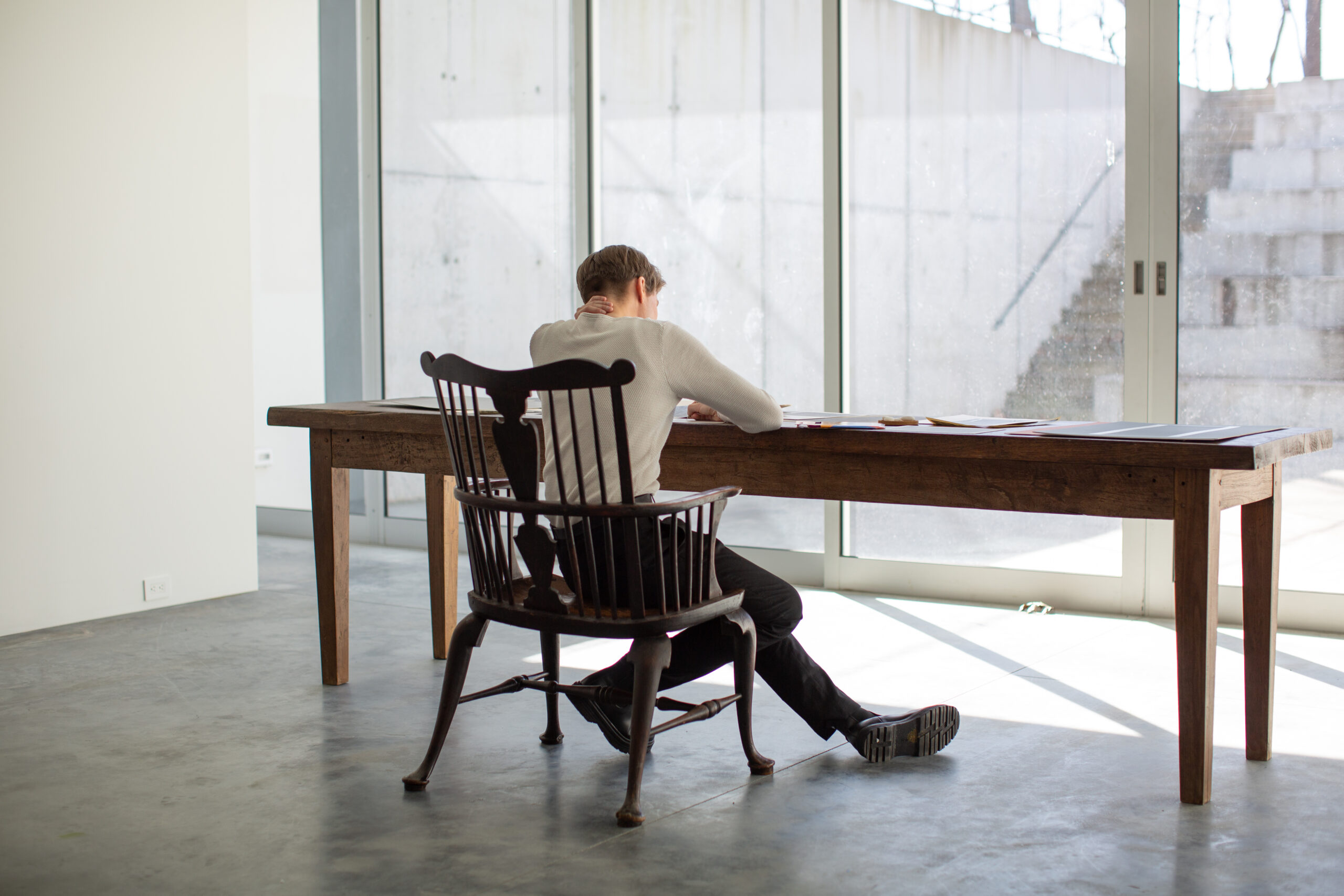
Visual artist Ville Andersson during his recent residency at The Watermill Center from March 2 to April 1. © LINDSAY MORRIS/COURTESY THE WATERMILL CENTER
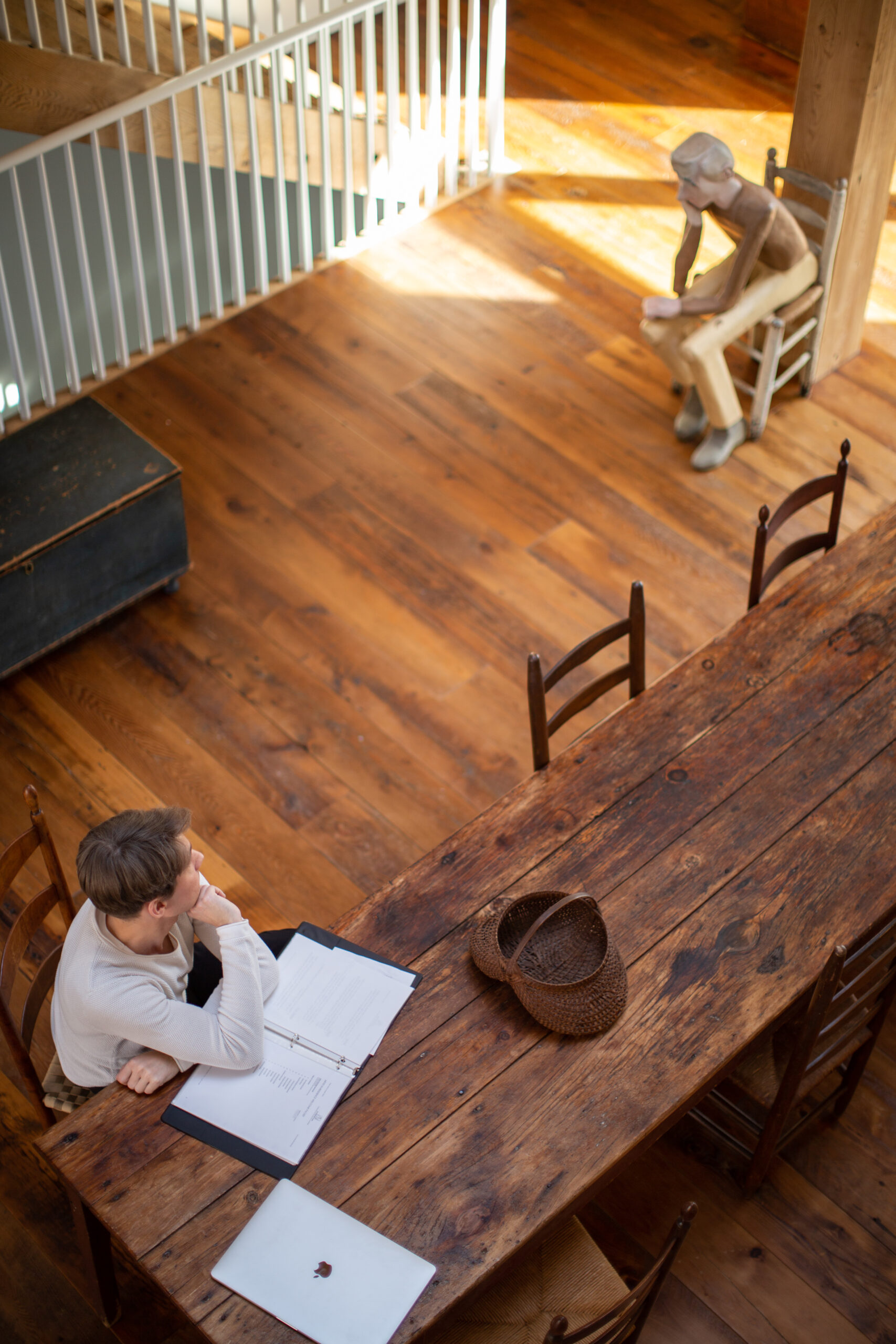
Visual artist Ville Andersson during his recent residency at The Watermill Center from March 2 to April 1. © LINDSAY MORRIS/COURTESY THE WATERMILL CENTER
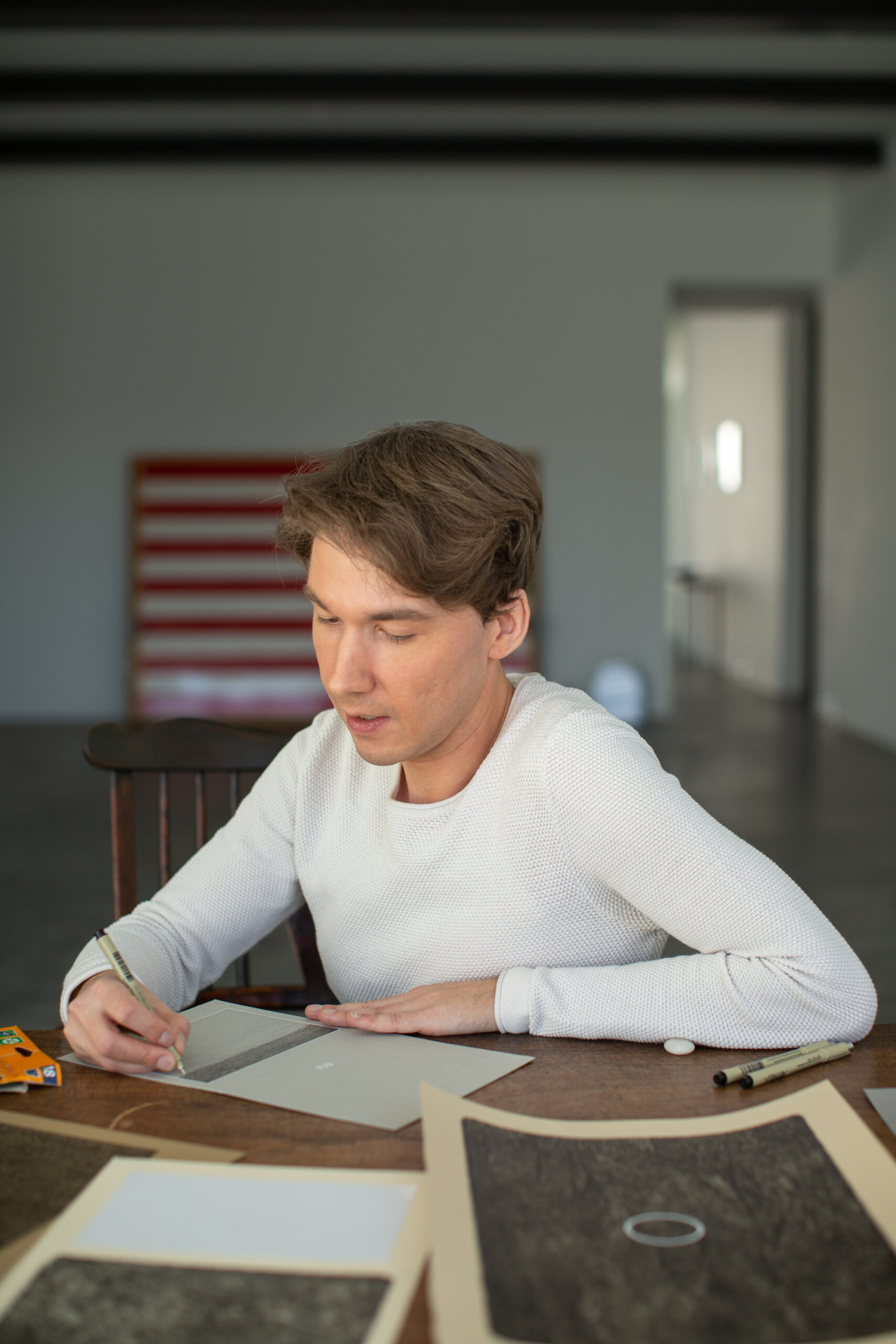
Visual artist Ville Andersson during his recent residency at The Watermill Center from March 2 to April 1. © LINDSAY MORRIS/COURTESY THE WATERMILL CENTER
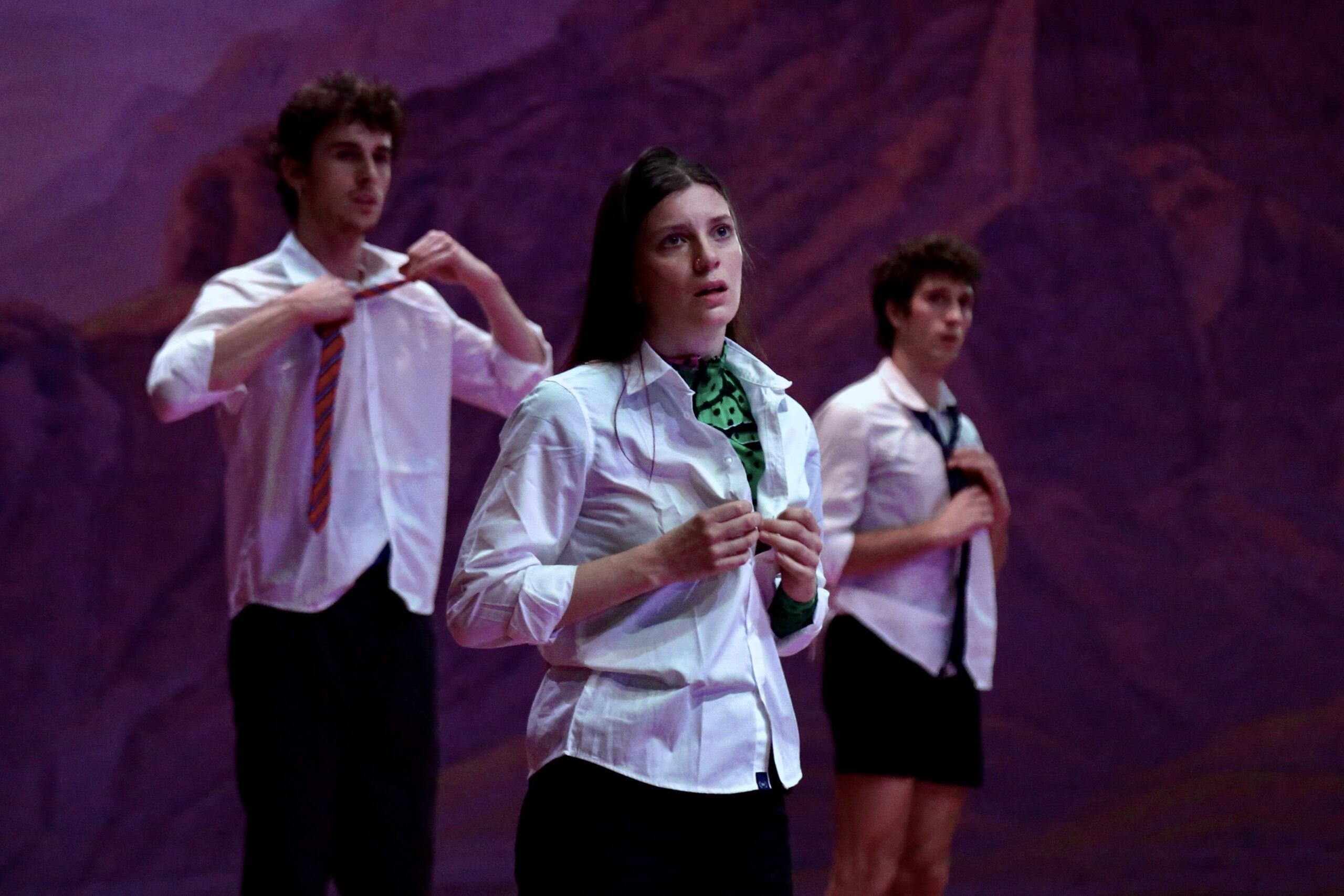
The Madrid-based Kor’sia dance collective, Antonio de Rosa and Mattia Russo, will be in residence at The Watermill Center from October 19 to November 18. Kor’sia is a recipient of the 2022 Baroness Nina von Maltzahn Fellowship for the Performing Arts at The Watermill Center.
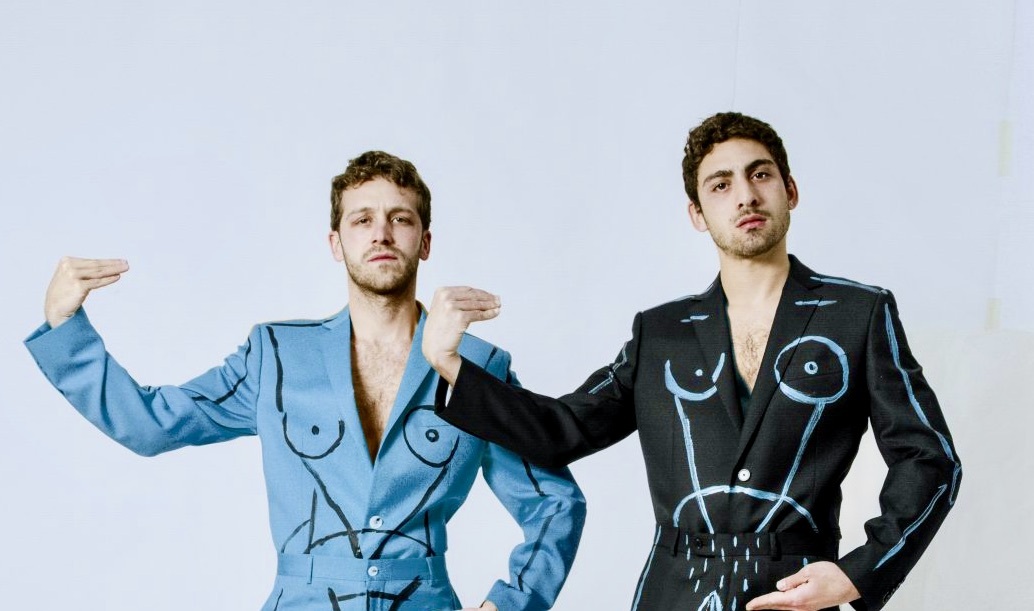
The Madrid-based Kor’sia dance collective, Antonio de Rosa and Mattia Russo, will be in residence at The Watermill Center from October 19 to November 18. Kor’sia is a recipient of the 2022 Baroness Nina von Maltzahn Fellowship for the Performing Arts at The Watermill Center.
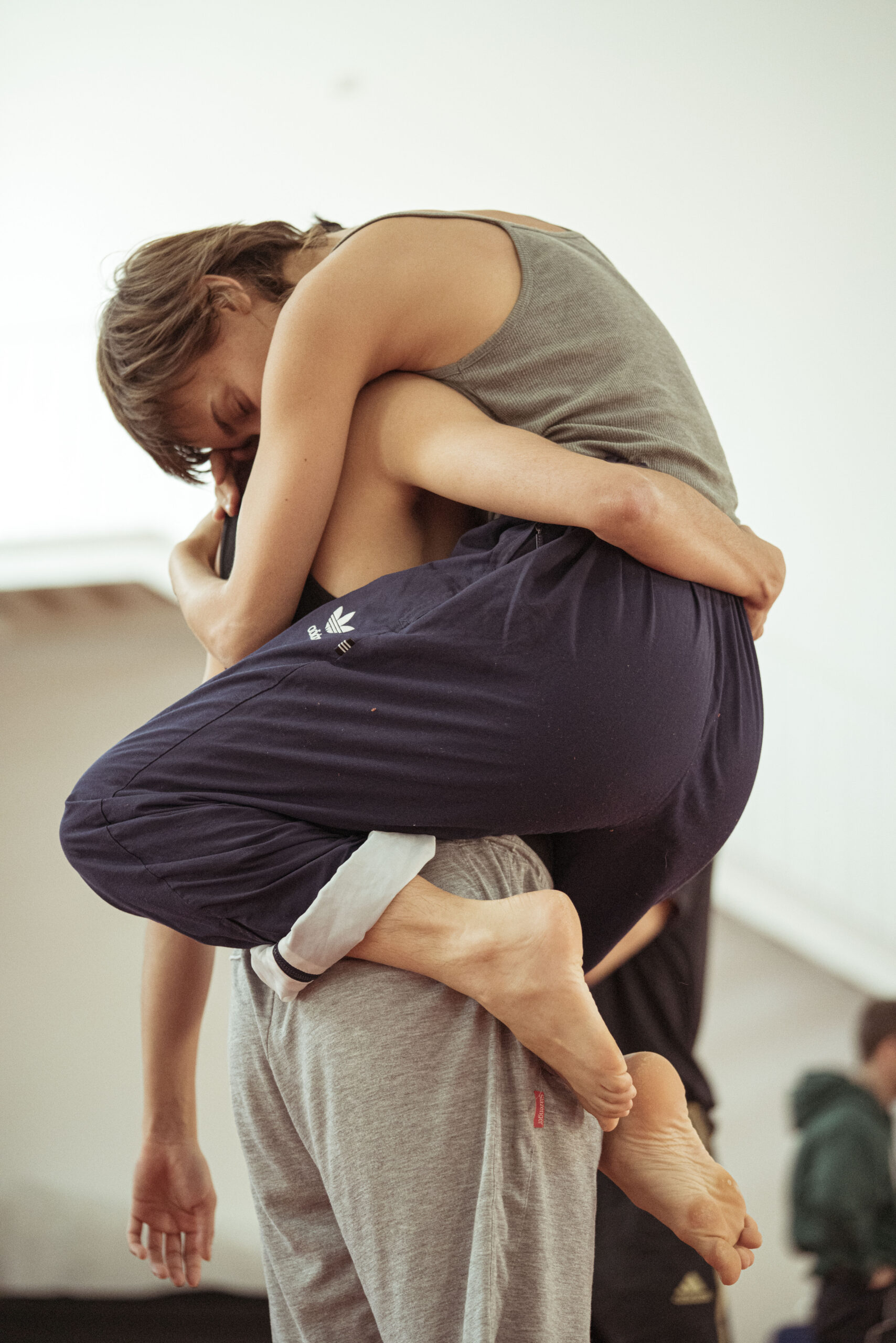
The Madrid-based Kor’sia dance collective, Antonio de Rosa and Mattia Russo, will be in residence at The Watermill Center from October 19 to November 18. Kor’sia is a recipient of the 2022 Baroness Nina von Maltzahn Fellowship for the Performing Arts at The Watermill Center.
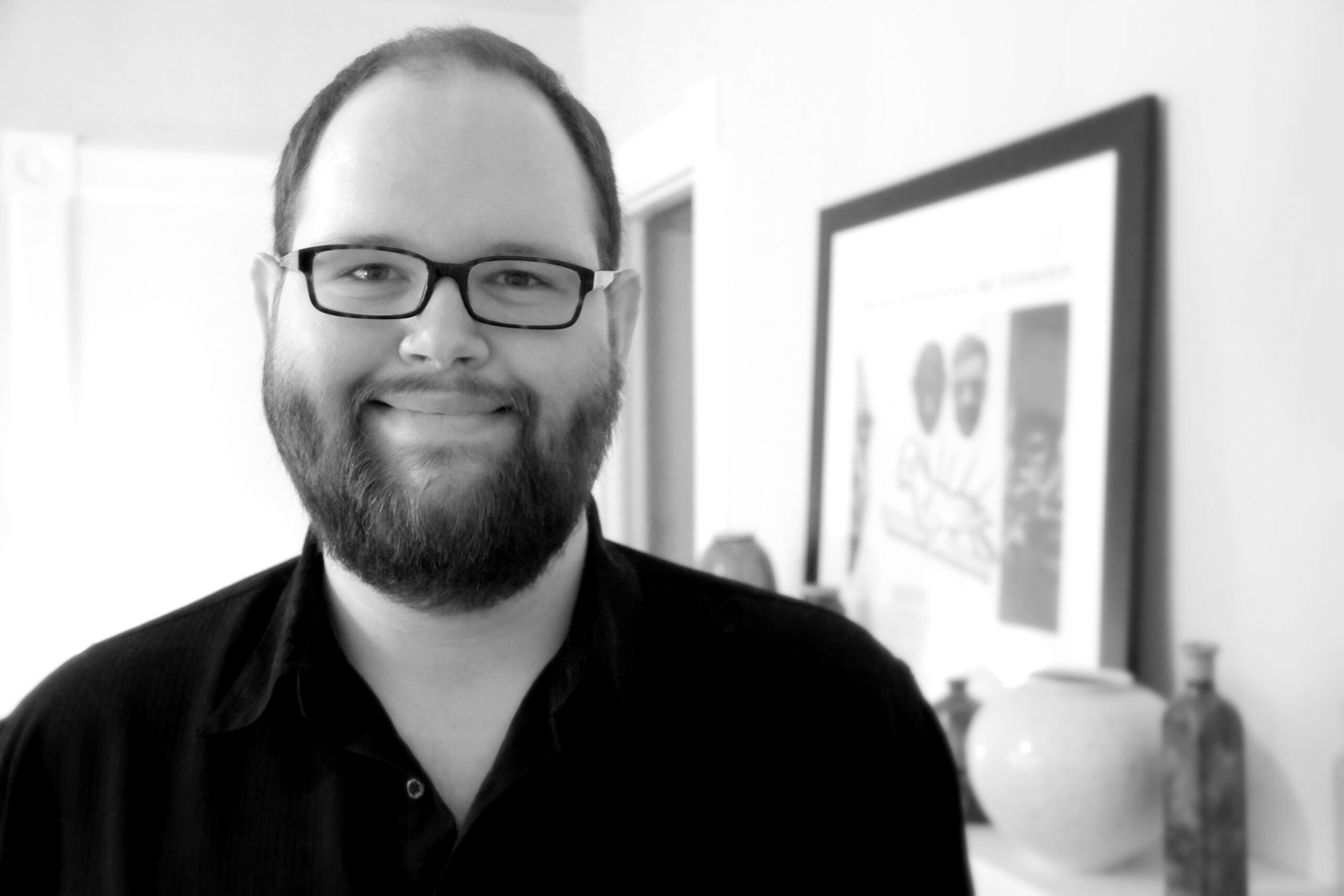
The Watermill Center artist-in-residence Adam Lenz. COURTESY THE WATERMILL CENTER
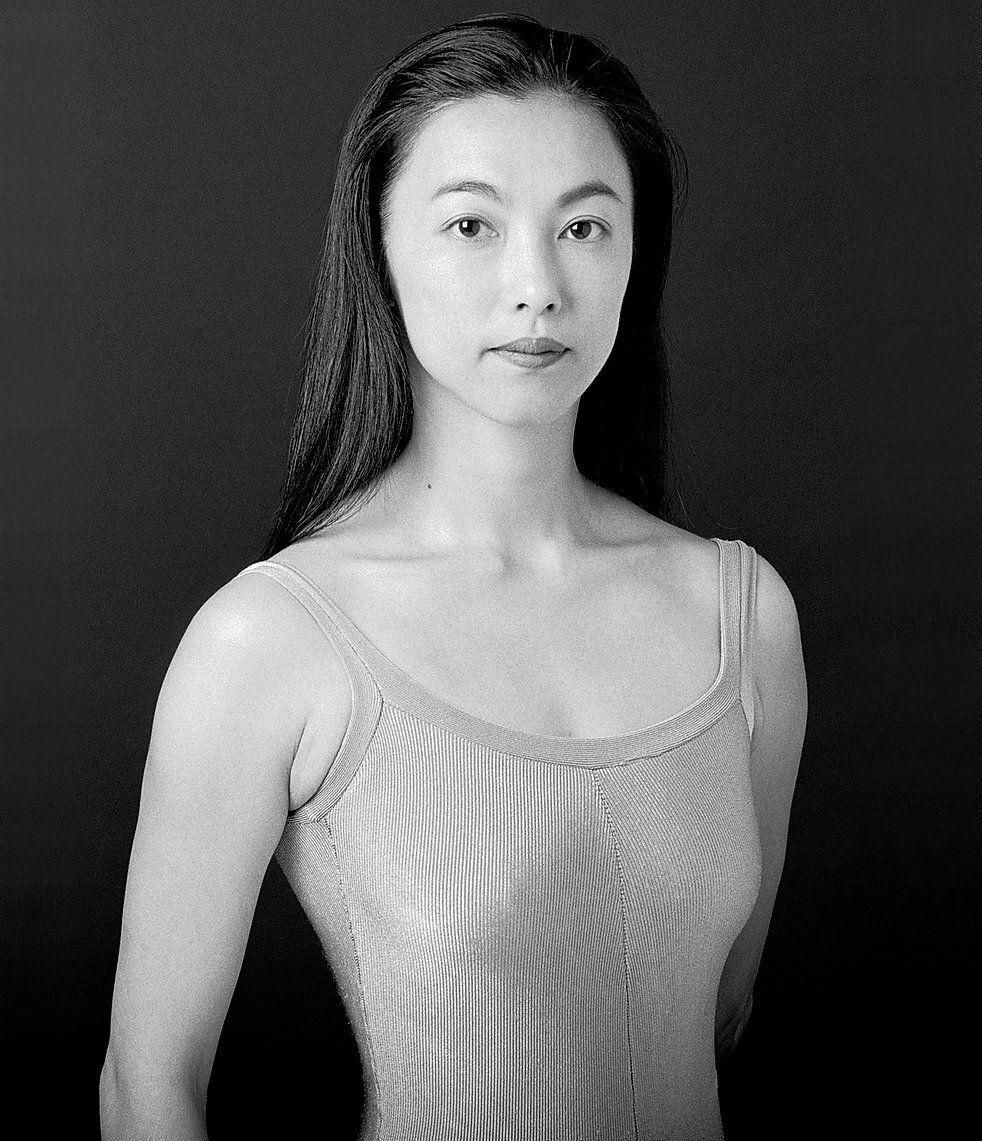
The Watermill Center artist-in-residence Miki Orihara. JOHN DEANE
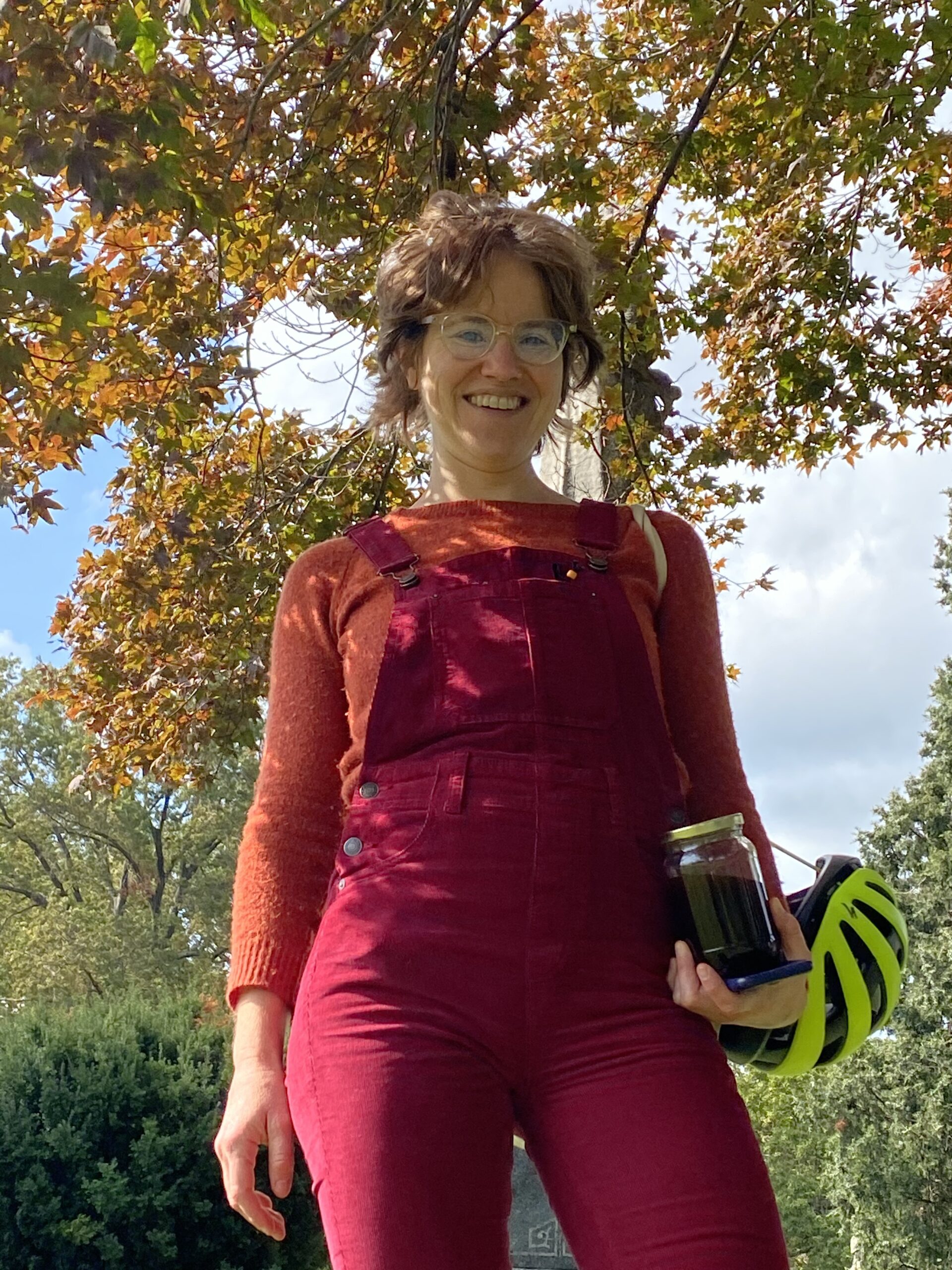
The Watermill Center artist-in-residence Helen Rubinstein. COURTESY THE WATERMILL CENTER
The Watermill Center has long been a hub for artists. Through various artist-in-residency programs, the Center has brought creative souls in a multitude of mediums from all over the world to the campus founded by Robert Wilson. By providing artists with financial support, time to work, and opportunities for collaboration, the residency programs hope to foster artistic expression and innovation. This year, the 2022 Baroness Nina von Maltzahn Fellowship for the Performing Arts will support four residencies.
The fellowship, founded in collaboration with the Nina Maria Arts & Culture Foundation, is intended to support both emerging and established artists, specifically in the fields of theater, performance art, music and dance. An international committee of established industry professionals selected the fellows, who receive financial support for their residencies.
For 2022, the recipients are Ola Maciejewska (April 6 to May 6), Nile Harris (May 11 to June 10), Joyce Ho (September 14 to October 7), and the dance collective Kor’sia (October 19 to November 18).
The Center began its artist residency program in 2006, and in the years since has hosted over 250 artists from more than 65 countries. The residency programs are process-based and encourage artistic community and experimentation. The Center is also hosting an “In Process” series, in order to allow the public to get an intimate look at the work of artists in residence. Through studio visits, open rehearsals, and Q&As, all committee members are welcomed to see artists at work. The second of the series will take place Friday, April 22, with the work of recent residents American sculptor Brian Block, Greek interdisciplinary artist Maria Louizou, and Polish choreographer Ola Maciejewska.
The first Baroness Nina von Maltzahn Fellowship this year is Ola Maciejewska, a dancer and choreographer who was born in Poland but is now based in France. She received her MA from the University of Utrecht in 2012 and made her choreographic debut with a performance called “Loïe Fuller: Research” in 2011, which has been presented in Rotterdam, various exhibitions in Paris and elsewhere. One of her latest works, “DANCE CONCERT,” had its world premiere in Taiwan in 2018 and utilized a terpsitone, an electronic musical instrument played by dancers moving around within a space.
Nile Harris, a performer and multidisciplinary director of live works, will return to Watermill after residencies at the Center in 2017 and 2018, experiences which he said exposed him to a whole community of international artists. For this residency, Harris will be focusing on a project called “This House is Not a Home,” which he’s been working on for a year or so.
“This project started with an inquiry that I felt to make a work that was centered on joy, particularly as we were navigating the political landscape in 2020 and 2021,” Harris explained. “I felt this pressure as a Black artist to create a work that was centered around creating some sort of reparative path towards healing, but in truth, I really didn’t have answers to [those] questions. But [I] had these images that were coming to me of this bounce castle as this sort of queering of the big house on the hill, this capitol image, a space where people can jump in play together and this sort of big inflatable house.”
The roughly hour-long performance work will feature an improvisational dance score — Harris is working with sound designers slowdanger to rig the bouncy castle with microphones, so as performers (including Harris himself) jump and dance within and around it, a live, unique, unrepeatable, soundscore gets mixed, complemented by an original soundtrack.
Harris spoke about using this project as an opportunity for formal experimentation, working with improvisation and scoring to create a wholly new performance each night.
“The music is different each night based off of what the dancers are doing and subsequently the lighting design is also improvisational and performed anew each night,” Harris said. “It’s like an improvisational happening, very Merce Cunningham, Robert Rauschenberg — these artists, designers, folks who I collaborated with coming together to do a uniquely improvised happening each night. It's kind of like trying to reign in a dragon, trying to get this sort of sense of structure to that which cannot be structured.”
In the fall, Joyce Ho, a multidisciplinary and visual artist from Taiwan, will come to the Center to work on and expand a piece of hers called “Artist Talk.”
“I’m very interested in deconstructing movements to integrate them with the fragmentation of daily rituals to create my works,” Ho said. “[Around 2010] I wanted to audition for a person who can actually do that, in terms of texture.”
Ho auditioned a woman named Vera, who has been in all her video works. Artist Talk is a sort of lecture performance, given by Vera in the role of the artist.
“For this performance, I use videos and also choreography and sound to build up this presentation of my work,” Ho said. “We have been performing this work, she as the artist, in many different countries. So I would like to expand this work, but this time pushing it further.
“Vera is like a representation of the artist, or an avatar. So this time I am thinking about auditioning another Vera in New York, with the same kind of quality and texture,” she added. “And then asking Vera to direct the second avatar. I will be observing as an outsider.”
Ho’s work focuses on the deconstruction and fragmentation of daily routines. The Artist Talk project is more specifically thinking about the role of the artist.
“If the artist is not present and if we want to keep the quality of the work, then is there a way to pass it down?” Ho asked. “And pass the score down to another person with the same texture of performance.”
Ho will observe the process and include it into the Artist’s Talk work.
“I think it will be interesting to observe how she translates it and what is lost in this translation,” she said. ‘I think maybe what is lost in this translation is what I’m even more interested in, because when I work I always break down the little rituals and try to find a mistake in this ritual and then amplify it.”
Previous iterations of the work have included videos and video installations.
Ho expressed wanting to use the residency as an opportunity to challenge herself in terms of process.
Lastly, Kor’sia, a dance collective from Madrid, will bring some of its team over the Atlantic. Antonio de Rosa and Mattia Russo, both Italians, are the directors and choreographers of the project. Because the residencies are chosen by a panel and not applied for, Russo and de Rosa were originally surprised, and even thought it might be a joke, when they learned they had received The Watermill Center residency.
“We want to use this period to investigate a bit, to research for our next dance creation,” Russo said. “We will use this time to know better the dancers, to be there and go into the process with them.”
De Rosa explained that the collective often goes from performance to performance quickly, with not much time between premieres, so the residency will provide him and Russo time to play with new ideas and investigate movements.
Russo spoke of The Watermill Center as a co-producer of Kor’sia’s new work, as the residency will allow them to dive deeper into their creative and collaborative process.
Kor’sia’s process involves layering dramaturg on a central idea, working collaboratively with dancers in the studio to share movement and create performance. Dancers interpret thematics of the work and put specific steps and choreography into the piece. Their process is dynamic and improvisational.
“In the end, the work that we do gives a task to the dancer and they have this responsibility to really be part of the process,” Russo said.
Responsibility to the process is what the Watermill Center’s residencies foreground. When artists are given resources, time, and access to other talent, who knows what may emerge?
The Watermill Center is located at 39 Watermill Towd Road. For more information, visit watermillcenter.org.


