


 1 Photo
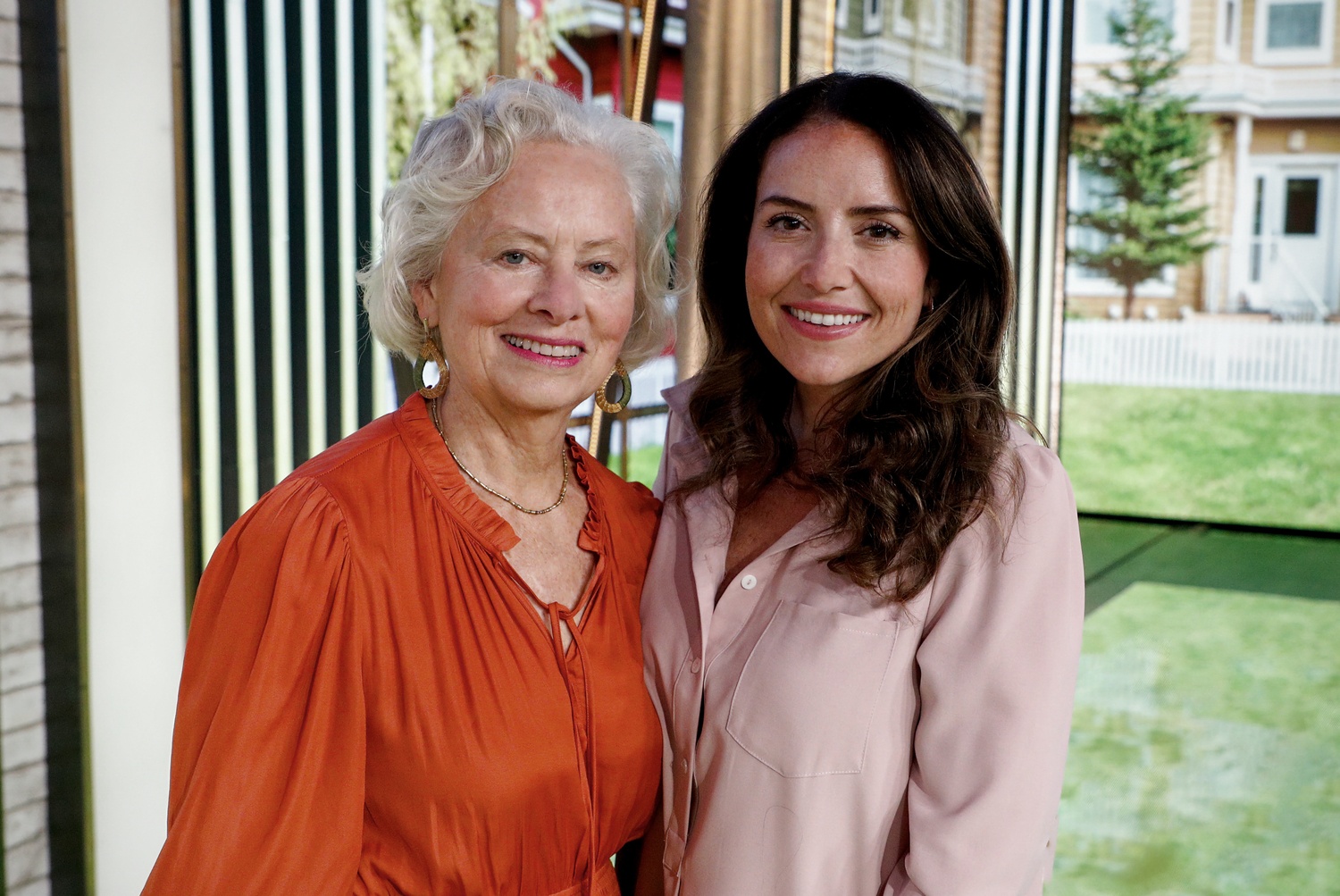
Loretta Davis, left, the outgoing executive director of the Retreat, will hand the reins to Cate Carbonaro at year's end. ABC/LOU ROCCO
After a decade, The Retreat, which provides safety, shelter and support for victims of domestic abuse, is undergoing a change in leadership.
Loretta Davis, The Retreat’s executive director, is stepping down after leading the organization through dramatic growth and expansion of services since 2014.
Cate Carbonaro, who will be the organization’s new executive director, is already working with Davis, who will continue through year’s end.
“I’m excited about the foundation that we’ve laid for Cate coming on board,” Davis said this week. “We’ve expanded, we’ve grown and strengthened in terms of our clients, our staff, our programs,” she said, noting that The Retreat now has programs for grandparents, fathers, families, children and teenagers.
“We’re covering the whole family with specific needs that they have,” providing services to everyone who needs them “because everybody knows somebody who’s been impacted. And it’s because the team is so dedicated — we have people that are smart, dedicated and professional, and some people have been here 24 years,” she said.
When she arrived at The Retreat in December 2014 following 20 years as town justice in Tuxedo, New York, “we had one person in prevention education,” Davis said. Now, The Retreat has four full-time and two part-time prevention education specialists.
“I’m really proud of that,” she said, “because you need the prevention education as well as the services. We’ve grown from a $4.2 million budget to over a $6.5 million budget, with local donors, government on every level, competitive grants that we’ve applied for, and yet we still can’t meet the need here.”
During her tenure, The Retreat introduced legal services. “Now we have attorneys, thanks to a grant,” Davis said.
The organization bought the Stephanie House Shelter at The Retreat in 2017. In August, Governor Kathy Hochul visited the shelter, where she announced that New York State will allocate $575,000 to The Retreat.
She and Carbonaro met thanks to The Retreat’s collaboration with other entities, specifically Touro Law School in Central Islip, where Carbonaro served as director of the William Randolph Hearst Public Advocacy Center and director of public interest.
She taught a course in human trafficking and created a poverty law course, and was instrumental in reopening the Hearst Public Advocacy Center and shifting its focus to supporting survivors of domestic abuse, sexual assault, and sex and labor trafficking. She is also a member of Suffolk County Women in the Courts Committee, Women’s Diversity Network and the new Suffolk County Access to Justice Committee.
She previously worked at the Legal Aid Society as a public defender in the Exploitation Intervention Project, the first effort within a public defender’s office to work with criminalized survivors. She represented criminalized survivors who have experienced gender-based violence, including domestic violence and labor and sex trafficking, in their criminal cases, on vacating their criminal records and on the Domestic Violence Survivors Justice Act.
The amount of needs for survivors of domestic violence, abuse and sex and labor trafficking is only increasing, Carbonaro said this week. “It’s sad that it is necessary, but it is.
“Let’s stop the abuse, let’s figure it out, and the way to do that is by addressing the whole family and not just the crisis,” she said. “That holistic view of abuse must be addressed if we’re going to stop it and not just have this cycle repeat and repeat.”
Davis, she said, “has left such a strong foundation. I feel very lucky about that. It’s hard with nonprofits, it’s hard after COVID, to maintain and grow, and she’s grown so much in the last 10 years that I feel very lucky for that, to be joining with such a strong foundation.”


