


 6 Photos
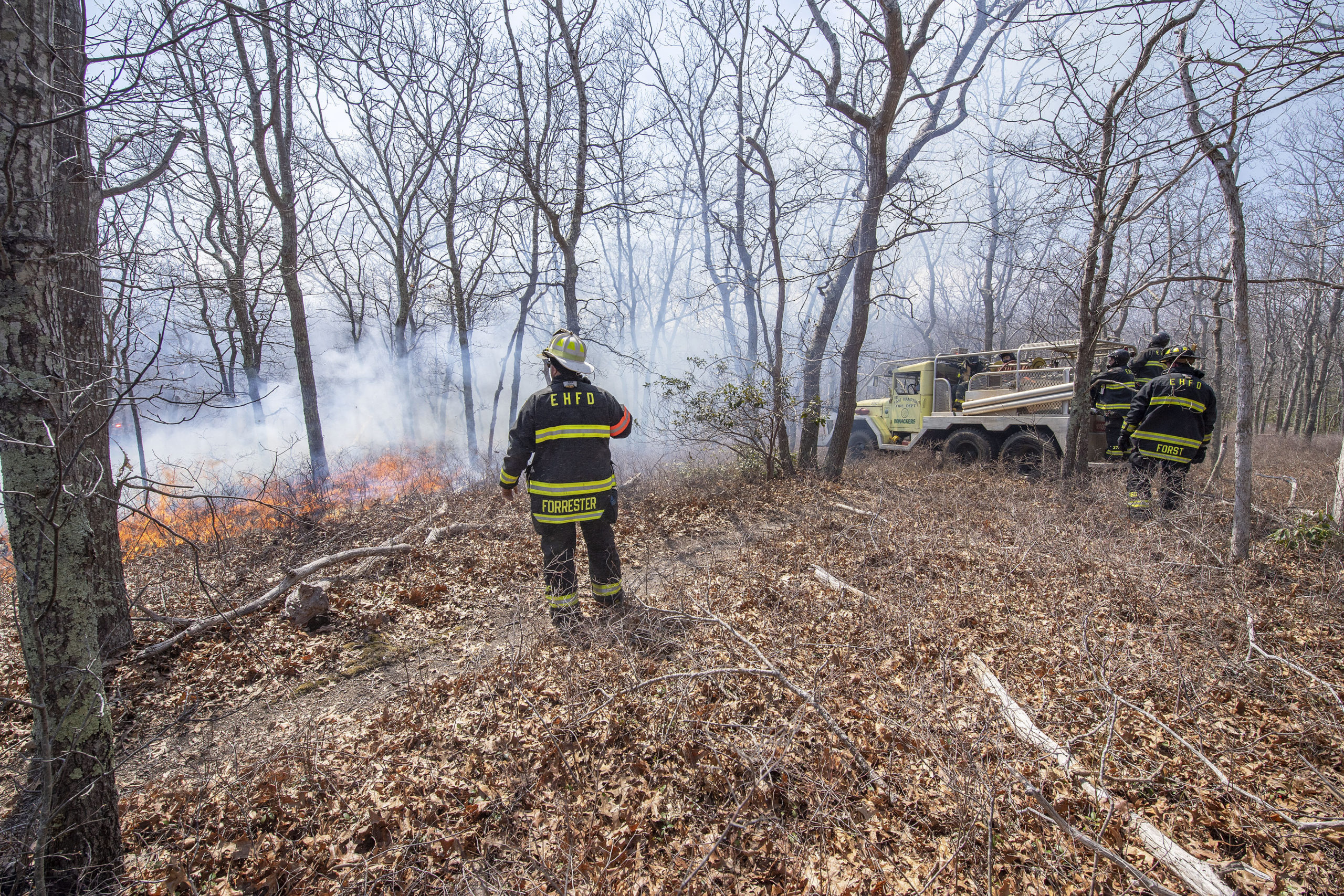
A small wildfire broke out last spring on town land near the East Hampton Airport. The underbrush in the area was sparse and while the fire was fast-moving and pushed in different directions by the wind, local firefighters were able to contain it and extinguish it. But in areas of the town where tens of thousands of trees have been cut down or died because of southern pine beetle infestations, a wildfire could get out of control, some fear.
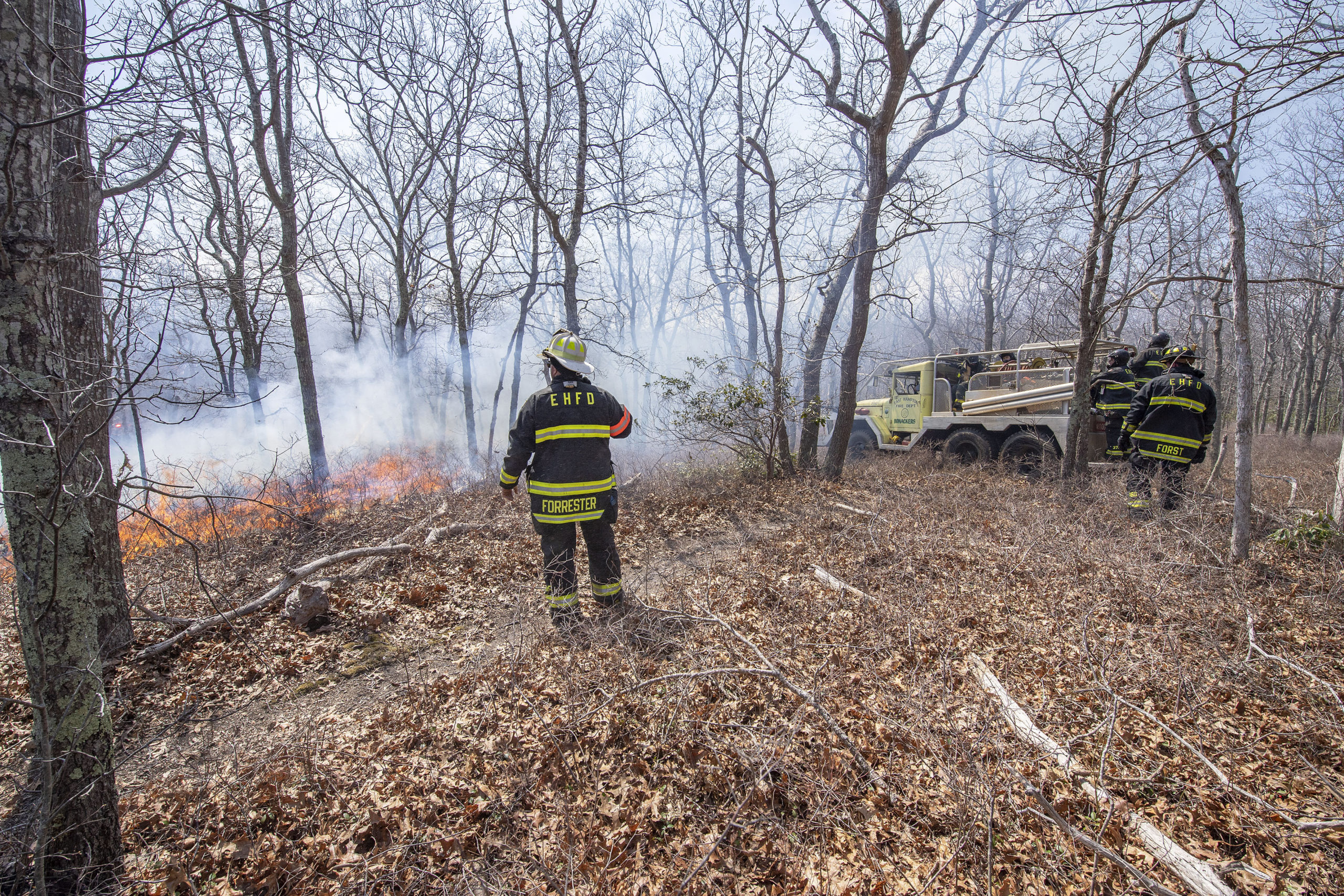
A wildfire broke out in the woods near East Hampton Airport last spring. Blown by shifting winds it proved a challenge to get under control but firemen said the relatively sparse underbrush in the area prevented it from getting out of hand. But in areas of town where tens of thousands of trees have been cut down or died because of southern pine beetle infestations, some fear an eventual wildfire could spell disaster.
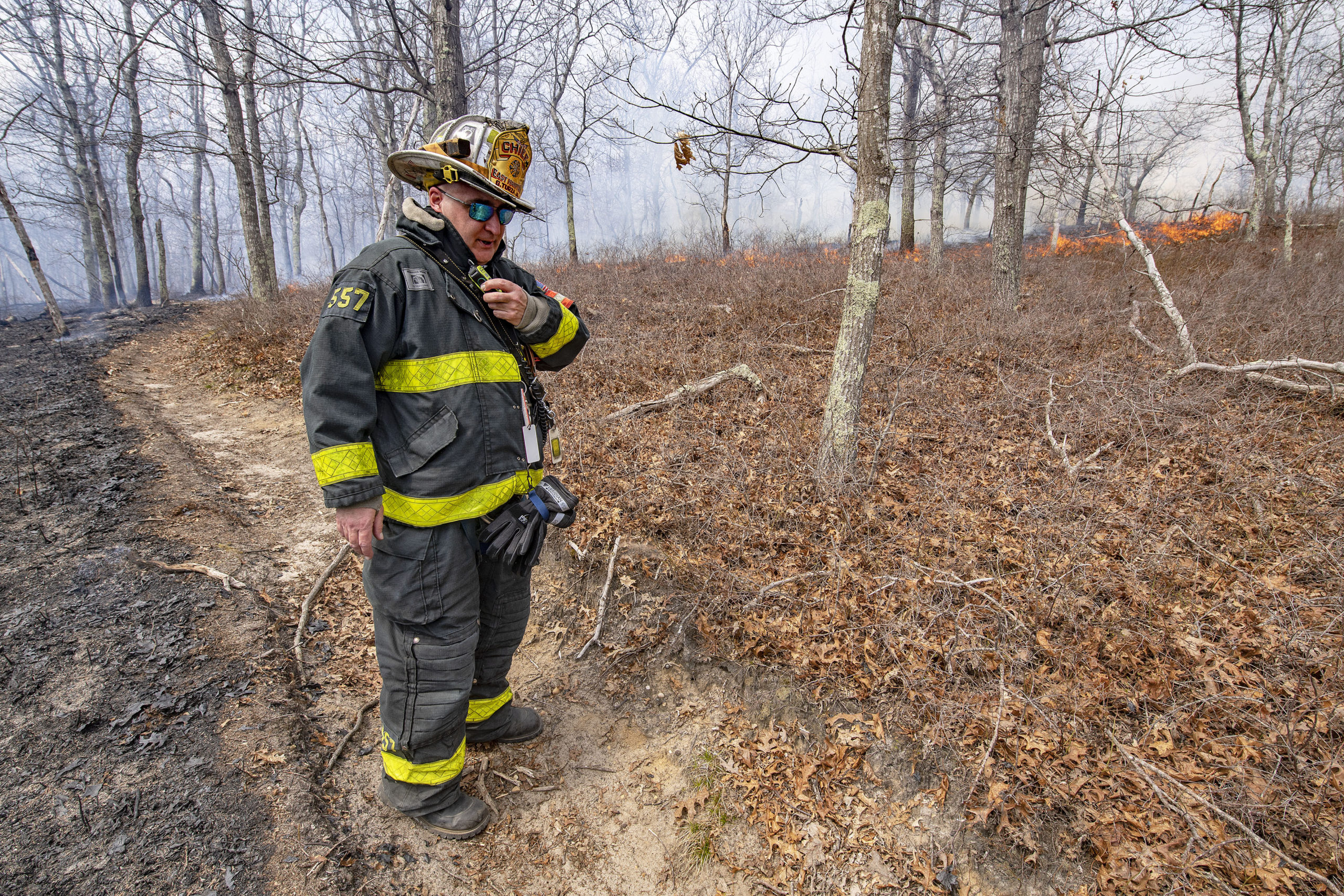
A wildfire broke out in the woods near East Hampton Airport last spring. Blown by shifting winds it proved a challenge to get under control but firemen said the relatively sparse underbrush in the area prevented it from getting out of hand. But in areas of town where tens of thousands of trees have been cut down or died because of southern pine beetle infestations, some fear an eventual wildfire could spell disaster.
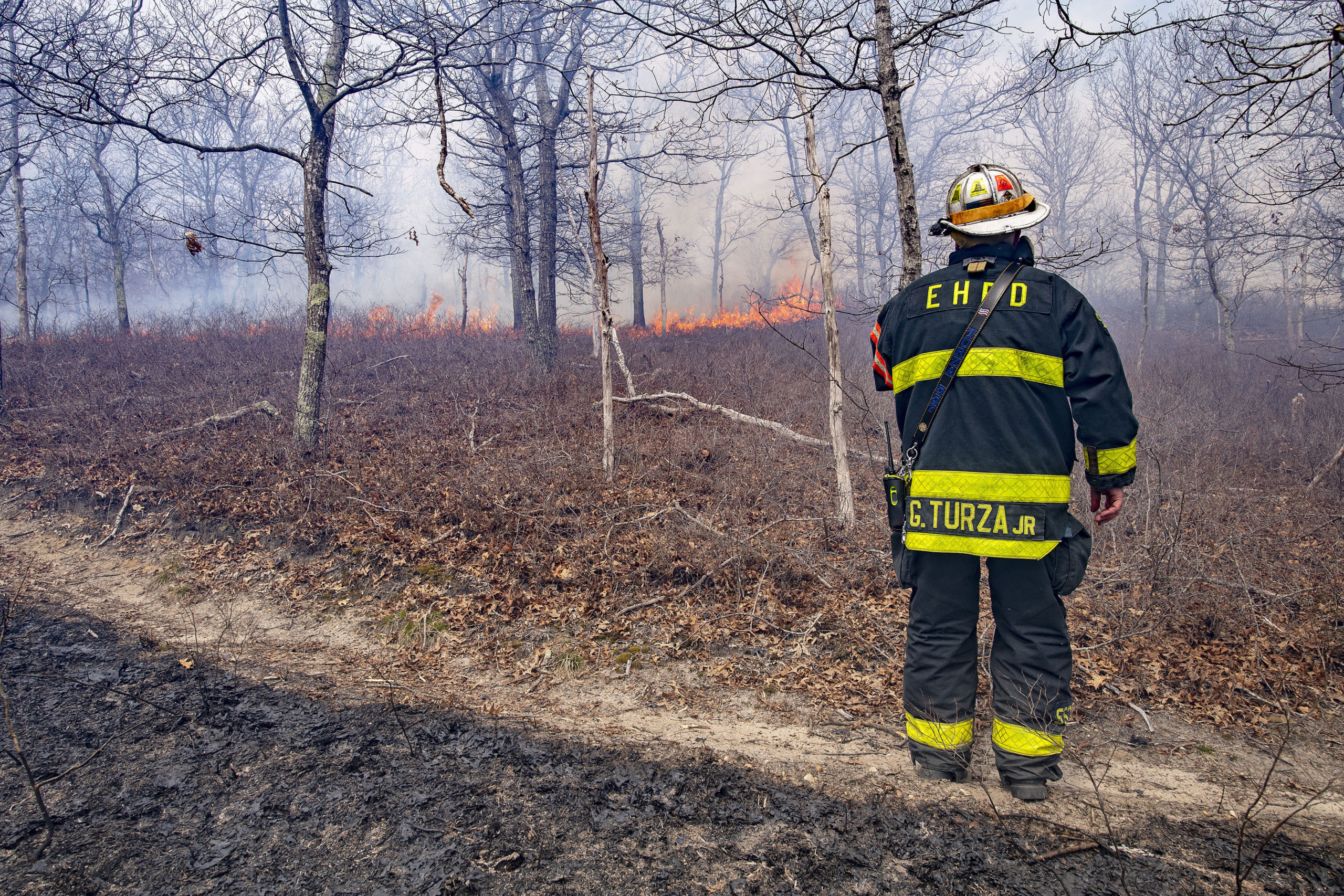
A wildfire broke out in the woods near East Hampton Airport last spring. Blown by shifting winds it proved a challenge to get under control but firemen said the relatively sparse underbrush in the area prevented it from getting out of hand. But in areas of town where tens of thousands of trees have been cut down or died because of southern pine beetle infestations, some fear an eventual wildfire could spell disaster.
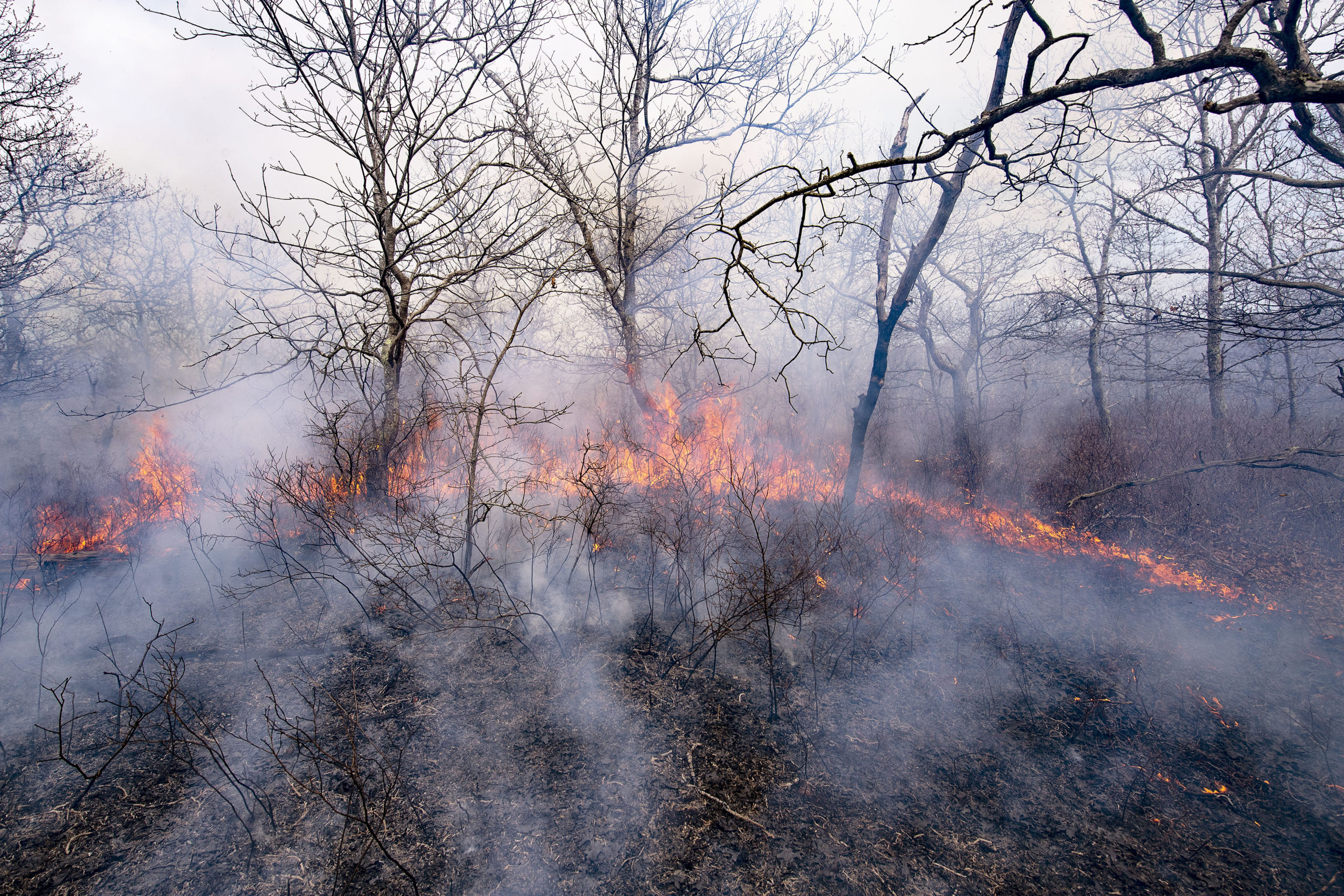
A wildfire broke out in the woods near East Hampton Airport last spring. Blown by shifting winds it proved a challenge to get under control but firemen said the relatively sparse underbrush in the area prevented it from getting out of hand. But in areas of town where tens of thousands of trees have been cut down or died because of southern pine beetle infestations, some fear an eventual wildfire could spell disaster.
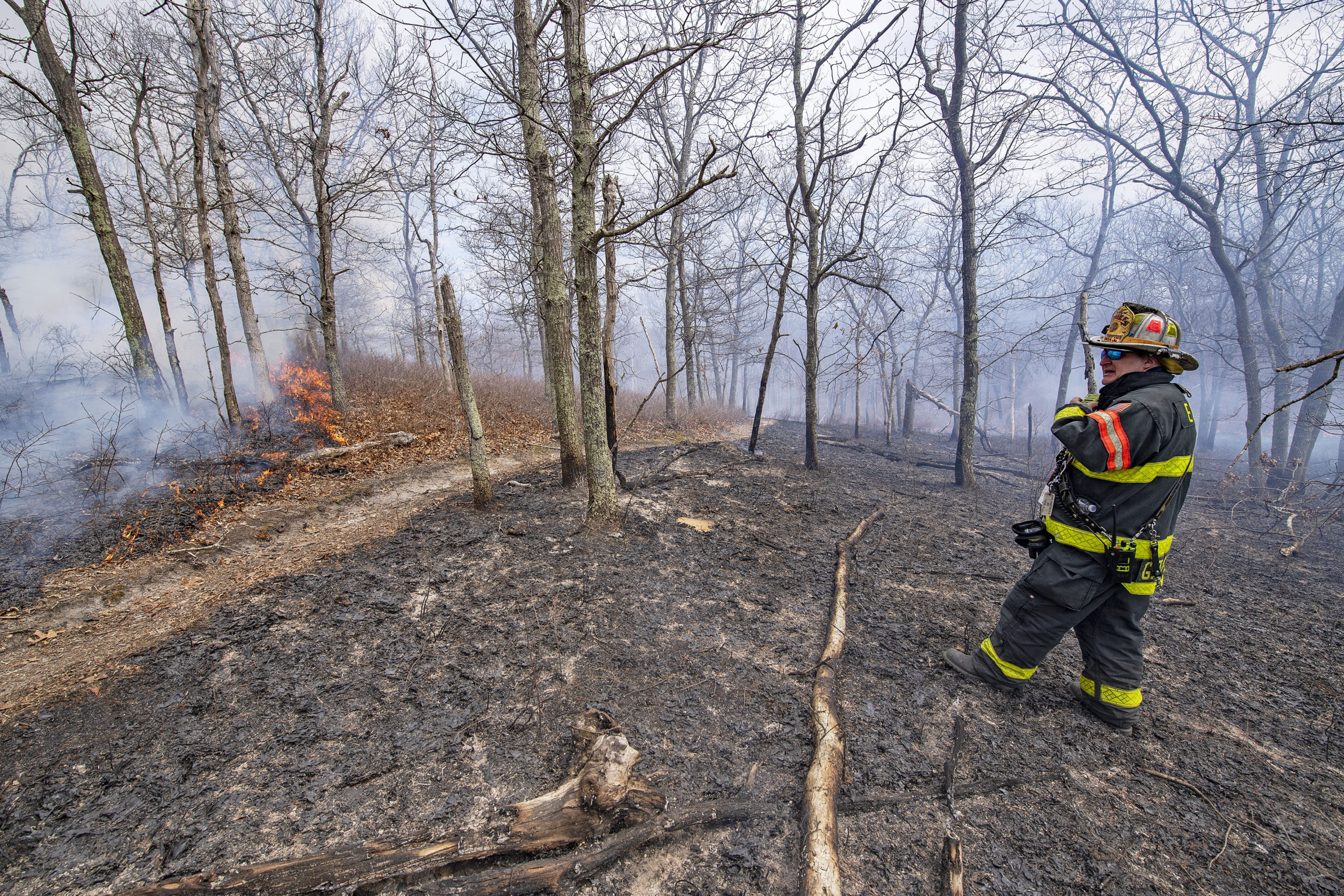
A wildfire broke out in the woods near East Hampton Airport last spring. Blown by shifting winds it proved a challenge to get under control but firemen said the relatively sparse underbrush in the area prevented it from getting out of hand. But in areas of town where tens of thousands of trees have been cut down or died because of southern pine beetle infestations, some fear an eventual wildfire could spell disaster.
The wave of destruction brought on by the southern pine beetle’s arrival on eastern Long Island has already left gaping holes in the once dense canopy of the region’s woodlands.
But some see an even greater potential disaster lurking amid the devastation: fire.
Since 2017, nearly 20,000 trees have been cut down on town lands in Northwest Woods, mostly along the Swamp Road corridor, in an effort to stanch the spread of the beetles. Thousands more have likely been felled on private properties, and more are coming down daily in Wainscott and Napeague as crews search for every sign of an infested tree and bring it to the ground so the beetles living under its bark can’t flit to the next tree.
At some private homes, and in some areas of the town land, the felled trees have been segmented and carted away. But since the beetles can’t spread from the downed trees, and removal is an arduous and costly effort, the vast majority have been simply left where they fell when the chainsaws cut through their trunks.
Residents used to the shade of woods see ugly gaping holes in the once beautiful landscape. Environmentalists see hope that a more resilient forest might slowly arise from the carnage.
Firefighters see fuel.
“As these trees die, you get an accumulation of fuel in the woods, and we’re going to see wildfires along the lines of 35 to 40 years ago, like the Westhampton fires or the fires in Montauk back in the early 1990s,” East Hampton Town Trustee James Grimes, a member of the Montauk Fire Department, told other Trustees on Monday. “It’s going to be a real situation, and we’ve got to start preparing for it now.”
The trees the pine beetles have killed but that have not been cut down could pose an even greater fire threat than the felled ones, East Hampton Fire Chief Gerard Turza Jr. said. Standing dead trees can help a fire jump through the canopy of the forest, 50 to 60 feet above the ground, where it’s harder for firefighters to extinguish.
The dead trees also pose a safety threat to firefighters, and to the general public, even in instances with no fire, because they can fall and potentially hit a person or damage property.
While the town has cut down many trees that were infested, land managers have not generally cut down trees that the beetles had already killed and moved on from, since it would do little to stop the spread of the bugs and the skeletons can be an important habitat for wildlife.
In April, the East Hampton Fire Department battled a relatively small wildfire that broke out in the woods just north of East Hampton Airport, near the Maidstone Gun Club — barely half a mile from the areas just across Route 114 where thousands of felled trees lay decaying. The fire was extinguished but posed some very concerning attributes that could have been disastrous in a location with more “fuel.”
“Luckily, there isn’t much fuel there — the understory is pretty sparse — but it still posed a real problem,” Turza said of the April fire. “We had several wind shifts, and terrain was a real challenge. Even with the thin underbrush, we were getting 10-to-12-foot heads of fire. It was something we hadn’t seen in a while.”
Long Island’s most famous wildfires raged through the Pine Barrens north of Westhampton in 1995, charring 5,500 acres. It was the largest wildfire in New York in a century, but it caused relatively little damage to property since it burned mostly through uninhabited areas.
That summer also saw a fire in the Hither Hills State Park. An even bigger fire spread through the state parklands there in 1986. Especially dry winters and springs preceded both and is a key component to the wildfire threat locally.
While the changing global climate has not led to record drought conditions in the Northeast like it has in California, it has meant that the rainfall has become more intermittent, with heavy deluges bookending long periods of very dry conditions. Turza said that local departments get fire threat warnings from Suffolk County regularly now.
East Hampton is not prone to regular wildfires, even small ones, the chief said, but the department’s firefighters are constantly taking training on wildfire fighting techniques and skills, and are planning ahead for the eventuality. The department did a drill a few years ago to practice responding to a wildfire in Northwest.
The East Hampton Fire Department recently ordered a new “brush truck” — a heavy-duty vehicle built to forge into woodlands where there are no roads, even when it means knocking over trees with the brute force of the vehicle’s snout. The chief said that in designing the new truck, the department is looking for the capability of navigating rugged terrain and paths blocked by fallen trees.
Where there are vast stretches of uninhabited woodlands, like Hither Hills and the Pine Barrens, fires can be good. Some species of pines require fire to reproduce effectively. The burned acres north of Westhampton have roared back to life and created new ecosystems that had been snuffed out of the region centuries earlier by the shade of the towering pine trees.
But when fires surge in areas near homes, the environmental benefits are drowned out by the threat to public safety.
Grimes, who also owns a landscaping company, recommended that homeowners in wooded areas take a look at their properties and clear away potential fire fuel. Dense vegetation around the home is not the best idea, he said.
“This is a good time to start evaluating,” he said. “Instead of living in ‘Grey Gardens,’ do some selective editing on your property so that you can protect your property in the event of a wildfire.”
Trustee Susan McGraw-Keeber said she is worried about the fire threat and the potential impact on those who live in the neighborhoods where the pine beetle devastation has left behind a forest of matchsticks.
“I live in Northwest, as does [Trustee Tim Garneau] and [Trustee David Cataletto],” she said to Grimes. “If we have fires like you’re describing, a lot of people’s homes are going to be destroyed.”
“Fires can be good, but when you’re in that interface, where there are residences out in the woods like Northwest, it can be a different story and something people need to be aware of,” he said.
“We need people to be aware of fire risks when they are out in the woods. Be responsible with bonfires, even beach fires. Removing dead trees is a good idea. And they should call 911 at the first sign of trouble. Don’t try to put out a fire with your garden hose first.”


 Michael Wright on Mar 16, 2022