


 1 Photo
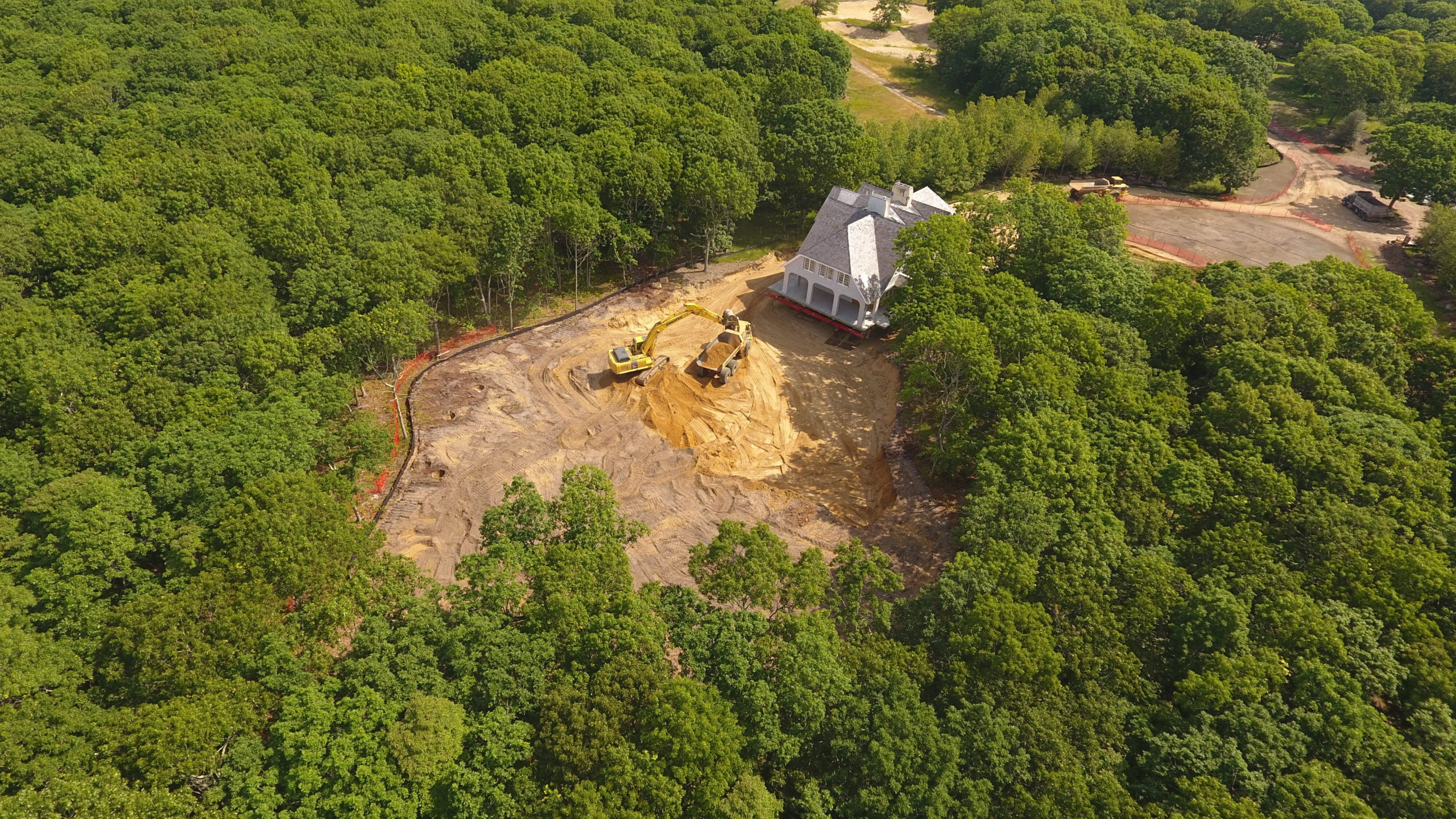
The former home of architect Francis Fleetwood is being relocated in Amagansett after the new owner dropped a dispute with East Hampton Town over the ownership of a "paper road" running through the property.
The billionaire owner of an Amagansett property that has been embroiled in drama over attempts to annex a “paper road” that contains a portion of the Paumanock Path hiking trail has retooled his development plans and withdrawn a lawsuit against East Hampton Town.
The town issued a new building permit to representatives of Michael Novogratz earlier this month, allowing the relocation of the former home of architect Francis Fleetwood from one property Mr. Novogratz now owns to another, after the development plans were amended to move the location of the house farther away from the paper road.
“We told them their only option for proceeding right away was to meet the setbacks for a road, which is 70 feet,” Chief Building Inspector Ann Glennon said this week. “I told them that would be the fastest solution, so they pushed the house back so it met all the setback requirements and now they are fine.”
With the issuance of the new permit, Mr. Novogratz’s attorneys withdrew a lawsuit filed in February demanding that a stop-work order on the property be lifted.
The dispute over the Mr. Novogratz’s redevelopment of Mr. Fleetwood’s former estate began in 2018 when attorneys for the billionaire Bitcoin investor asked the town to abandon the paper road in exchange for a conservation easement over the property that would allow the hiking trail to continue using the narrow section of woods that was once to be a spur of the Cross Highway that runs between Cranberry Hole Road and Abrahams Landing Road.
But the easement deal was derailed when a Springs resident, David Buda, pointed out the proposal would give Mr. Novogratz substantially more buildable area on the 5-acre property he owns at 58 Cross Highway East, without any remuneration to the town.
Nearly a year later, it was again Mr. Buda who discovered that Mr. Novogratz’s attorneys had used a legal sleight of hand with Suffolk County officials to have the paper road erased from land use maps, and the entirety of the land folded into the Cross Highway East property.
Apparently unaware that anything out of the ordinary had happened, the town Building Department issued a building permit allowing the Fleetwood mansion to be moved from the adjacent 33-acre estate of the late architect, which Mr. Novogratz purchased in 2016 for $14.25 million.
But after Mr. Buda pointedly made the case to both the county and the town that erasing the paper road had been done improperly, the town issued a stop-work order on the permit.
There has not yet been an application filed for the presumed plans to redevelop the larger former Fleetwood estate property.
Mr. Novogratz’s attorney, Steven Latham, could not be reached for comment.
With the project amended to accommodate the existence of the town road and the lawsuit withdrawn, Mr. Buda said he is mostly satisfied with the apparent resolution.
“Both of those outcomes are very good,” Mr. Buda said in a message on Monday, “and clearly signal that the whole brouhaha instigated by Mr. Novogratz and his attorneys was unnecessary and wrong-headed.”


 Michael Wright on Jul 1, 2020