


 1 Photo
In the wake of the upset victory by the Republican candidate in the race to fill the seat in the U.S. Senate formerly occupied by the late Democratic Senator Edward M. Kennedy, political watchers are drafting lists of congressional and Senate seats held by Democrats that might also be vulnerable to an invigorated GOP.
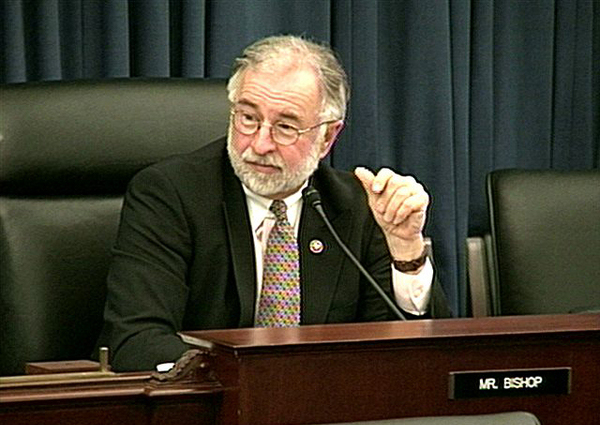
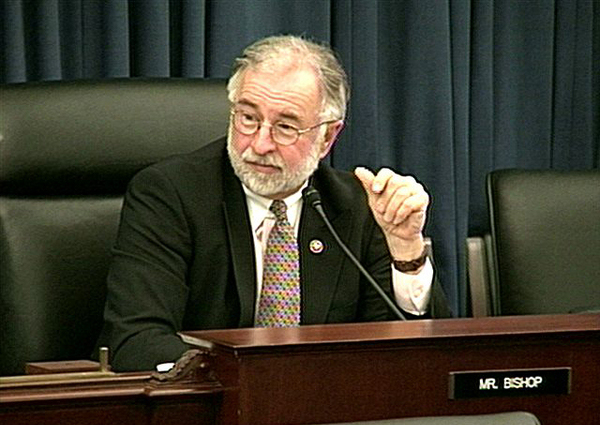
At the top of many of those lists is the 1st Congressional District of New York, held by U.S. Representative Tim Bishop of Southampton.
That’s not news to Mr. Bishop.
Since winning his seat from one-term Republican Congressman Felix Grucci in 2002, Mr. Bishop has not faced a formidable challenge. But with Republicans desperate to chip away at the Democrats’ broad majorities in the Senate and House of Representatives, and smelling blood from the tumultuous health care debate, Mr. Bishop says he knew he would be in the sights of the national party bosses.
“I knew they were coming after me long before the Massachusetts race,” Mr. Bishop said this week. “They have formulas that they look at. They look at our voter registration and see 35,000 more Republicans than Democrats in this district. They look for districts that were carried by President Bush in 2004 that are represented by a Democrat, and they look for districts where President Obama performed below national or state averages in 2008.” President Obama captured 63 percent of the popular vote statewide in 2008, but in the 1st District he won just 52 percent of the vote, according to a tally by the website Swing State Project.
Mr. Bishop added, “Yes, I’m on their radar.”
Girding himself for the coming fight against a still unknown challenger, the former Southampton College provost says he plans to approach the race with a simple mission: do his job. Last weekend Mr. Bishop had meetings with individual constituents scheduled every 10 minutes throughout the afternoons. He is championing legislation and policies that hit home, like steering federal disaster funding to coastal communities damaged by the fall storms and lobbying his peers for health reforms that could save New York $5 billion in Medicaid bills.
“I’m going to work as hard as I can to stay connected to all of my constituents,” he said. “And I’m confident that if I do my job as well as I can, the people of the First Congressional District will continue to support me as they have in the past.”
With the first real campaign skirmishes still likely months away, Mr. Bishop fired a warning shot of sorts this week in the form of letter to Speaker of the House Nancy Pelosi demanding that the House not adopt some key provisions of the Senate health care bill when the two houses of Congress begin conferencing to merge their respective legislation. Certain provisions, namely the tax on so-called “Cadillac” health insurance packages, will unfairly hit many Long Islanders, Mr. Bishop said, and others, like changes to the Medicaid reimbursement system could cost New Yorkers, as a whole, billions.
The Senate bill’s provisions on Medicaid reimbursement would actually make fewer New Yorkers eligible for reimbursement from the federal program, and could cost the state an estimated $1 billion in additional coverage. Whereas the House bill’s more liberal Medicaid qualifications would mean the state would be eligible for as much as $4 billion in Medicaid reimbursements from the program.
“That’s a $5 billion swing,” Mr. Bishop said. “I could not, in good conscience, vote for that.”
That the Republican Party would like to unseat him and will throw whatever resources it can into the effort to do so, is clear. What that will actually mean for the Republican challenger remains to be seen. Nationally, the Republican campaign committee is hamstrung somewhat by anemic fund-raising while they face a national Democratic juggernaut feeding off the unparalleled fund-raising bounty created by the Obama presidential campaign.
According to reports from national political news outlets this week, the National Republican Congressional Committee, a key funding source for Republican campaign financing, currently has barely more than half the cash on hand that their Democratic counterparts do.
“It remains to be seen what they can bring to the table in terms of resources,” Mr. Bishop said of the national support the Republican candidate can expect to get. “Clearly they’re trying to expand the field, as the Democrats did in 2006. But the national GOP has a serious resource deficit compared the national Democratic campaign.”
His growing seniority and involvement in key issues, the congressman said during a phone interview on Monday, makes him an important member of the Democratic caucus in the House and he expects to get strong support from the national campaign coffers as well.
While campaign funding will certainly play a large role in his and other races this fall, Mr. Bishop echoes what many political pundits have already trumpeted from the mountaintops: that jobs and the economy will be key factors in the race. He points to a survey of 50 top economists by USA Today this week that said consensus is that the stimulus package pushed through by Mr. Obama and the Democratic majorities likely saved the country from even greater depths of recession and steeper job losses.
In December 2009, the U.S. economy lost 85,000 jobs. But, the congressman noted, that’s a vast improvement over the 750,000 lost in the same month of 2008—the last month of the Bush presidency.
“Every job we lose is a tragedy—a tragedy for a family, for an individual—but losing 85,000 jobs is preferable to 750,000,” he said. “In the first quarter of 2009, the economy shrunk at 6.5 percent. In the third quarter, it grew 2.2 percent. That’s a 9-point swing attributable to the stimulus. Basically, what President Obama inherited was an economy in free fall, and we began the long climb back up.
“We still have a long way to go, and I’m determined to dedicate the lion’s share of my time in Washington this spring to public policy that will create jobs.”


 on Jan 26, 2010