


 1 Video & 14 Photos
Express Sessions: Can the Winter Be Brisk for Businesses in East Hampton?
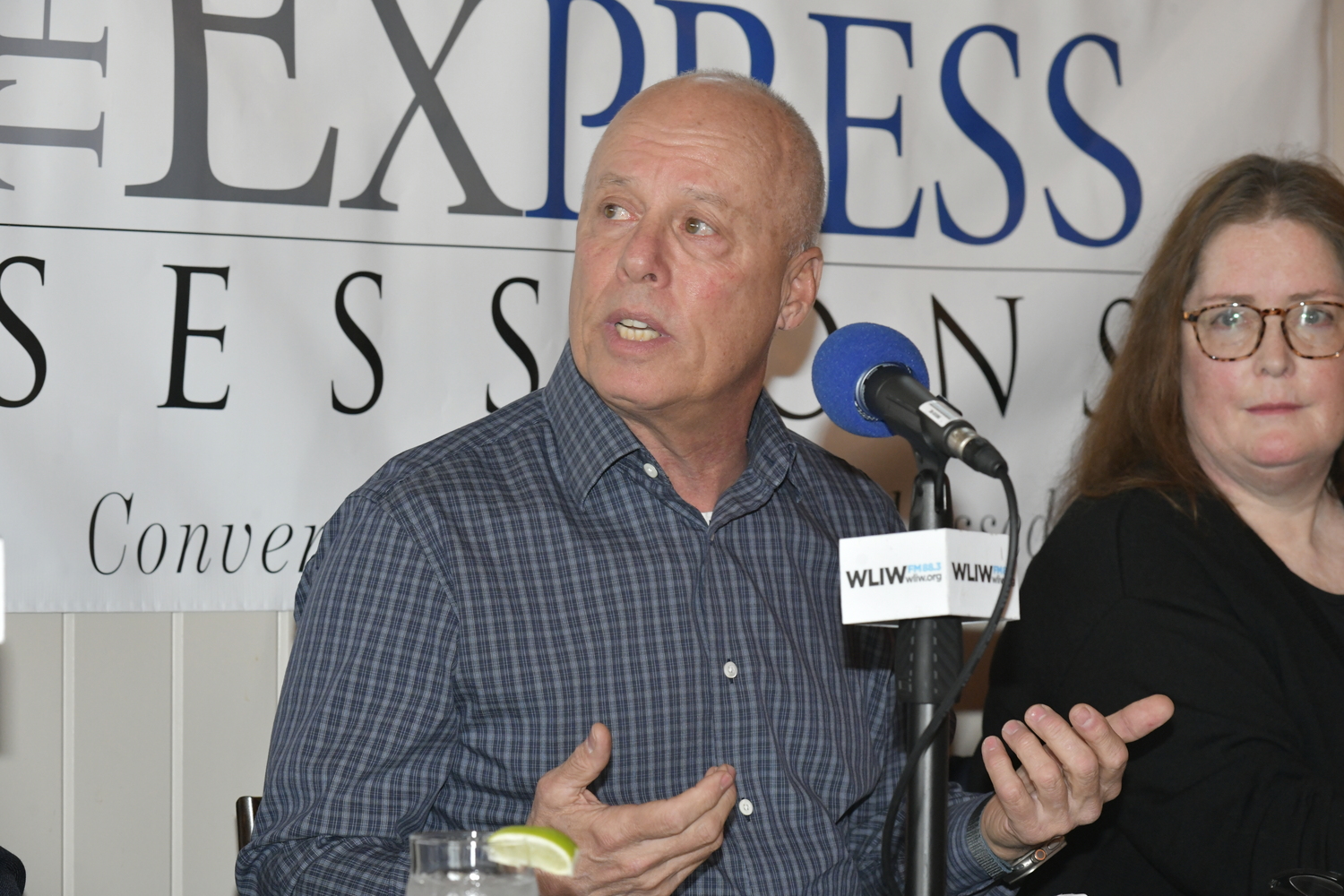
Mark Smith, owner of Honest Man Restaurant Group, on the Session panel. DANA SHAW
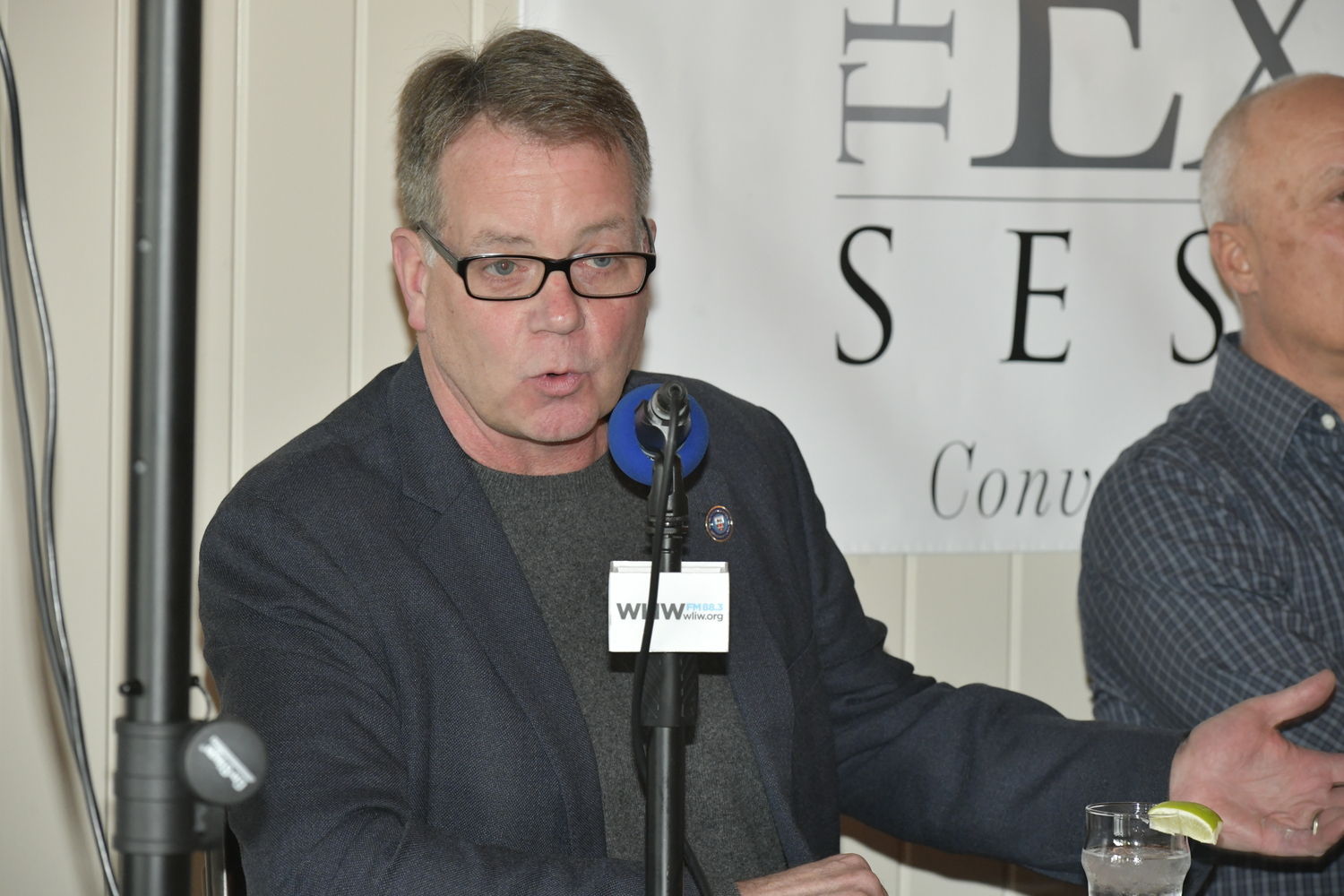
Session panelist East Hampton Village Mayor Jerry Larsen. DANA SHAW
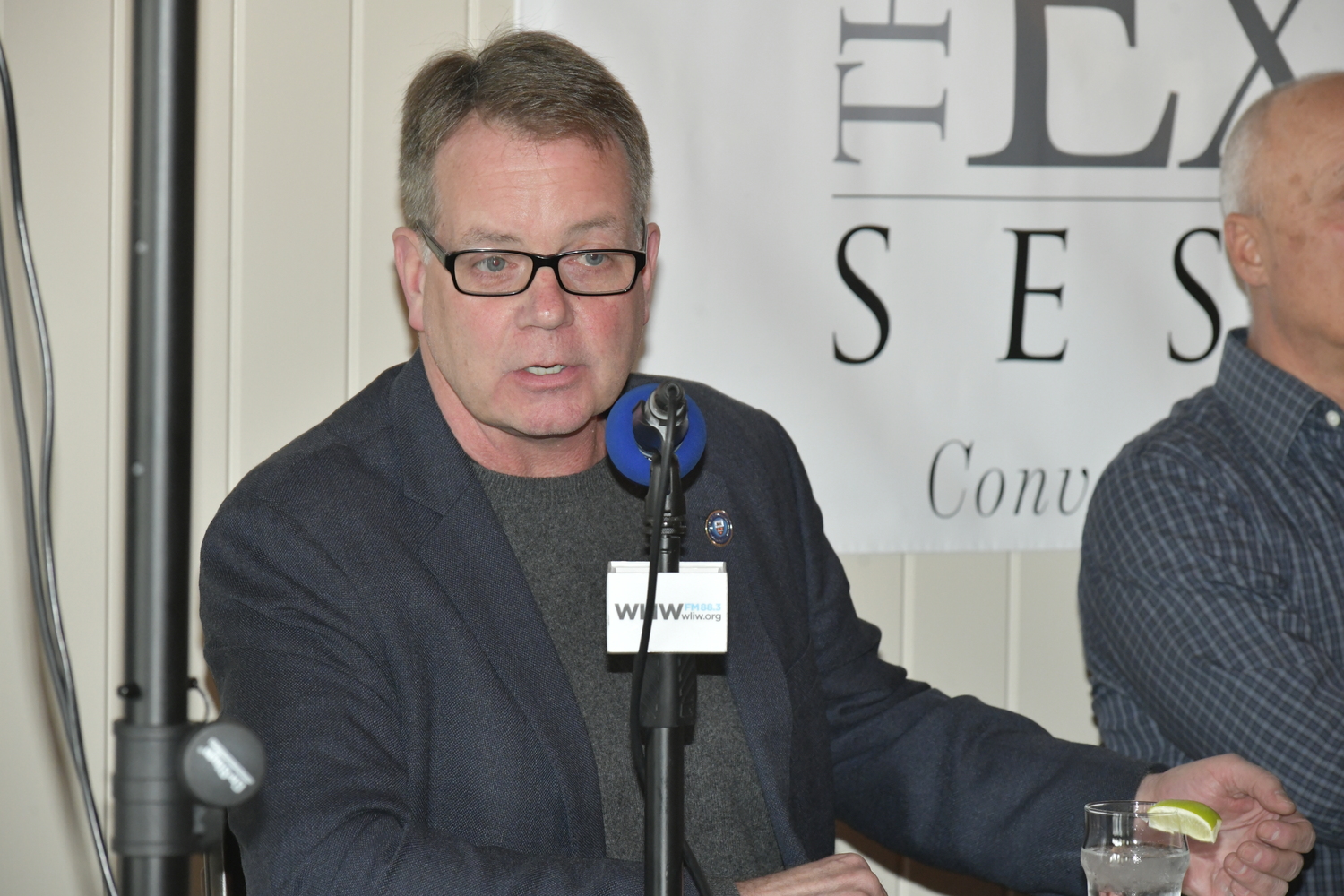
East Hampton Village Mayor Jerry Larsen. DANA SHAW
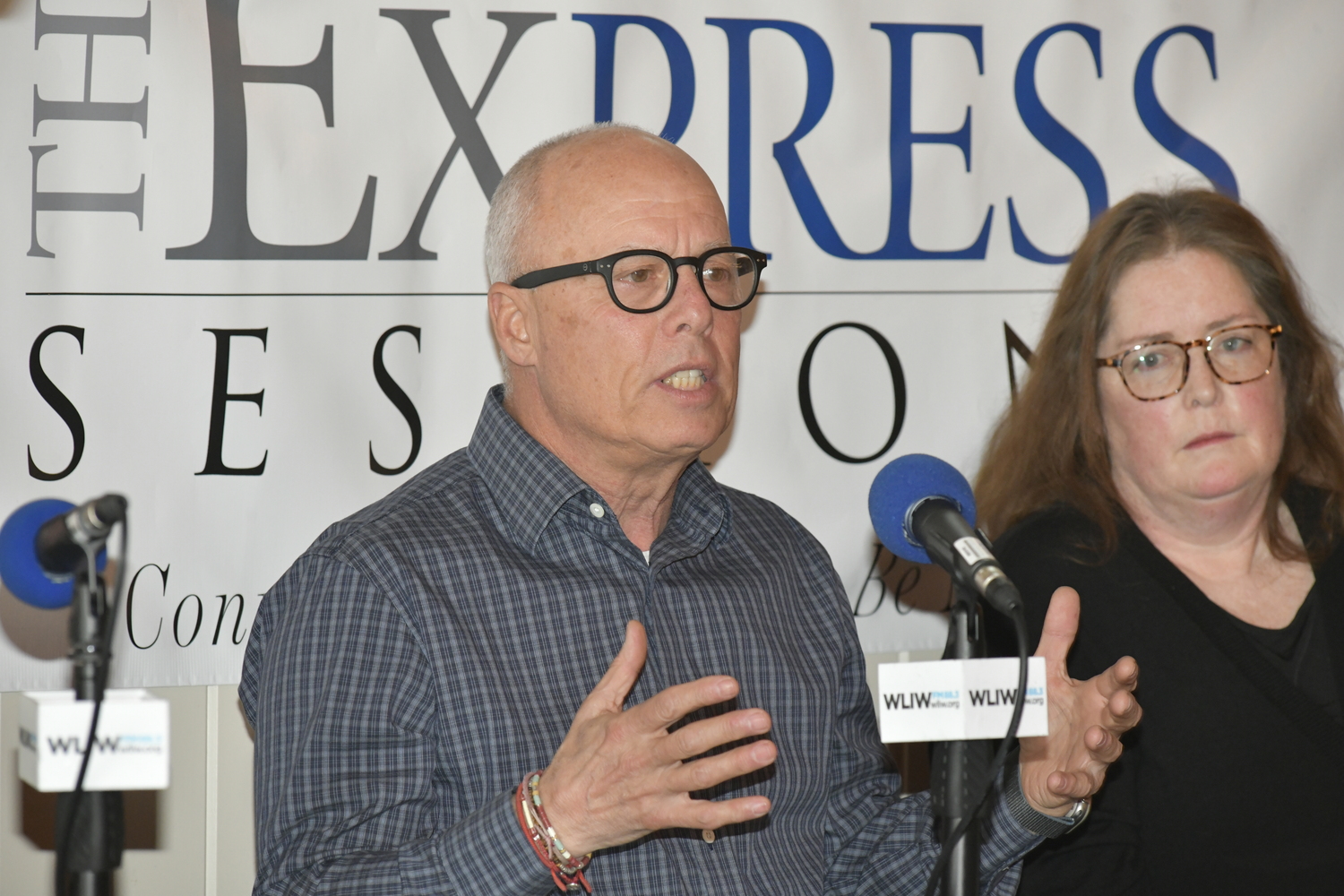
Mark Smith, owner of Honest Man Restaurant Group, on the Session panel. DANA SHAW
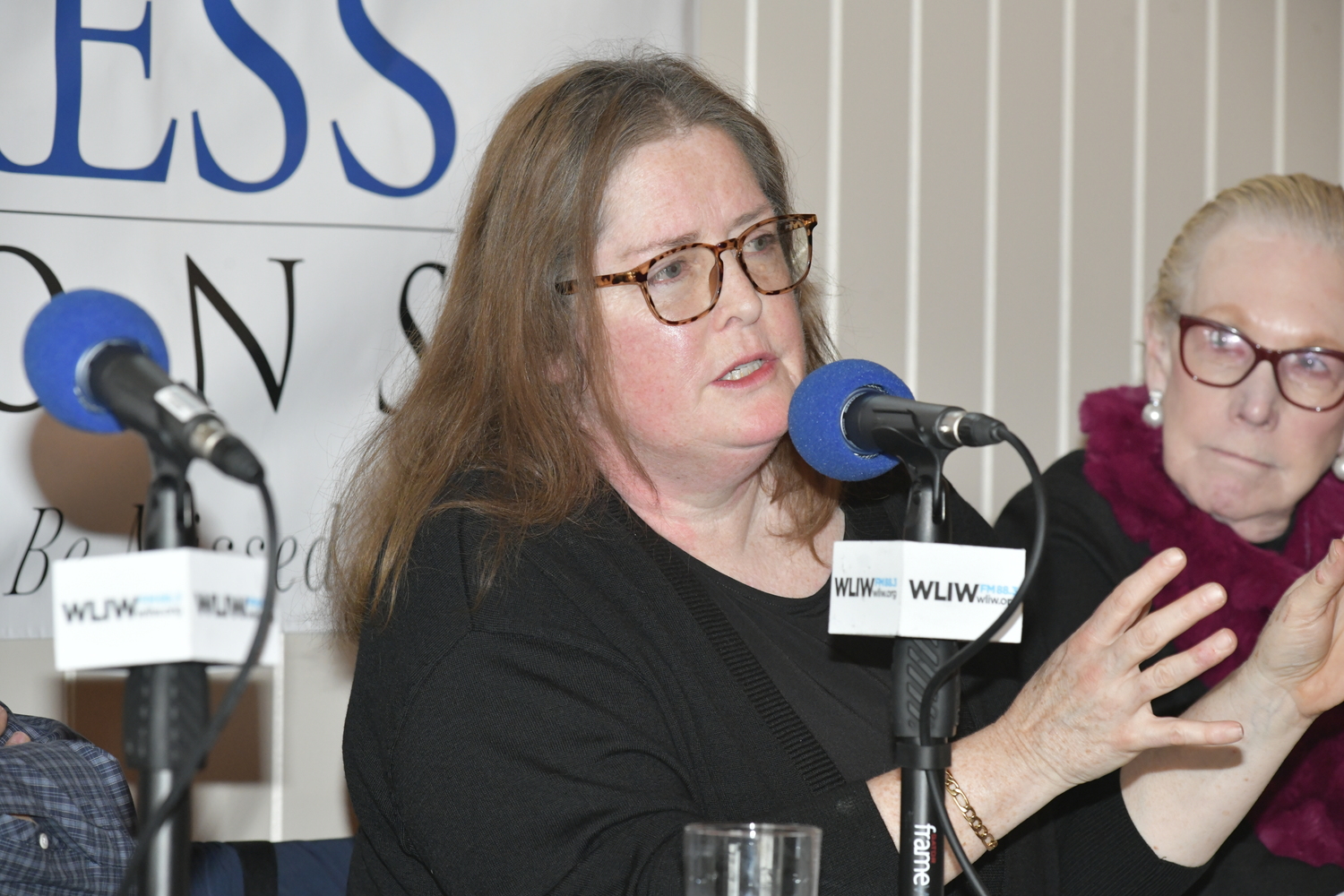
Founder and board member of The Anchor Society Bess Rattray. DANA SHAW
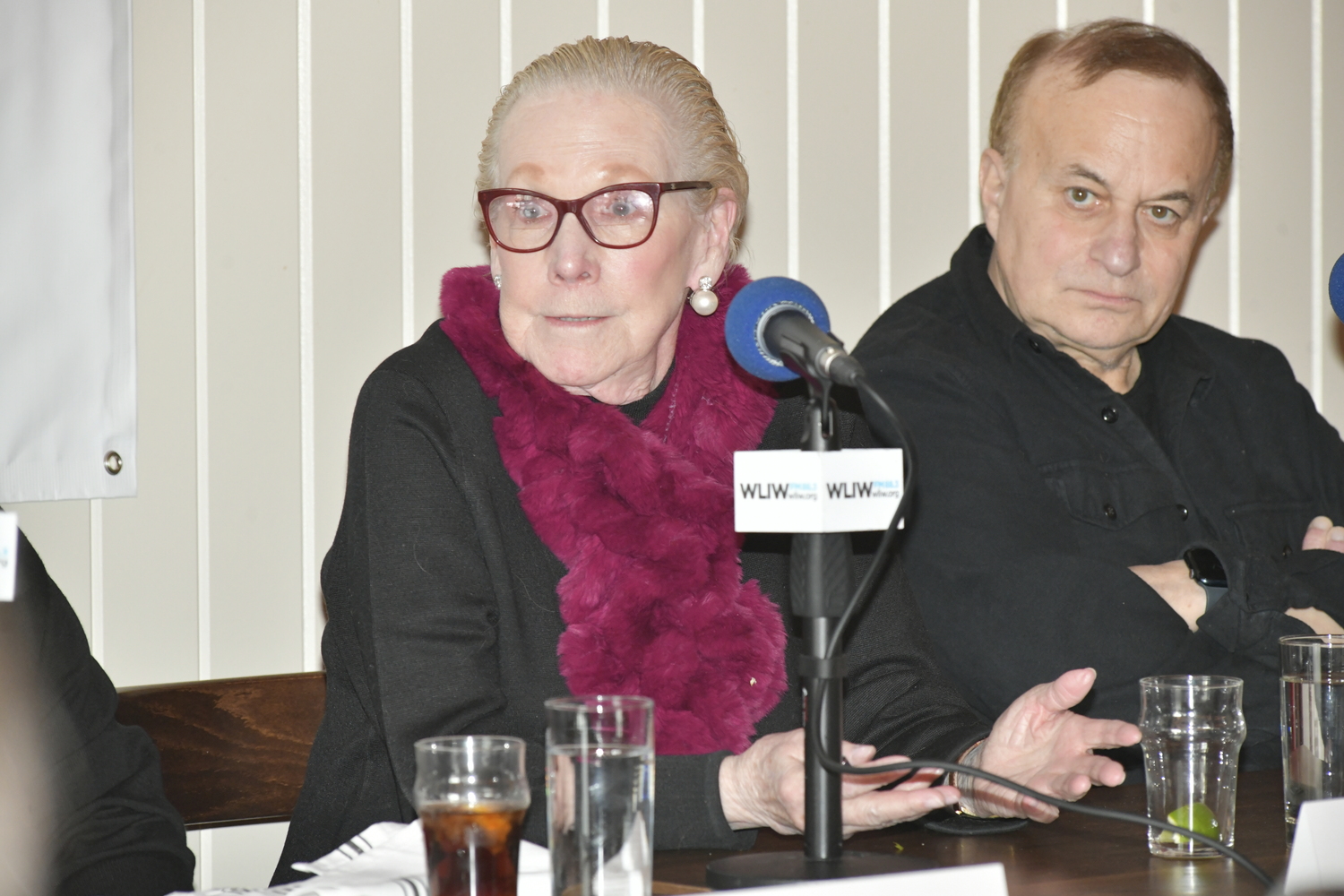
Panelist Valerie Smith owner of The Monogram Shop. DANA SHAW

Director, Commercial Real Estate, Compass Hamptons, Hal Zwick. DANA SHAW

Panelist Valerie Smith owner of The Monogram Shop. DANA SHAW

Adam Miller poses a question. DANA SHAW
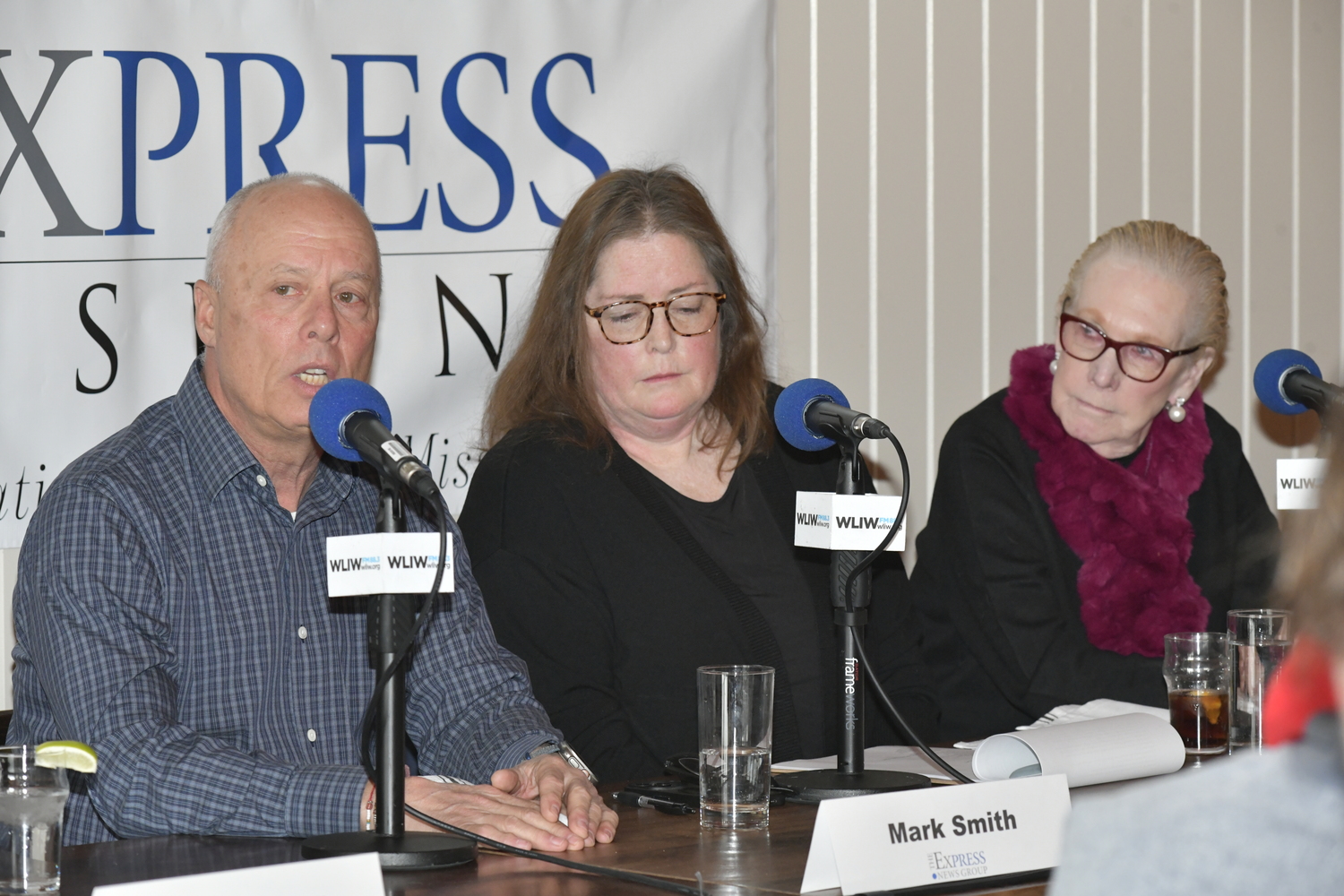
Panelists Mark Smith, Bess Rattray and Valerie Smith. DANA SHAW
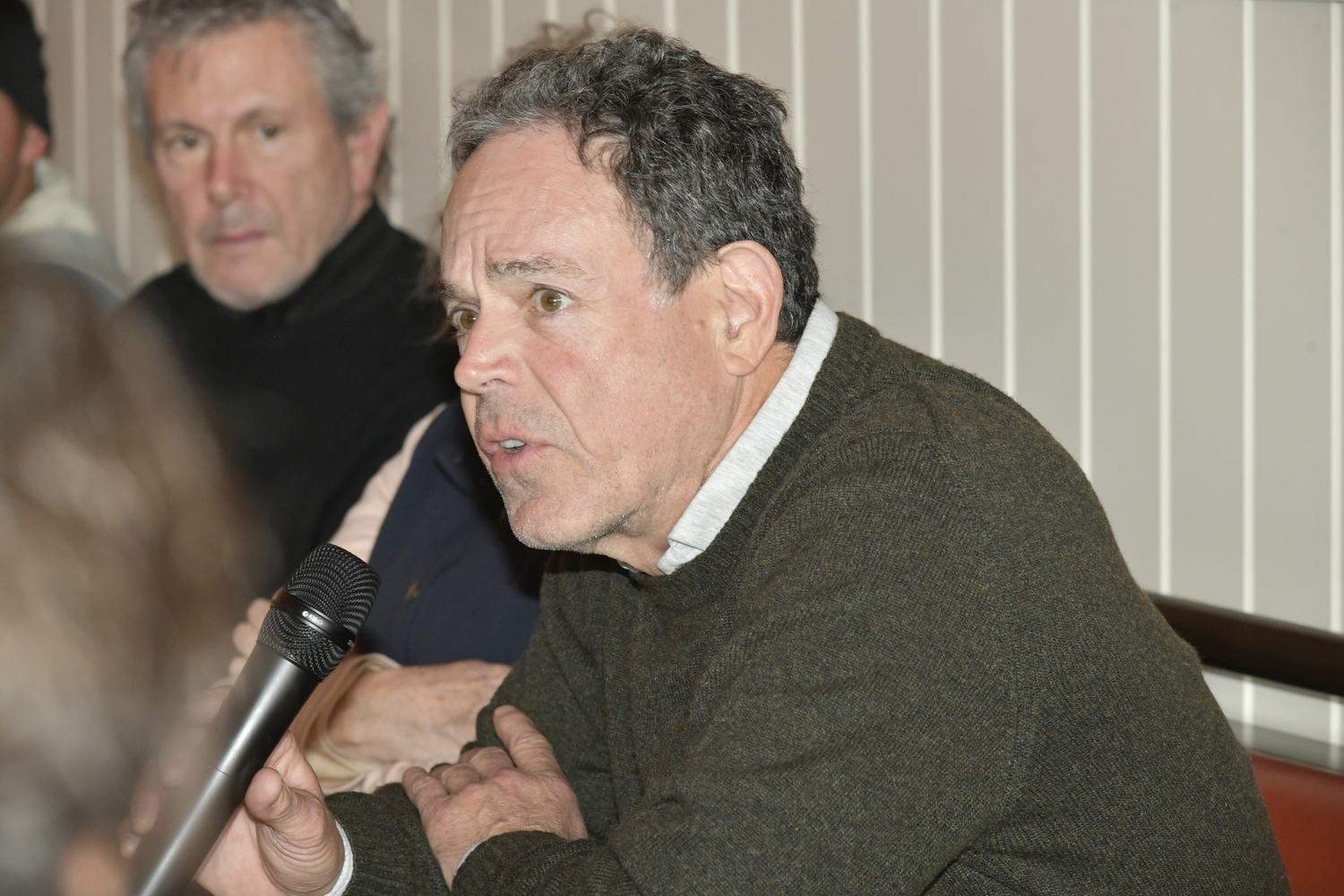
Audience member Robert Rattenni.

Audience member Ben Buckhout asks a question. DANA SHAW

Lidia Karras, President of Synchronicity Swim/ SHAN in East Hampton. DANA SHAW

The panel at at Rowdy Hall in Amagansett for the February 1 Express Session, "Can the Winter Be Brisk for Businesses in East Hampton?" DANA SHAW
Business and community leaders last week explored how East Hampton Village’s downtown business district might revitalize its offseason, the challenges it faces in doing so, and how the once bustling downtown fell so quiet in the first place outside the summer crush.
The changing face of the downtown business and real estate landscape over the last 20 years has left the village stuck in a rut of offseason closures, islands of activity separated by quiet sidewalks, all agreed, and how that can trend can be reversed in the face of rents that have soared beyond the reach of small-business owners is a complicated one.
Ideas for bringing people back to the downtown are there, but nearly all face substantial hurdles of red tape, or greenbacks.
More restaurants and cafes are a universally accepted goal — one that has long been seen as a key to driving foot traffic into downtown areas.
But creating new “wet uses,” as such businesses are called, is impossible in the village right now because of Suffolk County Department of Health limitations on septic flow. The village has been trying to find a way to install a sewer system but has hit roadblock after roadblock, Mayor Jerry Larsen told the crowd gathered at Rowdy Hall in Amagansett for the February 1 Express Sessions luncheon discussion.
“We’ve explored every avenue in the village to put a sewer plant, and we struck out on every single idea,” said the mayor, who had made marshaling the long-flagging effort to design a sewer system a marquee issue of his campaign for office in 2020. “One idea we had was to put it under the long-term parking lot … but it took a year and a half, and then the state denied it.”
The mayor said the village’s last option is to put the treatment system at a village-owned public works yard off Accabonac Road, which will require town zoning approvals.
The estimated $45 million cost is daunting as well, he said, but many in the room encouraged him to keep advancing the ball.
“The sewer can’t be a dead issue — it’s something we just can’t give up on as a community,” said Adam Miller, from the audience.
East Hampton Town Councilman David Lys, who was also in the audience for the event, said the town would definitely work with the village on the hurdles approval of a treatment system would require.
“There will be some tough conversations, but we’ll continue to look at that, just like we did with Sag Harbor for the expansion of their sewer last year — which, many people don’t even know is there, and it’s right in the middle of downtown,” Lys said.
The village has found something of a work-around to the septic roadblock to new restaurants by helping some shops be converted into very small restaurants, with only 16 seats or less, which allows them to operate with just an individual septic system. Two such businesses have opened in the last year — Tutto Caffe and Kumiso — both of which are being allowed to upgrade their individual septic systems by installing new systems beneath the village-owned West Main Street in the Ruertershan lot.
Robert Rattenni, who owns the building that Tutto Caffe opened in last winter, said that just that one new destination has boosted foot traffic to his other tenants’ stores.
“It has drawn more people to the village than what used to be there and positively affected the other stores on that walkway — I get feedback from my tenants all the time,” he said of the small cafe on one of the alleyways that leads from Main Street to the Reutershan lot. “Every little bit helps.”
Larsen said that the village has sought to help businesses in every way possible and that allowing Tutto and Kumiso — owned by the group that operates the uber-popular Sen restaurant in Sag Harbor — to put new septics on village property was an accommodation that the village is exploring with other property owners now as well.
“The ongoing enthusiasm for more restaurants is what’s going to make a difference,” said Valerie Smith, owner of the Monogram Shop in the village. “I look forward to the day when there are fluttering cafe awnings on Main Street and people are sitting outside having a kir royal. It’s going to be great.”
Bess Rattray, the founder of a local group that has been surveying village businesses, noted that Sag Harbor has often been held up as the ideal model for the sort of vibrant downtown other villages aspire to, and that the number of restaurants, ice cream shops and food stores is often cited as the main driver.
But, she noted, East Hampton Village’s core actually has more food-related businesses than Sag Harbor’s. The main difference is that East Hampton’s are more spread out and not focused on Main Street — which has the additional challenge of being bisected by the main regional thoroughfare of Montauk Highway.
“It’s not that East Hampton is lacking food service, it’s just that it doesn’t have them right on Main Street,” Rattray said.
Her group, which is working to create “pop-up” opportunities for small local businesses using retail storefronts in the village that are shuttered by their primary tenant in the winter, has encouraged grab-and-go food stores, which don’t have kitchens and don’t require septic upgrades.
So much of the problems with the village’s “feel,” she said, is related to the influx of major fashion labels that have moved into storefronts and pay huge rents but are not the sort of shops that local residents shop in even if they stay open through the winter and do not present the same unique feel of a small downtown populated by local businesses.
“Part of the problem with having a lot of international and national brands isn’t that they aren’t welcoming, it’s that it has a generic feeling, you can get that anywhere,” she said. “It has to look right.”
The group she founded two years ago, the Anchor Society, has been exploring ways to help return small businesses to the downtown. The pop-up idea is one, but she also suggested that tactics other resort areas have employed — possibly creating, or purchasing, easements on certain storefronts to preserve their current use, much like the towns have done to preserve farmland and open space.
“Imagine if the hardware store left,” she said.
Another major handicap has been the decline of the movie theater as a community-wide draw to the downtown — something that has been universal across the region since the pandemic.
The Sessions event itself was held at Rowdy Hall in Amagansett, which relocated this fall from the village, it’s owners citing among the factors in their decision to move being the decline in draw the village once presented — largely because the movie theater is not a social hub of the community that it was even just five years ago.
Some suggested that the theater’s current tenant, Regal, must be considering giving up its lease of the multiplex and wondered what other use it could be put to that might revive interest in the era of streaming and home theaters.
“Unless it’s ‘Barbie’ or ‘Oppenheimer’ there, nobody is going to Regal,” said Kirby Marcantonio, one of the audience members. “I don’t know how long they will hold out. But that is a space that offers more square footage than anything else in the village that could be reconfigured into any number of retail opportunities.”
Guild Hall Chief Creative Officer Amy Kirwin said that she would love for the renowned arts center to someday have a chance to take over the theater.
“That’s a big dream of mine: Guild Hall on Main,” she said, acknowledging that Guild Hall, which is nearing completion on a multimillion-dollar renovation, is technically already on Main Street, but far from the downtown core and therefore does not have the same impact on foot traffic its often packed events otherwise might.
The revitalization of the downtown is going to require a yearslong, multi-faceted approach by a wide-ranging coalition and creative thinking to create a new kind of downtown that accepts the realities of what the village landscape has become.
“We were once a year-round community, but it’s not about going back to the past — that is never going to happen,” Rattray said. “But if other communities can have a voice and help steer it, of course we can, too.”


 Michael Wright on Feb 7, 2024