


 1 Photo
????????????????????????????????????
Six non-profits have lined up to ask for funds from a $117,000 federal Community Development Block Grant that East Hampton Town expects to receive next year.
Neil Hausig, chairman of the board of the Whalebone Village affordable apartments in East Hampton, asked for $48,000 to renovate kitchens and bathroom cabinets in eight apartments. The apartments were built “extremely poorly” 22 years ago, he said, and the board has been trying to rebuild them piece by piece. Thirty apartments have been partially renovated over the last five years and there are 16 more to go.
“Basically, what we’ve been doing is rebuilding the entire project from scratch,” he said at an East Hampton Town Board meeting last Thursday, November 3. About one third of the funds spent so far have come from the block grant, he said.
Minerva Perez, director of the Retreat’s domestic violence shelter, asked for $35,000 to $45,000 for a generator that could be used if the power goes out. The East Hampton shelter houses 150 women and children each year, she said, and had 18 residents, including 12 children, when Hurricane Irene struck. Ms. Perez said the lack of power made it difficult to access clean water to dress wounds, store food and cook. Alarm systems became unreliable, she added, and security cameras shut down.
Gerry Mooney, the manager of the Windmill Village senior housing development in East Hampton, asked for $44,000 to install solar panels in the Windmill I and II complexes. He said the 47-unit development received a $22,000 from Green Logic, a renewable energy company, and a matching grant from the Long Island Power Authority, to install some solar panels in Windmill II this summer, and it resulted in electric bills dropping from $1,200 to $600. Additional solar panels in that complex will take it completely “off the grid,” he said. He also said he plans to have solar panels installed at Windmill I.
Prudence Carabine, who was representing Maureen’s Haven, asked for $10,000 to offset the costs of transporting homeless people to East End houses of worship during the winter. The organization coordinates a network of 15 houses of worship and 20 supporting congregations to provide shelter and food, and has seen its burden grow during the economic downturn. Ms. Carabine said the organization made 5,256 beds last year.
Maureen Murphy, the executive director of the East Hampton Housing Authority, asked for $50,000 to install new windows at the Accabonac Apartments, an affordable housing complex in East Hampton. She said the installation of new sliding glass doors two years ago saved $4,000 per year in oil bills.
East Hampton Town Director of Housing Tom Ruhle said Project Most, an after-school program, also submitted a written request for scholarship funds for families who can’t afford to pay. The organization did not specify an amount, he said. Funds for public service, as opposed to capital improvements, can make up only 15 percent of the grant.
The Town Board will have to determine how to divvy up the grant. Mr. Ruhle said the town has received between $101,000 and $138,000 per year over the last 10 years.
Since the economic downturn struck, Mr. Ruhle said the organizations have generally not asked for funds to expand, but have sought help maintaining their operations as demand has grown. Some organizations have also been seeking funds for improvements that will drive down operating costs, as in the cases of Windmill Village and Accabonac Apartments, he said.
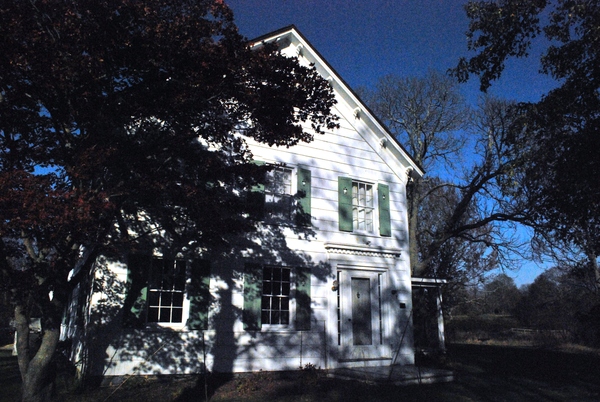
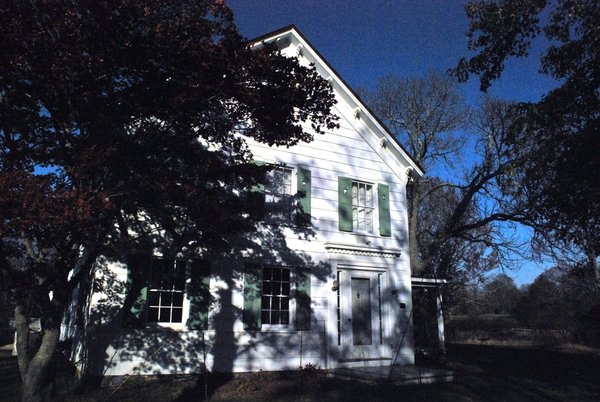
Ms. Carabine has pitched an idea to turn the Stephen Sherrill House on North Main Street in East Hampton Village into a “historical institute” where residents and visitors can study East Hampton Town’s past.
Ms. Carabine said that she could trace her roots back to William the Conqueror, but said that some people are losing their grip on local history.
“We live in times now where people like me are really an anomaly,” she said. “We live in a town with so much history that those of us who are coming to this place for the first time now, or some of us who have been raising our kids here, now don’t really understand the full story of what East Hampton was all about.”
Ms. Carabine said she proposed the idea to the Community Preservation Fund Advisory Board the prior Tuesday, and urged the Town Board to purchase the property, which she said dates back to the 1700s.
Mary Foster Morgan, who said she owns the property, supported the idea.
“The house was my grandfather’s great-grandfather’s house, and there still exists the deed from the Conklins to the Sherrills dated 1792 which used to be on the wall when my grandparents lived there,” she said. “We used to go and visit in the summer, and it’s a beautiful property. You could look out on the farm fields and it’s just so beautiful.”


 Will James on Nov 8, 2011