


 4 Photos
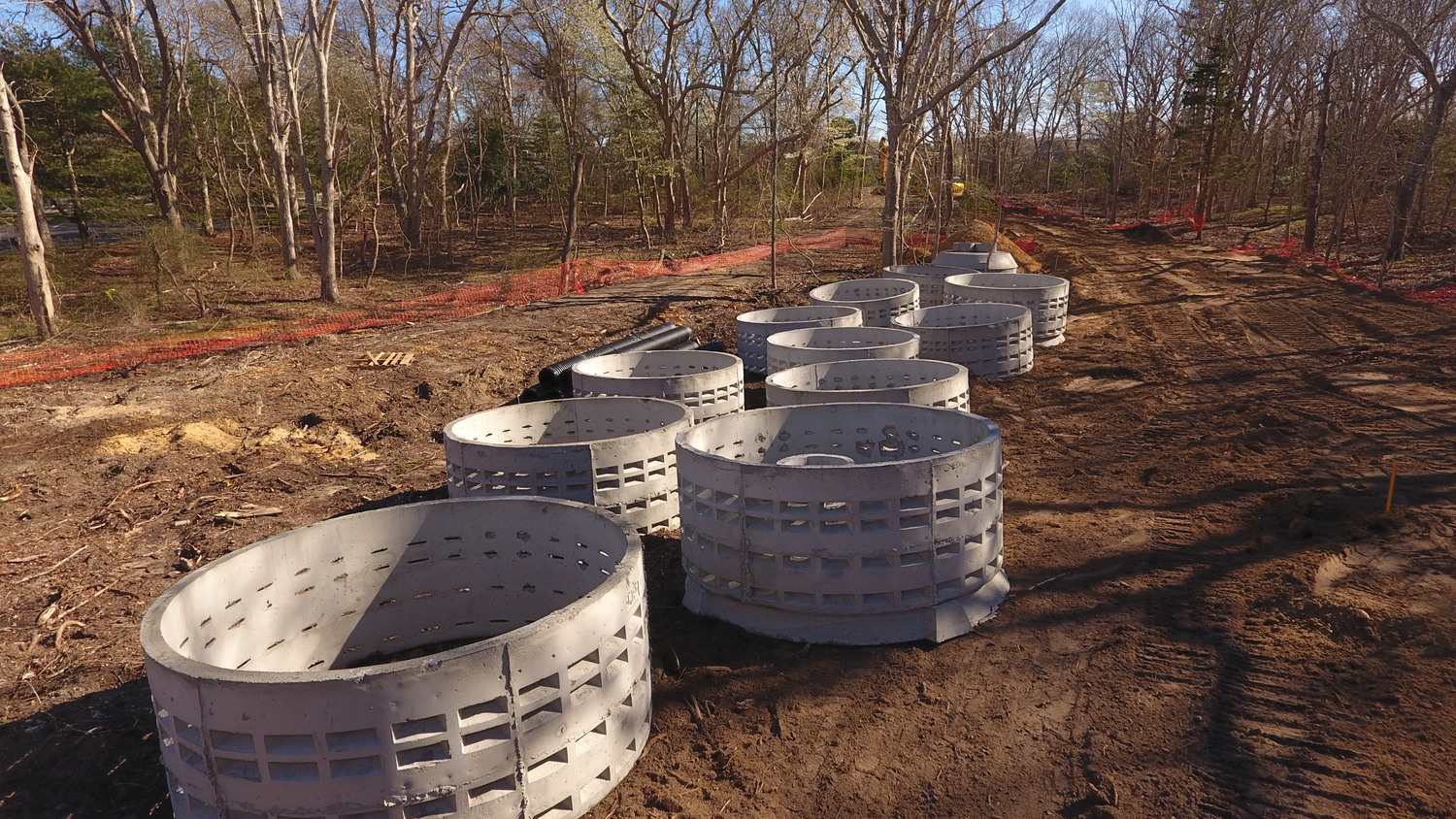
The town has begun clearing the land off Pantigo Road where 16 affordable homes will be built. The town hopes to award Community Housing Fund grants of $30,000 each to all 16 of the future homeowners to help with the downpayment on the loans they will take out for the construction of their house. MICHAEL WRIGHT
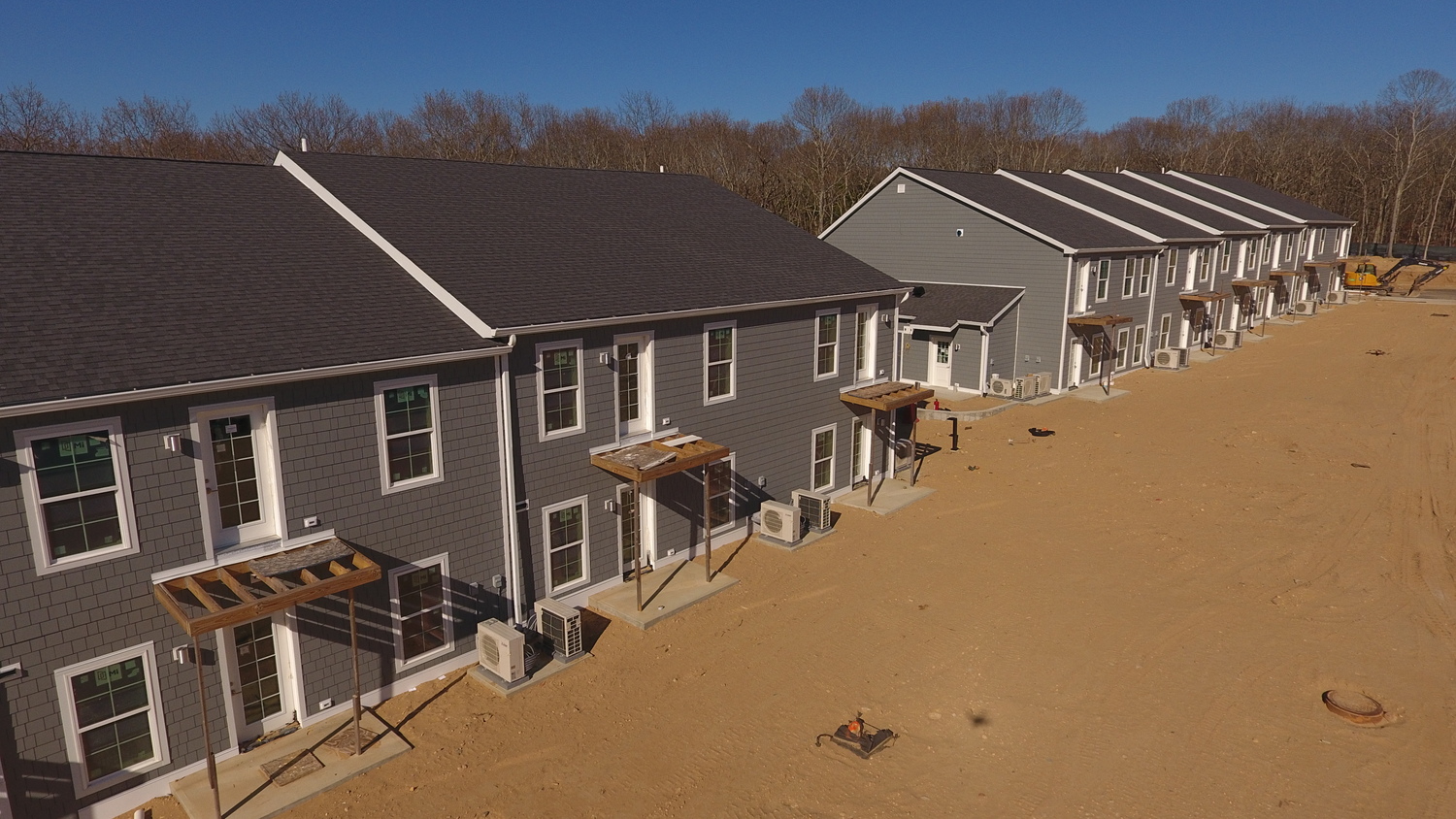
East Hampton Town's Community Housing Fund advisory board has said as much as $2.6 million could be maid available from the fund in 2024 to help kickstart new affordable housing projects like the one under construction on Three Mile Harbor Road. MICHAEL WRIGHT
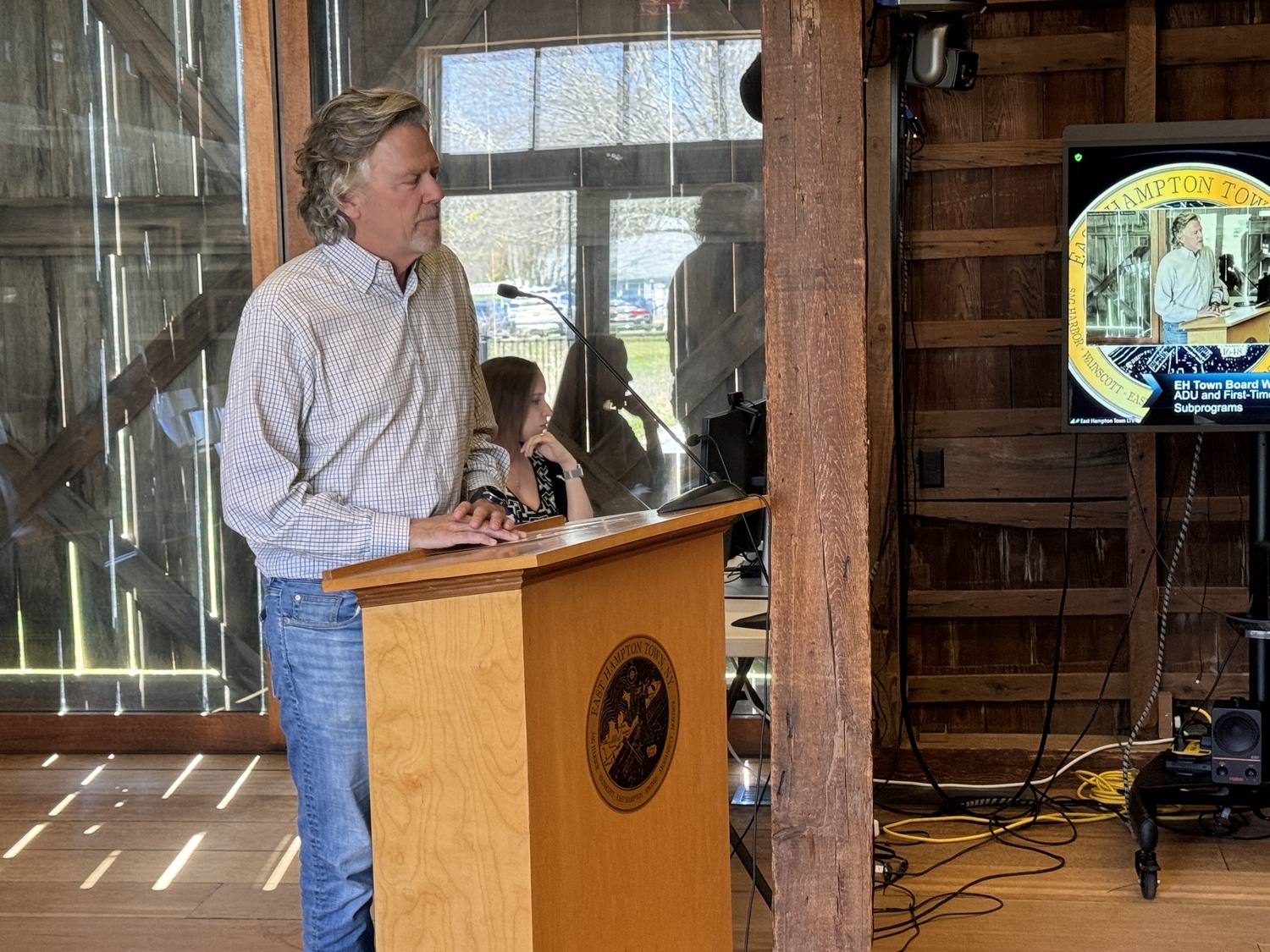
Peter Garvey is the president of the Community Housing Advisory Board, which is recommended that the town dedicate funds to helping first time home buyers with downpayment and longterm loans to homeowners who are willing to construct an affordable apartment on their property. MICHAEL WRIGHT
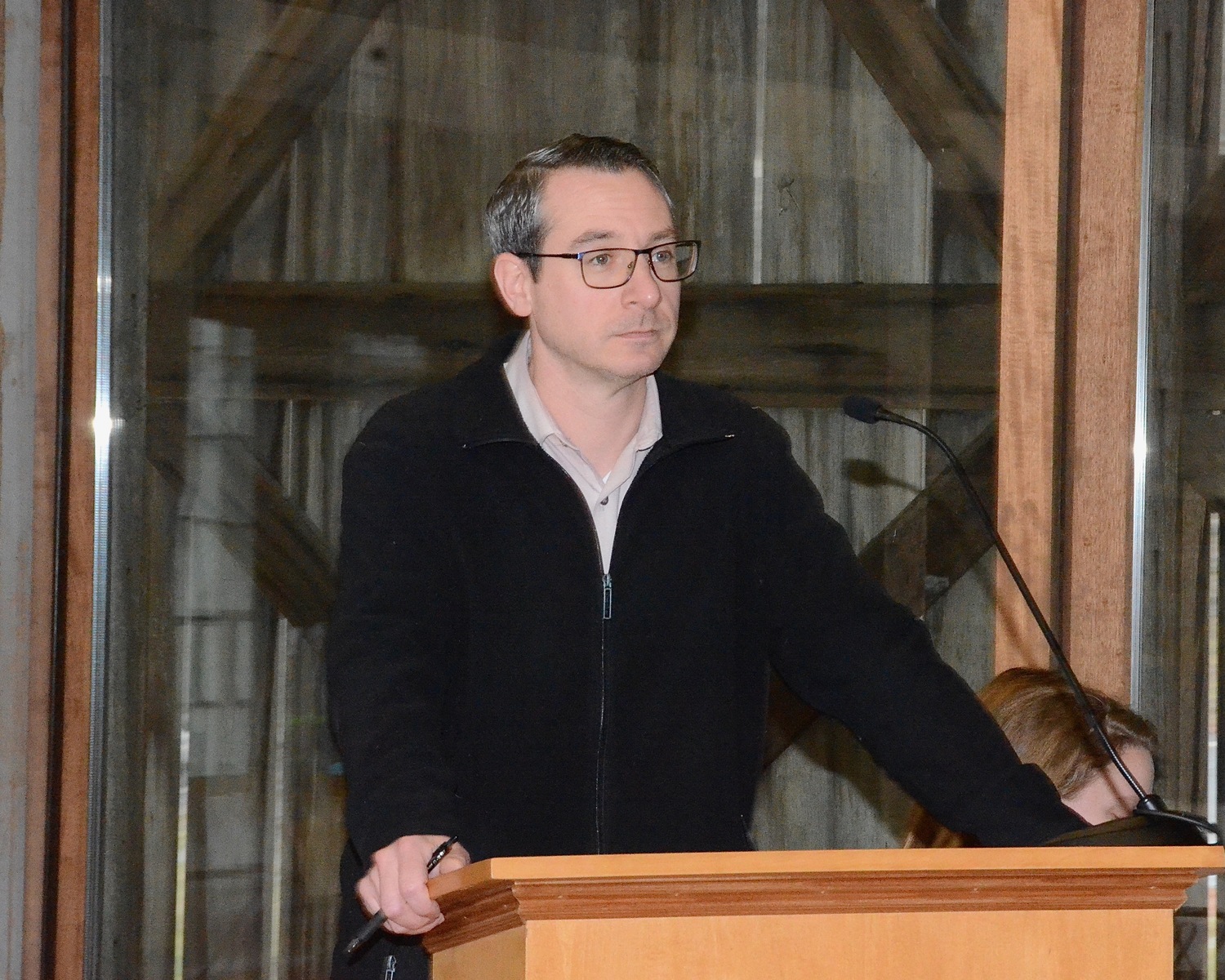
Housing Director Eric Schantz.
East Hampton Town plans to begin offering up to $30,000 in down payment assistance to first-time homebuyers this year and up to $100,000 in no-interest construction loans to homeowners who want to add an affordable accessory apartment to their property.
The town also plans to begin accepting applications in May for other affordable housing project proposals that could receive grant support from the town, including funding new affordable housing developments.
The grant programs are the first steps in the effort to boost housing for middle income residents using money from the Community Housing Fund, the dedicated housing fund created in 2022 and put into effect one year ago. The fund draws revenues from a half-percent tax on most local real estate sales.
One year into the program, East Hampton Town has $4.2 million on hand for the first round of grant funding.
An advisory committee has been working on East Hampton’s strategy for using the funds since shortly before the tax revenues started rolling in and presented the Town Board this week with its initial plans for how it thinks the money should be dispersed to greatest effect.
“The widespread impacts of lack of affordable community housing are increasingly evident and a variety of housing opportunities for community members across the economic spectrum is needed to maintain a healthy, sustainable community,” East Hampton Town Housing Director Eric Schantz said on Tuesday. “The fund will provide a significant, ongoing source of revenue for East Hampton Town to create housing for members of the community faced with a severe housing shortage and rising prices.”
Schantz and the Town Board said they hope to finalize the details of the grant programs and bring them to the public for comment in May or June, so that they can be in place by early summer.
Down payment assistance and funding for the construction of affordable accessory apartments have been talked about as immediately impactful options for local people in search of housing since before the tax was approved by East Hampton Town, Southampton Town, Southold and Shelter Island voters in November 2022.
The down payment grants would be available only to first-time homebuyers who are East Hampton Town residents or were in the last five years, or who currently work in the town and earn less than about $184,000 per year income for a single person or couple, and $215,000 for a family of three or four. The property to be purchased may not cost more than $1.6 million.
The committee acknowledged that since there are few homes on the market in the town for less than $1 million, the down payment assistance would likely only be used by people purchasing already below-market homes through other town affordable housing programs — since a moderate income individual or family would not be able to afford the monthly carrying costs of a mortgage on a home over $1 million, regardless of the down payment assistance.
Schantz said the committee hopes that all the future buyers of the 16 subsidized homes the town will be awarding later this year at the Cantwell Court property on Pantigo Road will apply for and receive the down payment assistance. There are also homes in previous town affordable developments that the town buys back when it can and resells at reduced rates. The down payment grants, the housing director said, could close a crucial gap in capital for three families who are already in line to buy affordable homes the town will be reselling.
The down payment loans would be zero-interest loans under the grants proposed by the committee, only due to be repaid upon the eventual sale of the house and could be combined with New York State Mortgage Agency loans of up to $15,000.
The details of how the actual grant requirements will be crafted are still being worked out, and Town Board members on Tuesday debated whether the amount due to be paid back upon the sale of a home should be tied to appreciation in the value of the home over time or not.
Some board members felt that the amount owed should appreciate as a percentage of the sale price, so that the housing fund is replenished on par with the rise in housing costs over the time the homeowner benefited from the loan. Others felt that the town should not be seeking to recoup additional funds down the road, since the benefit to the town from the use of the money was realized in keeping a local family local.
“The value we get from keeping our community here is priceless,” Councilman David Lys said. “I don’t want the town to be a bank. The value of keeping families here that go into volunteerism, emergency management, town government, whatever it may be … that is what we get back.”
Supervisor Kathee Burke-Gonzalez and Councilwoman Cate Rogers said they were hesitant about trying recoup more than the original loan amount.
“We did it as a percentage, because we wanted to provide for some replenishment of the fund,” Schantz said. “It’s totally your prerogative. We can simplify it.”
“For me, the community housing fund is based on sales of market homes, so that is the replenishment,” Councilwoman Cate Rogers said.
Schantz said that the housing department hopes the construction assistance grants will finally spur the creation of new affordable accessory apartments that have long been seen as a ripe opportunity to create new affordable housing units and help local homeowners with their own housing costs.
The town began allowing homeowners to create legal accessory apartments in their homes, above detached garages or in new accessory structures several years ago, but has seen only a smattering created — primarily to create living quarters for a family member. The town has tinkered with the rules — reducing the size of a property eligible and easing restrictions on size and what structures can host an apartment — but has seen little movement.
One interested property owner told the Town Board in 2022 that the financial mathematics of the proposal do not work for most homeowners, who would need to create a new living space from scratch — an expensive undertaking, no matter the circumstances — and are limited in what can be charged for rent under the affordable apartment allowance to recoup their investment. The limited rents left very little financial incentive to open one’s property to strangers.
The maximum rent that can be charged using the town’s fair market formula would be about $2,200 for a studio, $2,700 for a one-bedroom and $3,200 for a two-bedroom unit.
Like the recipients of the down payment grants, the tenant for a unit built with town assistance would have to be a year-round East Hampton resident or recent resident who works in the town and earns no more than the 130-percent of the regional median income — or about $140,000 for an individual and up to $200,000 for a family of four.
The loan would also be zero interest and after 10 years of maintaining the rental unit, the loan amount owed would be halved, the remainder only due back to the town if the owner ceased renting the accessory apartment or the house was sold. If an accessory apartment were abandoned, it would have to be returned to nonlivable space and the loan paid back to the town.
Schantz said the committee hopes that the loan program will draw 10 qualified applicants in 2024 and recommended the town set aside $1 million from the CHF reserves for the program.
The remainder, and the bulk of the revenues, the committee recommended be reserved for town-led affordable housing work — like purchasing and rehabilitating existing homes, buying land or buildings to create new affordable housing projects, funding the construction of town affordable housing projects and providing housing counseling to residents. The town is also welcoming proposals from the private sector, for employee housing for local businesses and partnerships with public agencies in the development of new housing projects.
All proposals will be reviewed and scored by the advisory committee — known as the Community Housing Advisory Board — and awarded on the basis of its efficiency and effectiveness in generating new affordable housing units, much like the town Water Quality Advisory Committee does with water quality improvement projects seeking grant funding from the town’s Community Preservation Fund.
With the cost of housing continuing to soar, rental units being in short supply in the era of Airbnb and the wave of home sales during the pandemic, the committee members have recognized that their programs are going to feel like a drop in the bucket at first.
“As a committee, we think the magnitude and size of the problem is a challenge and we also feel a sense of urgency given the time it’s going to take to build more units,” the committee’s president, Andrew Garvey, told Town Board members Tuesday. “We’re thankful to have the dollars that we have — $4.2 million seems like a lot of money in many ways, but when you look at the magnitude of the problem, it’s really a small amount. So we’re looking at getting the most bang for the buck. That’s a tension we feel every day.”


 Michael Wright on Apr 17, 2024