



 6 Photos

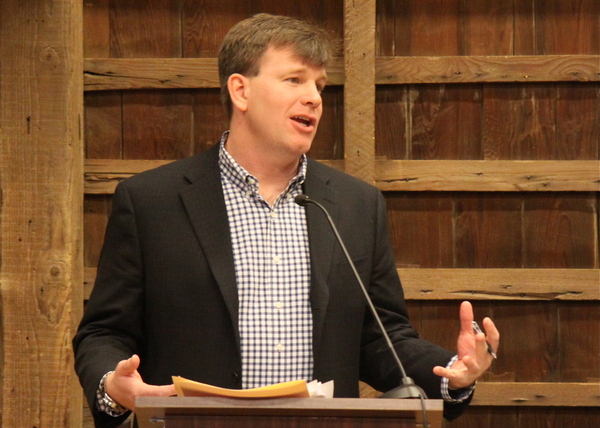



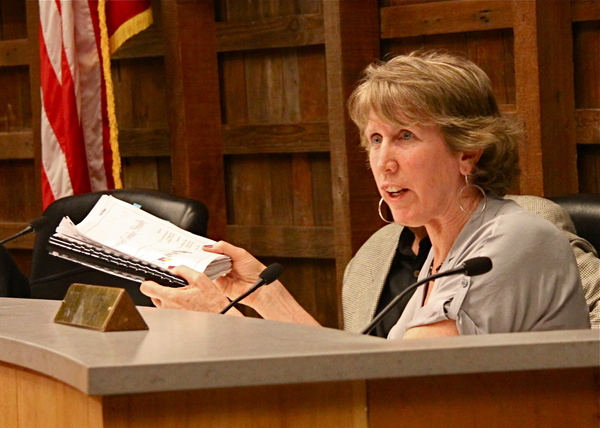
An East Hampton Town Board meeting last Thursday evening was dominated by a heated debate over the proposed rezoning of a historic Amagansett property.
The owner of the 155-year-old Jeremiah Baker house on Main Street asked the Town Board last year to rezone his home to allow him and his wife to refurbish and repair furniture and sell quilts there. At a public hearing on the request last week, critics called it a clear case of “spot zoning,” while the applicant and his attorney argued it was innocuous.
The Town Board listened to the arguments for one and a half hours, but did not vote on the request.
“It establishes a precedent and greases the slide of our beloved town into the typical undesirable and ugly state of most of the towns throughout Long Island,” said one critic, Helen Kuzmier, an Amagansett resident.
Paul Masi, who recently bought a lot adjacent to the Baker house with the intention of building a home there, said it would be unfair for the town to rezone the property. “My wife and I are completely distraught over this,” he said.
The owner of the Baker House, Tom Burke, said Mr. Masi is his only residential neighbor, and he was willing to create a buffer between the properties. He also said there is already a busy bus stop in front of his house, and said his business would have no negative impacts on the community. “I just want to try and make a living from my property,” he said.
Mr. Burke is asking the Town Board to add a “limited business” use to his property, which is zoned “residential.” The property had the designation until the town’s most recent Comprehensive Plan update in 2005, when it was removed, according to Councilman Pete Hammerle, to form a clean break between commercial and residential sections of Main Street.
Councilwoman Theresa Quigley said planners told her the change was based on recommendations from the Amagansett Corridor Study. But when she looked at the study, she said, she found that it recommended expanding limited business uses on residential properties.
Mr. Burke’s attorney, Andy Hammer, said that non-residential properties, including a church and a school, continue beyond the Baker house, and that limited business uses can help ensure the preservation of historic properties. “Our code recognizes that limited business uses are compatible with residential development,” he said.


 Will James on May 10, 2011