


 1 Photo
The East Hampton Historical Farm Museum will host a discussion on the disappearing Bonac language on September 15. CHRISTOPHER WALSH
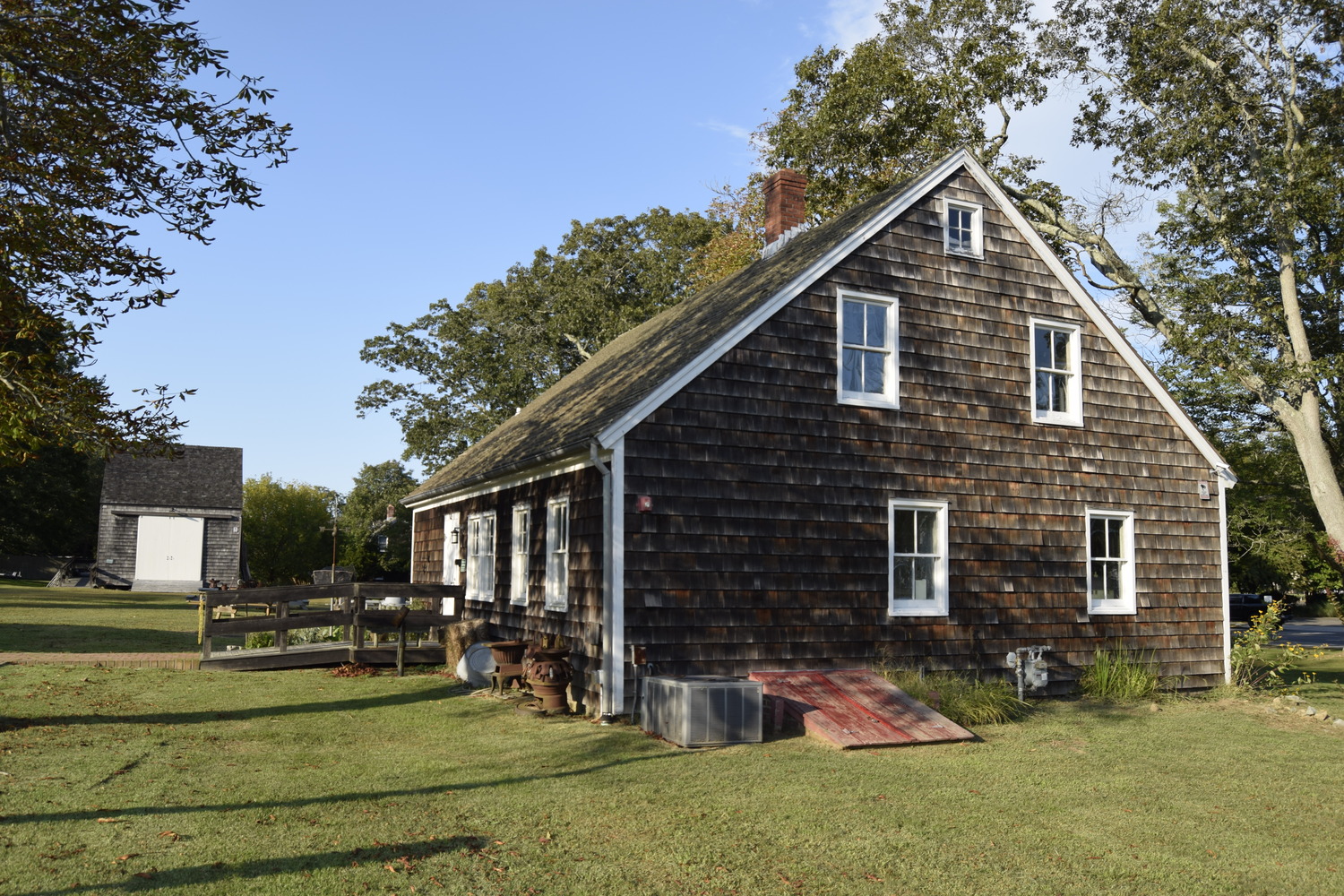
The East Hampton Historical Farm Museum is marking its 10th year in 2024 with several upcoming events.
The museum, which recently received an $18,000 grant from the Preservation League of New York State to fund a cultural resources survey of Freetown, will host a walking tour of Freetown with the East Hampton Trails Preservation Society and the East Hampton Historical Society on Thursday, September 12, from 10 a.m. to 12:30 p.m. That event is covered separately in this issue.
On Sunday, September 15, from 4 to 6 p.m., the farm museum and the Peter Matthiessen Center will join to present a discussion at the museum about the Bonac language, which is unique to the town and which Prudence Carabine told the Town Board last week “is now a dead language.”
“The Bonackers,” a documentary film by the director and producer Joanne Roberts, will be shown, and Nicholas Biniaz-Harris, a physician and linguist who has recorded the dialect as spoken by residents including Albert “Albie” Lester, will discuss the Bonac language. A portion of Matthiessen’s “Men’s Lives: The Surfmen and Baymen of the South Fork” will be read by a Bonacker.
Biniaz-Harris “has said in the last couple of years that the language he has been studying, that we have been speaking and understanding for so long, is a dead language,” Carabine said this week. “If I told you your language was dead, there would be thoughts going through your head about that. It would possibly make you angry, or sad, or in some way unsettled. Those of us who understand this language and love the people who still speak it are faced with the concept that the language we grew up with is a dead language. What does that mean? And what are some of the events that happened over the last 50 to 60 years that made it a dead language?” These questions will be explored at Sunday’s event.
When she was in school, Carabine said, “there were one or two English teachers who’d say to people I knew, ‘You have to say it straight. Use regular English. You can’t use that language in my classroom.’” That, she said, is like “crossing out a feature of our community that was known and loved and appreciated for a very long time.”
Though plans are still being finalized, Carabine said that October 12 is the tentative date for a barn-raising at the farm museum. This, at one time a typical community event, will be “the last barn-raising that ever happens here,” she predicted. “People don’t think about coming together to do that anymore.”


