


 2 Photos
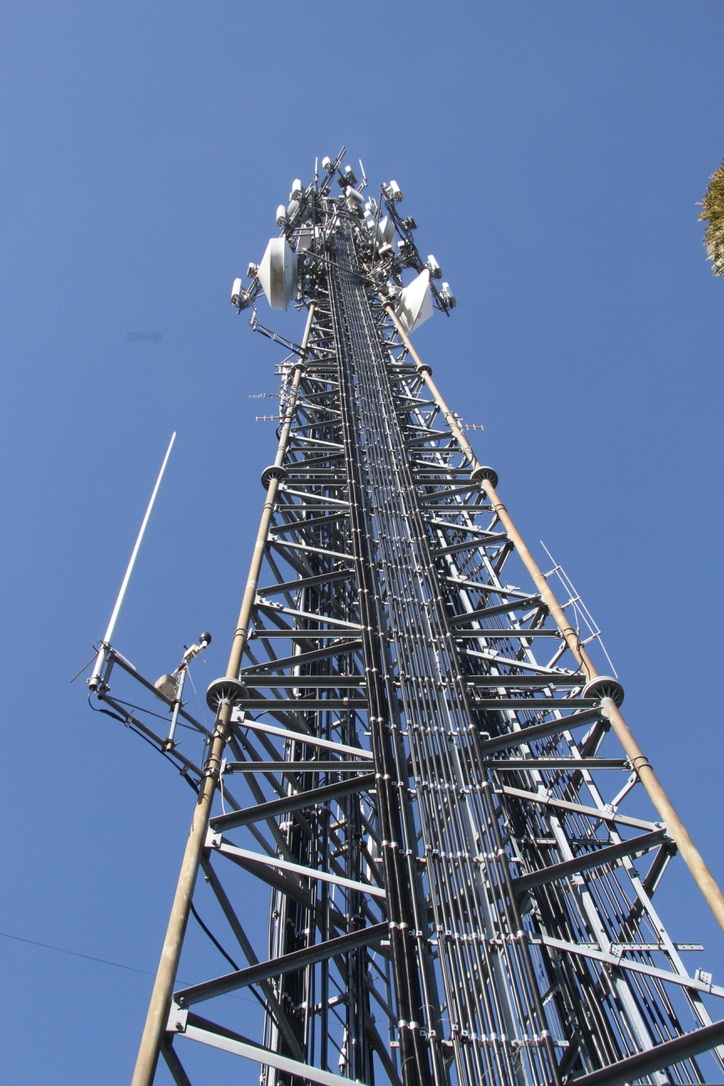
Communications towers bristling with cellular antennas will be more common in East Hampton as the town shifts it's preference to fewer towers with more cellular providers on each, rather than scattershot towers with just one company's antennas.
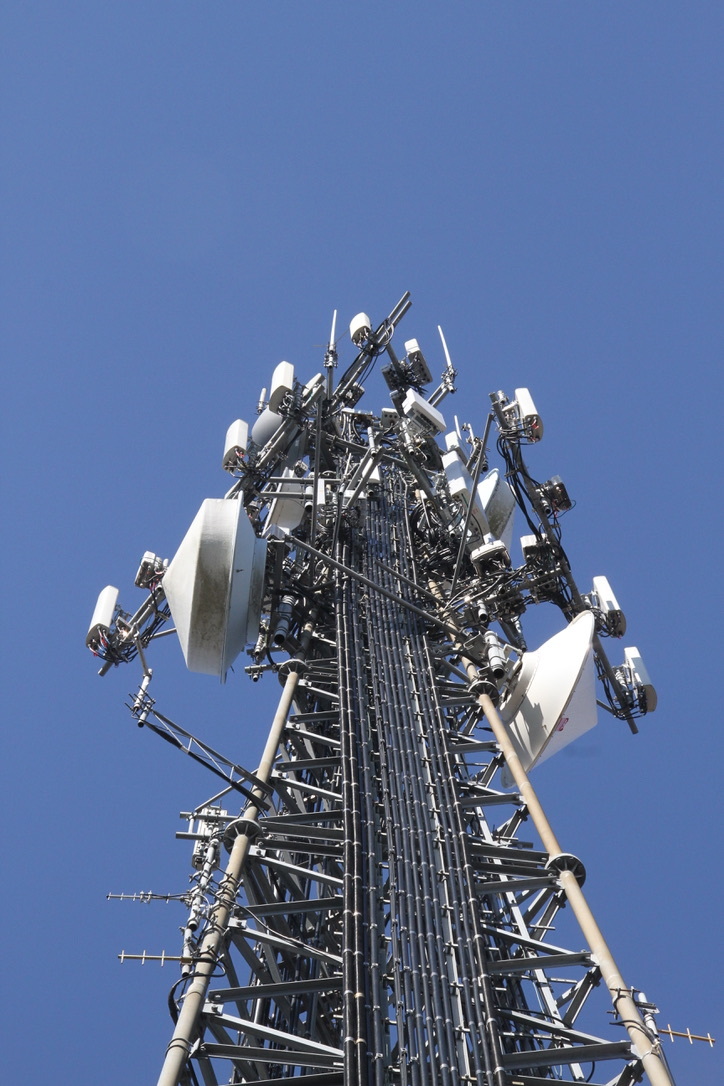
Communications towers bristling with cellular antennas will be more common in East Hampton as the town shifts it's preference to fewer towers with more cellular providers on each, rather than scattershot towers with just one company's antennas.
East Hampton will see more communications towers capped with multiple layers of antennas and fewer impediments to the placement of new cellular towers near homes and other structures in the interest of most expeditiously improving cellular service in the town, under new codes that town lawmakers will propose.
Town planners have presented the Town Board with a package of changes to the town’s existing requirements and guidelines for the placement and construction of wireless communications towers. It is largely aimed at bringing decades-old town codes in line with modern technology and federal laws and streamlining the process by which new cellular antennas can be erected on existing and new towers.
Among the changes the planners proposed during a Town Board meeting on Tuesday is a shift from discouraging “co-location” of multiple cellular providers’ antennas on a single tower, for aesthetic reasons, to encouraging the practice to bring the broadest benefits to cellphone users with the fewest number of very tall towers possible.
A poll of town residents conducted by the consultants leading the town’s overhaul of its cellular codes and planning guidelines showed that few concerns that many had once prioritized now exceed the desire to see cellular telephone and data service improved throughout the town.
“We’re now encouraging co-locations, our existing code discouraged them — the idea being essentially that we didn’t want something that looks like what’s outside here,” Assistant Planning Director Eric Schantz told members of the Town Board on Tuesday, gesturing to the communications tower that looms over the East Hampton Justice Court building next door to Town Hall and bristles with cellular and microwave panels and whip antennas.
“It seems pretty clear from the community poll that was taken that this does not seem to be a major community concern, and if you have an existing tall mount you want to use that opportunity,” Schantz added. “You don’t want to be spreading these facilities out, you don’t want to see new tall towers. We want them to use the existing towers.”
Schantz said that the poll — more than 1,600 town residents responded to the online survey — showed that residents would prefer to see towers that conceal the equipment at their tips, even using the faux trees that have been employed in some areas, with considerable snickering. But that preference pales in comparison to the demand that the town find ways to improve cellular service at any cost, the poll respondents said.
The Town Board has wrestled with expanding cellular service that is demanded by the broad population but often passionately opposed by the immediate neighbors when a site is chosen. A new 185-foot tower on town land in Northwest was the subject of three, ultimately unsuccessful, lawsuits from neighbors. A town proposal in 2020 to put a tower on town-owned land in Springs, where cellular service is essentially non-existent in many areas, was met with a tidal wave of invective, scurrilous accusations and personal attacks of board members from residents of the neighborhoods surrounding the property that derailed the town’s plans.
The code changes proposed by the town’s planners will also remove one hurdle to finding locations for towers by reducing the “fall zone” protections to neighboring properties.
The current code requires that the site of a tower be at least the distance of its height from any neighboring property line and double that distance from any habitable building. But the consultants working on the town’s master plan have found that such a broad setback is not in line with what most other municipalities in the nation have applied and that the single measure of the tower’s height is sufficient to protect neighbors from falling debris like ice or components of the tower that might break off in high winds.
Board members said that in light of that recommendation they would want the town to double check its demands on structural designs to protect against anything breaking off the tower — as happened at a tower on the town’s own recycling center on Springs Fireplace Road recently.
“I want to know that these things are not going to fall off,” Councilwoman Sylvia Overby said. “And that we are indemnified if these things do fall off.”
Other changes proposed include requiring visual simulations for towers — an already common practice using a crane or helium balloon to demonstrate how visible the top of a new tower will be when erected — and acknowledging the time limits that federal statutes place on the ability of a local municipality to review a tower proposal.
With wireless communications now an essential service like any other utility, the Federal Communications Commission has put strict time constraints on how long a local municipality may take to review a proposal and what sort of constraints they may place on plans for new cellular towers. The town needs to adjust its own approach to the towers in order to make the most of the time it is afforded, Schantz told board members.
“The federal government does set a rigid time frame for review of all applicants, so we want to honor that and have a code that empowers us to have standards that make sense so that we can focus on the things that are important in the time that is mandated,” Schantz said.
The federal agency allows just 60 days for review of smaller cellular sites like those atop utility poles or on existing fixed structures and 150 days for the taller dedicated towers that soar above the tree line.
The planner said that one way the town can prevent some of the time-consuming conflicts over tower applications is to mandate pre-application conferences with any company or property owner intending to come in with a tower proposal to review general components of the plan, like the location, and discuss possible alternatives.
Cellular companies are most concerned with closing their coverage gaps, Schantz said, and the pre-application conferences will present an opportunity for members of the town’s planning staff to work with them on choosing locations that meet their needs while also acknowledging potential sensitivities to residents’ desires, aesthetics and advancing the town’s priorities toward clustering antenna facilities.
The new code changes will be a precursor to the broader effort the town has undertaken to update its cellular master plan that will set a more broad-based set of guidelines for what the town wants from its cellular service coverage across the town — including where the town needs improvements in coverage, where it wants to see towers and areas where it does not.
Board members said that the code changes now and the update to the master plan coming down the pike will clear a smoother path to expanding cellular coverage and capacity while giving as much deference as is allowable to the aesthetic and safety interests of the local community — the ultimate goal being made abundantly clear by residents with dropped calls, unsent texts and blank mobile screens.
“We know what our community wants,” Councilwoman Kathee Burke-Gonzalez said. “Connectivity, connectivity, connectivity.”


 Michael Wright on Jun 22, 2022