


 7 Photos
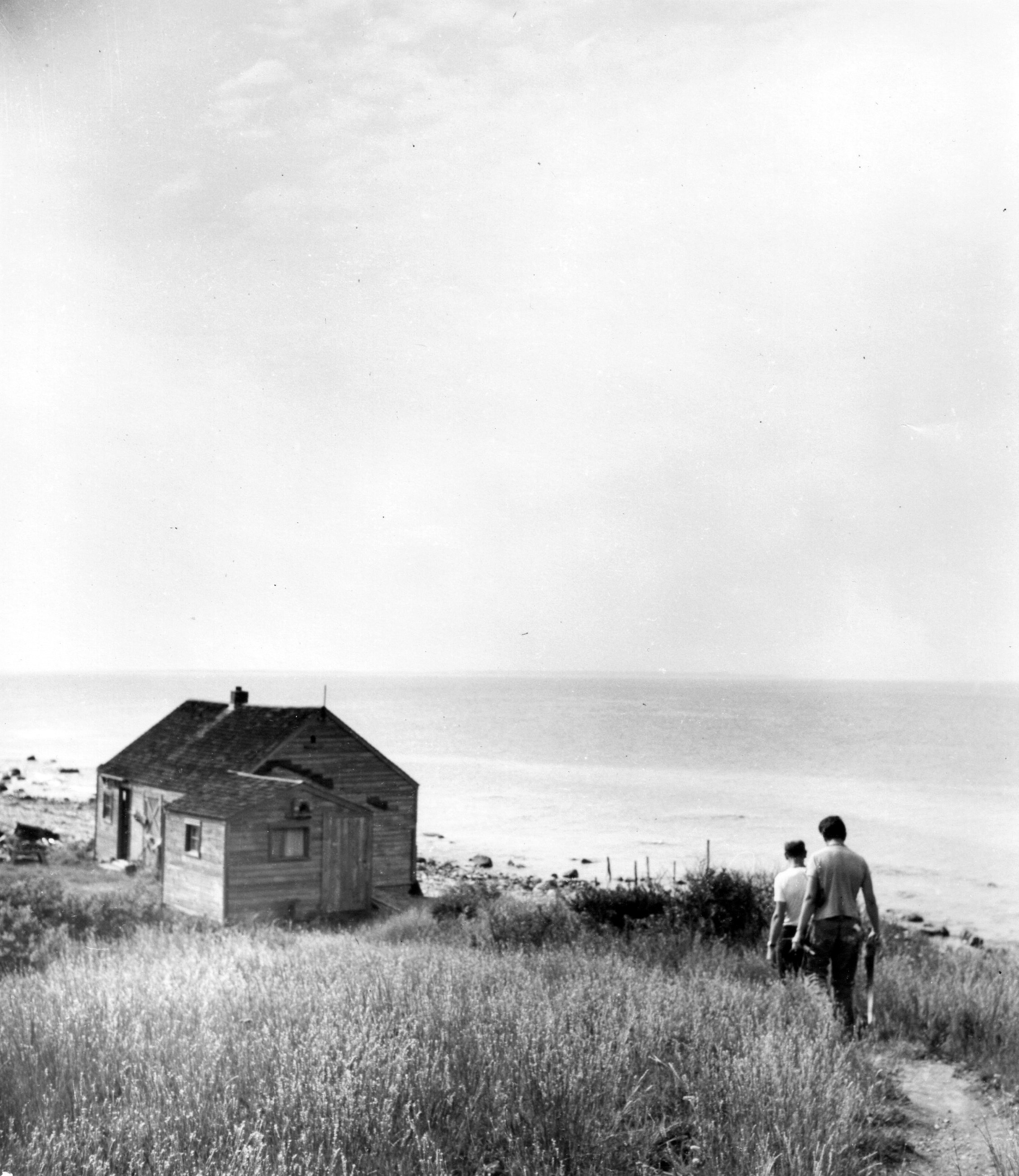
The small cottage that will be moved from the Brooks-Park property to the Pollock-Krasner House is pictured here when it was located on a bayside bluff in Montauk. The two men walking toward it in this photo, taken by Hans Namuth in 1950, are the artists James Brooks and Jackson Pollock.
The Brooks-Park compound. Michael Wright
The Brooks-Park compound. Michael Wright
The Brooks-Park compound. Michael Wright
The Brooks-Park compound. Michael Wright
The Brooks-Park compound. Michael Wright
The Brooks-Park compound. Michael Wright
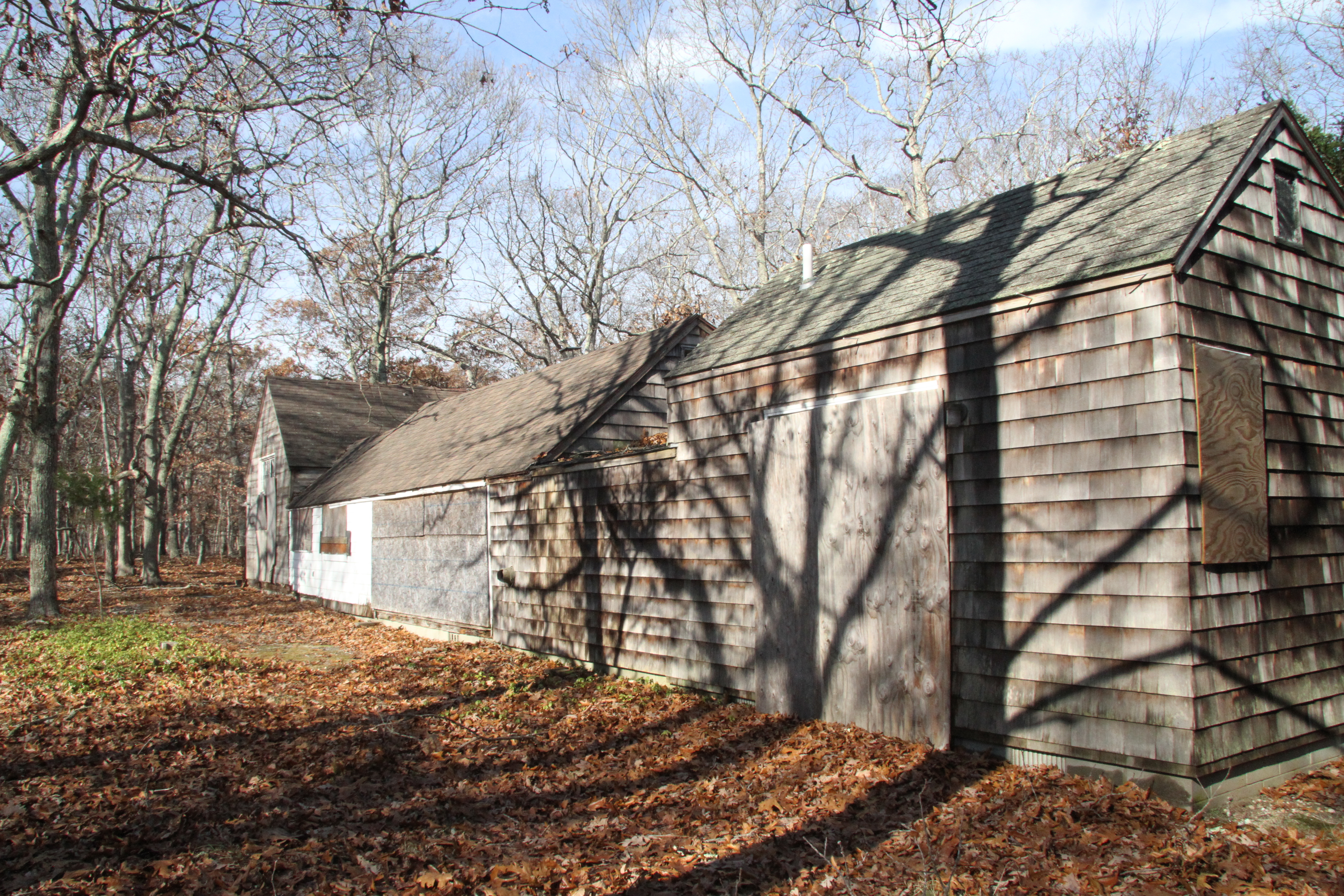
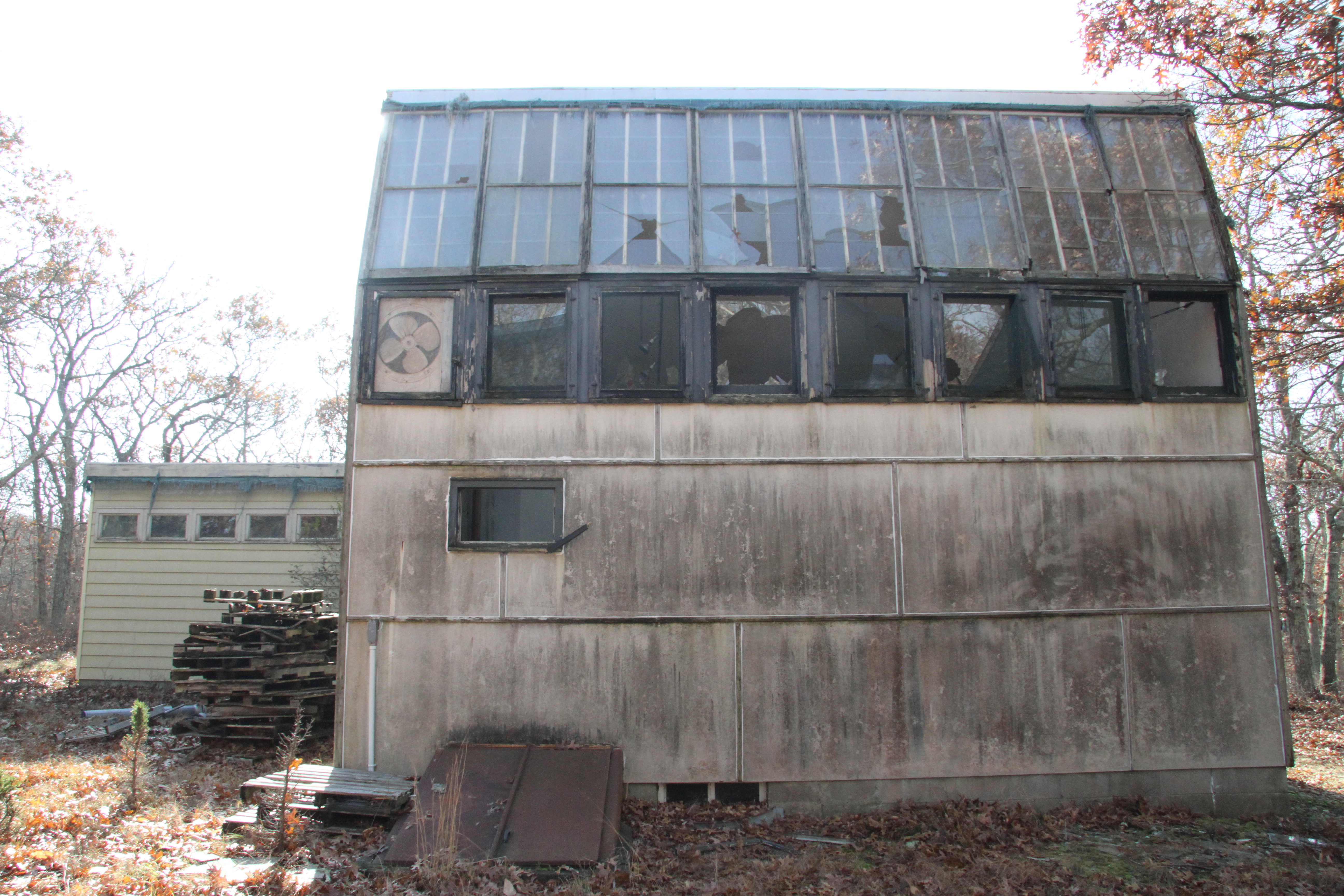
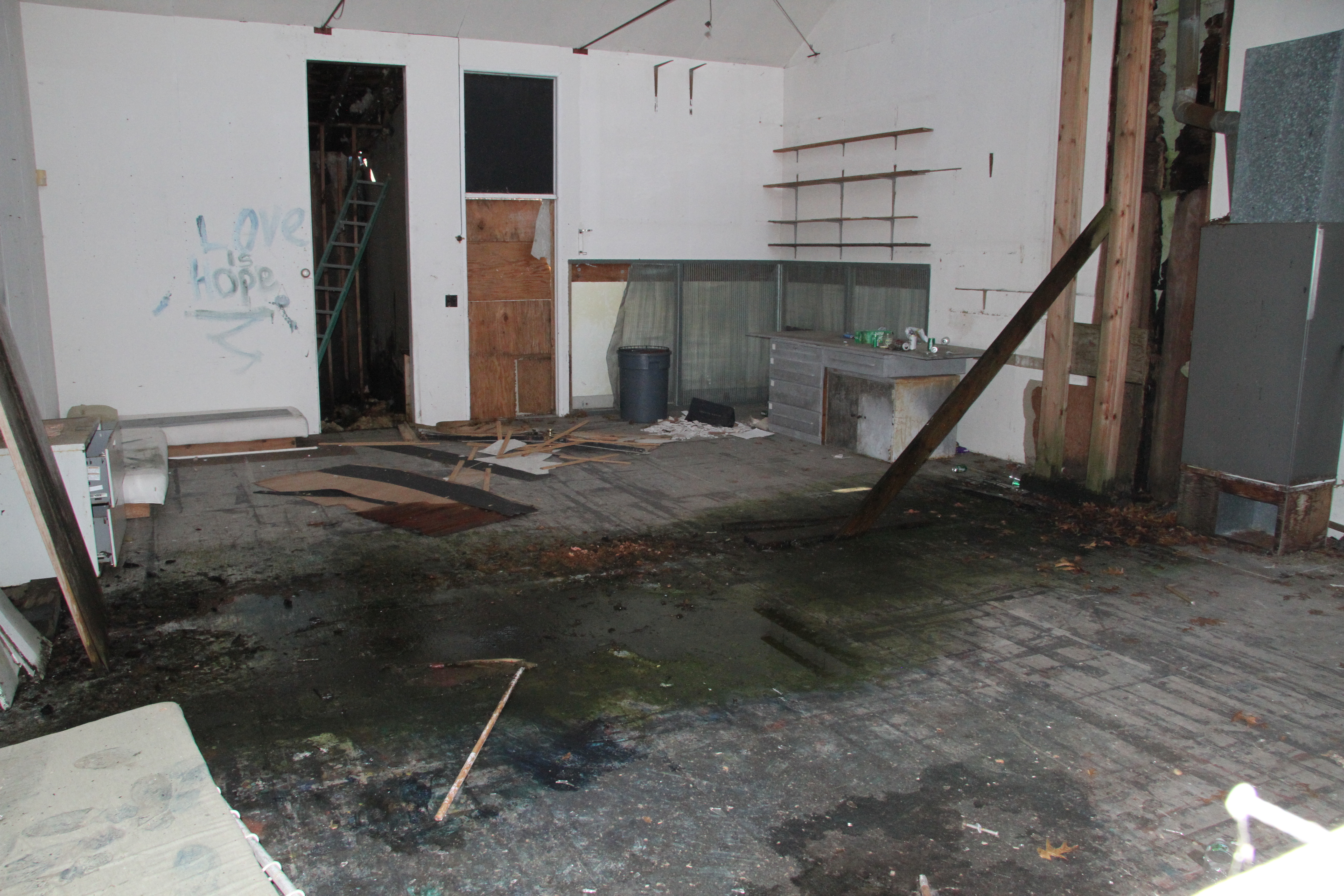
The former home and studio of artists James Brooks and Charlotte Park will be razed, despite having been declared a historic landmark by the town, after their condition deteriorated substantially while historians and East Hampton Town officials wrestled with how to restore and maintain them.
The town had declared the late abstract expressionist artists’ small compound off Neck Path in Springs a historic landmark in 2014 and had pledged nearly $1 million for the restoration of the four buildings on it, two of which had been moved by the artists in the 1950s from Montauk.
But a variety of logistical, bureaucratic and legal hurdles bogged down efforts to begin the restoration work, and town officials came to the conclusion recently that the buildings have deteriorated to an extent beyond being worth saving.
“It’s a disappointment,” Town Supervisor Peter Van Scoyoc said. “We had tried to figure out a way to preserve them. But they have gotten to the point that they are becoming a hazard.”
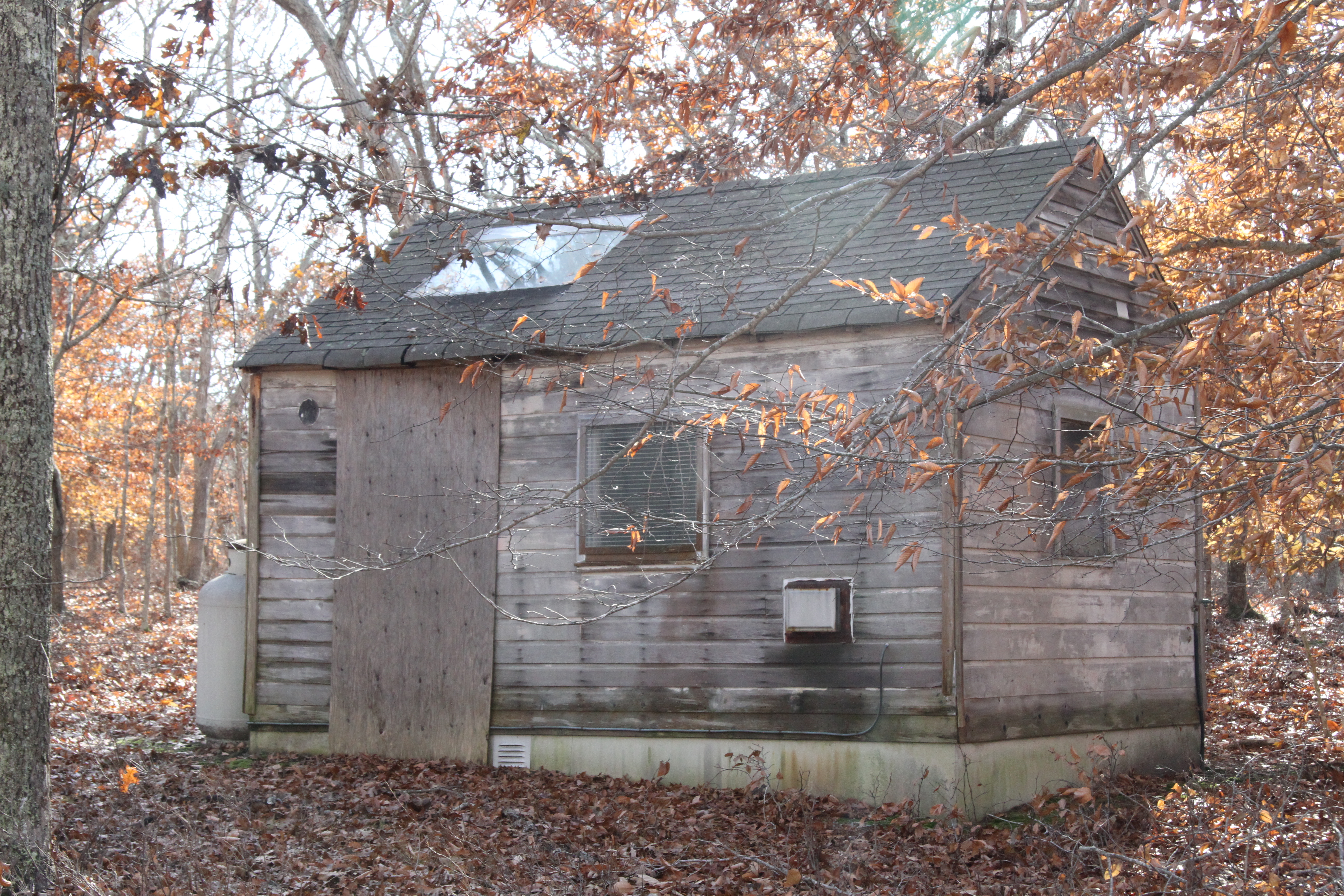
The town and the Pollock-Krasner House and Study Center do hope to be able to save one of the structures, a small, shed-sized building that was part of the artists’ first residence in the area, and was where Jackson Pollock and Lee Krasner stayed when visiting the couple in Montauk.
The shed, which the couple referred to as their “guest house,” will be moved to the Pollock-Krasner House property on Springs-Fireplace Road, as an artifact of the two renowned artist couples’ friendship.
Pollock-Krasner House Director Helen Harrison said she was determined to be able to rescue at least that small portion of the Brooks-Park legacy, but was saddened by the looming loss of the rest.
“I’m extremely disappointed and very concerned that what is to me an important historic landmark is not able to be saved,” she said.
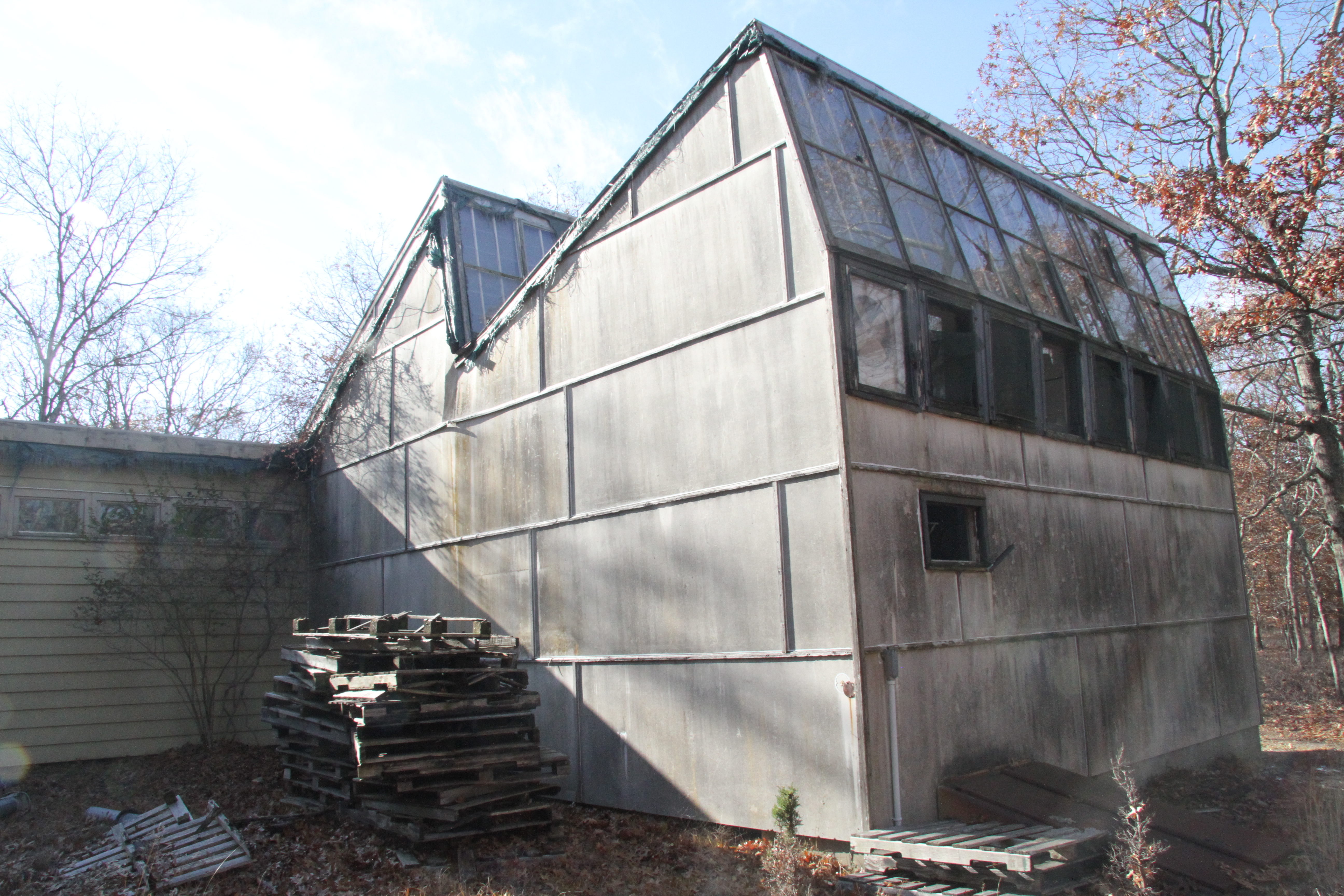
The Town Board unanimously approved a resolution last Thursday, November 21, to seek bids for the demolition of the other three structures on the Neck Path property, including the main house and James Brooks’s towering studio, which he built himself.
The town bought the 11-acre, mostly wooded property from the family of the two celebrated Ab-Ex artists in 2013 for $1.1 million, with the intention of removing the structures and preserving the land as open space.
But not long afterward, as the town was preparing to tear down the structures, the property’s pedigree was discovered.
“We did buy that property for open space and were going to tear those buildings down,” the town’s land acquisition and management coordinator, Scott Wilson, told the Town Board in 2018 when a new plan to restore the structures was brought forward by historic preservationist Robert Strada. “Subsequent to the acquisition, we realized who these people were. We had bought it from the heirs, who had different names. We didn’t even realize it was the artists’ former residence.”
At the time, the board had pledged to direct $850,000 from the Community Preservation Fund, which may be used for the preservation of historic spaces, to the rehabilitation of the property.
Mr. Strada, who has spearheaded the restoration of many structures in the region, presented the board with a management plan for the property once it was resurrected.
But in the ensuing months, it was determined by town officials that the deteriorated condition of the structures, the striking studio building especially, proved too far advanced to make restoration feasible — or of much historic value.
“The buildings were in bad shape to begin with, and they’ve gotten to the point, especially with the studio, that you would have to be just building new structures,” Mr. Van Scoyoc said. “So you’d have this structure that looked like the Brooks studio, but wasn’t really his studio.”
Councilman David Lys said that part of the complications with the restoration effort was that considerations for handicapped access and safety requirements would be legally necessary for the buildings to be accessible to the public, as required by the CPF bylaws. Also complicating things was a state requirement that would have demanded that the driveway to the property be as wide as a two-lane roadway — a six-figure component that could not be funded by the CPF as part of the historic renovation.
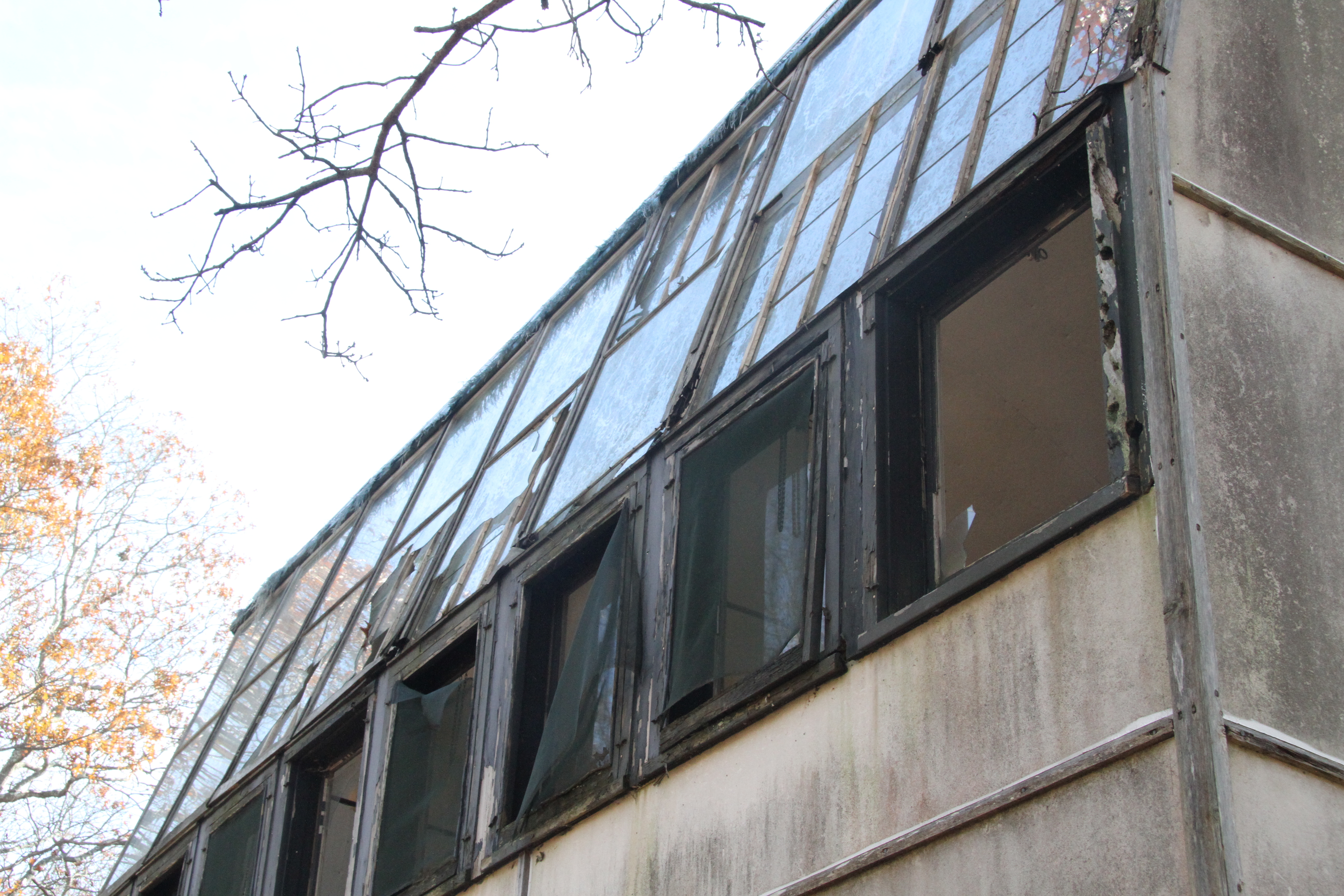
Even as officials were trying to figure out how to proceed, Mr. Lys said, vandalism and the elements were causing further deterioration.
“If they had been getting more sunlight, that would have helped, but the tree canopy is completely covering them, and the moisture and mold was causing them to rot,” Mr. Lys said. “They became an attraction to vandals, kicking things in and smashing the windows, so the weather was getting in. It got to be too much to take on.”
The small cottage that will be saved was originally built on a property near “Rocky Point” in Montauk, just north of the Navy Road pier, where James Brooks and Charlotte Park had lived and painted when they first moved to the South Fork.
The cottage was used as a guest house, and their friends Jackson Pollock and Lee Krasner stayed there frequently. A photo taken in 1950 shows James Brooks and Jackson Pollock walking toward the cottage.
After a hurricane destroyed James Brooks’s studio in 1954, the couple decided to relocate to Springs. The house, known as the Lawson Cottage, and the smaller shack were loaded onto a barge and floated to Louse Point, and then hauled by truck to the Neck Path land. It was there where Mr. Brooks built his distinctively shaped studio with its sawtoothed roof and high north-facing windows.
But Mr. Brooks’s construction principles were perhaps not quite what might have been hoped for, and the building seems to have deteriorated more rapidly than a professionally constructed one might have, Mr. Lys said.
“We’re glad that we’ll be able to retain that, and that Pollock-Krasner [House] is willing to take the structure, since there is a connection between Pollock and Brooks and Parks,” Mr. Van Scoyoc said. “So at least that will be preserved.”


 Michael Wright on Nov 22, 2019