


 17 Photos

The mother of all lawn weeds, crabgrass, is easy to control and even eradicate. A healthy and vigorous lawn will choke it out and any rogue plants that are spotted can be hand pulled before they go to seed. This single crabgrass plant, if left to flower and seed, can produce hundreds of new plants that will germinate and establish next year. ANDREW MESSINGER


Elephant sculpture painted by Barbara Bilotta, "Unforgettable," for Elephant Parade Hamptons. ANISAH ABDULLAH




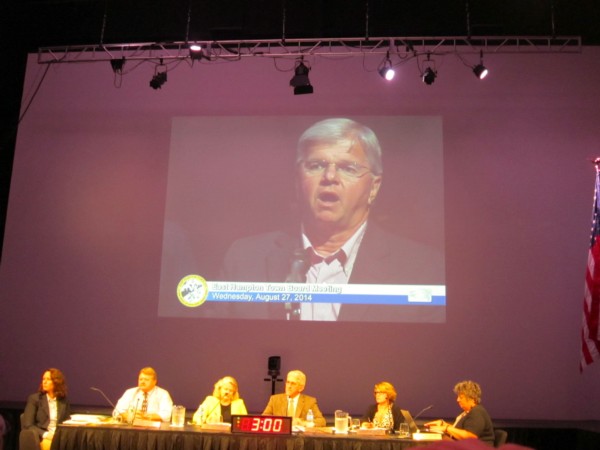
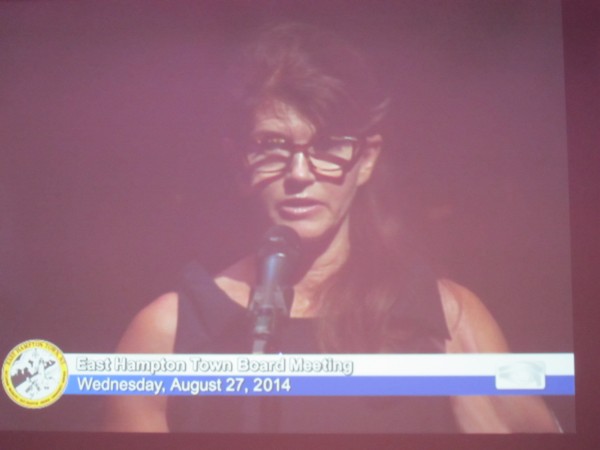


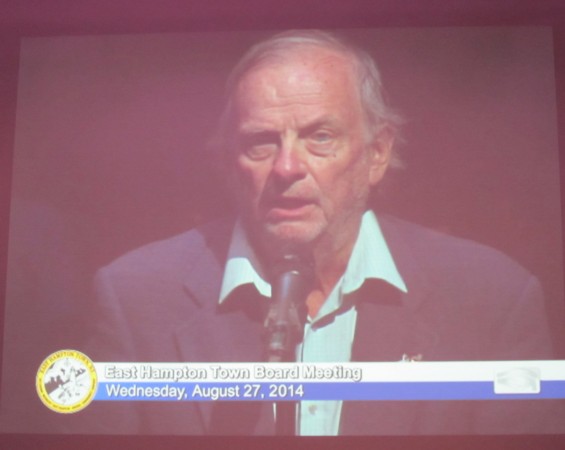


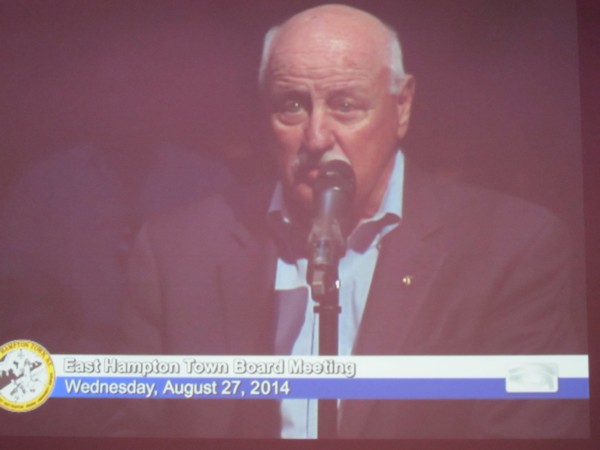
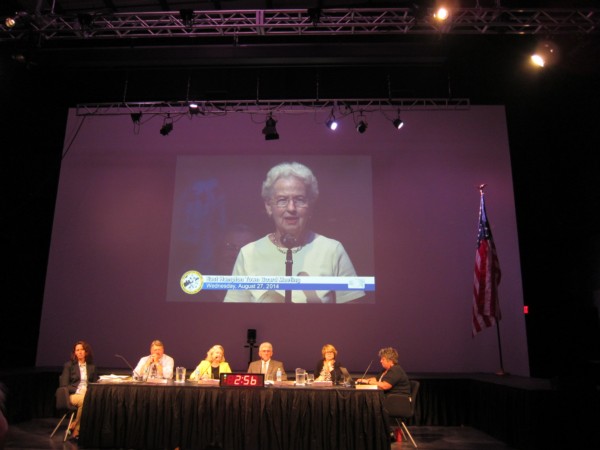

Nearly 400 residents from East Hampton Town, Southampton Town, Shelter Island, and the North Fork came to the LTV Headquarters on Wednesday night to air out their frustrations regarding noise from the East Hampton Airport. They claimed that a significant increase in traffic has left them sleepless, fed up, and begging for a change.
The meeting, held by the East Hampton Town Board, was organized to supplement its regular board meeting last Thursday out of fear that the polarizing issue would draw a crowd too large for Town Hall, and the number of comments from the public would be too much for a regular board meeting with other hearings being held.
Community members, as well as town and state officials, headed to the microphone over the span of three hours, demanding the town refuse grants from the Federal Aviation Administration and make the airport financially self-sustaining as a solution to their “diminishing quality of life” and homes that now feel “like Vietnam during the war.”
“Plan to operate as a self-sustaining enterprise and refuse to seek any FAA money,” said Southold Supervisor Scott Russell, reading from the town’s recent resolution asking East Hampton Town to not opt for any more funding from the FAA.
The airport is in a unique position this year as assurances from some FAA grants are due to expire at the end of the year, said Councilwoman and airport liaison Kathee Burke-Gonzalez. Previously, the conditions of the grants did not allow for the town to regulate when and how many aircrafts could land at the airport. Without these assurances, town official say they can impose restrictions on traffic while still operating a financially healthy and safe airport.
According to town records, helicopter traffic at the airport had jumped 40 percent this past summer, while overall traffic from jets and other aircrafts had gone up 20 percent.
“The reason we moved to Shelter Island was for the peace and quiet,” said resident Joseph Messing at the hearing. “It’s a beautiful thing. But the dramatic increase … no one had to tell us there was a 40-percent increase. We heard it. We felt it.”
The issue of the noise complaint telephone hotline and online register was another hot-button subject for residents, many of whom say they are tired of calling “a robot” to complain with essentially no outcome.
A total of 18,454 complaints both online and by phone have been lodged since January, said East Hampton Town Supervisor Larry Cantwell. But the number, some residents said, is not an accurate representation of how often they are disturbed.
“I had to quit making phone calls,” said Thomas Maguire, a Cutchogue resident, stating that he made 43 phone calls to the noise complaint hotline in one day. “Every time I pick up the phone, I just get angry. My wife thinks I’m nuts. She finds me outside in the yard yelling at helicopters. I can’t call anymore, and many of my neighbors on the North Fork and in other places feel the same way, but that does not diminish the discontent we have.”
In addition to refusing FAA grants, some residents suggested the town could redirect aircraft traffic to the Montauk airport, which could offer pilots the option to fly solely over water given the hamlet’s location.
“There is an airport in Montauk and it is underused,” said Patricia Hope, a long-time East Hampton resident and former president of the East Hampton School Board. “You could take a good hard look, at least at East Hampton helicopters who could land in Montauk and take a nice limousine ride to where they’re going to visit, and that would be wonderful for us.”
Others suggested closing the airport entirely, stating the board should “shut it up or shut it down,” but Ms. Burke-Gonzalez said the town can’t just “simply close the airport.”
Ms. Burke-Gonzalez said the board would take into consideration all of the comments made throughout the meeting, adding that there was no deadline for the board to make a decision on whether or not to accept FAA grants.
“We’re not going to make one for the sake of making a decision,” she said. “We’ll be working with other airports, the federal government, and affected homeowners to find workable solution.”


 Erica Thompson on Aug 27, 2014