


 6 Photos
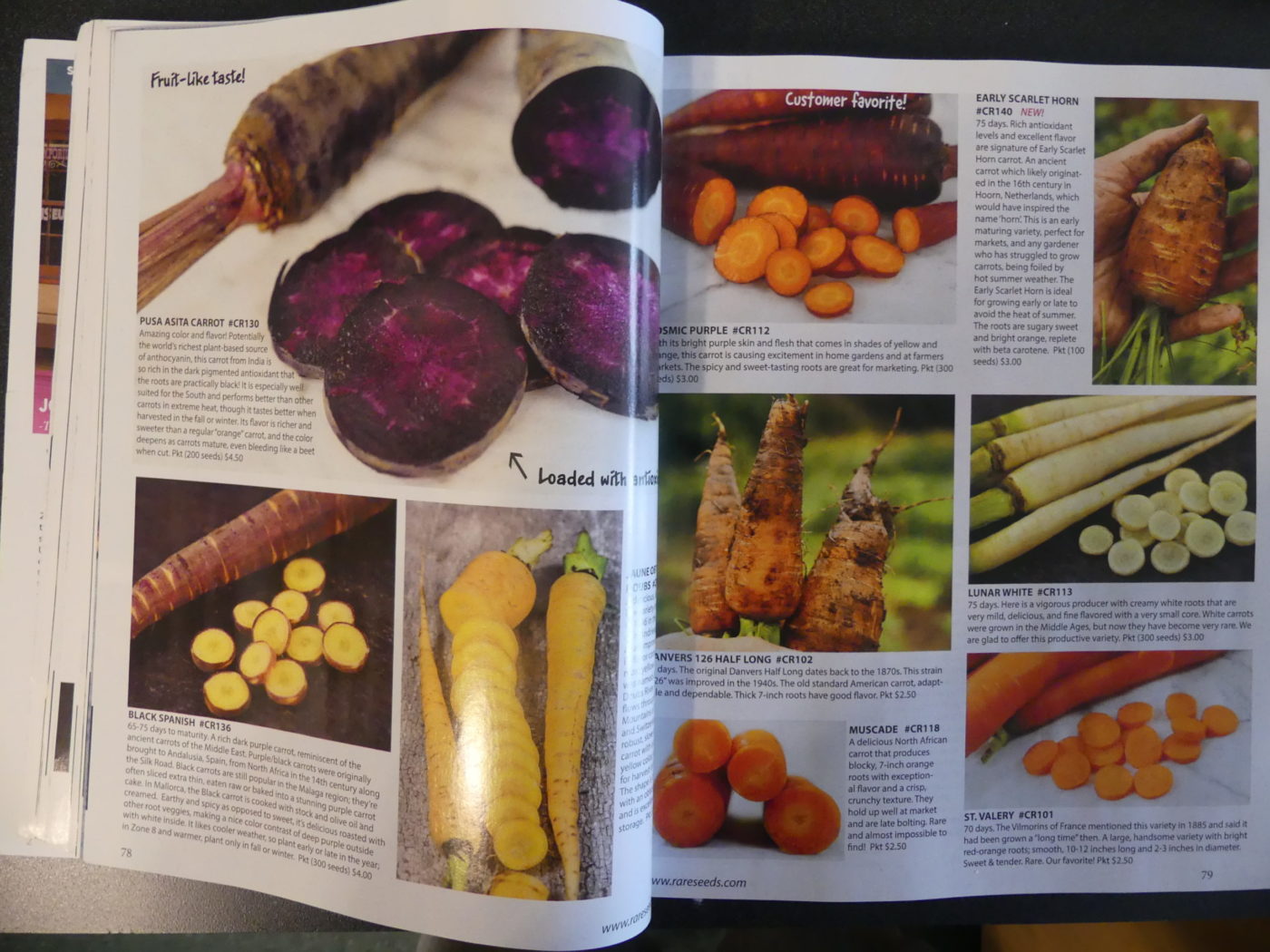
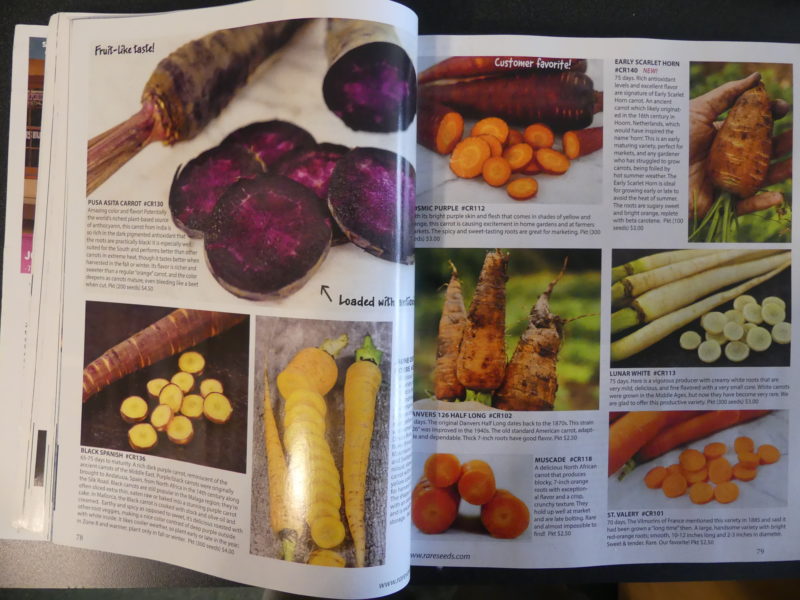
The Whole Seed Catalog has pages of exquisite color pictures, descriptions and planting instructions for hundreds and hundreds of open-pollinated veggie and garden seeds. ANDREW MESSINGER
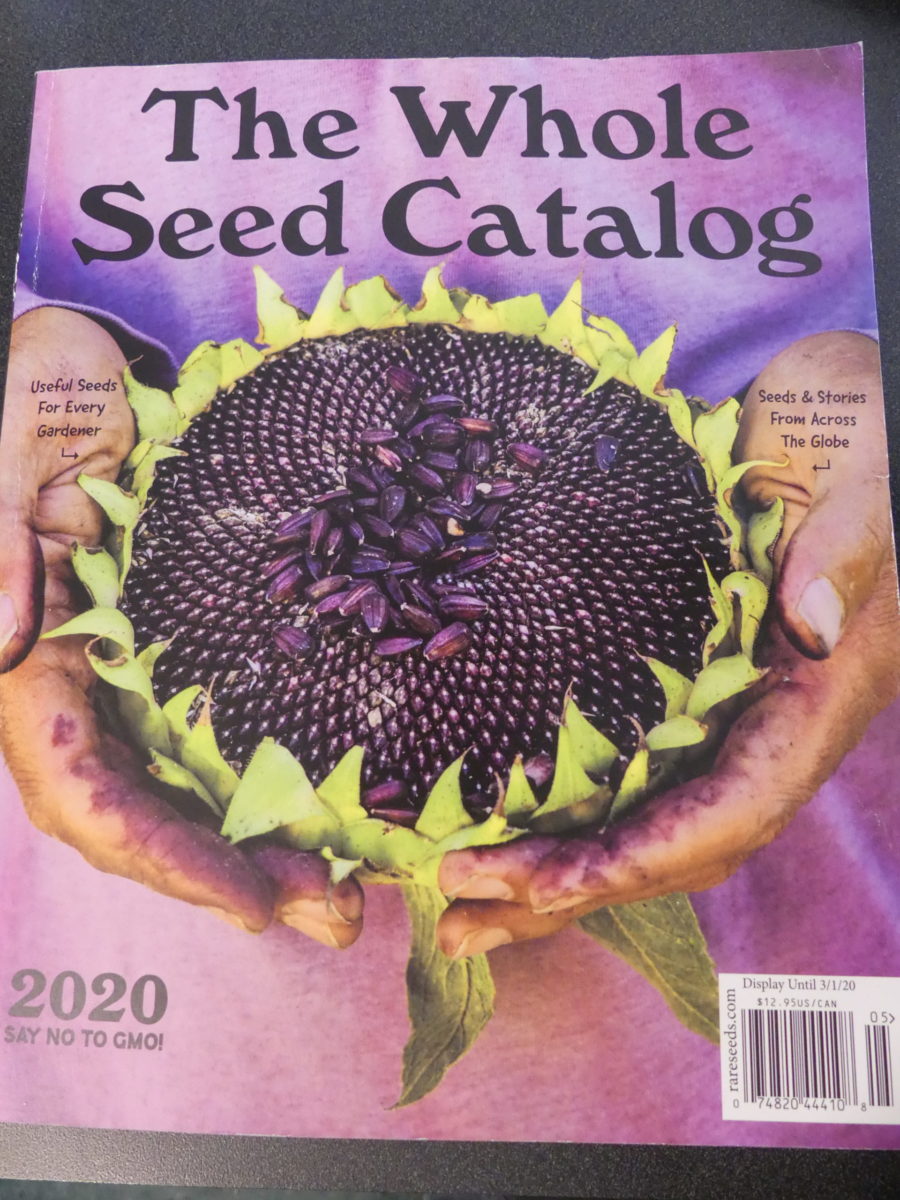
The Whole Seed Catalog from Baker Creek is a throwback to the Whole Earth and Whole Garden catalogs of the 1970s. It’s an incredible catalog that is worth much more than the $12 that it costs. What a gem. ANDREW MESSINGER
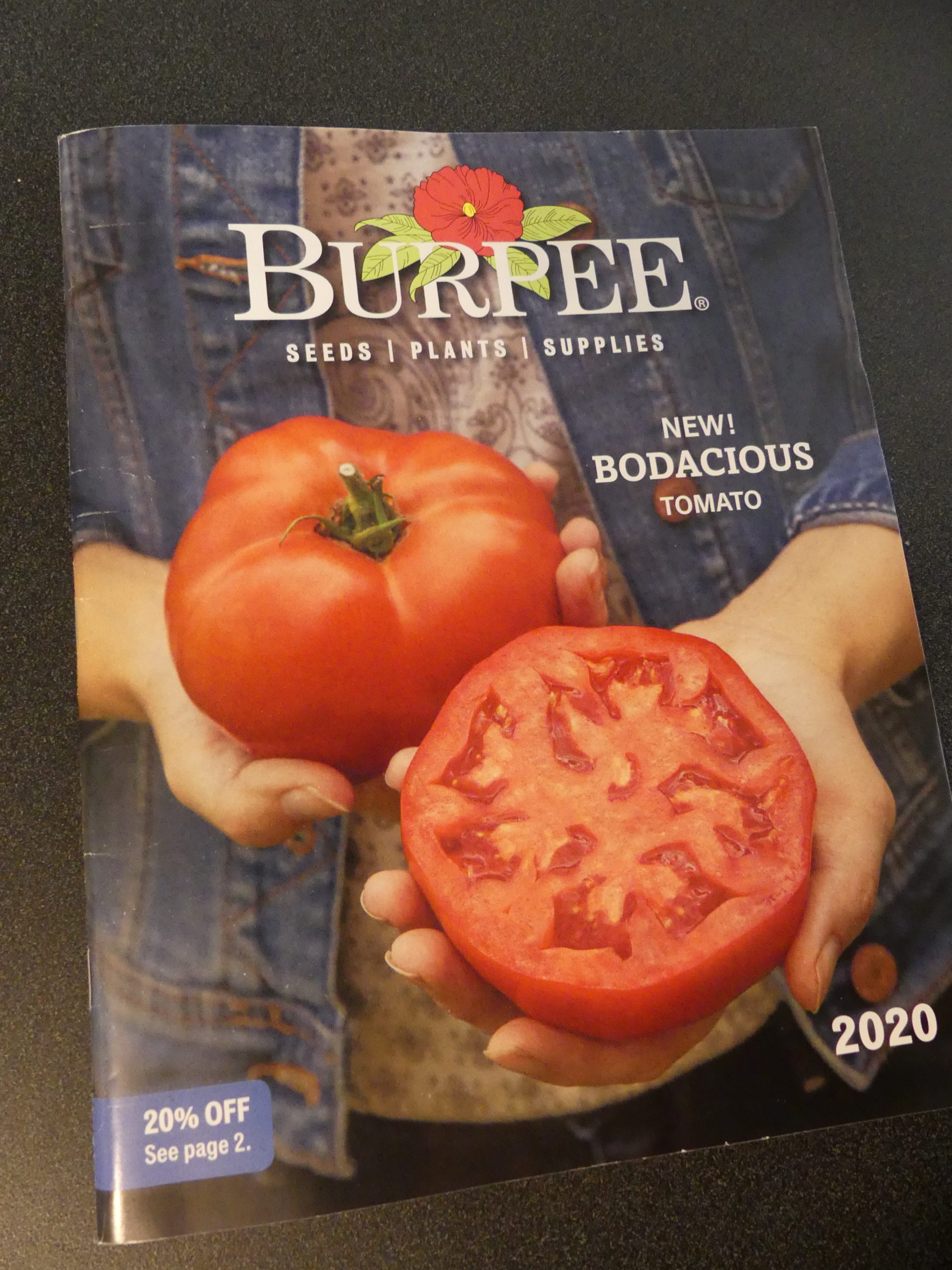
Burpee’s new “Bodacious” tomato offering for 2020. Really? ANDREW MESSINGER
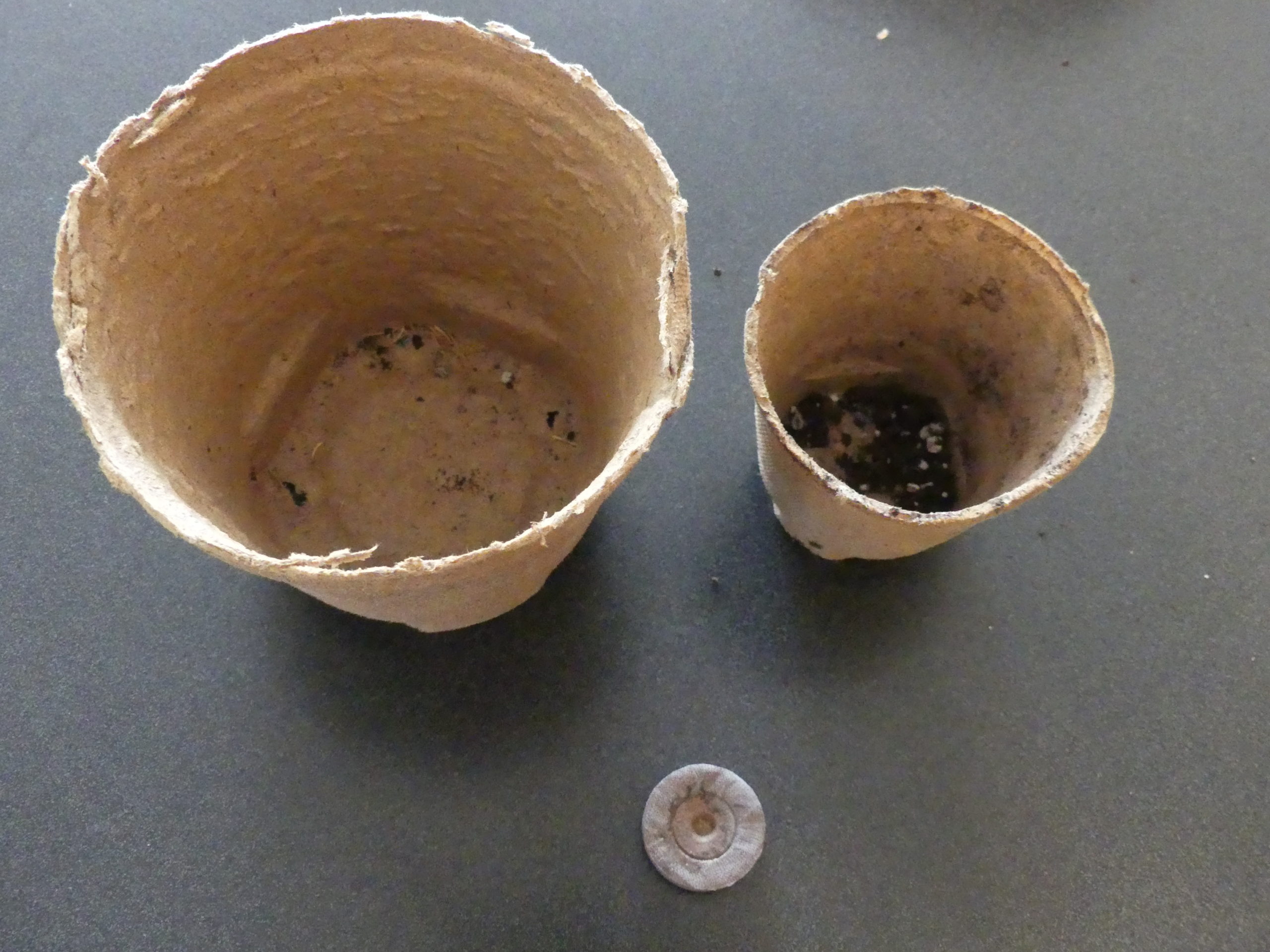
Peat pots and pellets from Jiffy offer convenient ways of starting vegetable plants at home them planting them directly into the garden pot and all with no transplant damage. Left is a 6-inch peat pot, right, a 4-inch, and bottom is a compressed Jiffy pellet that just needs water to expand for seeding. ANDREW MESSINGER
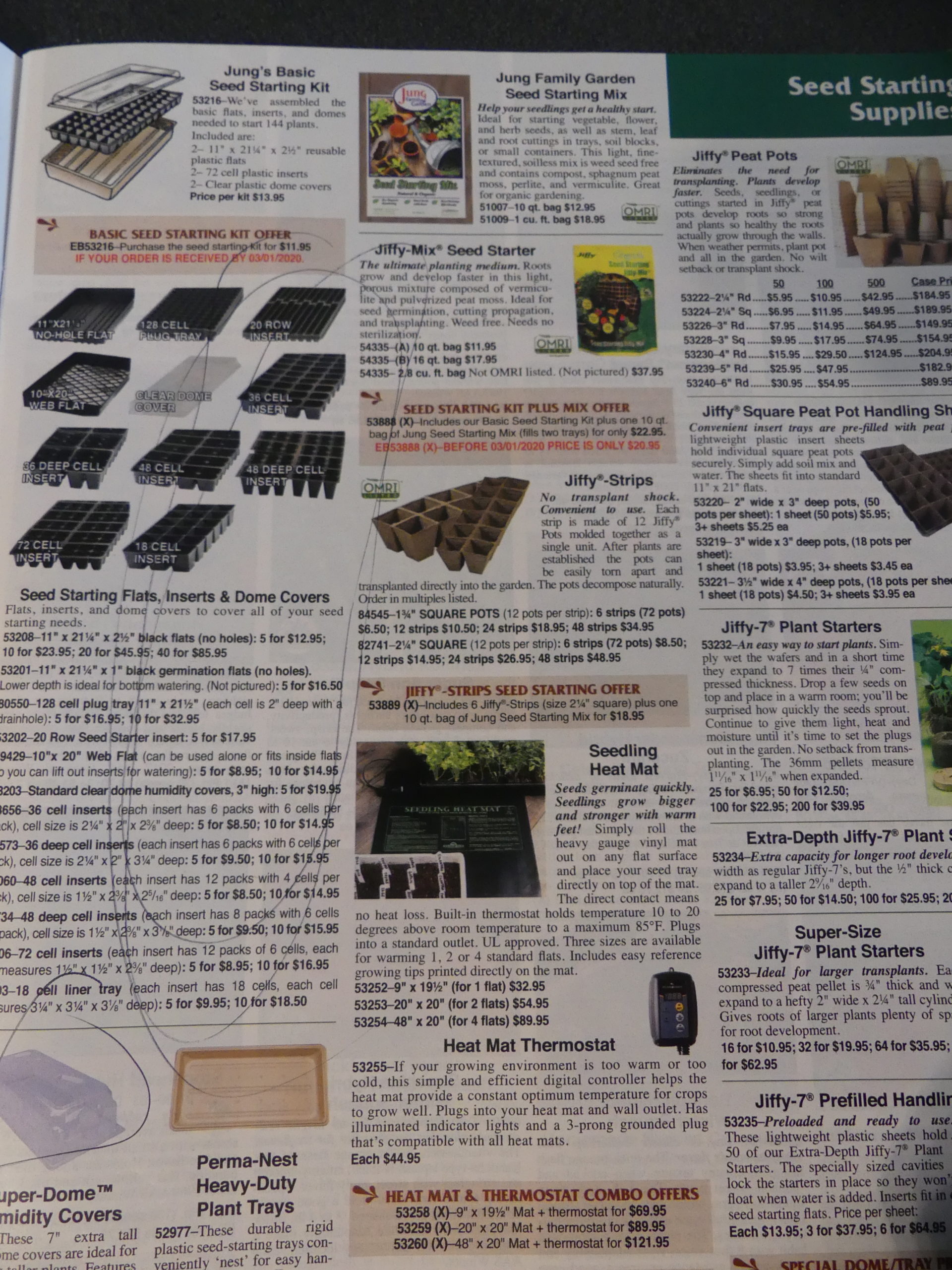
Jung’s seed catalog is one which offers seed and seeding supplies like the flats, domes and inserts seen on the left. These may be available locally but not everywhere. ANDREW MESSINGER
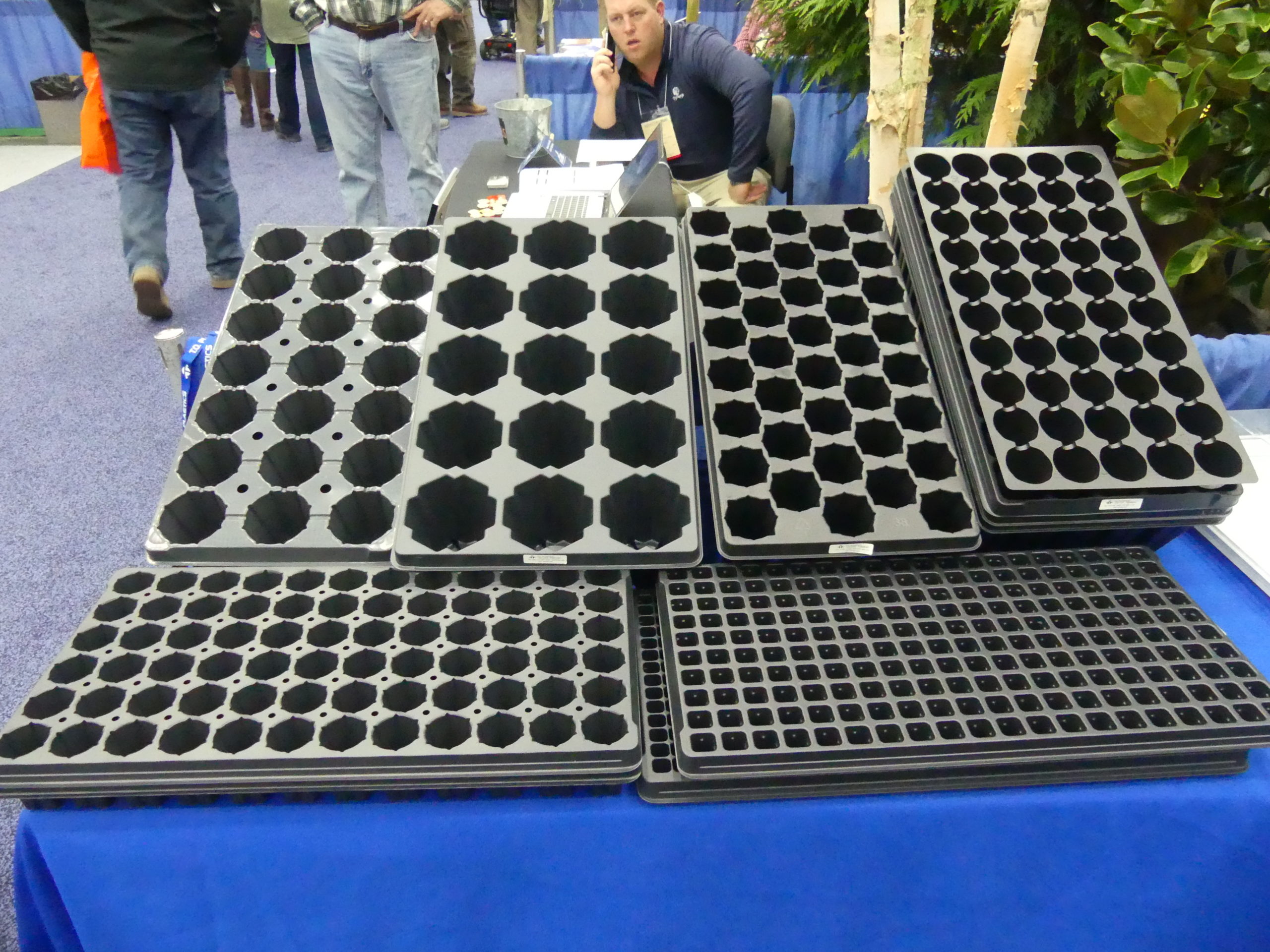
Cell inserts come in a range of sizes and shapes. These are commercial “plug” types, but you can still find them online and in some stores. Make sure they fit standard flats and understand that unlike the more common “cells,” these inserts cannot be divided into fours, sixes, eights etc. ANDREW MESSINGER

This week, a brief shopping guide for plants, seeds and supplies for the 2020 season. Some new thoughts, some old seeds and lots of ideas to help you get your garden going and growing.
The overall question is: Where do you buy your seeds and plants, and why? Why buy by mail when you can simply stop at the garden center or even the hardware store and buy off the racks or benches? First, we should always try to buy locally and support local East End merchants. But even the best of our garden centers can’t compete with the expansive seed and plant selections that you can find online and in catalogs. For example, while a garden center may have up to 150 Burpee varieties on its seed racks, the Burpee online store or catalog probably has five times that. Garden centers tend to carry only the bestsellers while the catalogs and online stores carry “full” lines of seeds and try to cater to a much wider audience.
And speaking of Burpee, let me digress and rant for a moment. Burpee’s 2020 seed catalog features its new “Bodacious” hybrid tomato. I think Burpee’s hyperbole has met a new zenith with this one. “Lovingly bred” is how it starts, and it has “heirloom aromatics,” whatever they are. It’s “gorgeous, juicy and prolific,” but how does it taste? Then Burpee has a new pea called “First 13” with a “phenomenal 13 peas per pod” until you read where it states “9-12 peas per pod.” Burpee, WTF?
Online and catalog nursery material like perennials, rare annuals, trees and shrubs also offer way more than any garden center can. What you can buy online dwarfs the selections that even the best garden centers carry. But, there are risks. There is a limit to the sizes and weights of plants that can be shipped. It’s a bit more difficult and expensive to return a bad tree bought online, but more often than not the vendor will simply ship you a replacement at no cost with no return expected. But, at a local garden center you can look and touch before you buy, giving you a modicum of quality assurance that you may not have from an online vendor.
What do I do? Well, I start with my plant and seed list, which began last summer when I noticed that I needed to replace or beef up some plantings. I add to the list the seeds I want to try, or try again, as well as plants that you’ve told me about, that I’ve read about in magazines and that I hear about from various growers. Then in January (if I’m good) I start to figure out who to order from by searching who is offering what I’m looking for. Then, if several vendors are offering the same plant, it becomes a question of how far away they are (for shipping) and what my previous experiences have been with that particular vendor. Some vendors I simply won’t buy from based on my and your experiences. The issues arise when only one vendor is offering a plant that I lust for and that vendor has a less than stellar reputation.
With seeds, it gets a bit trickier. Do you insist on organic certified seed? If so, you immediately limit your choices. Are you looking for heirlooms, and if so, why? Many gardeners are under the impression that for a number of reasons heirlooms and seeds from open pollination are better than hybrids. Maybe, maybe not. Hybrids often come with the claim that they are disease-resistant, and some will be resistant to multiple diseases. Some hybrids certainly give better yields in terms of size, numbers produced per plant and even resistance to the vagaries of weather. Heirlooms, on the other hand, perpetuate a gene pool that has a history and has been messed with only by Mother Nature and not man. There are often claims of better taste, but one thing is for sure. Be it carrots, beets, corn, lettuce, tomatoes or just about any garden vegetable grown from seed, you’ll find many more varieties of heirlooms than you’ll even find in hybrids. Are they “better”? Let me know.
Here’s a suggestion, though. Get yourself a copy of The Whole Seed Catalog from Baker Creek Heirloom Seeds (rareseeds.com). It’ll set you back about $10, but I promise you’ve never seen any catalog quite like this one. It’s over 450 large-format (and print) pages of wonderful pictures, advice, instruction and seeds that will simply blow you away. It’s quite a magnificent contrast to just about any other seed catalog you’ve ever seen and it’s likely to end up well read and in your library. Make sure you read the short piece on page 5, “Why Grow Heirlooms.”
But there are other things you can buy online or from a catalog that you may have trouble finding at your local garden center, and these fall into the category of garden supplies. Something to keep in mind, though, is that some items like flats, soil and pruners may appear to be less expensive online, but once you consider the shipping costs you may find that a local garden center is really competitive pricewise. The question then becomes the issue that you may find many items online that aren’t available locally.
One thing that I go through every year are seed flats, inserts and the domes that go over the flats. Many East End garden centers have these, but there are many that don’t. If you can’t find what you want, take a look at jungseed.com. They (and others) sell a selection of different cell size inserts that fit into “standard” flats. They also offer two types of domes that will cover your flats, keeping the humidity up and retaining some heat. The taller is the Super-Dome, which is 7 inches tall, while their shorter dome is only 3 inches tall. Inserts range from 128-cell plug trays to 36-, 48- and 72-cell inserts, most of which fit into the standard flat that is either a webbed bottom type, solid bottom or a solid but slotted bottom that will drain excess moisture.
Please also consider that wooden flats that are properly made out of species like northern cedar will last for up to 10 years. As long as they are built as “standard” flats, all the cells and inserts will fit in them and you won’t have to deal with and add to our environmental issues that the plastics cause. For reference purposes, a “standard” flat or “1020” flat measures 21 inches long, 9.5 inches wide and about 2.25 inches deep, if you want to make your own. Cutting the sides from boards is fairly easy but the bottom slats will need to be ripped on a larger saw.
And don’t forget your Jiffy pots. These are pots made from molded peat. These pots are great for starting garden plants like melons and cukes that don’t take well to transplanting, but you can grow just about anything in them that will need to be planted in the garden. You sow the seeds directly into the pot, and when ready, plant the entire pot. The pot quickly degrades when it’s in the soil (unlike coir pots) and there’s no transplant shock and lost production time as a result. The pots come mostly in two sizes (4- and 6-inch diameters) and there are also Jiffy pellets that are sold individually or as kits with trays and domes.
Time to get those early seeds sown indoors in just a few short weeks. Get your supplies ready, place your seed orders and fold the page ears, make your notes and attach your Post-it notes to your catalog pages. Remember, the early orderer gets the plants. The procrastinator gets a note — “Sorry, that item is sold out.” Keep growing.
More Posts from Andrew Messinger


