


 4 Photos
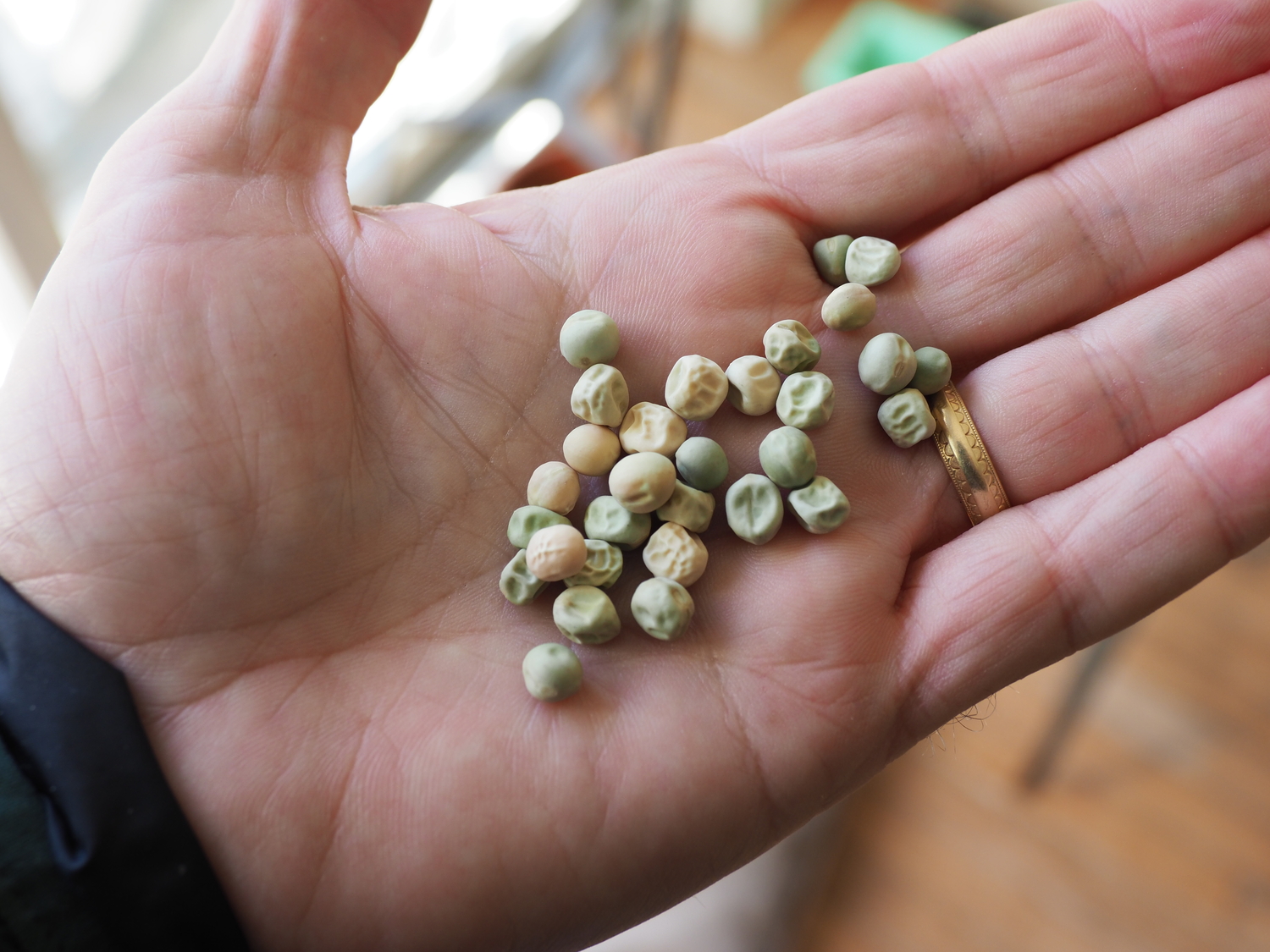
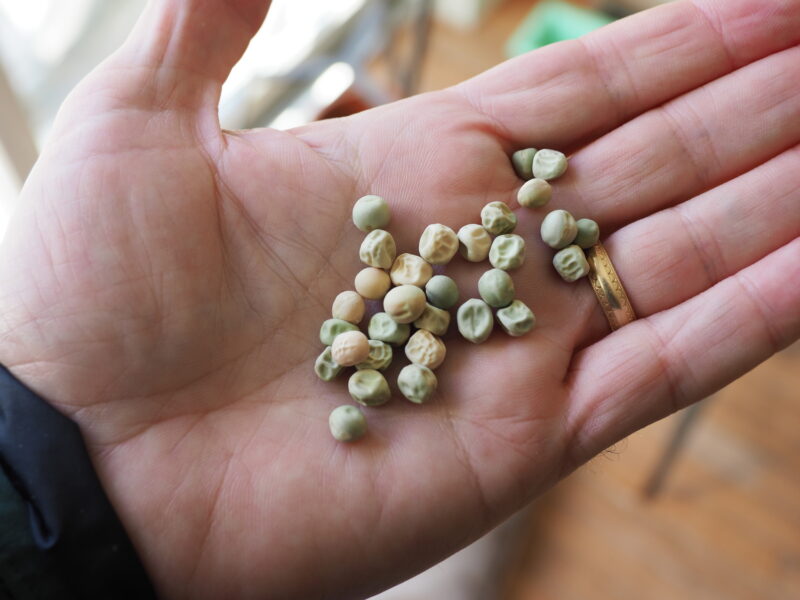
Sugar snap peas, like this, are easily handled by children and easy to plant. They only take about 60 days to flower and form pods, so they’re great for short attention spans. Beware, though, that sweet pea seeds (ornamental types) can be poisonous. ANDREW MESSINGER
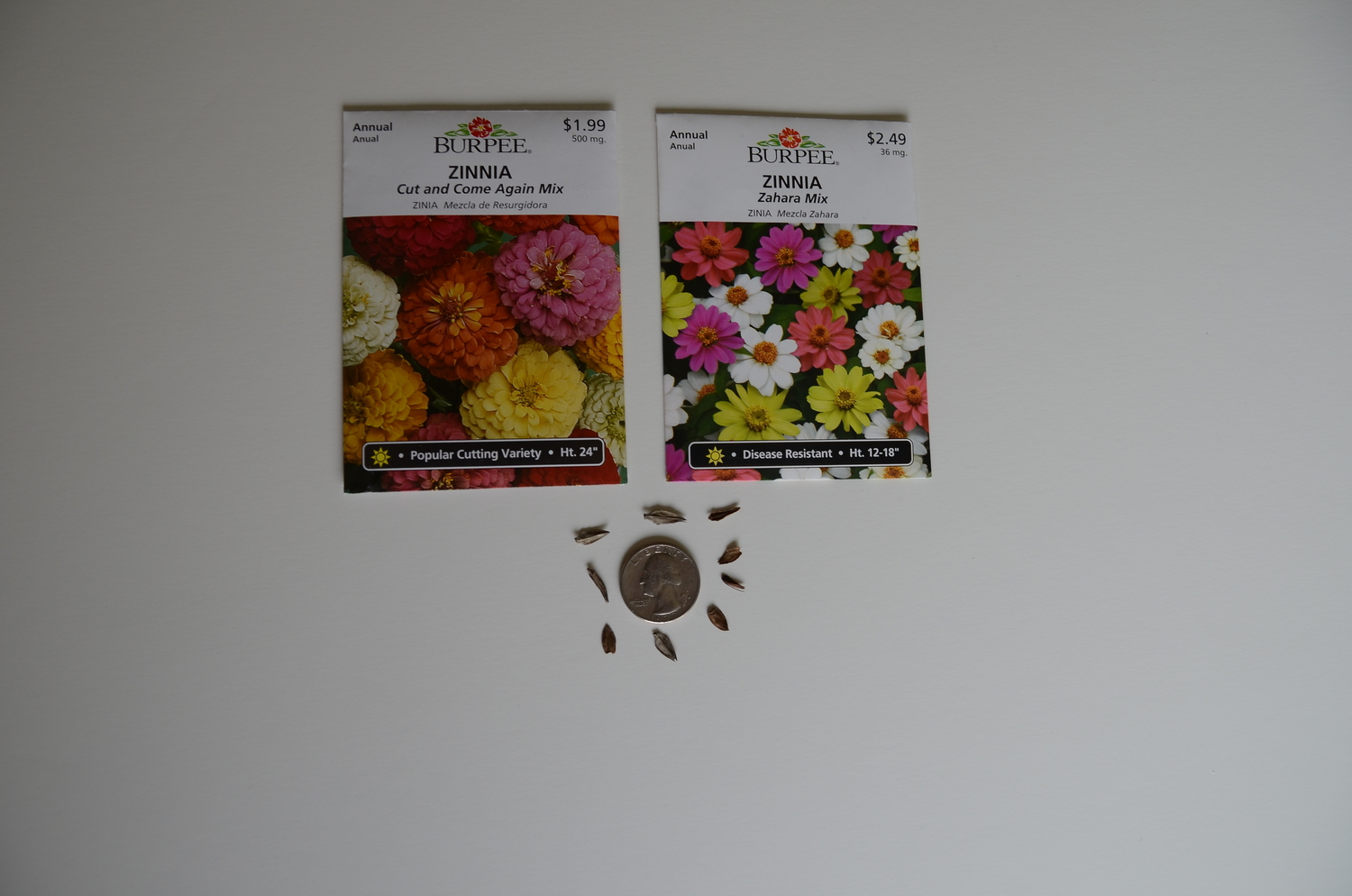
Children may think that seeds are all round, but these easily handled zinnia seeds teach that seeds have different shapes, as well as sizes. ANDREW MESSINGER
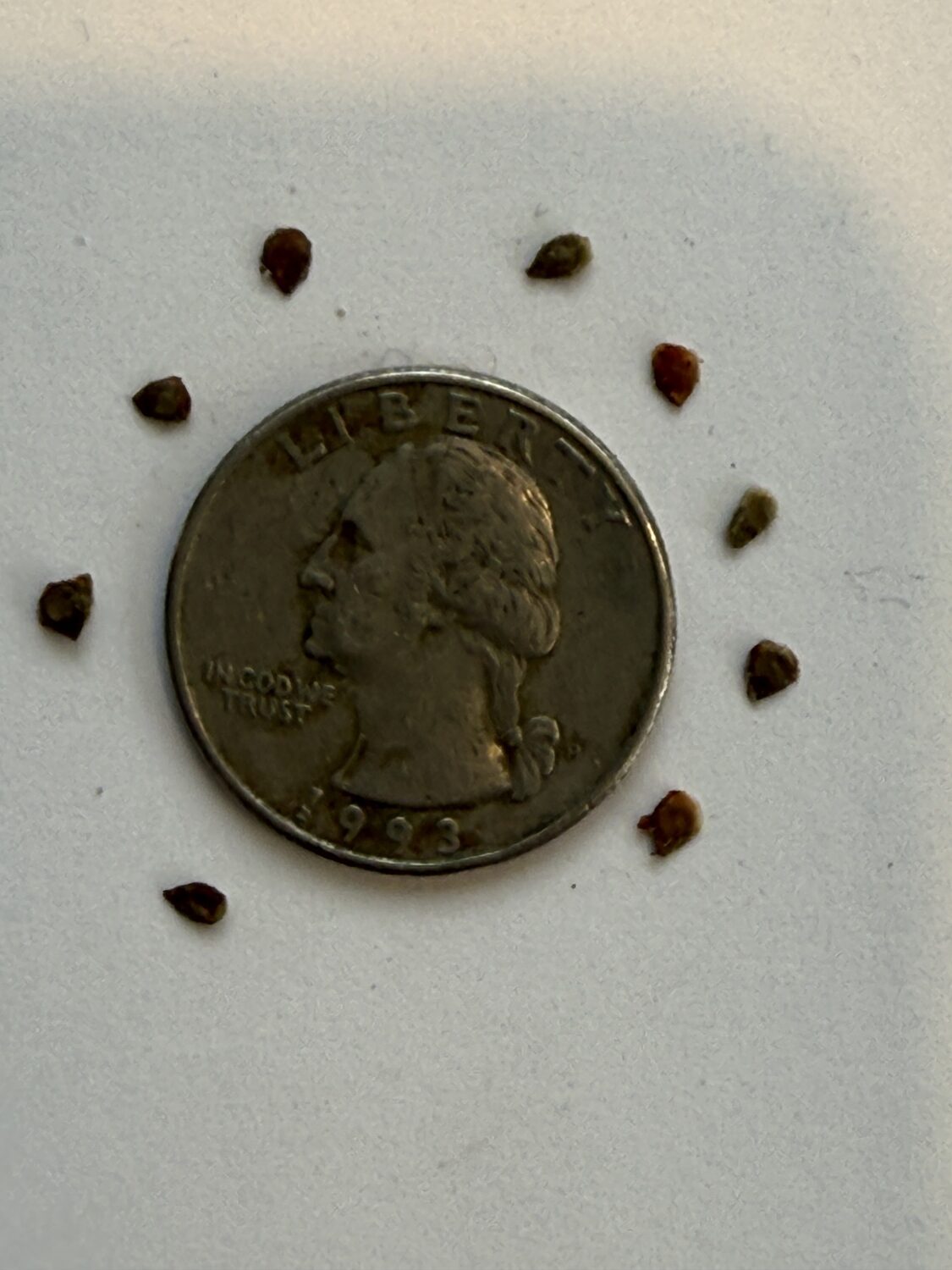
These are tomato seeds surrounding a quarter. The seeds are fairly small at 3 centimeters, but just lightly touching them makes them stick to a finger — even a small finger — allowing them to be moved or planted one at a time. ANDREW MESSINGER
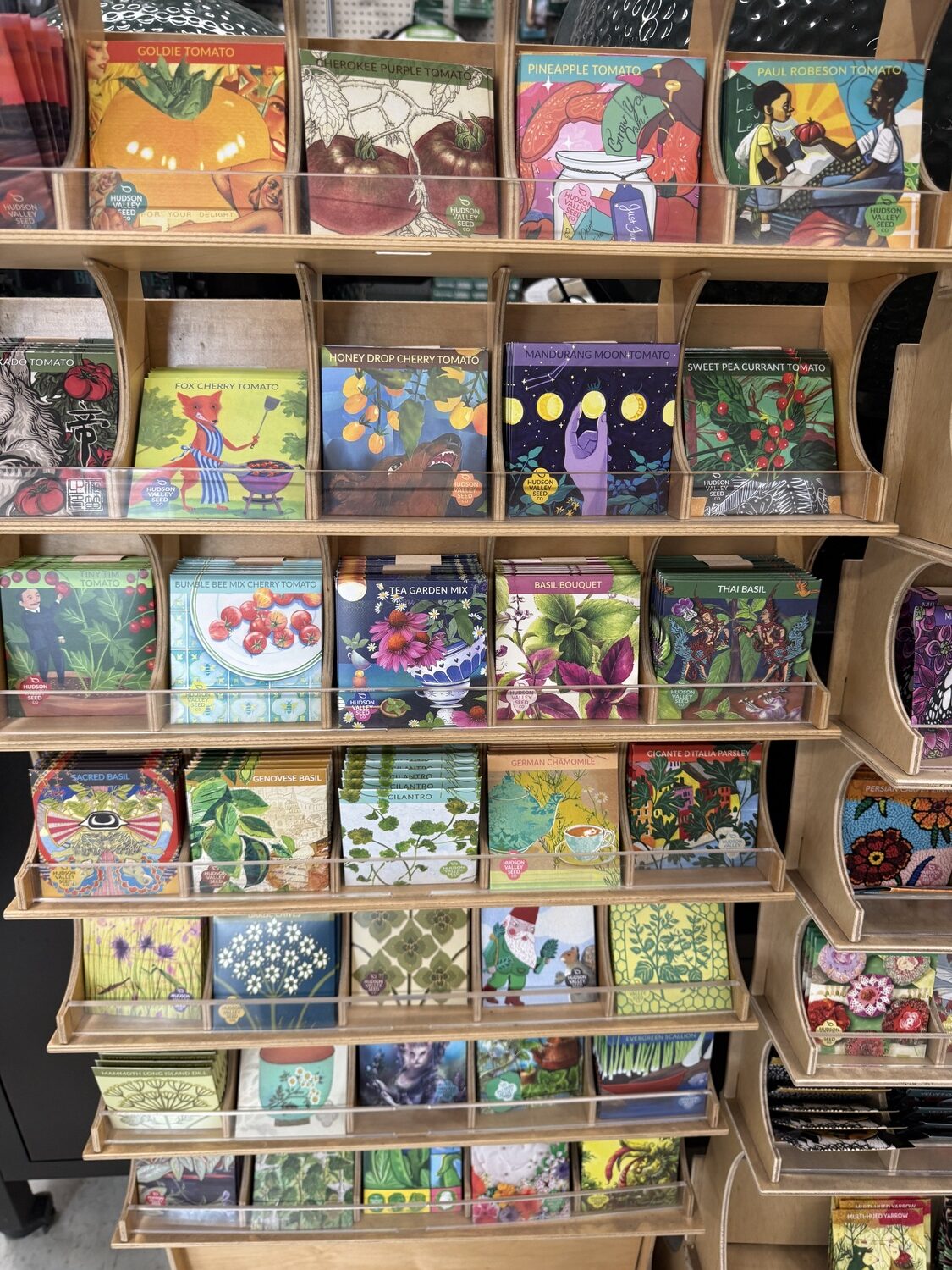
The seed packets from Hudson Valley Seeds have great artwork on them and many will appeal to kids. If they like the packets, they may love the seeds inside. ANDREW MESSINGER

The topic for this week’s column was going to be stocking stuffers and Hanukkah gifts for gardeners and, if you order now, everything should arrive on time. But I had a serendipitous moment that sent me on another track and back to the keyboard.
It all started at the recycling center.
As I backed in my truck to unload newspaper and cardboard, I ran into Beth, an old friend, who was getting rid of gardening magazines and gardening books. One of them was “Wildflowers Every Child Should Know” by Frederic William Stack. But before you go looking for this book, it was published in 1913. This got me thinking about kids and the holidays — and what we can give them to encourage any interest, active or latent, in gardening.
It hit me: Seeds! For children about 5 years old and up, there is nothing quite as amazing as planting a seed and watching as it germinates, grows and then flowers — in some cases, resulting in vegetables and other favorites, like pumpkins, gourds and watermelons. It can be an entire adventure if you’re willing to put in the time and have a bit of a plan. Who knows, you may unleash the talents of a future gardener or horticulturist, and there are myriad lessons of life they’ll learn in the process.
I think children as young as 5 or 6 have the curiosity and manual dexterity to work with seeds. However, my choices here are all larger seeds that are easy to sow both indoors and out. There is also a lesson in patience, considering we’re months away from sowing any of these seeds indoors and out, but in that time, you and the kids can plan where the seeds will be sown and if you’ll have a garden just for them.
My childhood garden began as a small plot inside my father’s larger vegetable garden. I still remember the corn as high as an elephant’s eye, the candy-sweet cherry tomatoes along with sugar snap peas that produced new pods for days on end. This led to my own little garden a hundred feet away and, years later, I was growing blueberries and raspberry bushes, as well as a range of vegetables.
It’s an opportunity to experience great success, as well as some failures, and all levels in between. As a parent, though, your job is to teach your kids that not every seed germinates, at times too many germinate, and that gardens need more than just seeds. There’s the soil, water, sun and, in some cases, pollinators and bugs — good and bad — as well as diseases, some that we can easily control and some that can get out of control.
Younger children will be more comfortable with larger seeds, as they are easier for tiny fingers to handle and manipulate. For flowering plants, look to sunflowers. They come in a wide range of heights, from 2 to 10 feet tall, and with flowers that range from 2 inches to 1 foot wide. A good selection of several varieties can teach a universe of diversity and yet, they are all in the same family of sunflowers. Classic sunflowers are yellow, while others also include browns and near reds in their colorful rays.
Of similar size are pumpkin seeds and, again, a great lesson in diversity since pumpkins have a range of skin textures, colors and sizes — from a few inches to well over a foot in diameter — and can weigh as much as the child.
Remember that some of these seeds will result in plants that like to sprawl — as pumpkins and colorful gourds do. But if you’re short on space, you can use varieties that are bush types instead of vine types. And don’t forget that many pumpkins have lots of seeds that can be used for roasting and toasting. Great for snacks.
If the children you’re growing with like strange shapes and colors, then they’ll enjoy growing gourds. Buy a packet of mixed gourd seeds and the mystery will last from the day of planting to the day of harvest, as you never know what you’ll get. With various skin textures, shapes and sizes, as well as a range of colors, this is the kind of seed you can plant in any sunny garden and forget about it. Come fall, when other things are fading away, the gourds magically appear in the garden to the delight of the growers. One variety can even be dried and used as a birdhouse and some make interesting percussive instruments when dried then rattled.
While your young kids or grandchildren may not like to eat beans, they will certainly enjoy the story of “Jack and the Beanstalk,” and planting bean seeds. They can be green — as in string beans — yellow and purple, or the more ornamental scarlet runner bean that can vine 10 feet long on a fence or among other plants. Just the name of one variety, “Dragon’s Tongue,” from Johnny’s will get them curious.
Cucumber seeds are slightly smaller than pumpkin seeds, but still easy to handle. Another lesson in diversity here as there are cukes grown for pickling, slicing and salads. Depending on the variety, the fruits can be short and stubby to a foot long, as in the English slicing cukes. Some have spines, while others are smooth.
As we all know, there are many types of corn — including corn that’s grown as an ornament due to the varied and bright colors of the kernels. There are shorter corn varieties for smaller gardens, bicolored, white and yellow corn. Depending on the variety, the stalks will reach from 3 feet tall to, as previously mentioned, as tall as an elephant’s eye. Corn is space-hungry, except for the smaller varieties, and they need to be planted in rows or blocks for good pollination.
Watermelons have large and easily handled seed, but our growing season really isn’t long enough for the large types like Charleston Grey. There are bush and vine types that produce melons the size of large grapefruits that the kids will love. An important note, though: Half the fun for kids is playing with and shooting the seeds, so if that’s on the agenda, make sure you don’t buy a seedless variety.
Last on the vegetable list are tomatoes, which are really fruits and not vegetables. Explain that to your 6 year old. Tomato seeds are small, but not tiny, and the kids will need some guidance on how to handle and plant one seed at a time in cells or peat pots. There are also indeterminate (long vine) and determinate types (bush), so the size of your garden or pot may determine which you grow. Part of your lesson plan should include that determinates grow a set size, while indeterminates will grow vines longer and longer until it gets too cold.
Burpee’s Sweet 100 is the variety I remember from my childhood, as it has cherry-sized, red, sweet fruit that few kids can turn down. It grows on long vines and will often fruit out here well into October for a long season of tiny treats.
Meanwhile, radishes aren’t every kid’s pick for a vegetable, but they grow fast and a mild variety might work well. Radishes are generally red, but there are also long white varieties, though I suspect the kids will want the fastest growing reds.
If your kids aren’t into veggies, there are plenty of flowers they can grow from seed. To satisfy the need for instant gratification, I’ve limited the choices here to annuals, but still, it can take a few months from sowing the seed until the flowers start.
Marigold seeds are long and thin, but still easily handled, and they can be planted by pushing the seed (dark end first) into the ground. Marigolds come in a variety of flower types and sizes, from 1 inch wide to 3 or 4 inches in diameter, and the colors range from yellows to oranges and a few other novelties.
Zinnia seeds are larger and easy to handle. You can get seeds for very small varieties, as well as tall types that are used as cut flowers. They come in many colors and flower styles, growing from under 1 foot to as high as 4 feet tall.
Cosmos also have easily handled seed and the plants tend to be tall, as most are grown for cut flowers. However, the range of colors includes whites, reds, pink, peach, bi-colors and double-flowered types.
Nasturtiums are another flower to consider and annual poppies can simply be scattered on a small garden section. The seedlings will need some thinning, but these germinate in about a week.
It’s one thing to stuff the seed packets into stockings or envelopes for Hanukkah, but remember that it will be a while before the seed can be sown. All can be sown outdoors when the soil warms, or indoors 6 to 12 weeks (see the seed packet) before outdoor planting — if you have the right place to start them, transplant them into cells and grow them on. This is where it becomes a joint project between parent and child.
Hudson Valley Seed has some seed packets that are pretty amazing — with great artwork — but also consider Burpee and Johnny’s. Expect to spend $3 to $7 for a packet of seeds and if you don’t plan on direct planting in the garden, you still need a plan for getting them going indoors in a way that the kids can participate.
Next week, stocking stuffers and Hanukkah gifts for adults. Keep growing.
More Posts from Andrew Messinger


