


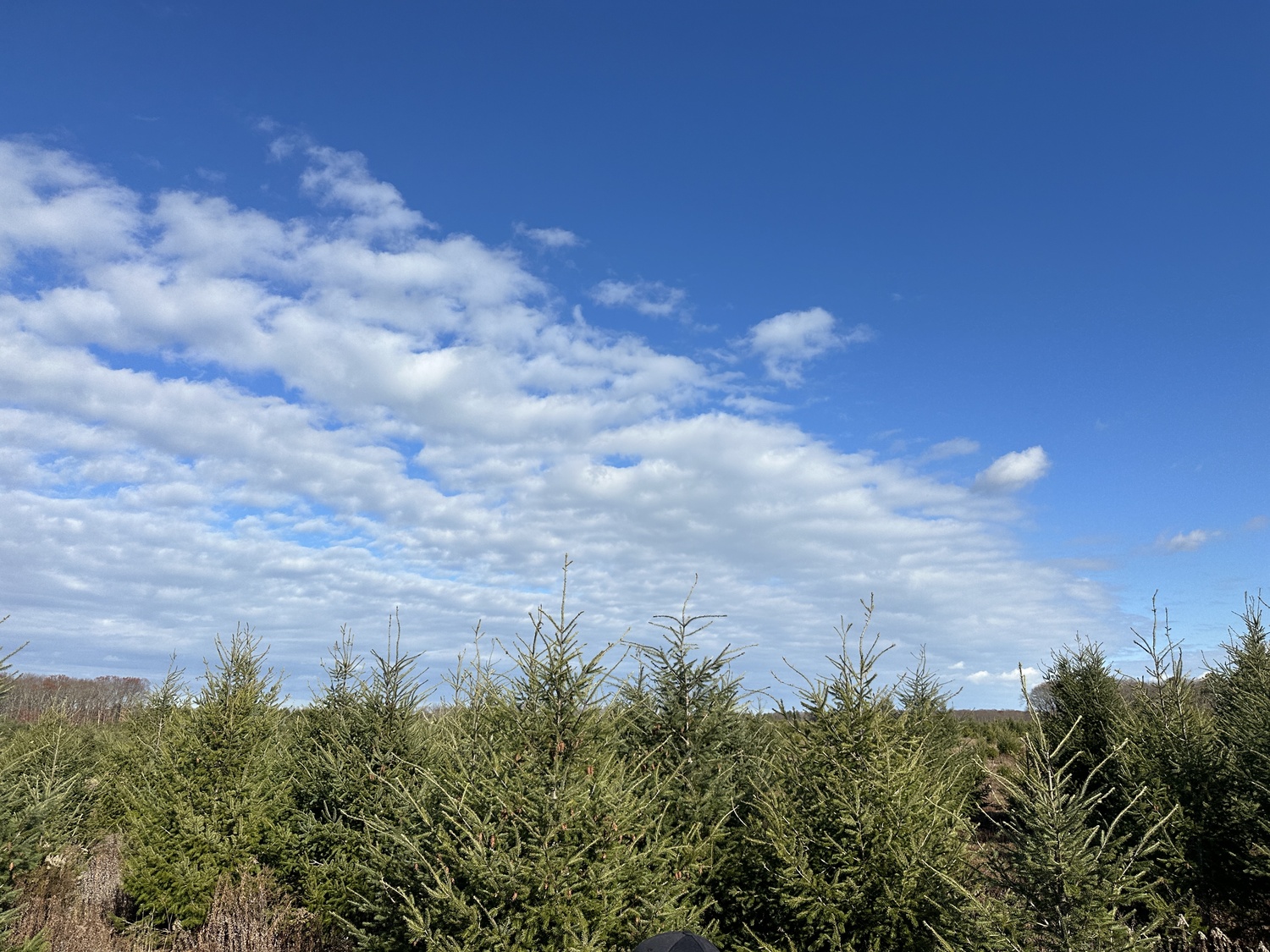
 7 Photos
At the Lewin Farms cut-your-own Christmas tree farm in Calverton. BRENDAN J. O'REILLY
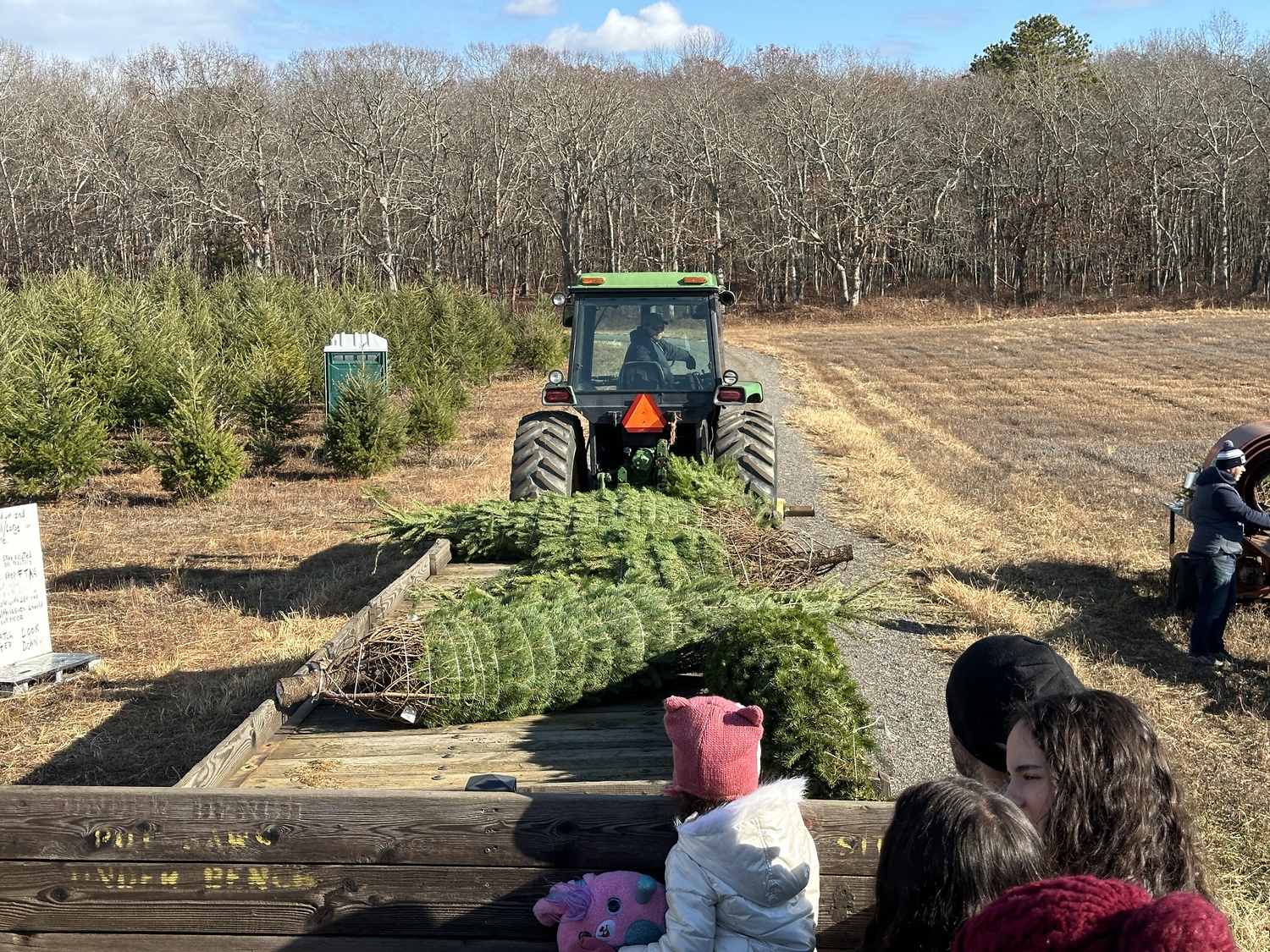
At the Lewin Farms cut-your-own Christmas tree farm in Calverton. BRENDAN J. O'REILLY
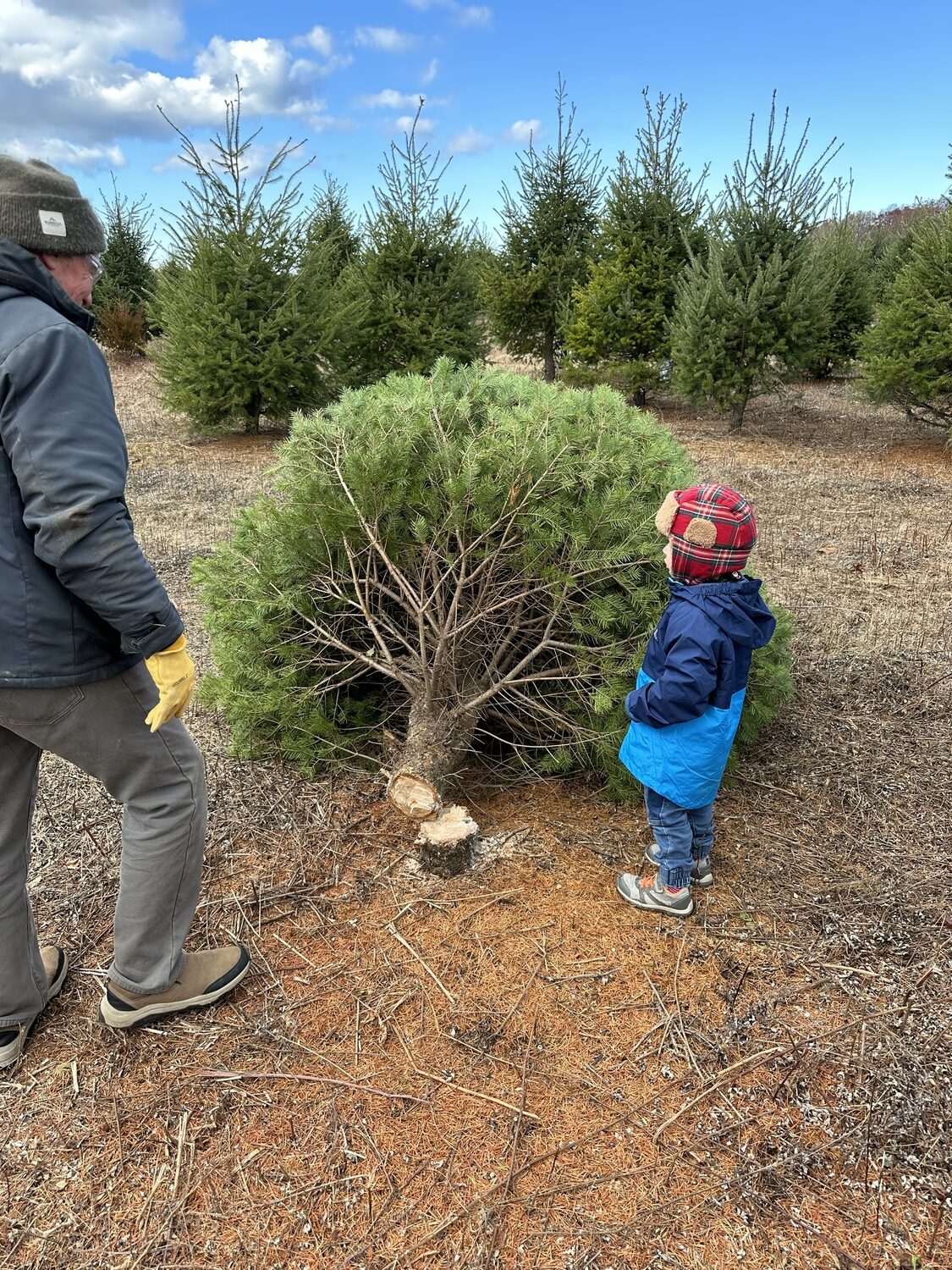
At the Lewin Farms cut-your-own Christmas tree farm in Calverton. BRENDAN J. O'REILLY
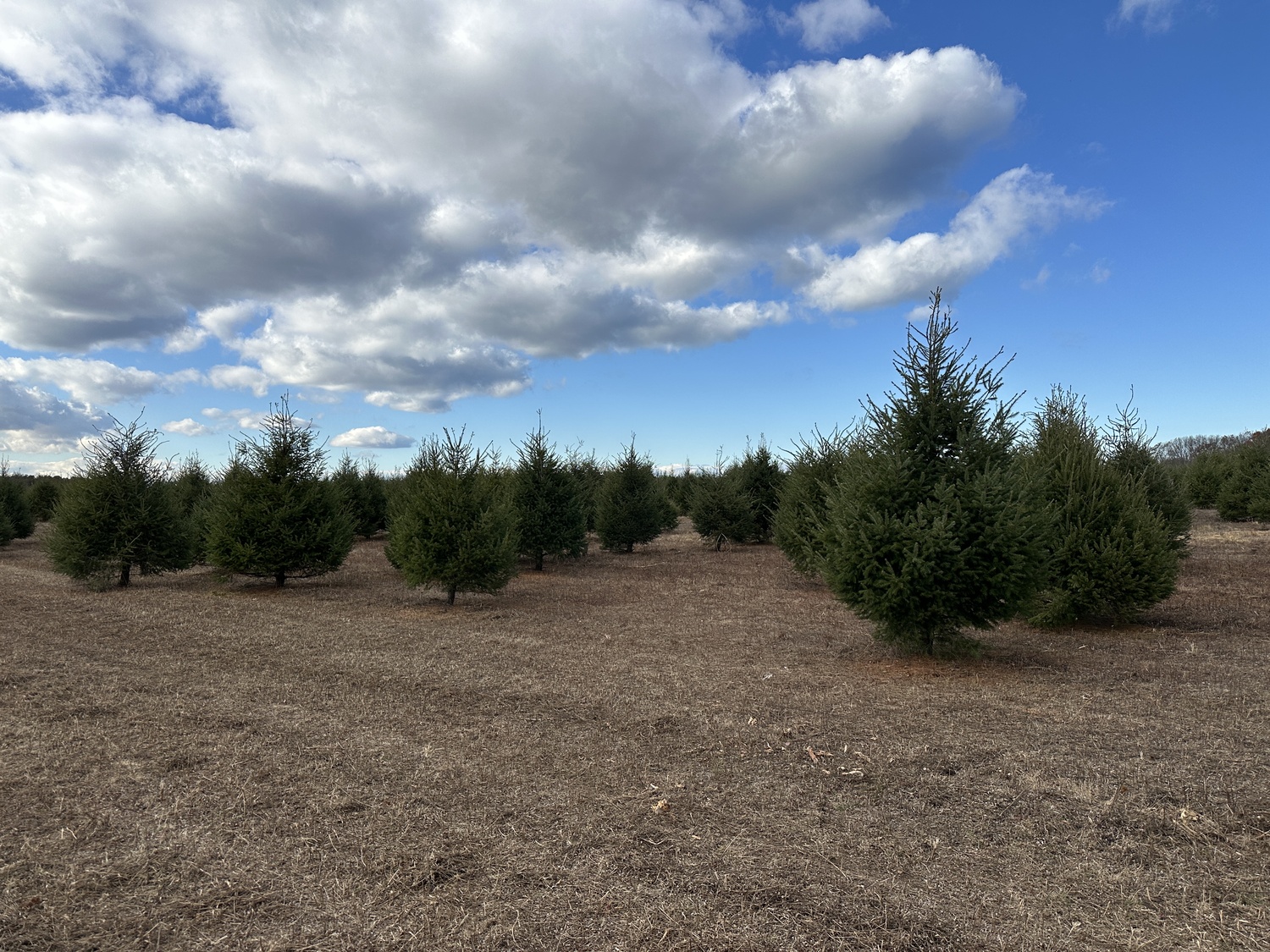
At the Lewin Farms cut-your-own Christmas tree farm in Calverton. BRENDAN J. O'REILLY
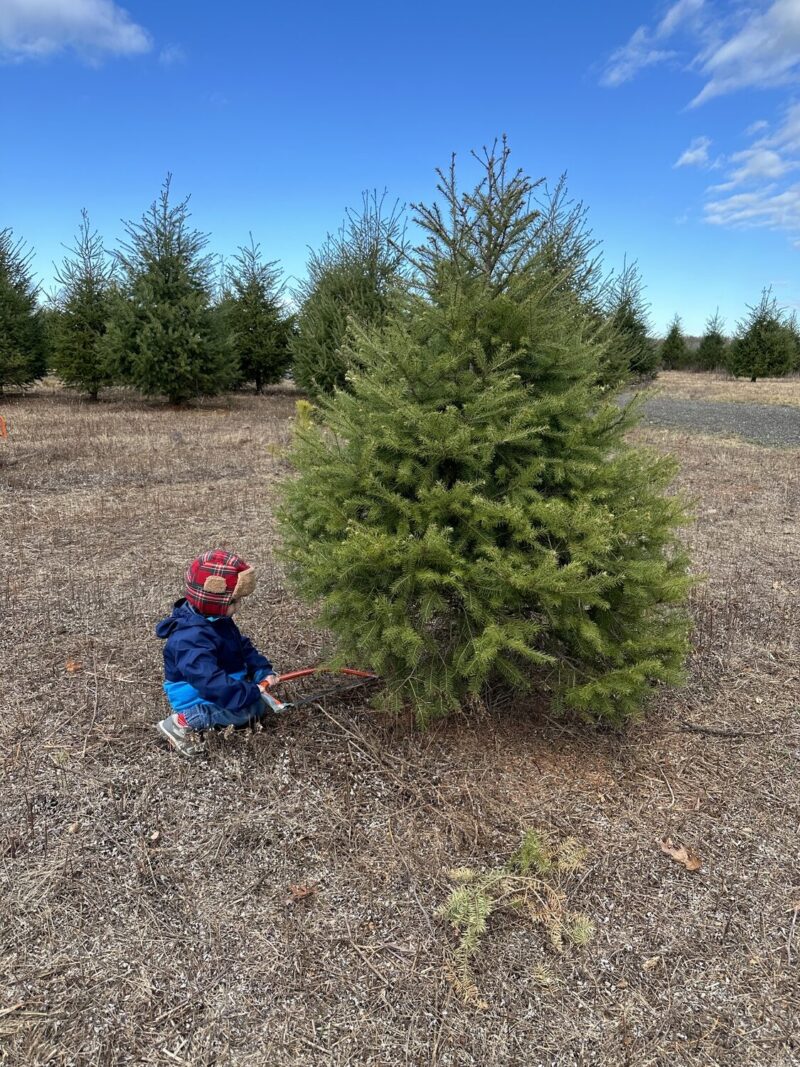
At the Lewin Farms cut-your-own Christmas tree farm in Calverton. BRENDAN J. O'REILLY
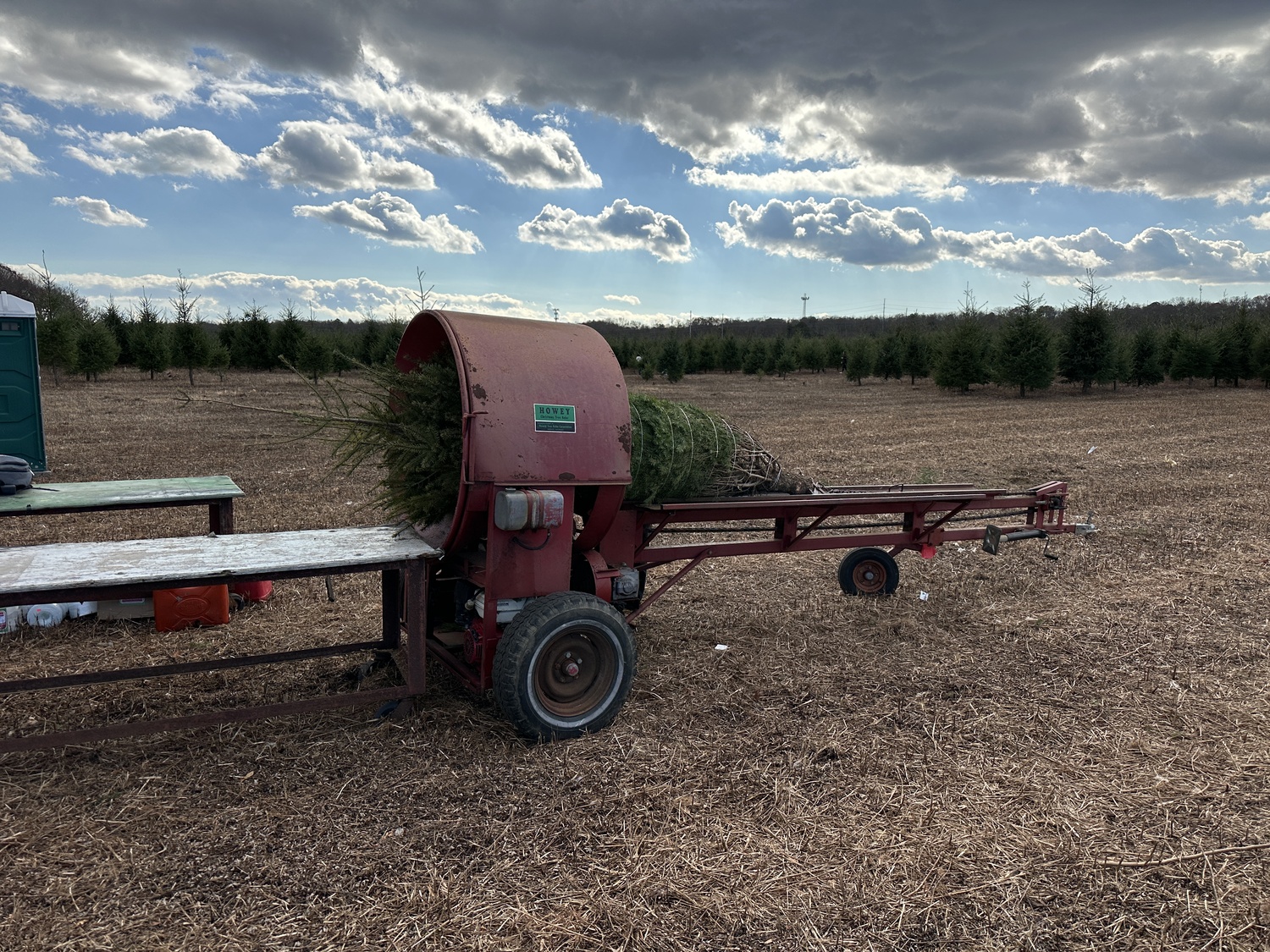
At the Lewin Farms cut-your-own Christmas tree farm in Calverton. BRENDAN J. O'REILLY
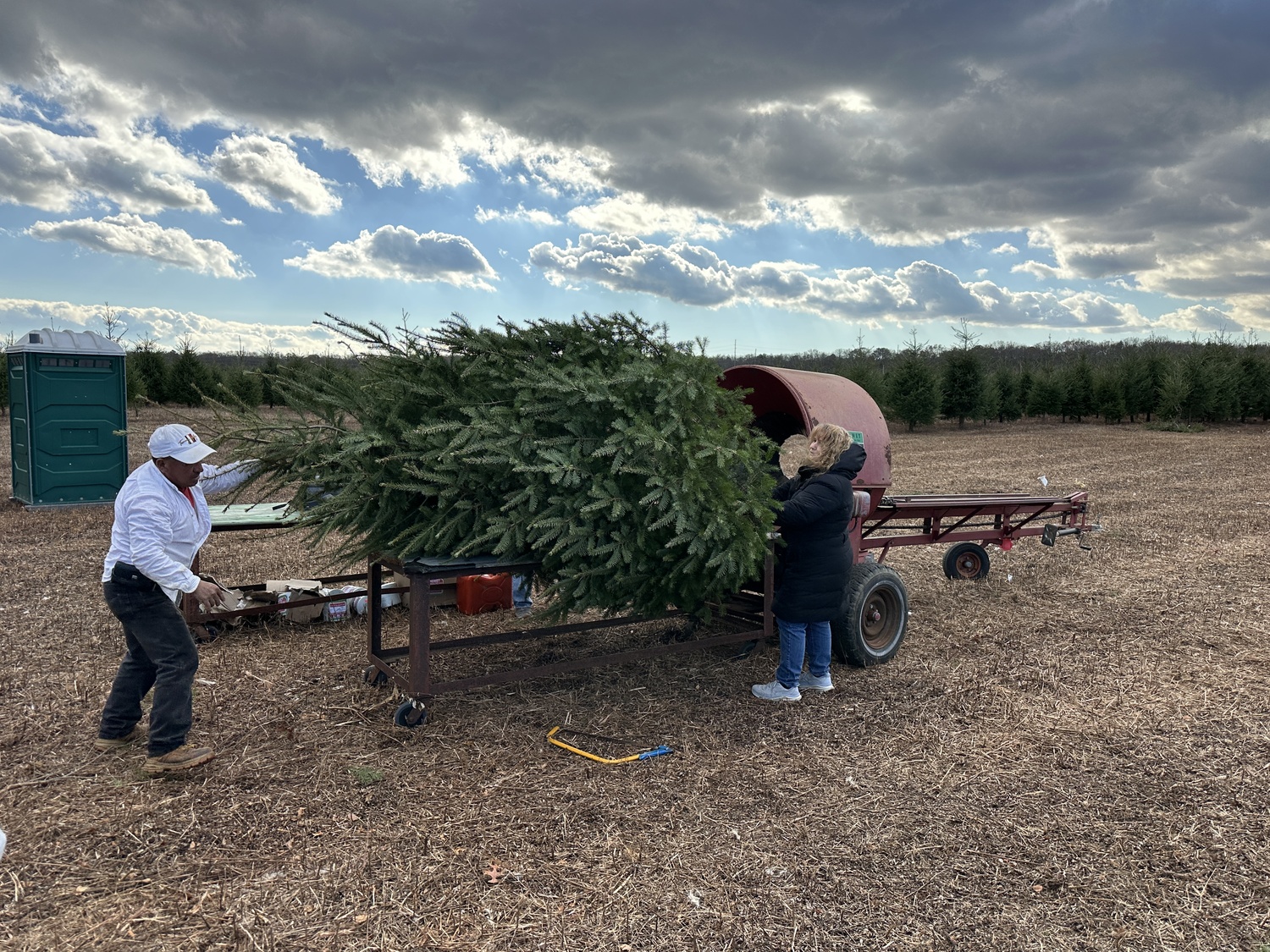
At the Lewin Farms cut-your-own Christmas tree farm in Calverton. BRENDAN J. O'REILLY
For the Christmas traditionalists out there — who need to have a real tree — this year should bring some big advantages.
Prices are holding steady at about the same as last year and while many trees are grown domestically, there are no tariffs on trees imported from Canada. But those planning on buying an artificial tree, or stocking up on ornaments, may face a different scenario.
About 84 percent of Christmas tree growers say they anticipate no wholesale price increases this year and some may even have lowered prices, according to a survey by the Real Christmas Tree Board. On the consumer side, a significant number of households are buying multiple trees. One report noted that nearly a third of homes plan to put up more than one tree — the second often for a child’s bedroom or play area, or to decorate other rooms and outdoor spaces.
Artificial trees and holiday ornaments, nearly all of which are imported from China, have been grinched this year by tariffs. Shoppers looking for fake Christmas trees and decor may have fewer choices and will likely face higher prices, as tariffs force retailers to scale back orders while they assess customer budgets, according to the American Christmas Tree Association (ACTA).
Locally, retailers are bracing for holiday shoppers and expect this season to be a lively one.
“Our trees have landed and are ready to go,” Sam Raymond, director of business development at Hamptons Nursery and Landscapes in Hampton Bays, reported. “For some, coming here is a tradition. Our trees come from the same upstate New York farm that serves the White House.”
Hamptons Nursery and Landscapes predominantly carries Fraser firs, a low-shed tree, and also stocks several spruce varieties, wreaths and ornaments. Their tallest trees are between 10 and 11 feet, Raymond said. Be prepared to pay about $120 for a 6-foot tree.
“Black Friday is the kick-off day. It’s all hands on deck here,” Raymond said. “We haven’t seen any serious price increases for trees and are holding our prices steady. We appreciate those who shop locally.”
At Matt’s Christmas Tree Farm in Manorville, where all trees are grown on the premises, there are some 10,000 trees to choose from — ranging from 2 to 8 feet tall at $15 per foot. Matt’s is strictly for the do-it-yourselfer.
“Everything is cut your own,” proprietor Matt Marple said. “We’ll give you the saw. It’s a great tradition for lots of families. We grow mostly Norway spruce followed by white spruce and a handful of blue spruce. Spruce grow well here and are deer resistant.”
Ella Schultz, a designer with the Laurel Group in Water Mill, says the Fraser fir — known for strong needle retention, a pleasant citrusy scent and pyramid-like shape — is the most popular tree they offer. Inventory, so far, is flush.
“People want modern cozy,” she said. “They’re going back to the rustic look. We see this in wreaths, as well, many of which have floral and berry highlights. We’re also seeing coastal touches.”
Nearly a quarter — 23 percent — of those asked in a Real Christmas Tree Board survey said they plan to buy a real Christmas tree for the first time this season. They may be able to enjoy some extra calm and a healthy dose of joy when they do.
However, not everyone’s happy about shopping this year. Americans are increasing holiday spending by about $2,800 per household — a jump of almost 60 percent from 2024, according to new data from the BMO Real Financial Progress Index.
The rise can be attributed to a combination of pent-up demand and the strain of higher prices. Inflation, most of it tariff driven, is pressuring consumers as 62 percent of respondents to the survey reported feeling worried about an “intensifying” cost of living.
Over the past year, miscellaneous spending has nearly doubled from $140 to $220, the data said. Nearly two-thirds of survey takers said they’ve changed how they shop because of unpredictable pricing, while over half say holiday planning causes stress — levels of which are higher among parents with young children.
Prices are expected to be 10 percent to 20 percent higher this year for artificial trees, nearly all of which come from China — the remaining balance from Vietnam, Cambodia and Thailand. Consequently, artificial tree demand has dropped. Balsam Hill, a leading manufacturer of reusable, artificial Christmas trees, has introduced the world’s first Christmas trees made from plant-based plastic derived from sugarcane, according to the company. They are fully recyclable.
China is also the largest exporter of Christmas decorations to the United States, accounting for 87 percent of imports last year — worth slightly under $4 billion, according to data from the United States International Trade Commission. Shoppers may find that Christmas decor prices are 15 percent to 20 percent higher than last year, according to the ACTA, and some items could be difficult to find.
“Our ornaments come from a variety of sources,” Raymond said. “We haven’t seen any noteworthy price increases for them.”
Beyond trees and ornaments, Michael Lucci of East Hampton Florist said customers are pining for time-honored ornamentals this year, including plants that add warmth and striking color to a home while requiring little maintenance.
“The candy cane poinsettia is popular, but so are the traditional solid red and white classics,” he said.
The red-and-white speckled or striped alternatives provide a colorful twist to the classic solid red or white varieties. Decorating a pot or basket with real or artificial candy canes and placing a standard poinsettia inside is another holiday tradition.
“The Christmas cactus is a popular, slow grower that requires very little water. It depends on one’s green-thumbness,” Lucci said. “They have red, orange or white blossoms. They can grow tall, but often expand.”
Unlike desert cacti, Christmas cacti are tropical plants that need bright, indirect light and moderate watering. The amaryllis is also a popular holiday flower. Similar to the poinsettia, its bright petals come in solid red, or red with white highlights.
“An indoor bulb variety, it can be cut back and grown for multiple seasons,” Lucci said, noting that it usually reaches 18 to 24 inches tall.
When it comes to tree variety, freshness and overall condition, plan to buy a real Christmas tree in early December. To score the best price, wait until the week before Christmas. The risk here is that selection will likely be very limited and what’s left may not be as fresh.
When checking for tree freshness, gently pull on some branches. If only a few needles come off, the tree is fresh. Once home, regularly water your tree, especially during the first few days, and keep it away from heat sources to prevent drying. You can also mist your tree with water, as the branches will likely absorb moisture, but be sure to turn off lights or other electricity sources connected to the tree.
For those who wait to buy on the first Saturday in December — the second-most popular day for tree shopping — prices tend to drop by about 10 percent to 15 percent, according to Square Research, which studied tree-shopper behavior. The closer it gets to Christmas, the farther tree prices tend to fall as demand weakens.
By the week before Christmas, it’s not unusual for retailers to have sold 90 percent of their trees and will generally lower prices to clear inventory. “You can wait for a deal,” Raymond said, “but we will not be ordering additional trees this year.”
While the cheapest time to buy a Christmas tree may be right before the holiday, the best time is when it provides maximum joy. Consider Marple’s advice: “Get a big stand that holds lots of water. It’s a big flower in a vase.”


