


 12 Photos
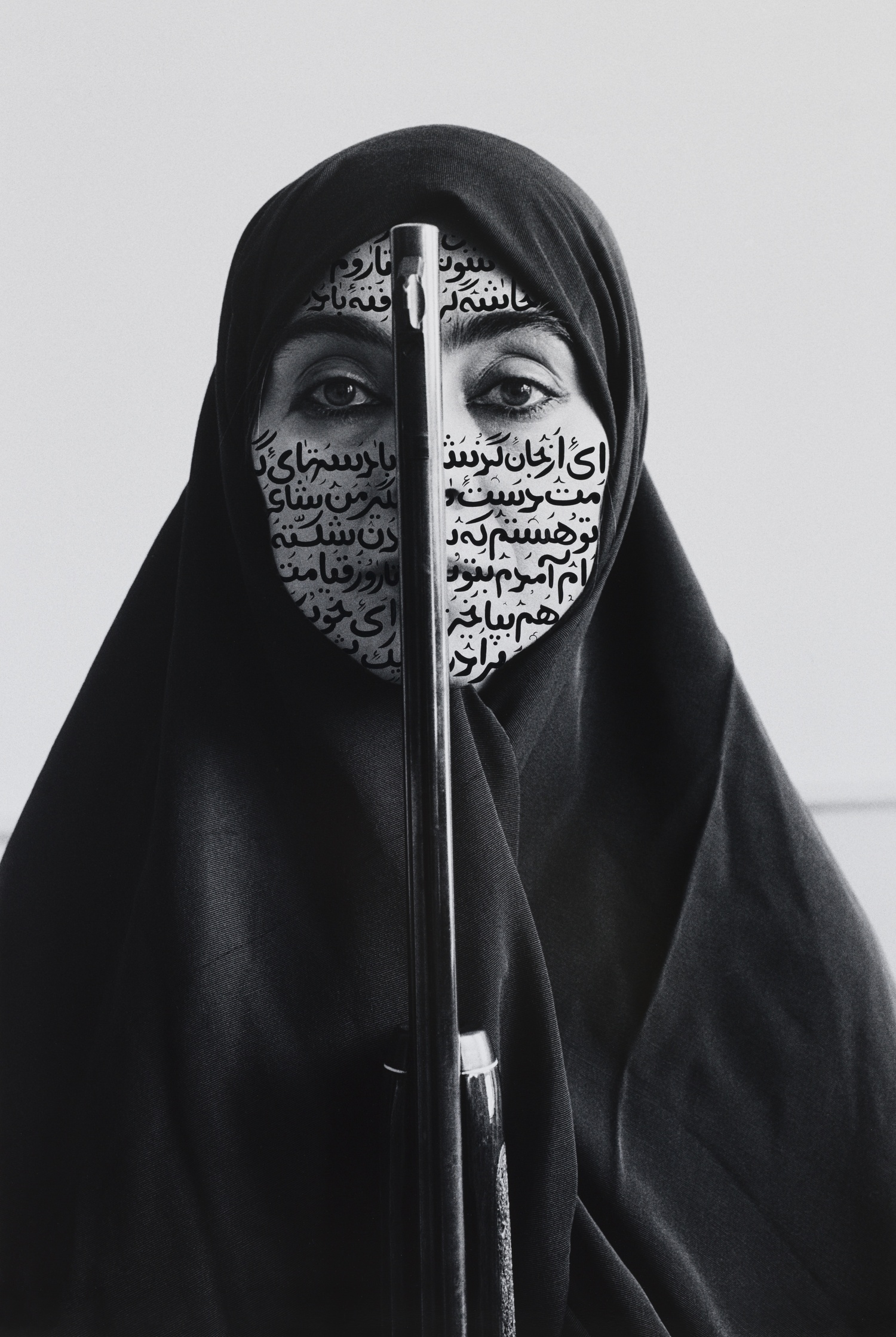
Shirin Neshat, "Rebellious Silence," 1994. RC print & ink. COURTESY OF THE ARTIST AND GLADSTONE GALLERY
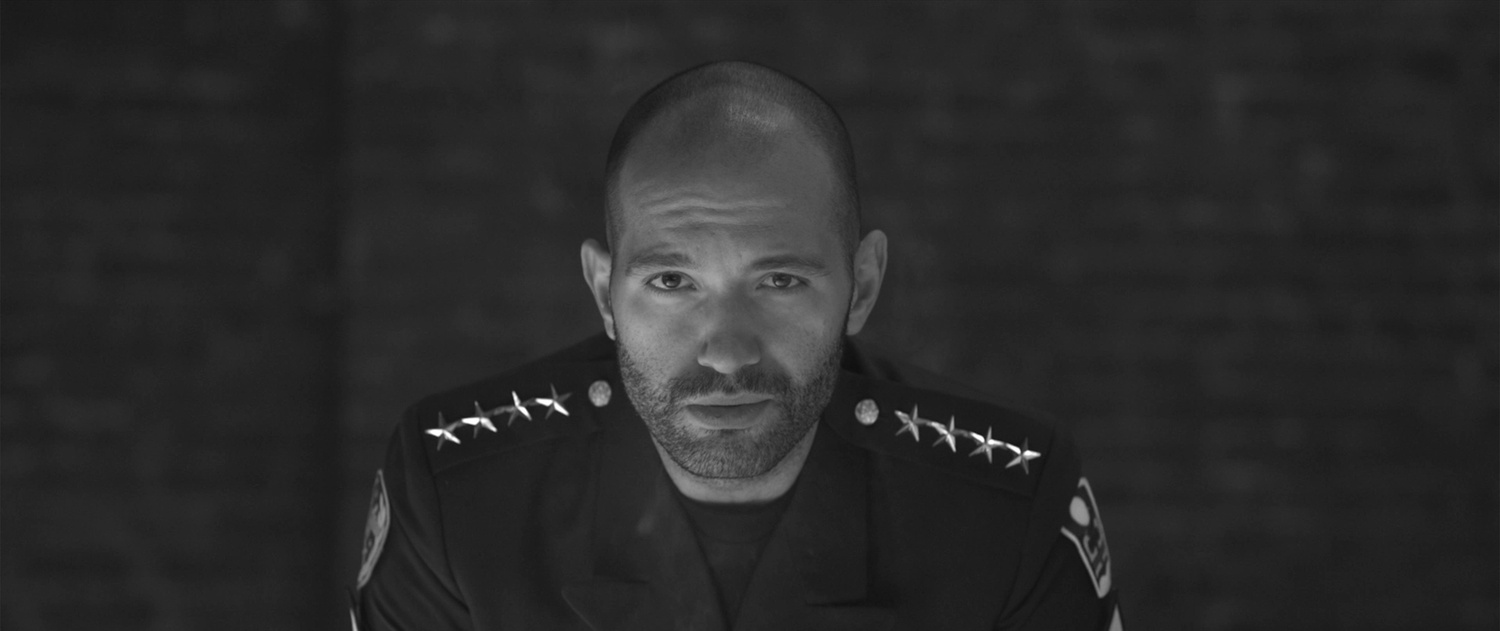
Shirin Neshat, "The Fury," 2023. Video still. COURTESY OF THE ARTIST AND GLADSTONE GALLERY
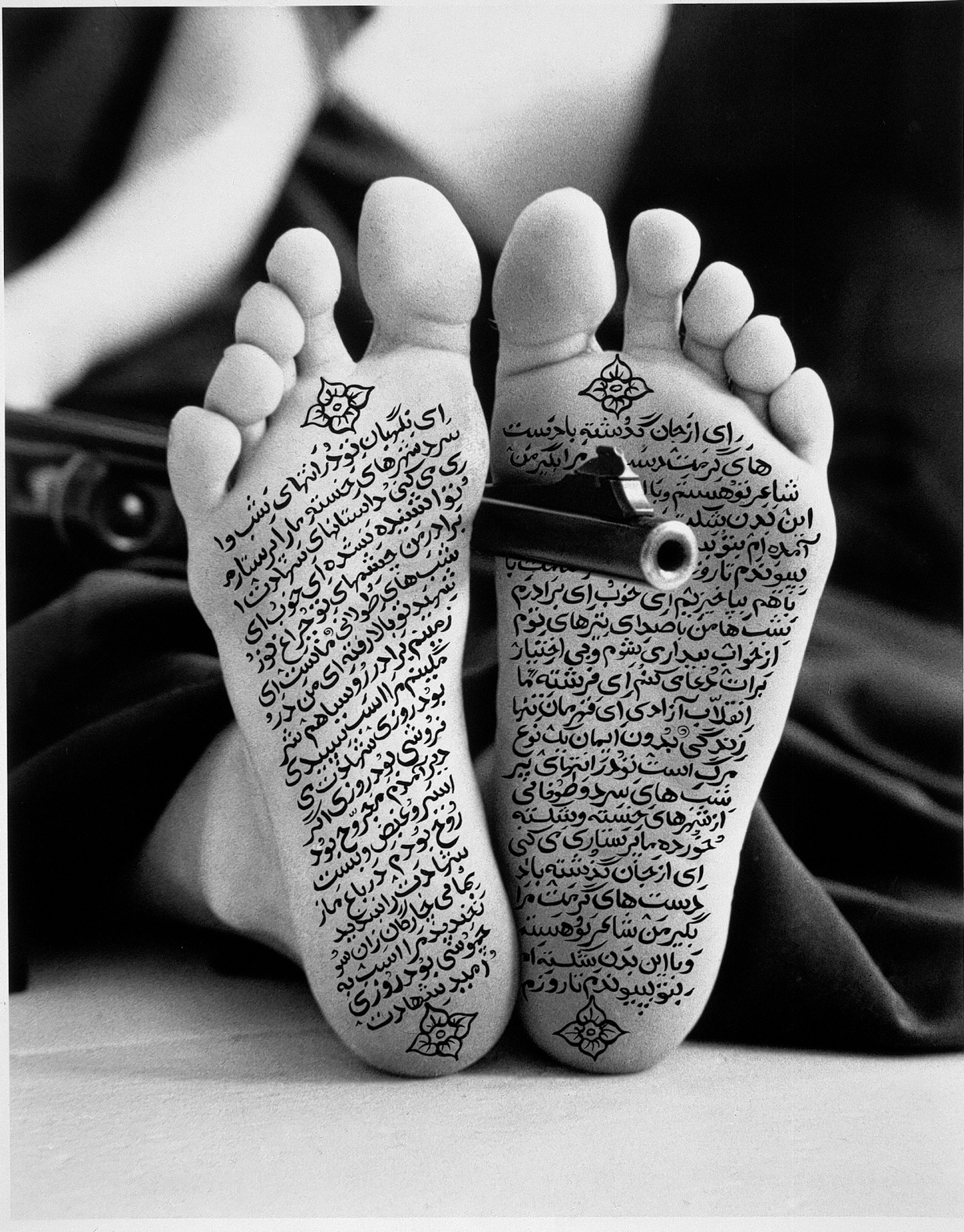
Shirin Neshat, "Allegiance With Wakefulness," 1994. RC print & ink. COURTESY OF THE ARTIST AND GLADSTONE GALLERY
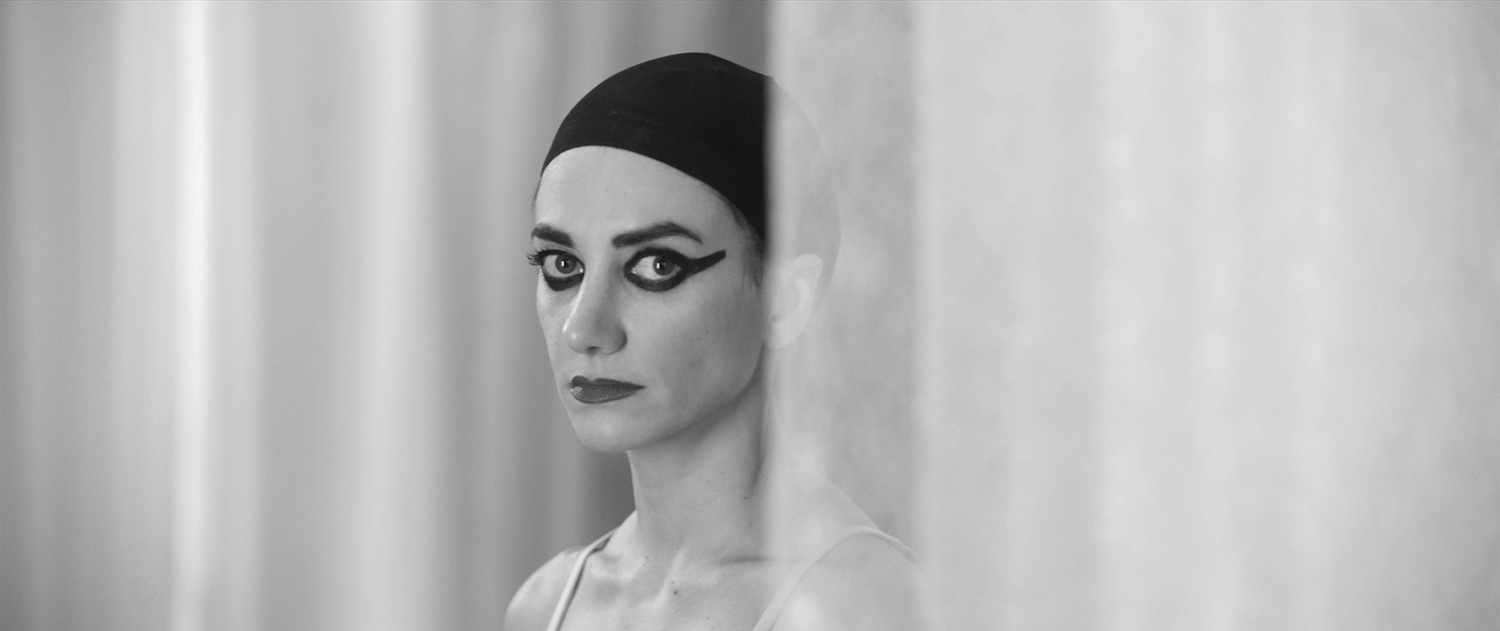
Shirin Neshat, "The Fury," 2023. Video still. COURTESY OF THE ARTIST AND GLADSTONE GALLERY
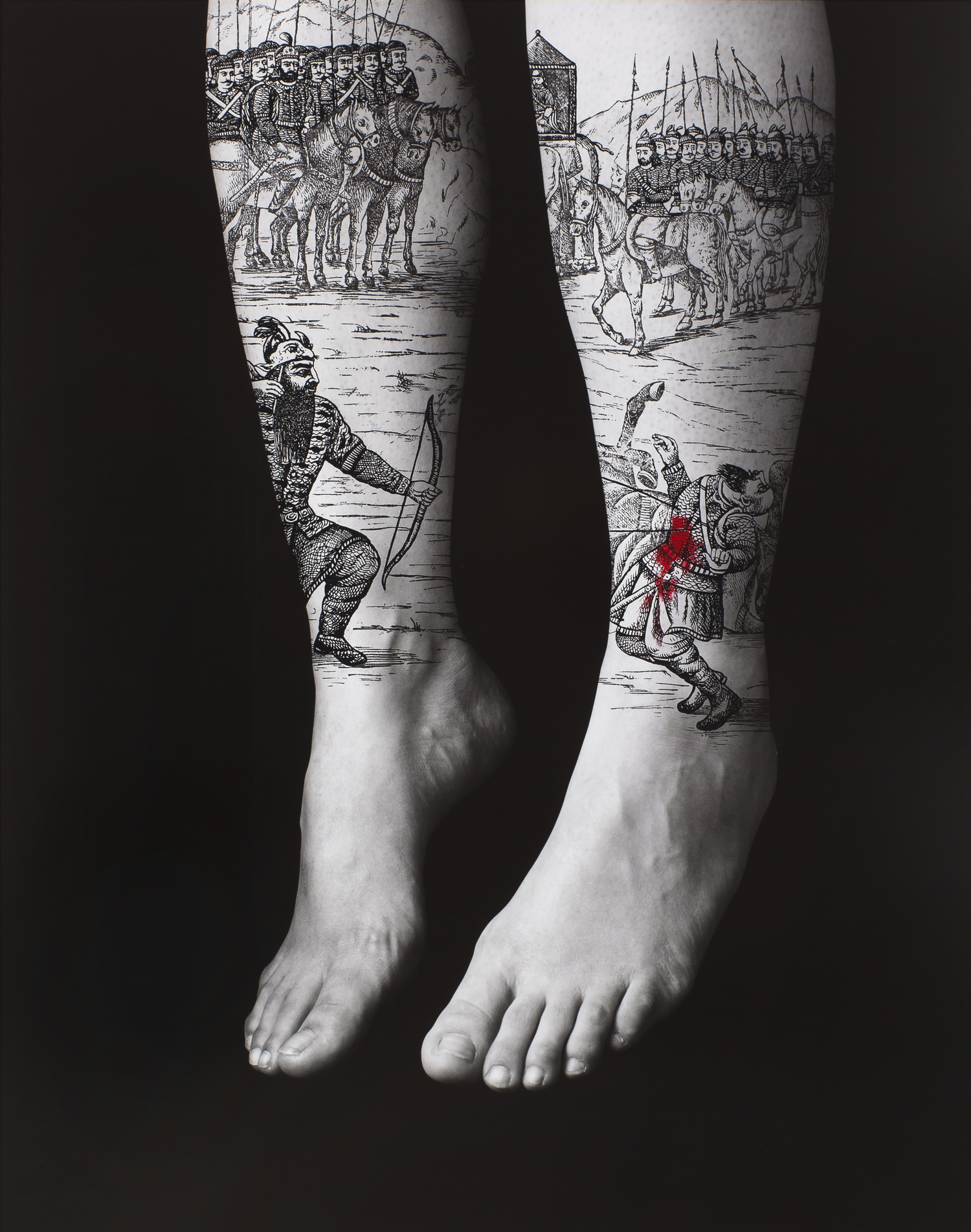
Shirin Neshat, "Divine Rebellion," from "The Book of Kings series," 2012. Acrylic on LE silver gelatin print. COURTESY OF THE ARTIST, GLADSTONE GALLERY, NEW YORK AND NOIRMONTARTPRODUCTION, PARIS
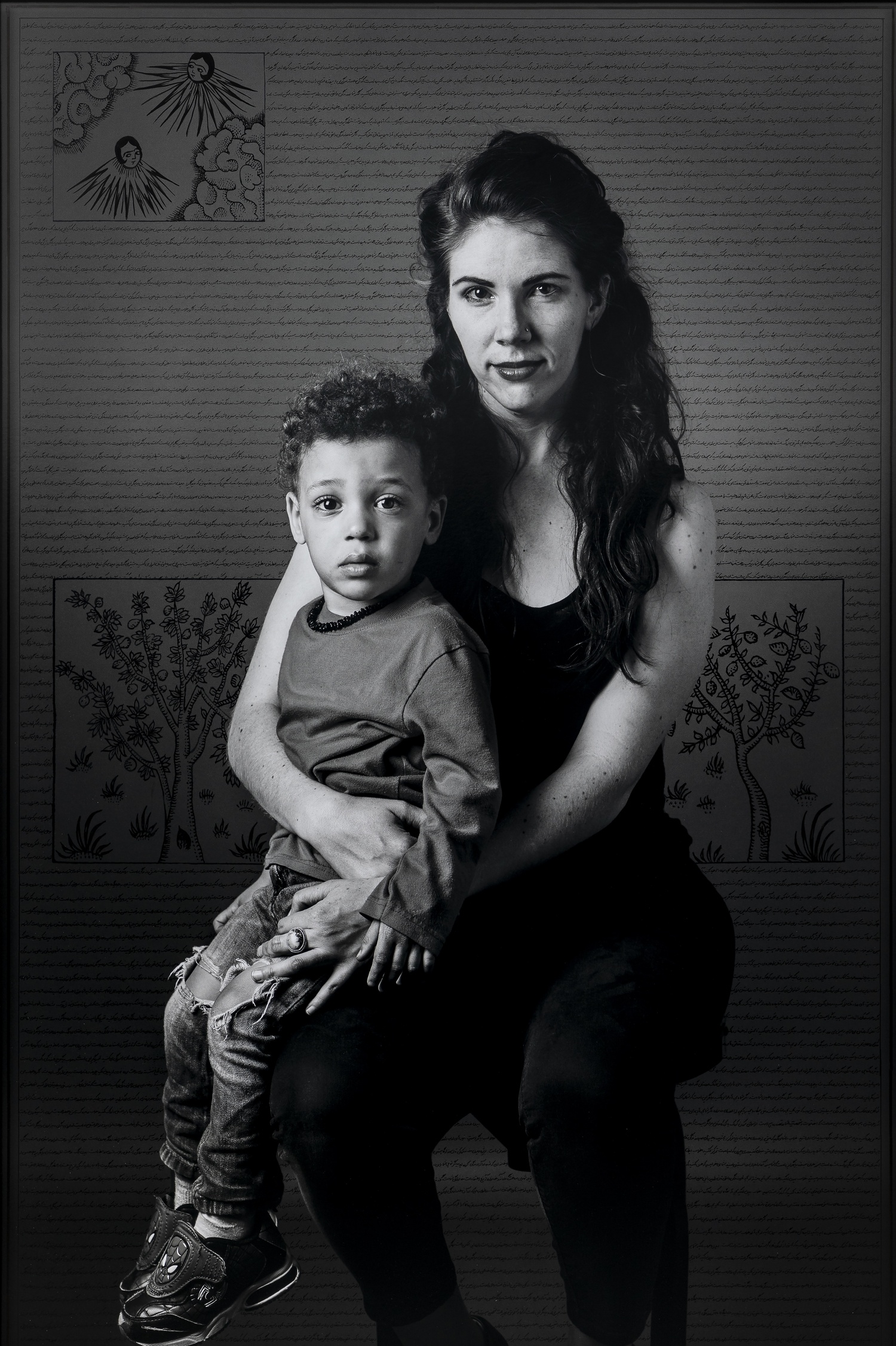
Shirin Neshat, "Magali & Phoenix," from "Land of Dreams series," 2019. C-print with ink and acrylic paint. COURTESY OF THE ARTIST AND GLADSTONE GALLERY
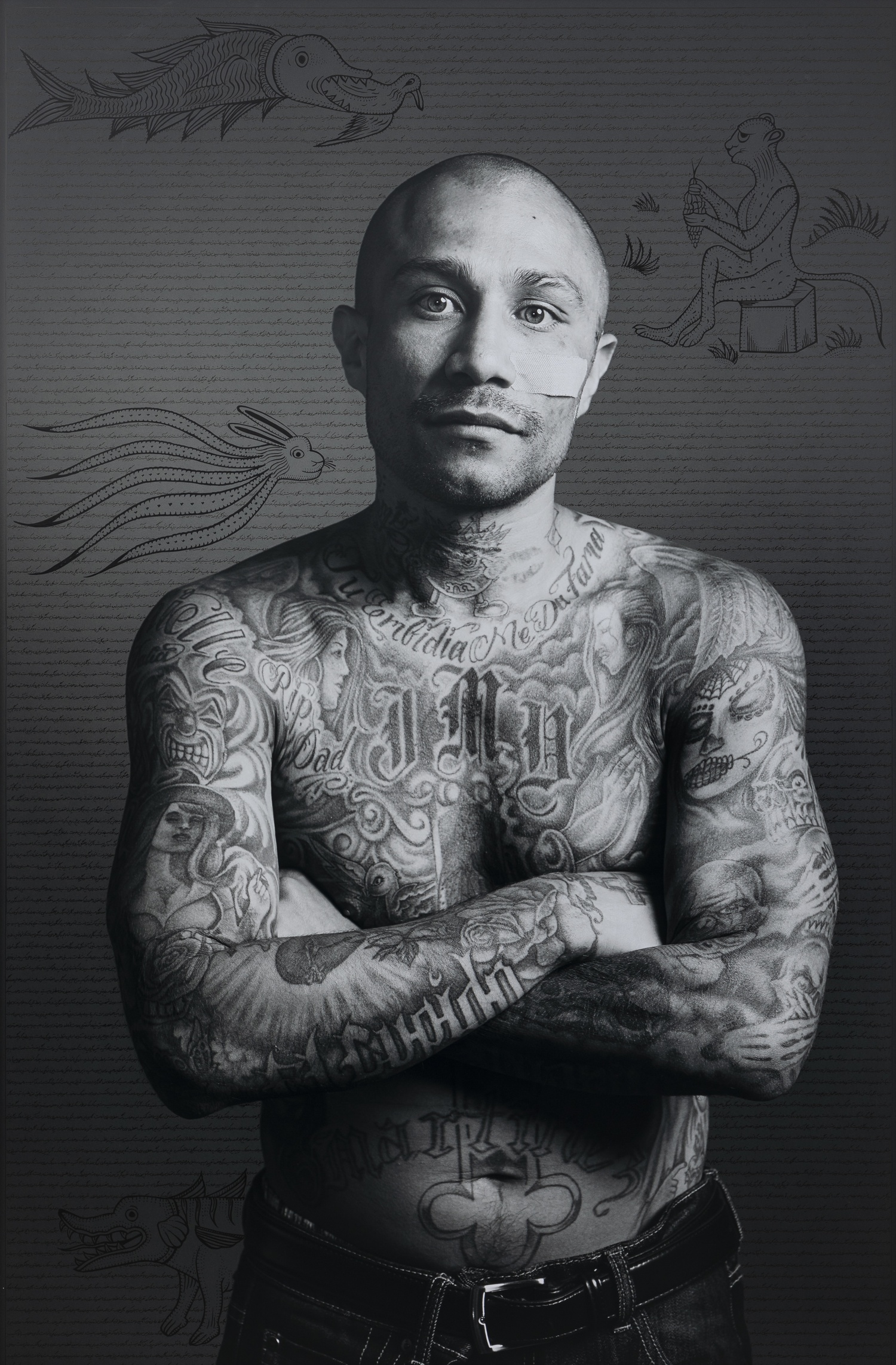
Shirin Neshat, "Manuel Martinez," from "Land of Dreams series," 2019. C-print with ink and acrylic paint. COURTESY OF THE ARTIST AND GLADSTONE GALLERY
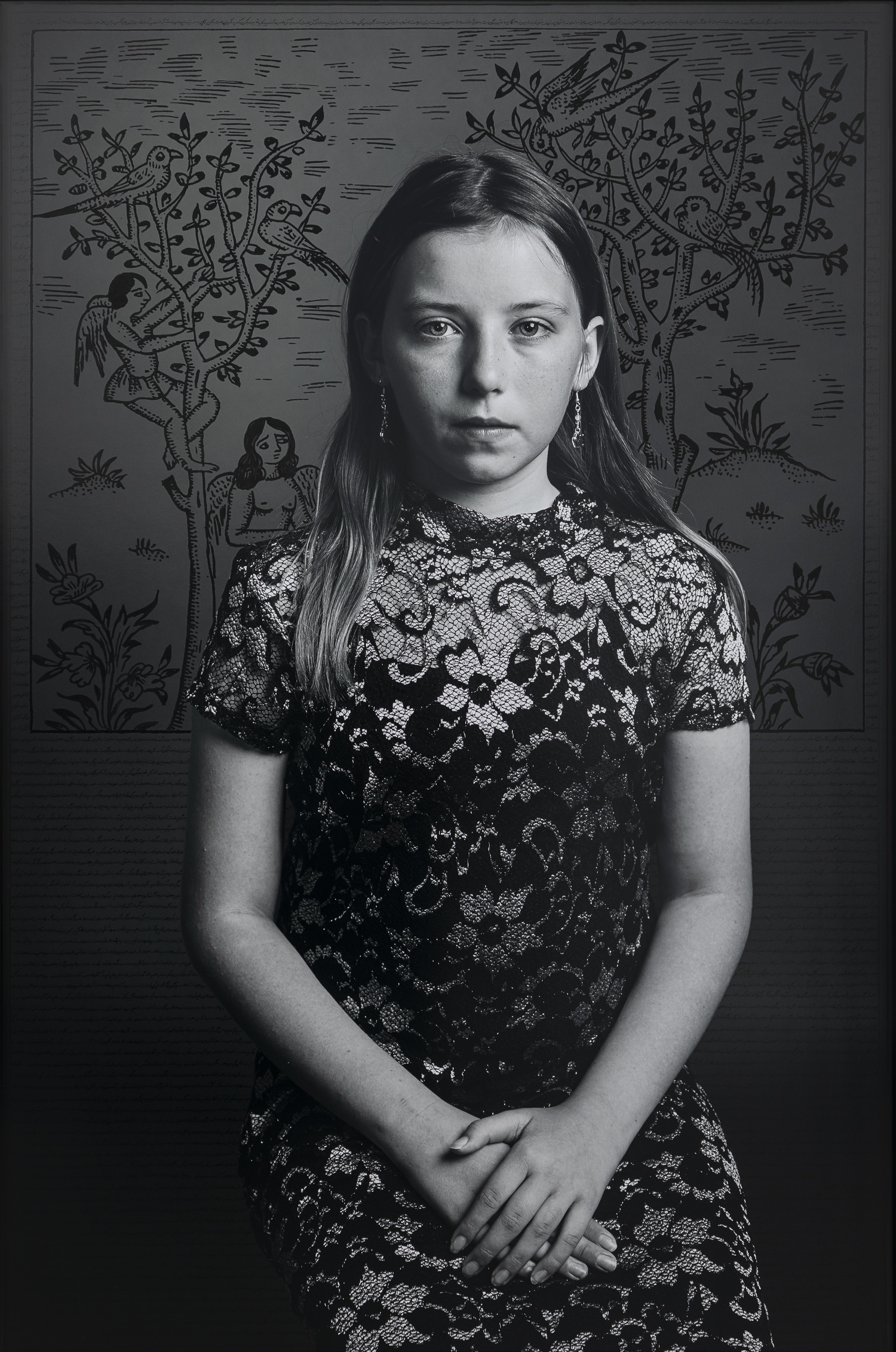
Shirin Neshat, "Raven Brewer-Beltz," from "Land of Dreams series," 2019. C-print with ink and acrylic paint. COURTESY OF THE ARTIST AND GLADSTONE GALLERY
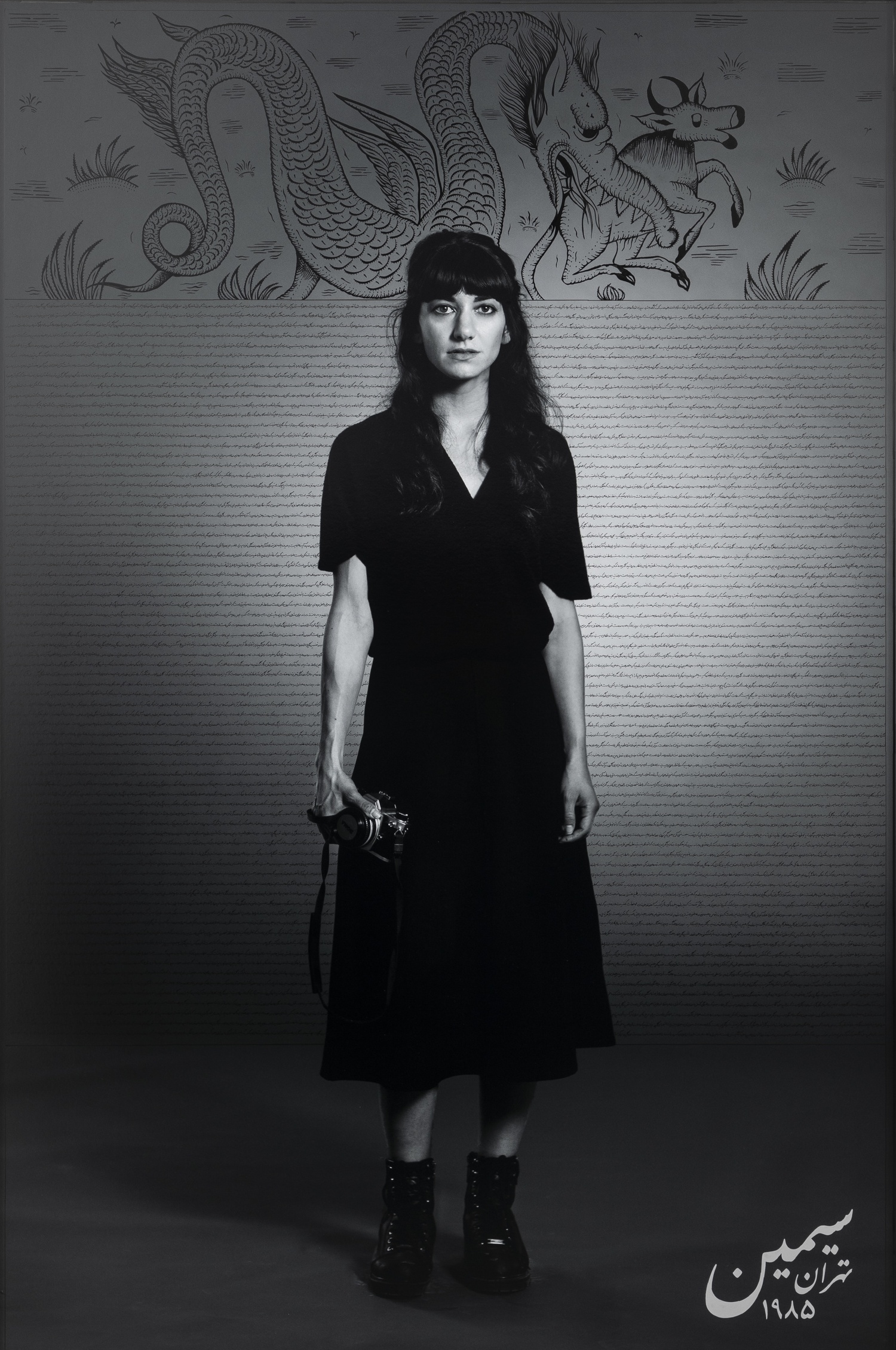
Shirin Neshat, "Simin," from "Land of Dreams series," 2019. C-print with ink and acrylic paint. COURTESY OF THE ARTIST AND GLADSTONE GALLERY
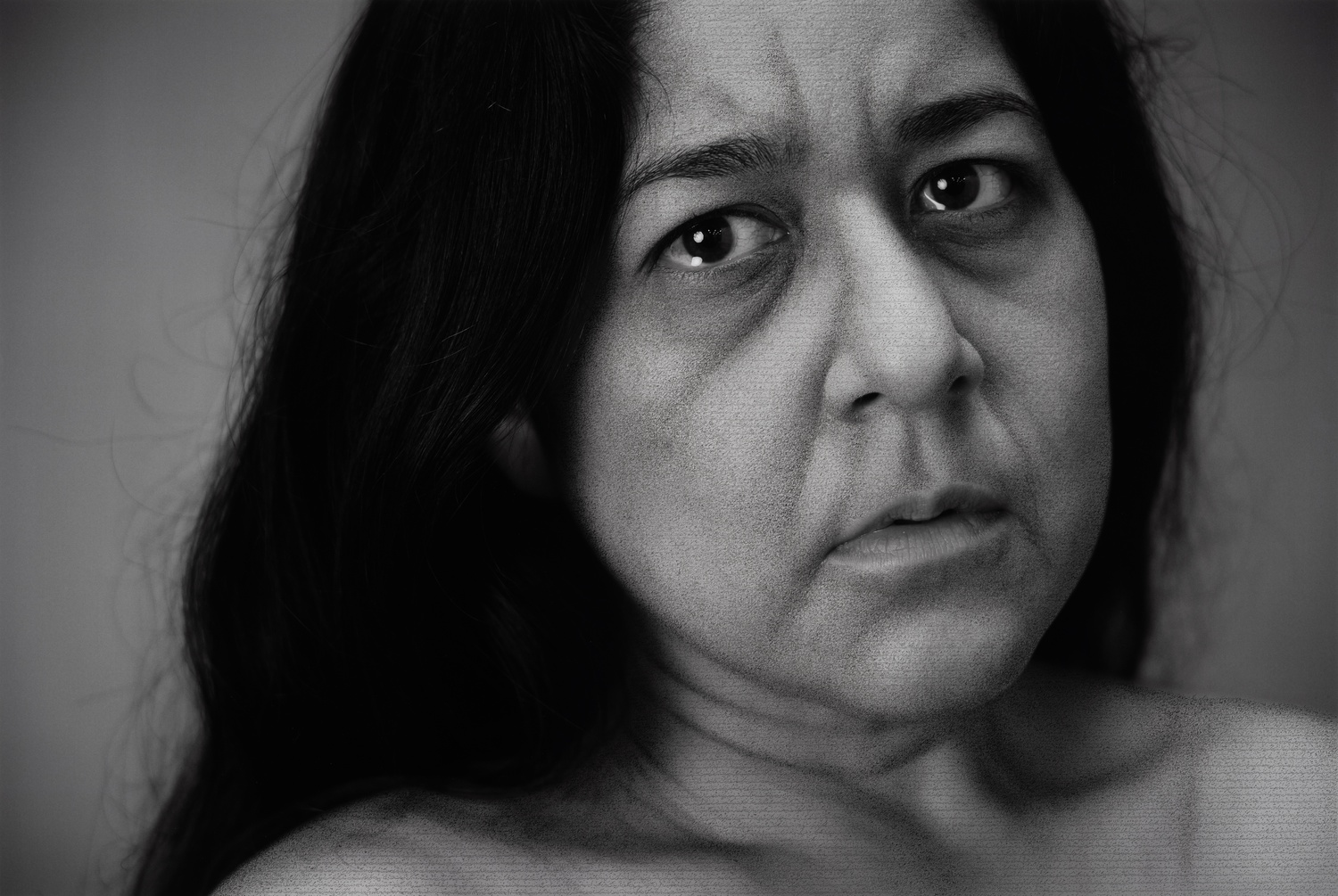
Shirin Neshat, "Marry," from "The Fury series," 2023. C-print with ink. COURTESY OF THE ARTIST AND GLADSTONE GALLERY
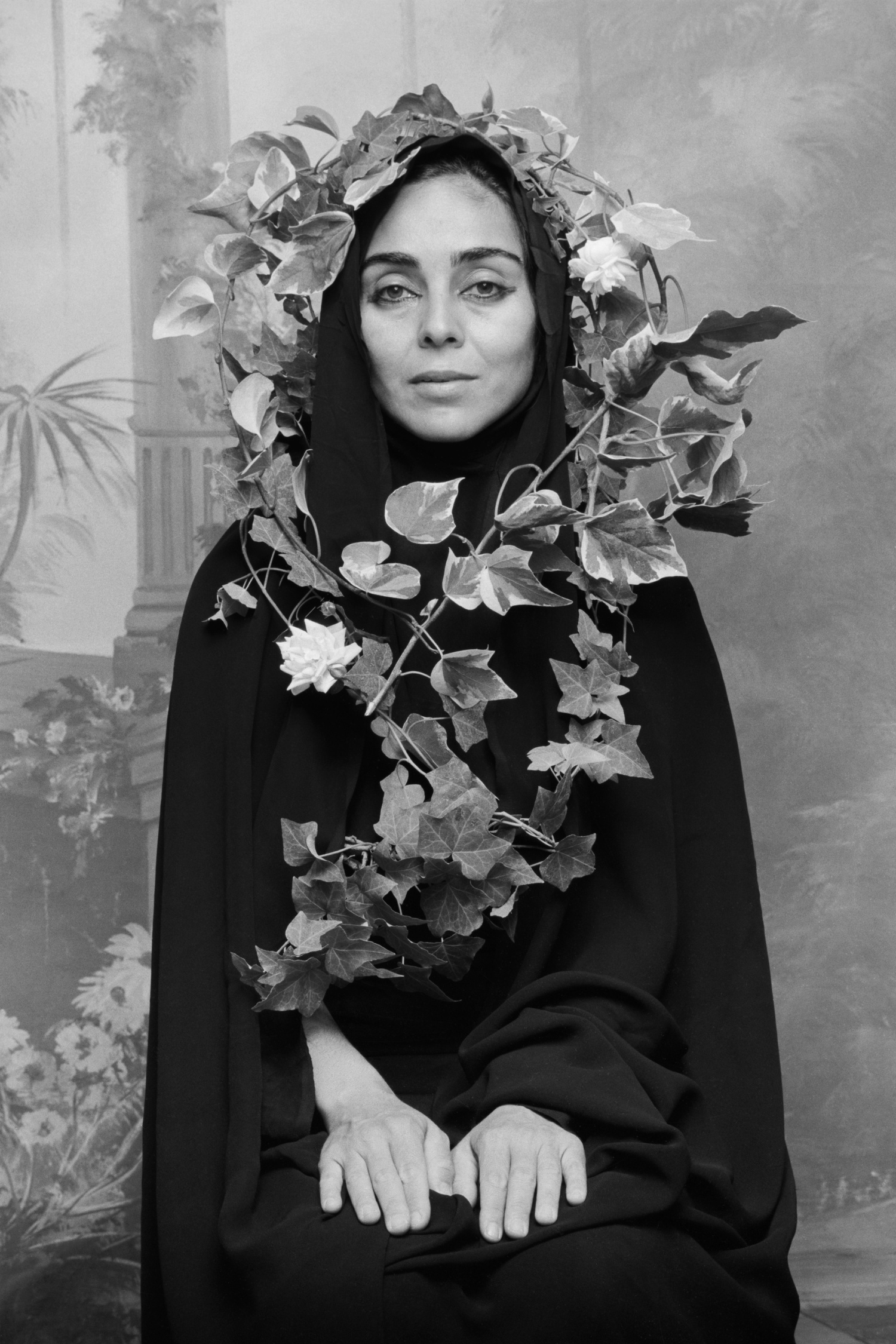
Shirin Neshat, "Untitled," 1995. Gelatin silver print. COURTESY OF THE ARTIST AND GLADSTONE GALLERY
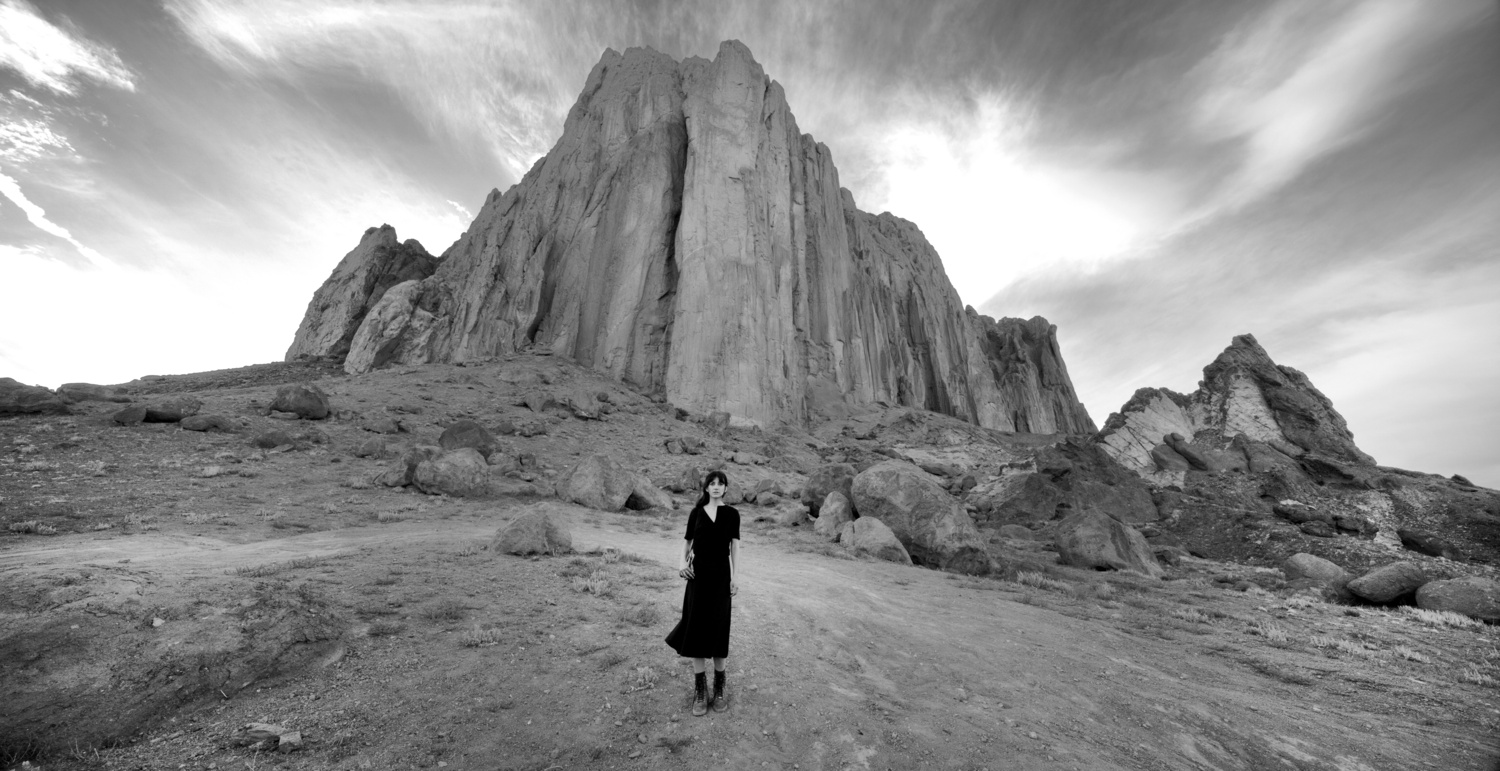
Shirin Neshat, "Untitled," from "Land of Dreams series," 2019. Gelatin silver print. COURTESY OF THE ARTIST AND GLADSTONE GALLERY
There is more to Shirin Neshat than meets the eye.
On the surface, she is an Iranian woman living in the United States. She is an artist, a dancer and a creative, moving through the world with her signature thick black eyeliner and a voice that she isn’t afraid to share.
But underneath, she is living in exile — now self-inflicted, but at one time, mandatory. She has not returned to her native country in decades, observing her complicated heritage from afar. She found her way to art by force of sheer will and became, arguably, the most famous artist to come out of Iran.
And as for the work she creates, there is more to it than meets the eye, too.
For the first time in over 20 years, Neshat will present a solo show in New York, featuring four bodies of work — ranging from her earliest photography to recent video projects — that all center on motifs of rebellion, storytelling and human connection.
The exhibition, “Shirin Neshat: Born of Fire,” opens on April 20 at the Parrish Art Museum in Water Mill and will remain on view through September 1.
“It’s really a rare exhibition for me,” Neshat said. “There’s so much change, of course, in my life — and I think that the work, in many ways, embodies the changes in my personal life.”
Neshat was born in the third most religious city of Qazvin, where she lived two lives. The first existed inside her simple, old house with sprawling gardens where her parents were progressive, educated and worldly. The second took over the moment she left.
“Outside, when I went to the school and just being in the outside world, it was a very different reality where everybody was wearing the veil,” she said. “For me, it was always like this division between inside of our home and outside of my house, and the rules that I had to obey in terms of not disrespecting the religious conservative community.”
As a child, she attended a Catholic boarding school in Teheran, where she did not fit in — “I felt very, very uncomfortable,” she said — before her father sent her to meet her older sisters in the United States, where they were studying in California. She was reluctant to be there and felt homesick for Iran, she said.
And then the Islamic Revolution erupted.
“The walls came down between myself and Iran,” she said, “and travel to Iran was quite impossible.”
So, she paved a new road forward for herself. She applied and was accepted to U.C. Berkeley and threw herself into her studies: art history.
“I had zero access to artistic landscape,” Neshat said of her childhood. “In fact, I often don’t know why I became so curious to become an artist and where that inclination came from, because I’d never been exposed to art. I’ve never had anyone in my family, or remote family, as an artist. I never stepped inside of a museum in Iran at the time.”
But after earning her MFA, she abandoned art altogether — and wouldn’t look back until a decade later.
“I graduated from graduate school, I came to New York and I started to be exposed to a lot of great art and artists,” she said, “and I realized that I didn’t really have in me what it took to be a good artist. So I basically decided that I would not be an artist — better go do different things.”
For about 10 years, she worked with an institution called the Storefront for Art and Architecture, which was founded by her now ex-husband, Kyong Park. The education she received there was everything that Berkeley didn’t teach her, she said, and allowed her to help other artists rather than focusing on herself.
During that time, in 1990, she finally returned to Iran — 12 years after she left. And there, she rediscovered the urge to make art.
“I just found this tremendous enthusiasm to keep up with what I was discovering in this new society,” she said. “I had changed, the country had changed and I felt that it was time for me to really keep this connection between myself and Iran — but the only way I could do that while I was in New York is to make this work that, somehow, was about Iran.”
That first manifested as “The Women of Allah,” a series of self-portraits inspired by “the tremendous transformation that took place in Iran and the place of women in respect to this revolution,” Neshat said. She inscribed them with calligraphy — poetry by Iranian women — and repeated two elements: weapons, which signify violence, and the highly provocative veil.
She had no desire or ambition to become famous through this series, she said. But that is precisely what happened.
“I was very surprised that it got so much attention because I didn’t really plan that,” she said. “It was exciting, but it also got very controversial. To this day, it’s very controversial because I think a lot of people were very perplexed by the meaning of the work and whether it was criticizing or endorsing the fanaticism of the Islamic regime.
“And so I started to get reactions from, let’s say, the Iranian government, the Iranian community, to Western critics, both positive and negative,” she continued. “And eventually that became my entry point to the art world.”
The Parrish show will also feature “The Book of Kings,” a portrait series that calls on the tradition of Persian epic poetry to address the Arab Spring protest movement — with calligraphy, again, inscribed over each subject’s face and body.
“Instead of doing something that was different, every photograph is made into editions and then I had to write, and I felt really trapped by my own invention,” Neshat said. “And so, basically, what I did was I rebelled against my own successful signature work.”
The artist transitioned into video, creating “Land of Dreams” — an exploration of American culture from the perspective of an Iranian artist in exile — and “The Fury,” which addresses the sexual exploitation of female political prisoners.
Each black and white portrait in the latter series is more than it seems. Upon closer examination, the faces, hands and bodies fade away, giving way to incredibly small script — hand-drawn calligraphy of poems.
“I’m very emotional and usually not good with words, and I can express myself in terms of how I view things and the world on a very emotional level and that’s why my work, I think, takes a very poetic and rather emotional approach,” she said. “Because even though it’s politically charged, it is always in the context of a very heavily metaphoric and allegorical approach, not ever didactic or not ever political in the way that it’s in your face.”
Neshat hasn’t returned to Iran since 1998, she said, and has in large part lost the pulse of what life is like there. Instead, she works alongside Iranian friends and her community in New York, she said, and continues to explore her heritage through art.
She recently finished a new video, to premiere in May, alongside a series of photographs. Currently in the works are two operas and a feature film.
“I think in the case of people like myself, who come from very politically volatile cultures, it’s nearly impossible to make work that is not somewhat political, because their life is defined by political reality,” she said, adding, “I try to put everything that I feel inside of me and the things I think about in the work, without deciding for the audience how they should feel or think.”
“Shirin Neshat: Born of Fire” opens on April 20 at the Parrish Art Museum in Water Mill and will remain on view through September 1. The exhibition also features a gallery dedicated to Neshat’s private collection of work by fellow artists, including Marina Abramović, Robert Longo and artists based in the Middle East. For more information, visit parrishart.org.


 Michelle Trauring on Apr 16, 2025