


 4 Photos
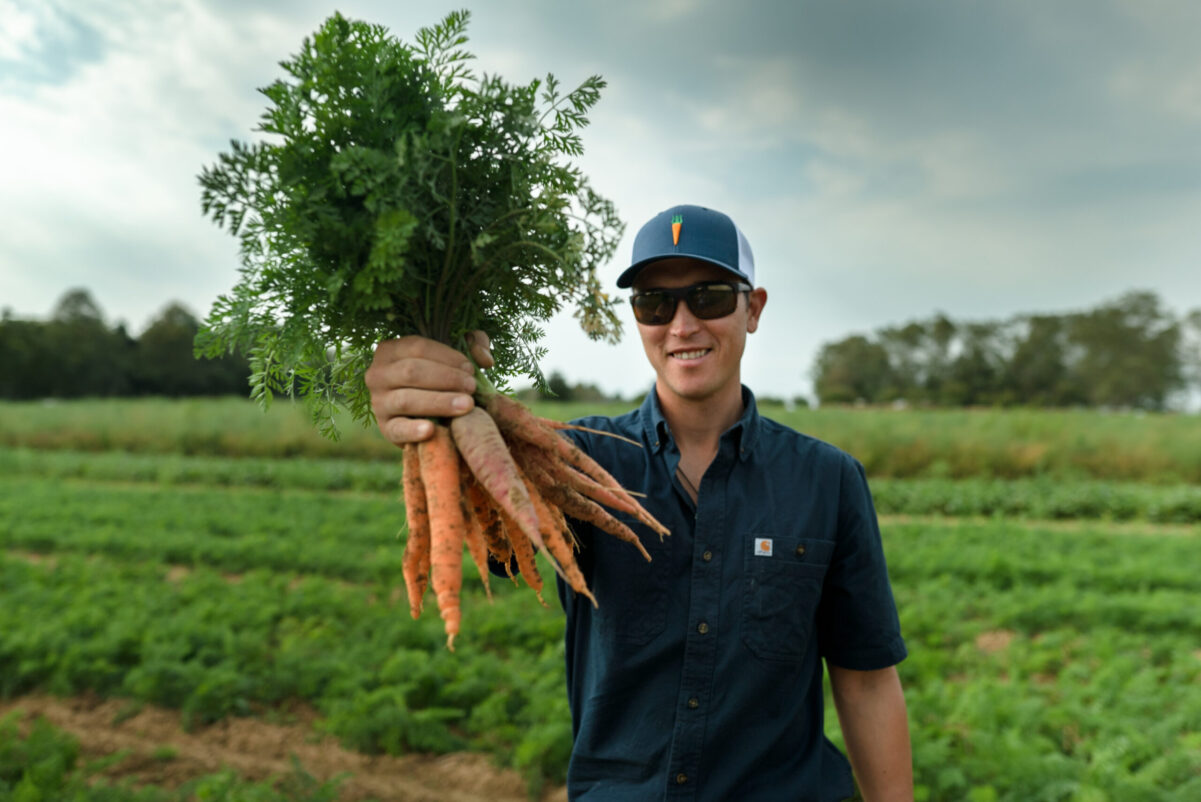
William Lee of Sang Lee Farms in the documentary "Farming Long Island." DOM APRILE
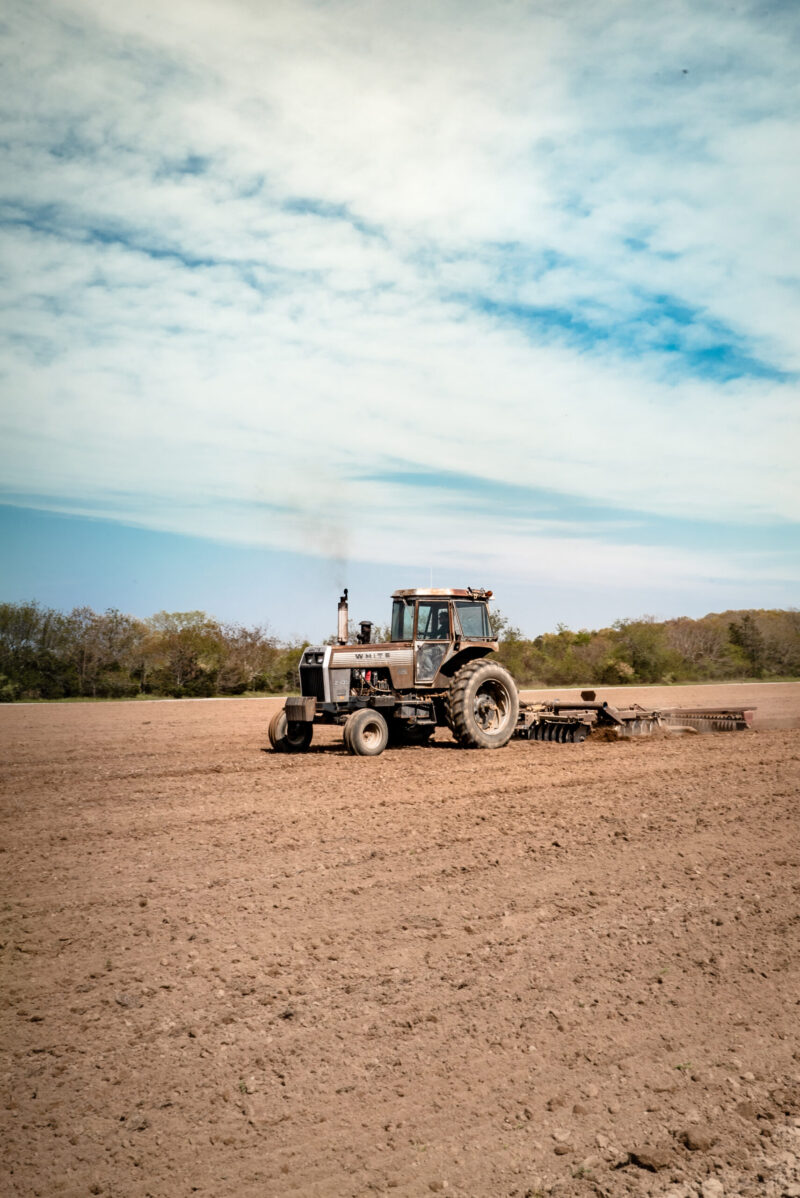
"Farming Long Island" COURTESY DOM APRILE
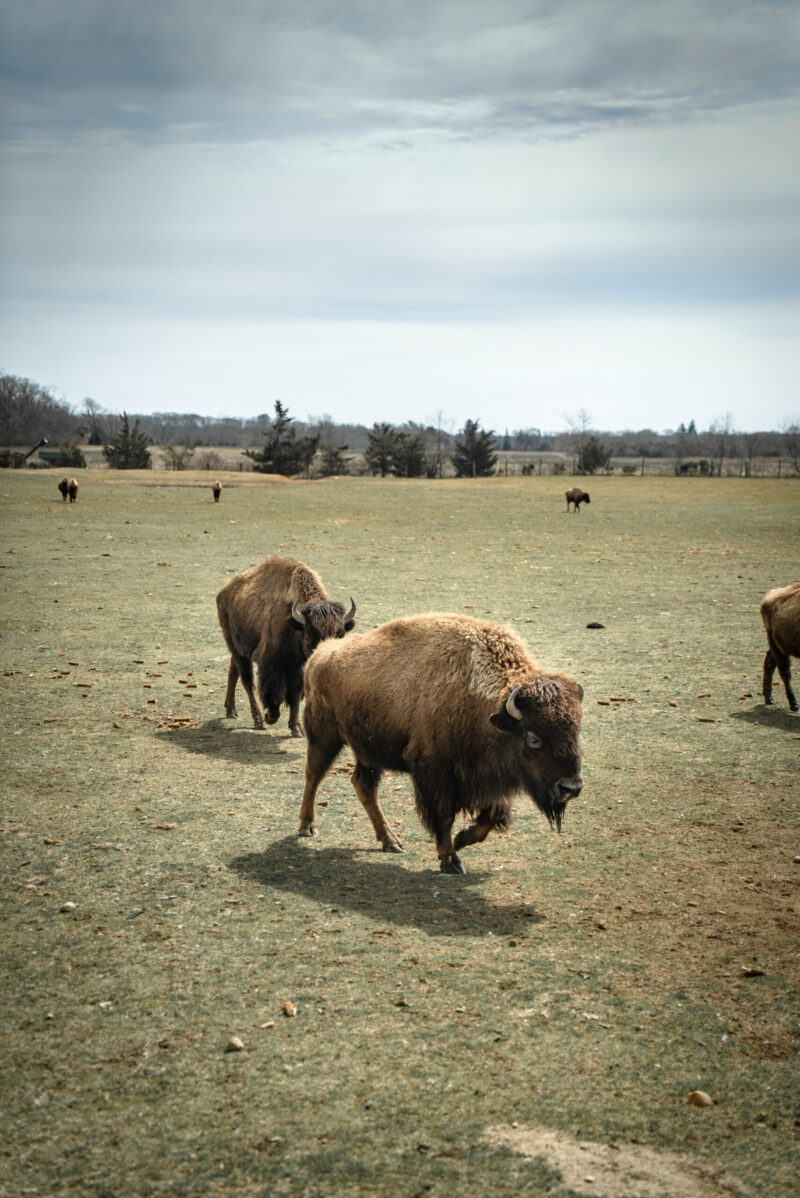
"Farming Long Island" COURTESY DOM APRILE

Filmmaker Dom Aprile. COURTESY DOM APRILE
Ask someone who’s never been to Long Island what it is like, and the answer will likely evoke an image of Levittown and suburban sprawl — but it wasn’t always that way.
Long Island was once a thriving agricultural base, feeding New York and farther afield, before the rising cost of land led to fields and pastures being sold off and subdivided. As development pressure moved eastward, crops gave way to cookie-cutter single-family homes. Today, 74 years after William Levitt broke ground, the same issues threaten Long Island’s farms. What’s different now is that preservation efforts that began in the 1970s have been successful in ensuring that close to 60 percent of Suffolk County’s 34,400 acres of farmland will stay in agricultural use for perpetuity.
As a native Long Islander with a long interest in the region’s agrarian roots, filmmaker Dom Aprile chose to make his debut feature-length documentary about local farms, the challenges they face, and the hope for the future. Named “Farming Long Island,” the film shows how modern farmers have adapted to survive and explains how governments and private groups have stepped up to protect farming.
The one-hour documentary begins with a brief archival clip explaining Long Island’s turn from a semi-rural community to one with continuous growth. It was the 1950s, and Long Island was America’s fastest-growing community. Though the region no longer holds that title, the clip’s talk of a tremendous building boom still rings true. A transition from a tractor plowing a field to an excavator digging a foundation really drives homes the point.
“The problems were only growing and still expanding until today, to the point where that clip became relevant once again,” Aprile said.
He grew up in Smithtown and recalls driving to the East End to visit family or take a vacation and being dumbfounded by the change in the roadside scenery. “You go from car dealerships and fast food and, you know, the further east you go all of a sudden you're looking at these beautiful pastures and farms and animals,” he says.
It was so surprising that just a short drive away was a totally different way of life, Aprile says.
When he returned to Long Island after film school at Full Sail University in Florida, he took it upon himself to delve into a topic that was accessible to him and that he’s long been drawn to. He also thought it would be a good opportunity to learn more about it.
Aprile adds that he also drew inspiration from documentaries in recent years that opened his eyes to the food system, land conservation and regenerative farming.
“I was curious to see who has taken that sustainable approach and really being responsible — farming the right way — around where I live,” he says.
The two-year filmmaking process (which was stretched out due to the pandemic) began in early 2019. He interviewed farmers, a rancher and a vineyard owner on the East End, and he visited a 28-acre plot in Brentwood where the Sisters of St. Joseph sold the development rights to Suffolk County in 2019.
Aprile also interviewed Rob Carpenter, the administrative director of the Long Island Farm Bureau in Calverton, who notes all the reasons why Long Island is a desirable place to farm. Chiefly in the climate. With water on three sides, Long Island is a little more temperate, than areas nearby, he explains. “We’re a little bit warmer in the winter and a little bit cooler in summer.”
That means more favorable growing conditions and an extended growing season.
The reliable access to water via the Long Island aquifer is another reason Carpenter cites, and then there’s the soil. “The soil types that we have here are pretty special,” he says. He describes the soil as good quality, not rocky, and well-draining.
But that same land that is so desirable to a farmer is also desirable to a real estate developer — and the latter has deeper pockets.
Carpenter says that land was $4,000 or $5,000 an acre in 1985 on the North Fork when he started out, but now costs $75,000 an acre. Teddy Bolkas of Thera Farms in Ronkonkoma says farmland in western Suffolk is $200,000 an acre, a cost that no farmer can keep up with selling tomatoes and cucumbers.
“The limited amount of farmland — and the ever-increasing development — is forcing these farmers to innovate and do what they can to hold on to their land,” Aprile says.
John v.H. Halsey of the Peconic Land Trust, a nonprofit based in Southampton, explains in the film how the organization that he founded in 1983 works with farmers, landowners, governments and groups like the Sisters of St. Joseph to conserve working farms. In the case of the Sisters of St. Joseph, this was accomplished because the sisters thought it was the right thing to do and because they could use Suffolk County’s purchase of development rights program, which began in 1974.
The purchase of development rights program — the first of its kind in the country and now copied in 25 states, according to Halsey — enables the county to buy the underlying development rights of farmland so it cannot be turned over to a residential or nonagricultural commercial use. The program allows landowners to enjoy the proceeds from property that has appreciated in value while ensuring the land is never developed.
The Peconic Land Trust also purchases land that it then leases or sells to new or established farmers at an affordable rate through its Farms for the Future Initiative.
As “Farming Long Island” makes clear in interviews, a farm isn’t just a place where produce is grown in fields. Dee Muma from North Quarter Farm and Tweed's Restaurant & Buffalo Bar in Riverhead raises bison and longhorn cattle. Rachel Stephens of Sweet Woodland Farm in Southold grows culinary and medical herbs. Tom Geppel of 8 Hands Farm in Cutchogue raises poultry and goats fed with organic feed. William Lee of Sang Lee Farms grows organic specialty vegetables in both fields and greenhouses in Peconic.
The farmers each clearly have a passion for what they do and just as important is how they do it. They practice methods that are kind to the environment and humane to animals. They also target as local an audience for their products as possible, ensuring food is its freshest and most nutritious when served.
“We have a great variety of different places to go, whether it's a farm stand or a restaurant or vineyard,” Aprile said. “Like we're spoiled when it comes to local delicacies.”
He thinks that viewers will gain an appreciation and loyalty once they learn about these farmers’ pure intentions and how caring and thoughtful they are. “They'll go out of their way to support them and make sure that they stay in business,” he says.
For himself, he says it was rewarding and a privilege that farmers would open up and tell their story to him — welcoming a stranger with a camera.
Aprile’s full-time job today is criminal identification — mug shots and fingerprinting — for the Suffolk County sheriff’s office. “I needed something to fuel my passion on the side,” he says of the documentary project, which he self-financed, with no grants to speak of.
“This was a way for me to create the type of films that I want to create ... in hopes to attract that kind of work in the future or to connect with people that are looking to create similar films where you’re trying to educate and tell people how to be actionable about important issues,” he says.
“Farming Long Island” debuted in August 2021 at Suffolk County Farm and Education Center in Yaphank as part of the LI AgriCULTURE series presented by Cinema Arts Centre of Huntington and Cornell Cooperative Extension, and it showed at the 2021 Hamptons Doc Fest.
Watch “Farming Long Island” on YouTube.


