


 3 Photos
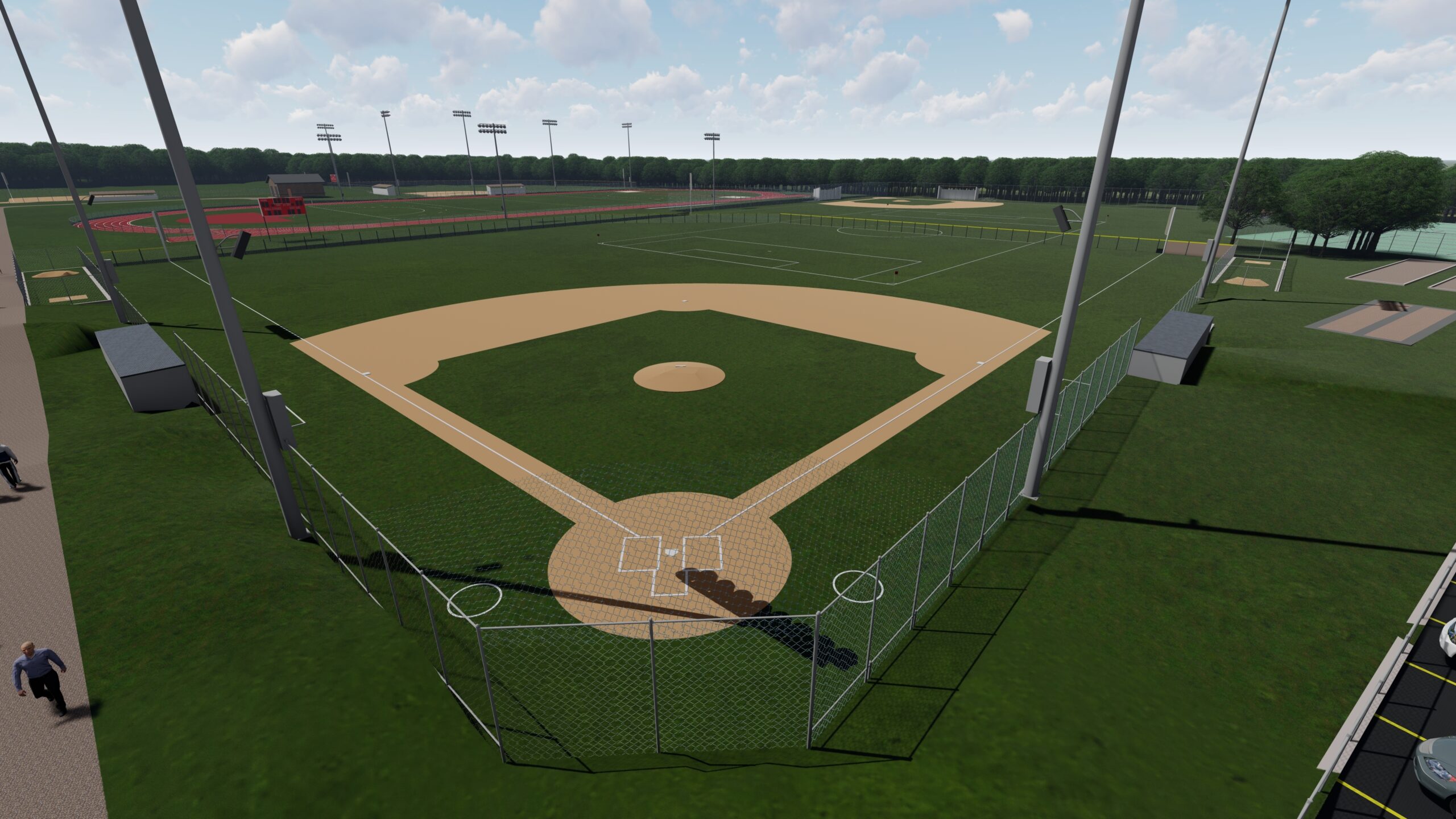
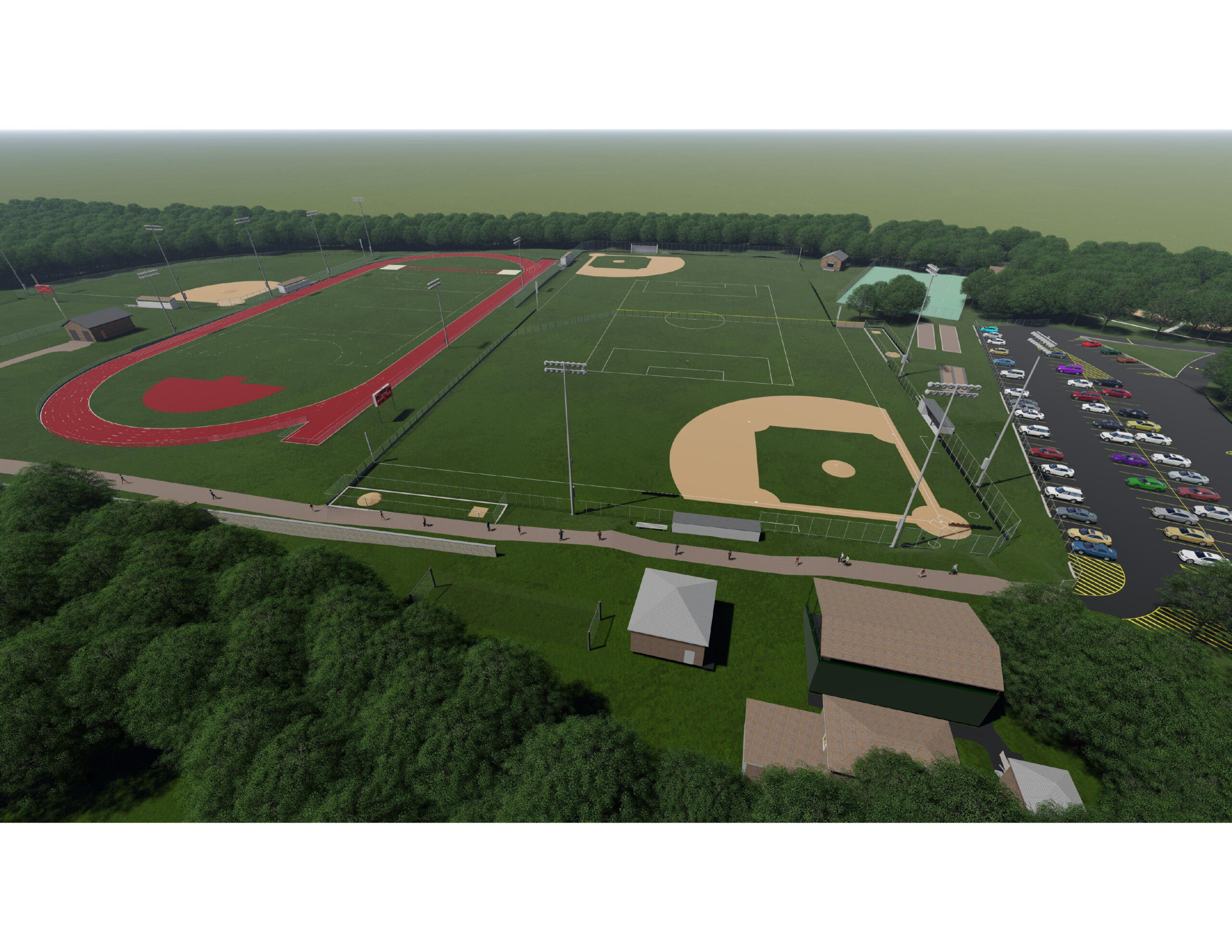
Detailed plans for the capital improvement project at Mashashimuet Park were presented at the Sag Harbor Board of Education meeting on Monday night.
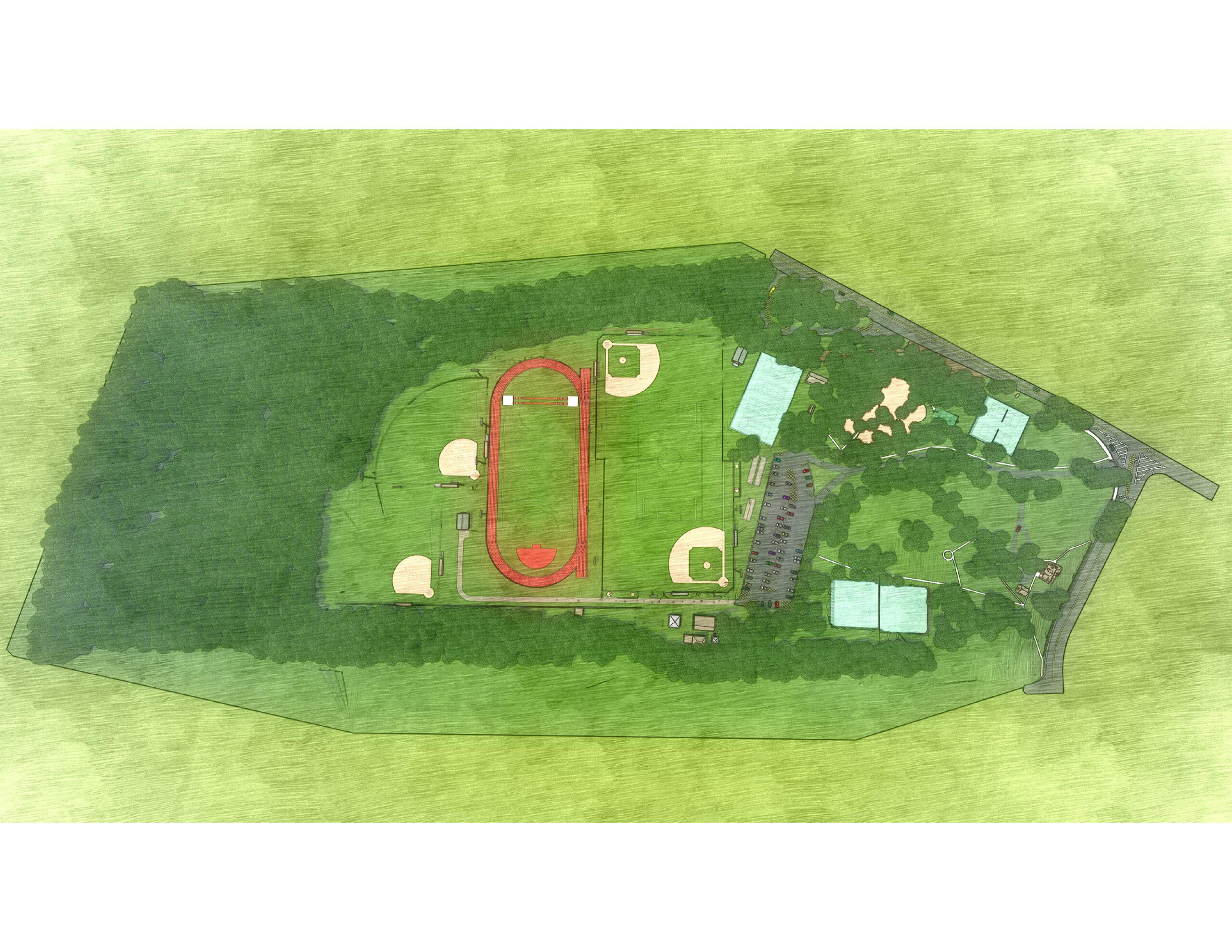
Detailed plans for a capital improvement project at Mashashimuet Park.
Mashashimuet Park FILE PHOTO
Sag Harbor School Superintendent Jeff Nichols and Saverio Belfiore — a representative of H2M, which serves as the district architect — gave a detailed presentation on the plans for a proposed capital improvement project at Mashashimuet Park in Sag Harbor on Monday at a Sag Harbor School Board meeting.
They say the work would greatly enhance athletic facilities for the student-athletes at Pierson Middle High School, and be a benefit for the community at large as well.
The project, which is projected to cost $13.5 million, will be funded by a bond proposal that will need to be approved by Sag Harbor residents in a referendum, which will likely happen in September.
The presentation began with a brief overview of the history of the park, noting that Margaret Olivia Slocum Sage — commonly known as Mrs. Russell Sage — began the work of creating a park to benefit the children of Sag Harbor in 1908.
Sage’s foundation deeded the 45-acre park to the Park and Recreation Association of Sag Harbor in 1920, and since then, the park has been the primary home of Pierson athletics, mainly because the property the schools sit on do not have enough physical space for all the necessary athletic fields and facilities, although there is one grass field behind the high school that is used for field hockey and soccer games.
Major renovations and upgrades to the athletic facilities at the park have been clearly necessary for years — rusty fencing and backstops, dated bathrooms, and uneven terrain on basepaths are some of the issues that have arisen.
Last summer, the district and park Board of Directors came to an agreement that would allow the district to go out for a bond to make the necessary improvements.
In an effort to educate residents ahead of a fall bond vote, the plans, including several renderings prepared by the district’s architectural firm, H2M, which worked in collaboration with architect Ed Hollander, were shared publicly.
In the presentation, Belfiore pointed out that only roughly 13 of the 45 acres of the park will be affected, and that those 13 acres are all largely already cleared land, meaning the environmental impact will be minimal.
The needs that the district outlined when it came to upgrading the park included installing a regulation size track, to give the district the ability to host track and field events; a regulation-sized field hockey field, which will be located on the infield of the new track; a varsity baseball field with a pitching cage and dugouts; a practice soccer field; a junior varsity baseball field with dugouts; two softball fields, one of which will be capable of hosting Little League games, with dugouts; and two fieldhouses with toilet facilities, equipment storage, and a concession stand.
The project also includes a bus drop-off and staging area, field access for emergency vehicles, an additional storage shed, and stadium lighting, sound, security and data capabilities.
While the renovation and improvement of the fields and dugouts will be notable and give the entire athletic area a nice face-lift, the biggest standouts and changes from the current framework at the park will be the addition of the track — which will, like every track at high schools across the country, be made of a synthetic rubber surface with permanent lines painted on — and the addition of stadium lighting, which will allow for games to be hosted during evening hours.
The large grandstand facility — with the signature brick exterior and dark green wooden bleacher seats familiar to anyone who has frequented the park over the last few decades — will be renovated and improved as well. But money for that effort will come from fundraising and grants secured by the park board, and will not be included as part of the $13.5 bond.
In his presentation, Belfiore broke down the cost into several categories. Nearly half of the cost, $6.65 million, is earmarked for the athletic fields and grading. Construction of support buildings is expected to cost $1.75 million, with $2.75 million set aside for paving, including repaving on the current parking lot, roads and drainage. The lighting, which will be low-impact LED lighting, is estimated to cost $2.1 million. The public address and sound system is expected to cost $250,000.
Technology will play a big role in the updated park. The lighting, which can all be controlled via cellphone technology, will use what’s called “dark sky technology,” meaning the lights are specifically designed to cast a glow over the field and cast minimal light pollution into the sky above, thus greatly reducing the impact on nearby homes.
When the project is complete, only three fields will have a full set of lights, but the installation will include putting the infrastructure in place to eventually install lighting for every field.
Having stadium lighting means more games can be played and hosted on a single day, with some in the afternoon and some in the evening.
The park will become WiFi equipped, to allow for operating the wireless scoreboards and changing the displays on those boards.
The renovation of the existing parking lot will be another notable aesthetic upgrade, and the creation of a staging area for buses — which will allow them to enter and exit the park from the Bridgehampton-Sag Harbor Turnpike rather than the park’s traditional entrance — will be another notable improvement.
There will also be removable outfield fencing for both baseball fields, because there will be overlap between the soccer practice field and the outfield areas of both baseball fields.
The plans were the result of months of work and collaboration between the Mashashimuet Park board, led by Board President Jeanine Rayano, Nichols, and several members of the Sag Harbor Board of Education who were involved in the process.
“The focus was to take the school’s needs, convey them to the park board, and the park board was focused on trying to honor those needs without disturbing the aesthetic that exists,” Nichols said, adding that while the renderings may paint a stark picture, the plantings and greenery will remain in place and even be enhanced in some instances, in an effort to retain the natural beauty that has always been a strong characteristic of the park.
He added that there will be no impact to the wooded trails that are used by the cross country teams, and in some instances areas of those trails that need a little TLC will be addressed.
Nichols said that there would be more outreach to the public about the park plans in the coming weeks and months, not only at School Board meetings, but with other civic organizations in the area as well, taking into account that while the park is the home of Pierson athletics, it is also a communitywide resource, meant to benefit everyone in the town.


 Cailin Riley on Jun 29, 2022