


 5 Photos
The South Fork Commuter Connection has seen increased ridership. EXPRESS FILE
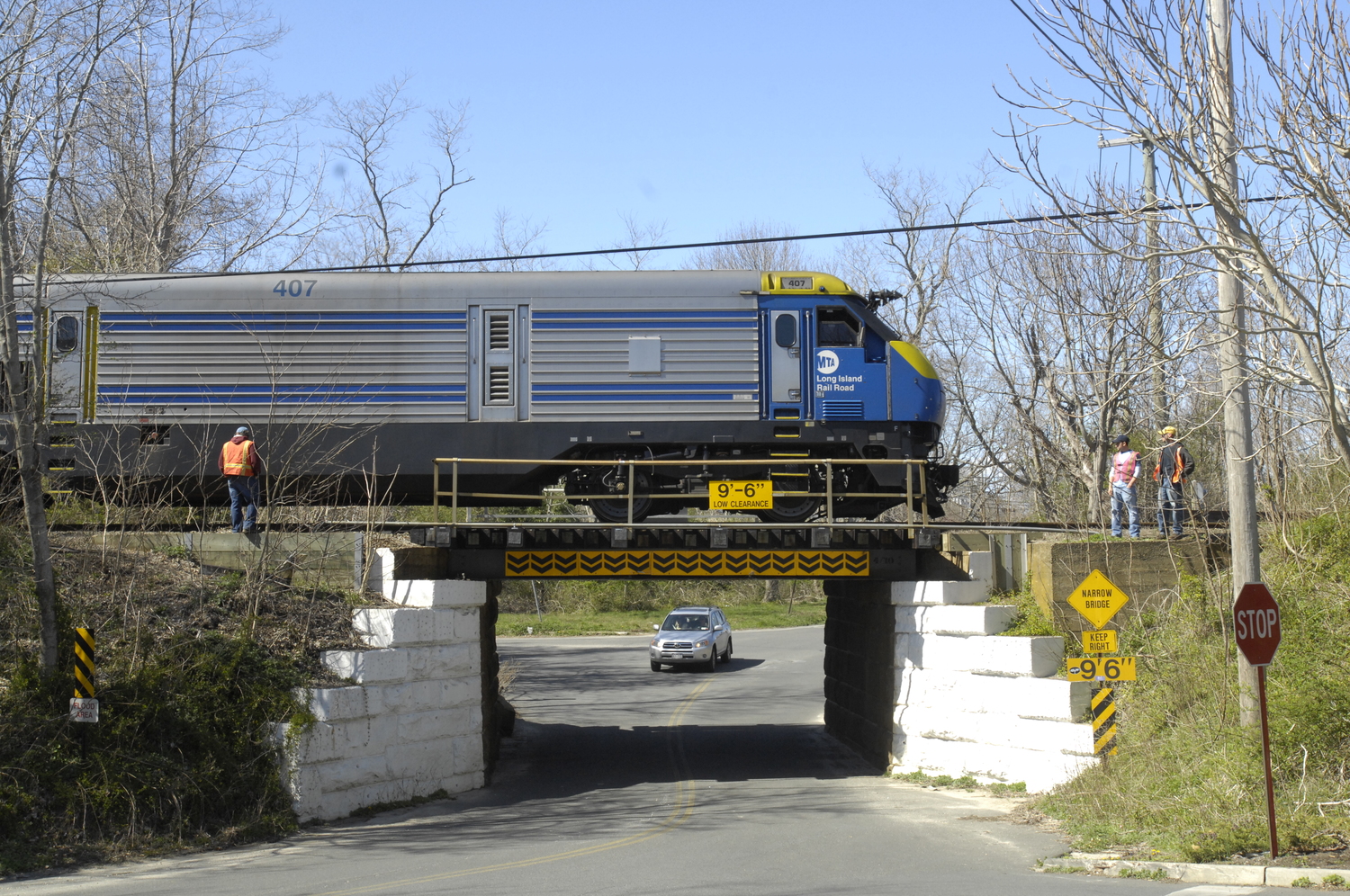
The East End Supervisors and Mayors Association is trying to keep pressure on the Long Island Rail Road and its parent, the Metropolitan Transportation Authority, to follow through on a proposed major infrastructure project that would expand the number of trains on the popular South Fork Commuter Connection.
The East End Supervisors and Mayors Association is trying to keep pressure on the Long Island Rail Road and its parent, the Metropolitan Transportation Authority, to follow through on a proposed major infrastructure project that would expand the number of trains on the popular South Fork Commuter Connection.
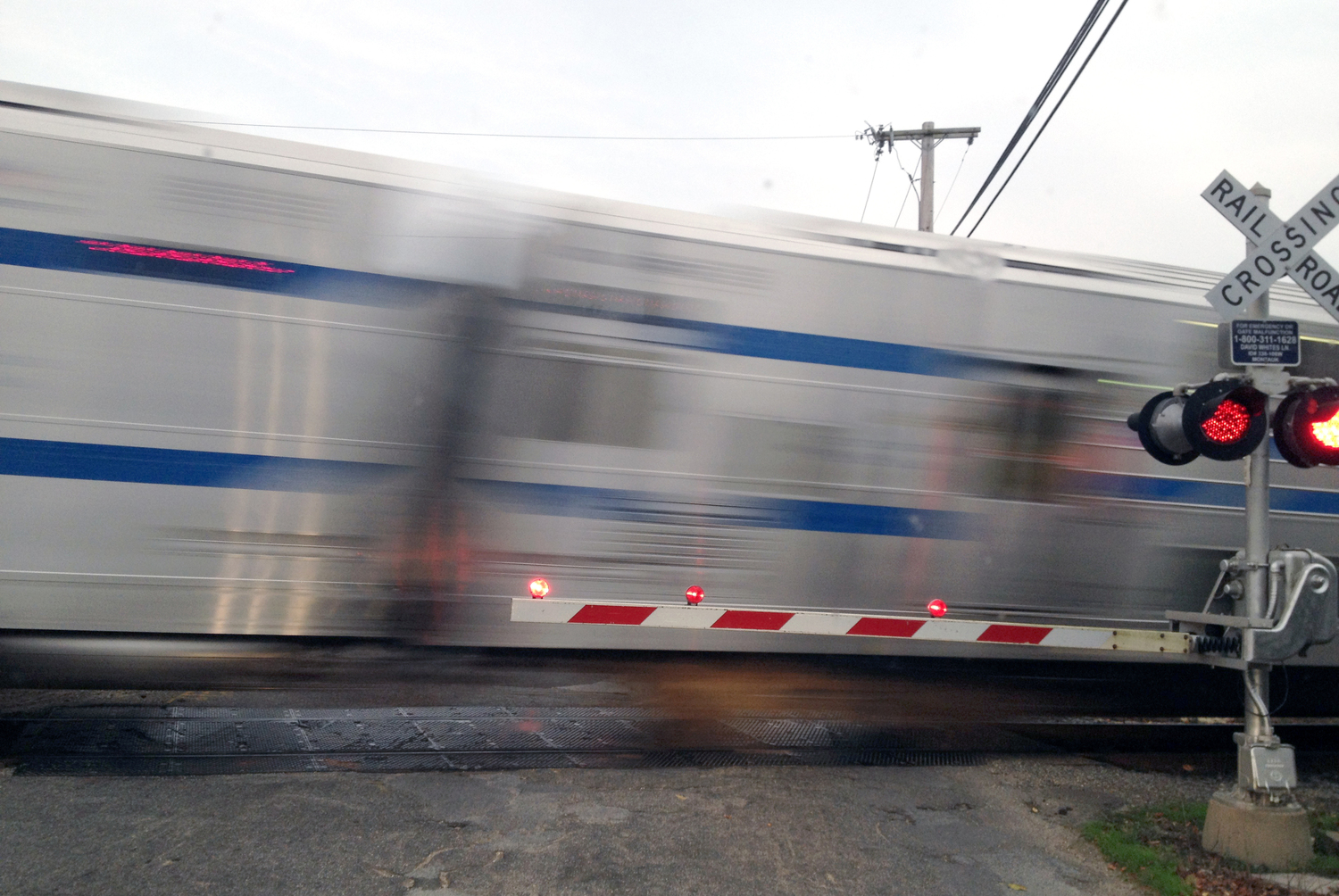
The East End Supervisors and Mayors Association is trying to keep pressure on the Long Island Rail Road and its parent, the Metropolitan Transportation Authority, to follow through on a proposed major infrastructure project that would expand the number of trains on the popular South Fork Commuter Connection.
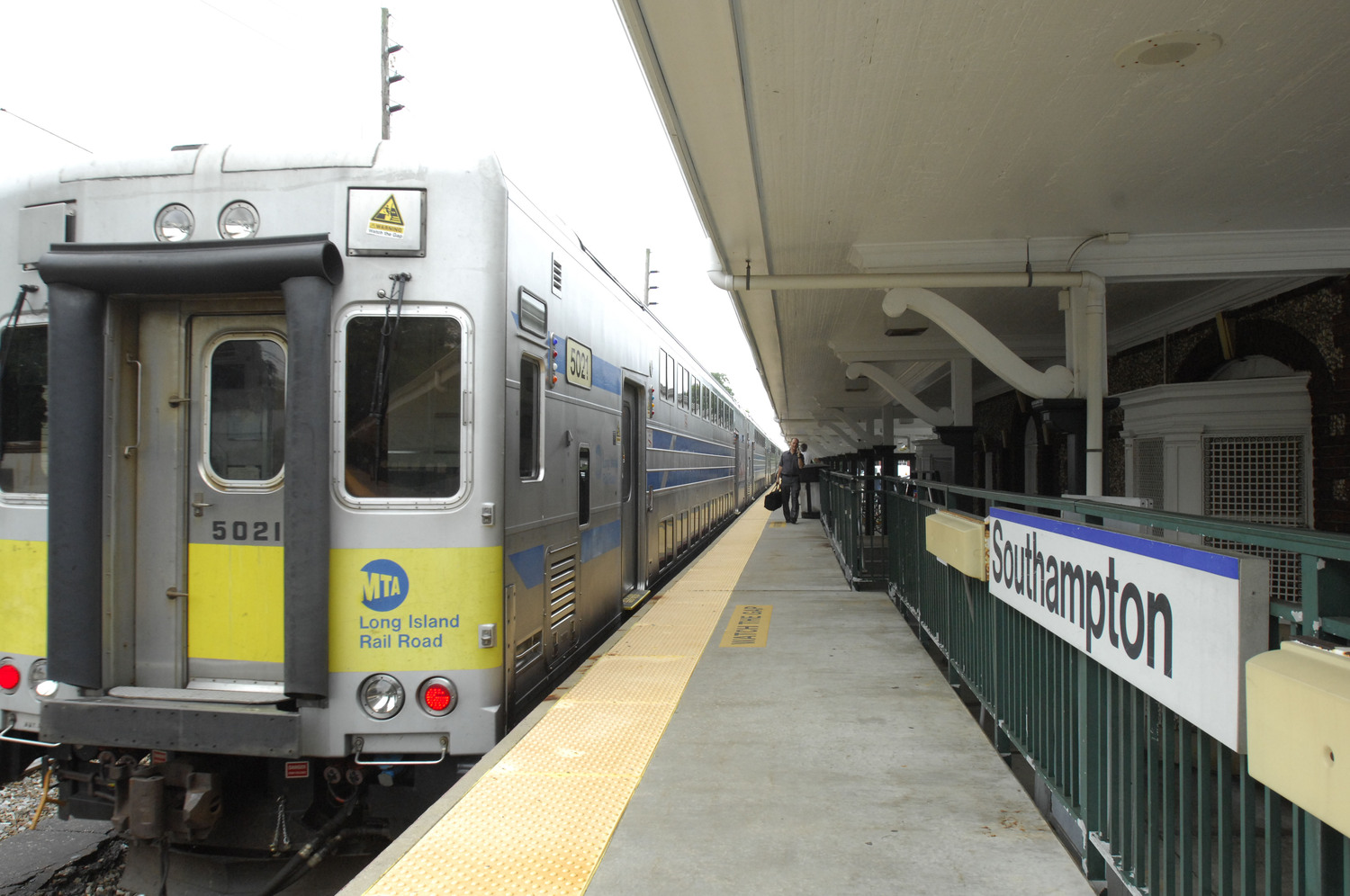
The East End Supervisors and Mayors Association is trying to keep pressure on the Long Island Rail Road and its parent, the Metropolitan Transportation Authority, to follow through on a proposed major infrastructure project that would expand the number of trains on the popular South Fork Commuter Connection.
The East End Supervisors and Mayors Association is trying to keep pressure on the Long Island Rail Road and its parent, the Metropolitan Transportation Authority, to follow through on a proposed major infrastructure project that would expand the number of trains on the popular South Fork Commuter Connection.
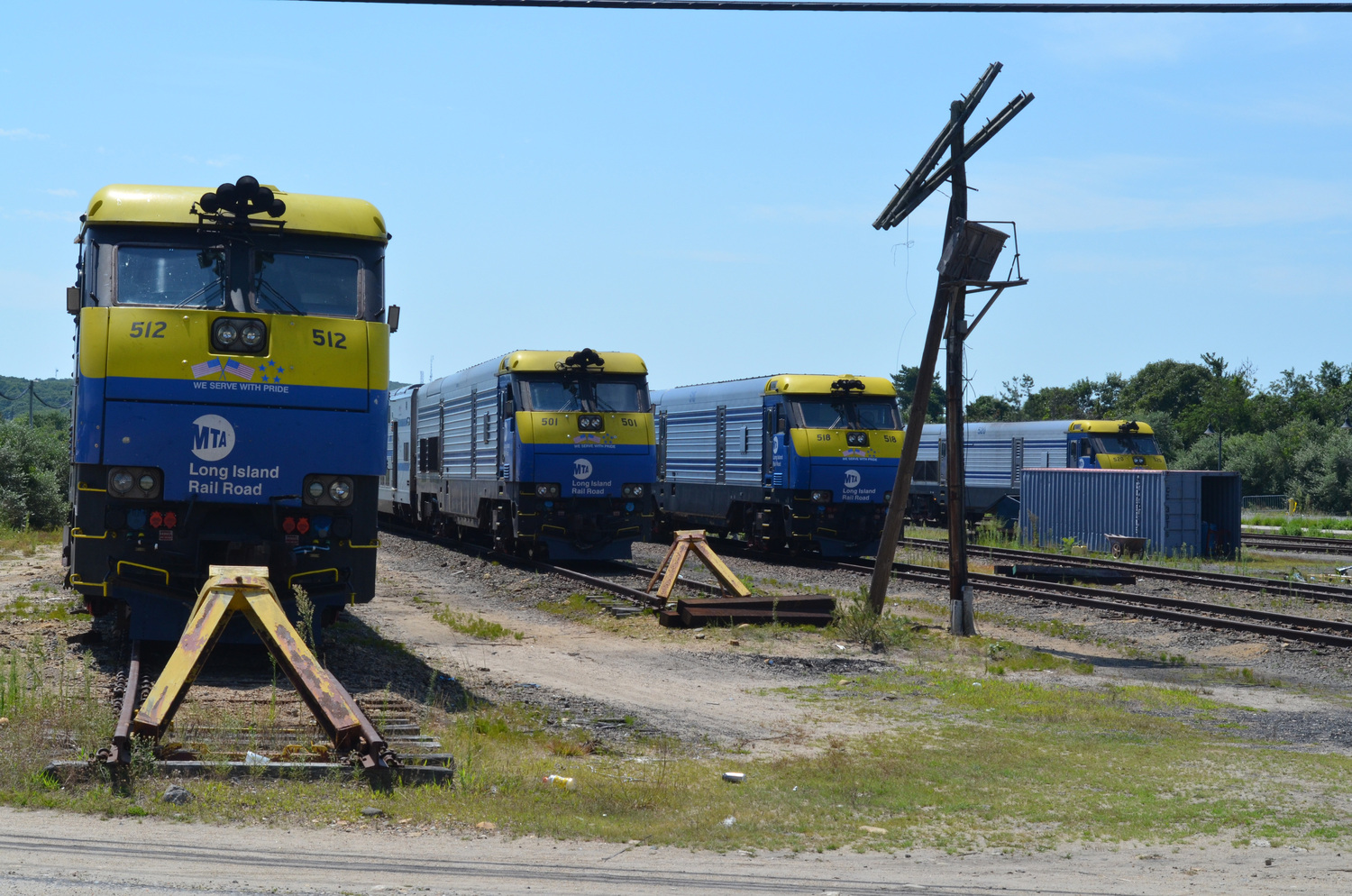
This week, the organization, which represents all five East End towns and the villages in them, wrote to Robert Free, the president of the LIRR, reiterating its support for a project to add track and crew facilities at Speonk to accommodate up to three trains, and to construct a new platform to permit Montauk line trains terminating at Speonk to access the yard there without blocking the main track.
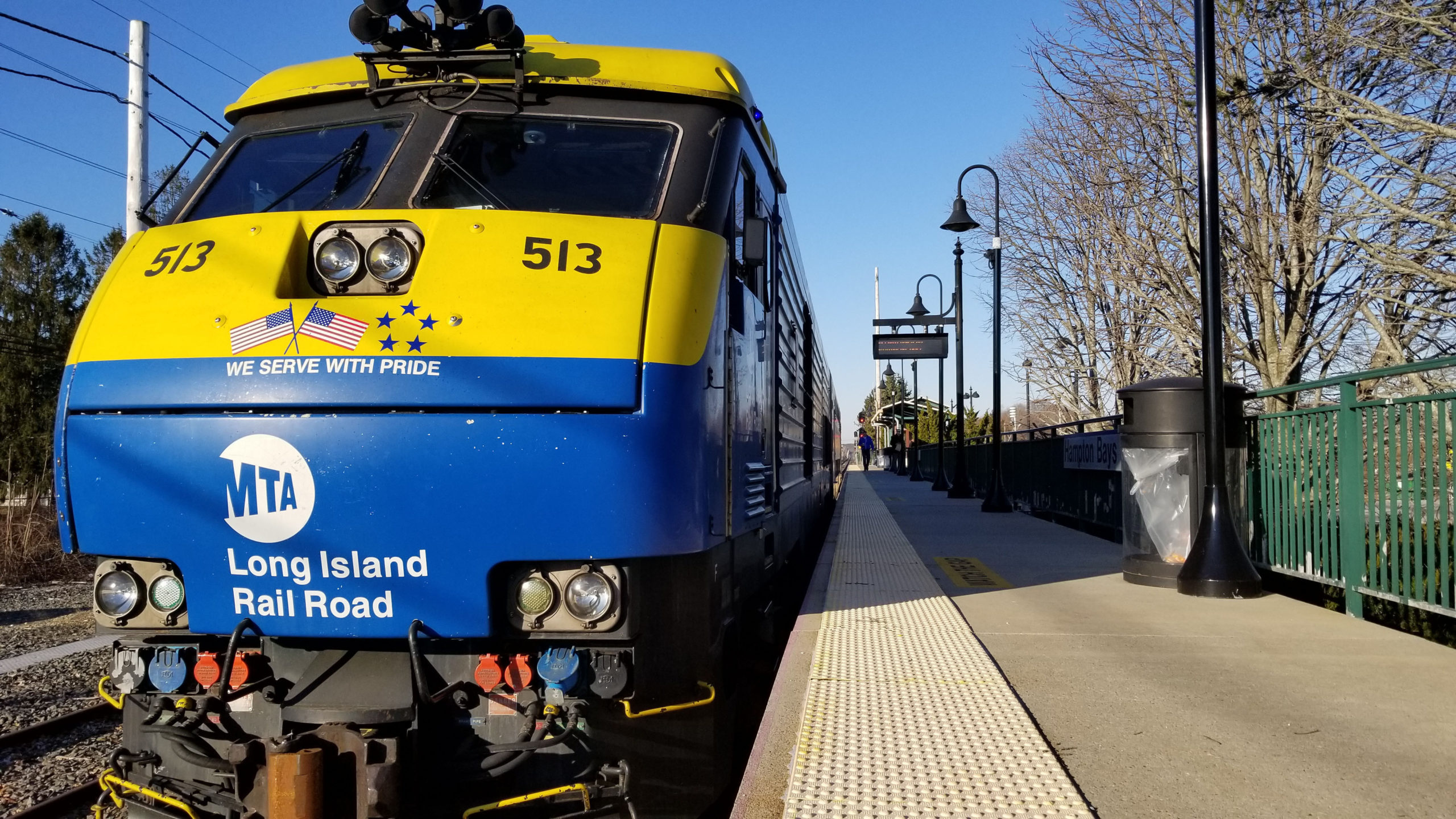
The project also would add a new platform at the Hampton Bays station to allow trains to pass one another or be parked there. It would upgrade the Bridgehampton station with a new platform and pedestrian overpass, and connect an old freight line to the main track to allow trains to pass one another or be parked there as well.
Siding work also would be done in East Hampton and Amagansett to allow trains to pass one another.
Assemblyman Fred W. Thiele Jr., who signed onto the letter along with other East End state and county officials, said that last year the MTA put the infrastructure project, which he estimated would cost more than $250 million, on its 20-year needs assessment. The next hurdle, he said, is for it to be added to the five-year capital budget, which the MTA is expected to vote on this fall.
That may prove more difficult than originally thought, because when Governor Kathy Hochul put a hold on the congestion pricing plan for Manhattan earlier this year, the lost revenue blew an estimated $1 billion hole in the MTA’s capital budget for the next 16 years, Thiele said.
“We assume they will vote in October,” Thiele said. “But will they include the project? It’s one of the most important infrastructure projects, in my opinion.”
The association’s letter noted that traffic congestion has become a major and worsening concern on the East End each year.
“It is not only a quality-of-life issue but also a matter of sustaining our region’s economy,” the letter stated. “Delays have long been a negatively contributing factor in the recruitment and retention of employees for local businesses.”
The letter noted that given Long Island’s geography and road layout, the LIRR needs to play a role in any effective traffic solution. It points to the two daily trains in each direction offered by the South Fork Commuter Connection over the past five years as a positive step.
“Regular commuters have much praise for the SFCC and have come to rely on it. This is confirmed by the continual growth of ridership, especially over the last three years,” the letter stated. “In fact, the only complaint we receive about the SFCC service is that there is not enough of it.”
“The problem is with one track and no sidings so that trains can pass, the service is limited,” Thiele said. The current schedule of two trains in each direction represents “only a drop in the bucket” of the number of cars that back up on Route 27 each morning and afternoon, he said. “If there was a train every half hour, a lot more people would be able to take it.”
The state provides $750,000 in “last-mile” funding for Southampton and East Hampton towns to cover the cost of shuttling commuters from train stations to major employers.
“Collectively, we endorse these efforts and urge their inclusion in the MTA capital program,” the letter concluded. “They are long overdue and should be expedited, particularly at a time when there are unprecedented federal infrastructure dollars available and the State Legislature has acted to stabilize MTA finances. These improvements are needed now and cannot wait another five or 10 years to move forward.”


 Stephen J. Kotz on Aug 19, 2024