Sag Harbor Express

News / Sag Harbor Express / 2349940

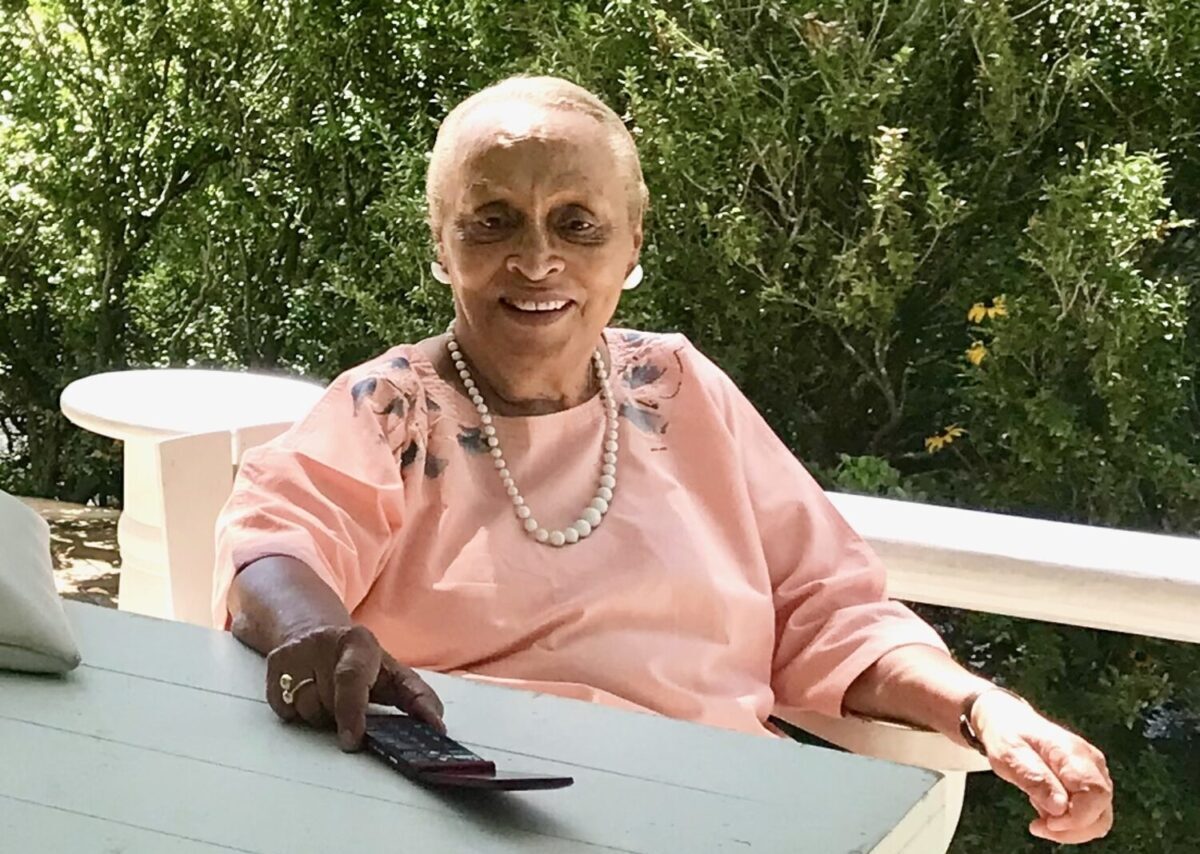
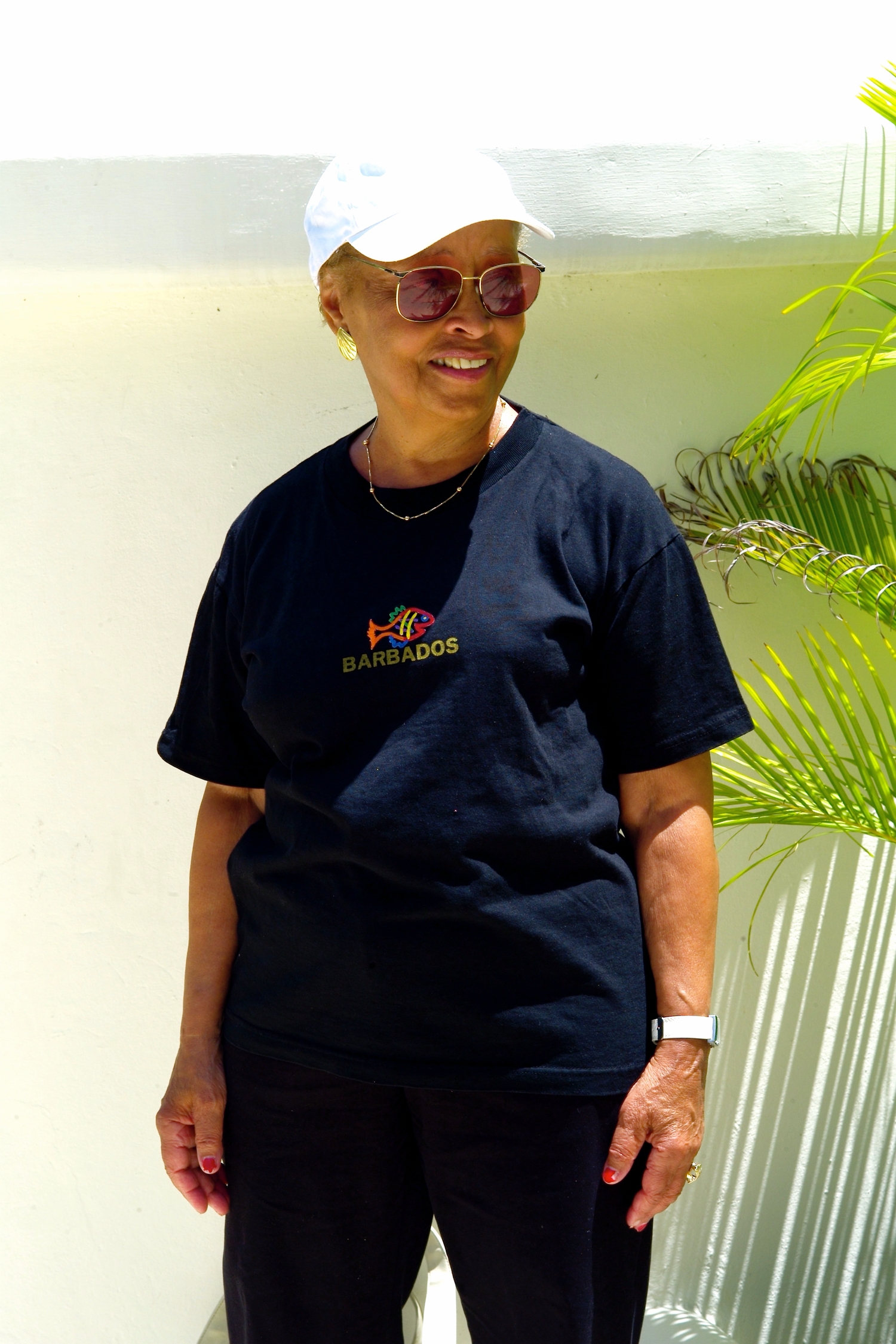
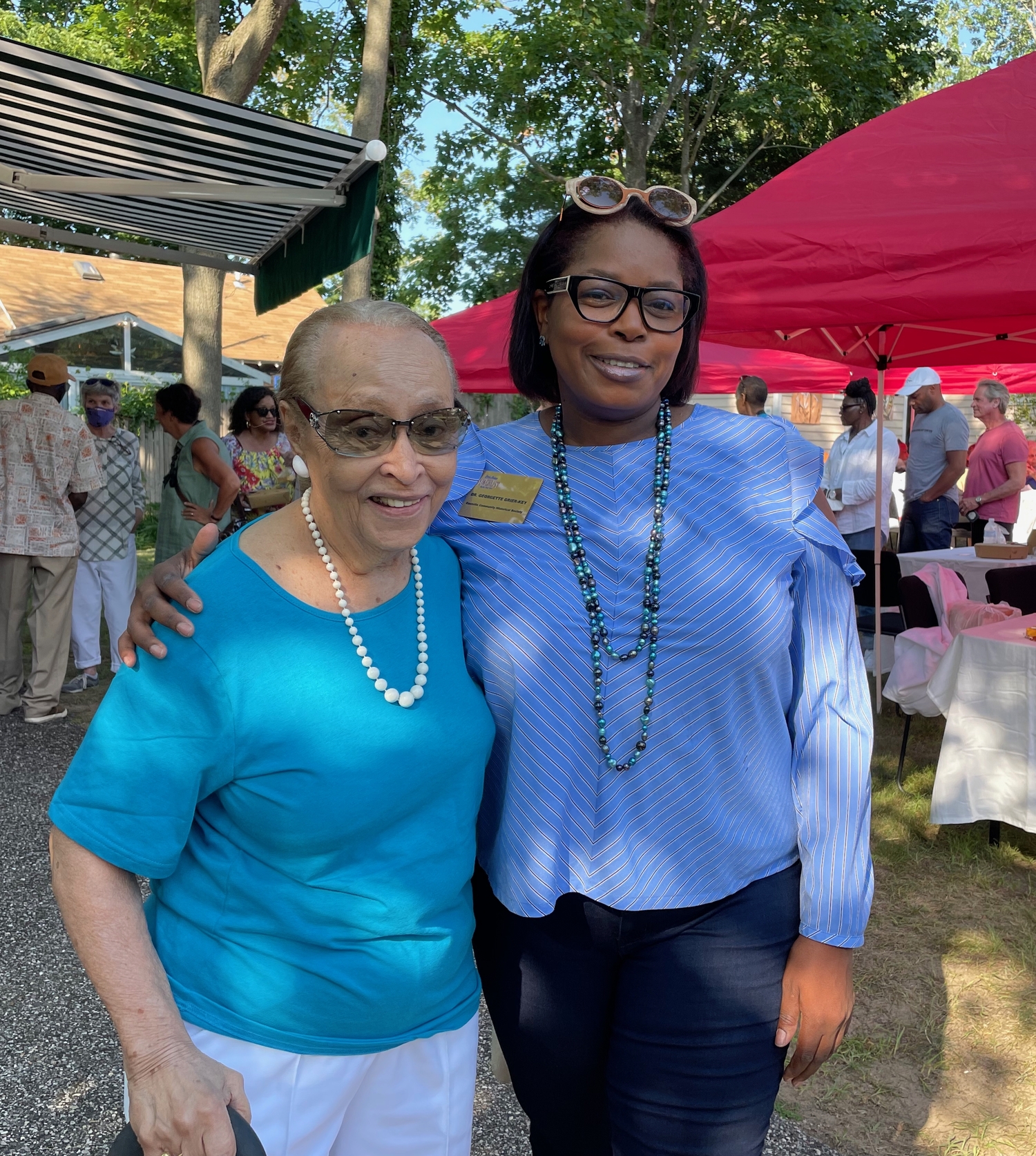
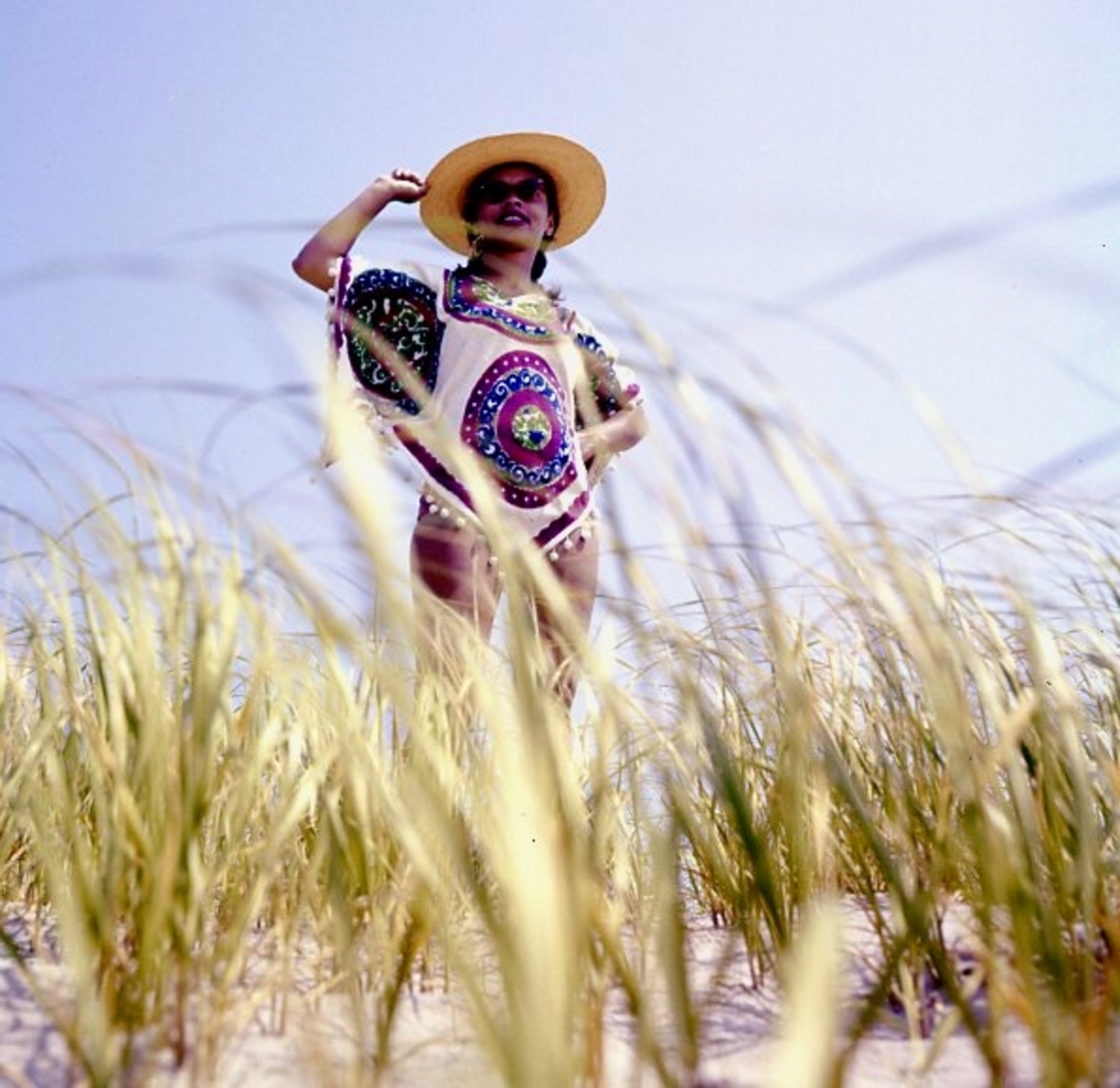
Gladys Barnes, Founder of Harlem in the Hamptons and Legacy Member of SANS Neighborhoods, Dies at 96

icon 7 Photos
Gladys Barnes. COURTESY BARNES FAMILY ARCHIVE

Gladys Barnes. COURTESY BARNES FAMILY ARCHIVE
Gladys Barnes. COURTESY BARNES FAMILY ARCHIVE

Gladys Barnes. COURTESY BARNES FAMILY ARCHIVE
Gladys Barnes. COURTESY BARNES FAMILY ARCHIVE
Gladys Barnes. COURTESY BARNES FAMILY ARCHIVE
Gladys Barnes. COURTESY BARNES FAMILY ARCHIVE

Gladys Barnes. COURTESY BARNES FAMILY ARCHIVE

Gladys Barnes. COURTESY BARNES FAMILY ARCHIVE

Gladys Barnes. COURTESY BARNES FAMILY ARCHIVE

Gladys Barnes. COURTESY BARNES FAMILY ARCHIVE

Gladys Barnes. COURTESY BARNES FAMILY ARCHIVE

Gladys Barnes. COURTESY BARNES FAMILY ARCHIVE

Gladys Barnes. COURTESY BARNES FAMILY ARCHIVE

authorCailin Riley on Apr 9, 2025

Gladys Barnes, one of the earlier residents of the SANS community in Sag Harbor, a founding member of Harlem in the Hamptons, and supporter of many other local organizations and institutions, including the Eastville Community Historical Society, died on March 31 at her home in Ninevah in Sag Harbor. She was 96.

Barnes was part of a group of men and women who created a legacy of strong community ties and traditions in the neighborhoods of Sag Harbor Hills, Azurest and Ninevah, created in the earlier part of the 20th century as a summer beach haven for Black families, at a time when racist policies like redlining made it difficult for Black families to obtain mortgages and purchase homes.

Those communities thrived, thanks in large part to women like Barnes, who treated their neighbors more like family, and put emphasis on creating and sustaining cultural and arts institutions locally.

Along with her friends Beryl Banks and Eunice Jackie Vaughn, who predeceased her, Barnes was a founding member of Harlem in the Hamptons, and she was also a past board member of the Eastville Community Historical Society, which celebrates and preserves the history of the racially diverse Eastville area of Sag Harbor.

Throughout her life, Barnes devoted a significant portion of her time and energy to many organizations near and dear to her heart in both Harlem, the Manhattan neighborhood where she was raised, and in Sag Harbor. She was involved with the Coalition of 100 Black Women, Immaculate Conception Roman Catholic Church in the Bronx and St. Andrew’s Church in Sag Harbor as well.

Gladys Barnes was the youngest child of Margaret and Arnold Boyle. Margaret hailed from Liverpool, England; Arnold was a merchant seaman from Barbados. The interracial couple settled in Harlem in the 1920s to raise their children.

Barnes’s upbringing in Harlem proved to be formative and set the tone for the way she would live her life as an adult.

“Harlem was a very close community, with strong neighborly ties, and friendships that lasted her whole life,” said Gladys’s daughter, Donnamarie Barnes. “That echoed subsequently in the celebrations we’ve had here in the communities for many years, called Harlem in the Hamptons.”

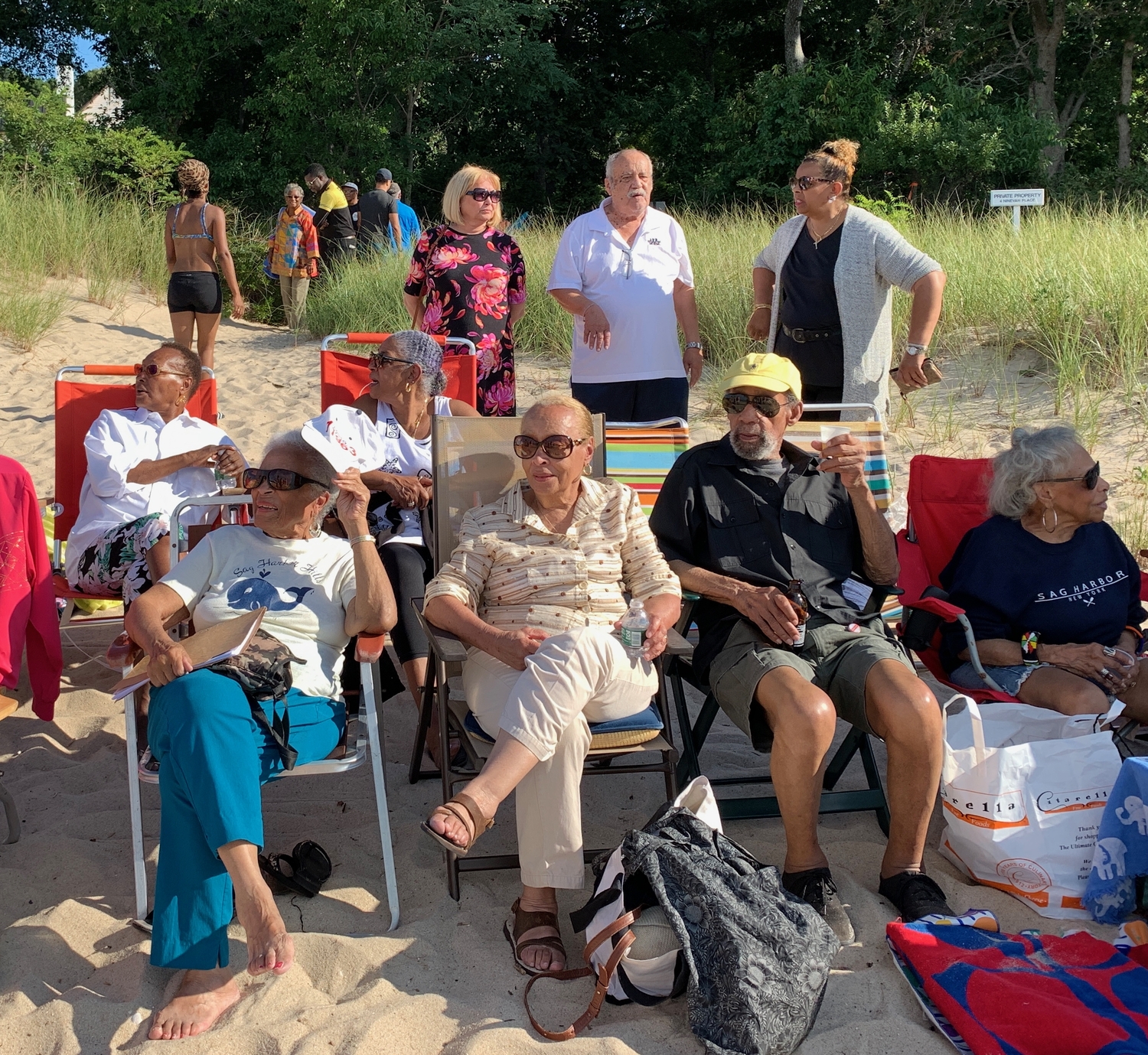
Barnes became one of many people who lived in the city but spent summers in Sag Harbor in the SANS communities.

She and her husband, Arthur H. Barnes, were newly married in the 1950s when they first visited Sag Harbor. At the time, Barnes was working for a doctor in New York named Binga Dismond, who owned a beach house in Azurest. He invited them for a visit in 1952, during which time the couple stayed at the Ivy Cottage, an iconic bed and breakfast on Hampton Street in Eastville. They fell in love with the area during that visit, and eventually rented and then purchased their own home on Lighthouse Lane.

Donnamarie Barnes spent her first summer in that home as an infant, not yet a year old, in 1955. Three years later, when her younger brother, David, was just 10 days old, he was brought to the summer house for the first time.

The family spent every summer from then on in Sag Harbor, and Donnamarie Barnes recalled how her mother and many other women in the neighborhood made it a special place for their families.

In many families, the mothers would spend the entire summer in the neighborhood, while the fathers would come out on the weekends from the city after working all week to be with their families. “There were gangs of kids on the beach, and all the women who were friends with my mom were called ‘aunt,’” she said. “It was a very social community.”

Gladys Barnes was always at the center of it all, her daughter recalled, not only when it came to casual gatherings during summer days at the beach with other women and their children, but also at evening social gatherings and functions. Donnamarie Barnes said that both her parents were very involved and politically active, supporting arts organizations, attending fundraisers, lending their energy and support for the civil rights movement, and more.

“She was a great organizer,” Donnamarie Barnes said. “She could organize an event just masterfully. And she was a great networker, and a great host of friends for all the different causes she was involved in. She was really good at that and recognized for that, for bringing people together.”

Gladys Barnes was one of several women from the community who have died in recent years but represent an important part of the history of the SANS neighborhoods and the larger history of Sag Harbor. They were pillars of those communities, and Donnamarie Barnes said she hopes that’s something the larger community remembers.

“The community’s recognition as historically Black with decades-old roots, my mother and her friends were creators of that legacy,” she said. “They never thought of it that way, but looking at it now, I think it’s important to recognize it as a cultural legacy.

“I hope all of the village recognizes and is proud of that,” she continued. “This has always been a place of diversity, and now it’s even more important that we acknowledge that these women and men created that, and talk about that history.”

The creation of that legacy, by her mother and other men and women in the SANS communities, heavily influenced Barnes, playing a big role in her eventual career as a local historian. Barnes is the director of history and heritage at Sylvester Manor on Shelter Island and is also a co-founder of the Plain Sight Project, which explores the history of slavery and tells the stories of formerly enslaved men and women on Long Island.

“Connecting the past to the present is what I do as a local historian,” she said. “I think if I didn’t have the foundation of being able to recognize the role my parents played in the development of these communities, I wouldn’t have understood the significance of the deeper past of free people of color emerging from slavery, and the next generation becoming landowners and homeowners in Sag Harbor, raising their families and building communities.”

In addition to her children, Gladys Barnes is survived by two grandchildren, two great-grandchildren, and many nieces and nephews.

In lieu of flowers, donations can be made to the Eastville Community Historical Society.

You May Also Like:

A New 27east and More Big Changes for The Express News Group

The Express News Group is launching a brand-new 27east.com this month, a major step forward ... 13 Dec 2025 by 27Speaks

Sag Harbor Village Police Reports for the Week of December 11

SAG HARBOR VILLAGE — An officer responded to a call from a Rysam Street address a little after midnight on Saturday. The caller told the officer that a man wearing a black ski mask had walked onto her porch and banged on the front door then ran off. The woman provided the officer with surveillance video from her Ring camera, which visually confirmed what the woman said had happened. Police described the man as white, “approximately 6 feet tall, wearing a black ski mask, black hoodie with a red logo on the back, and wording on the left chest, a ... 12 Dec 2025 by Staff Writer

Harmony for the Holidays

Let’s be real: As jolly as the holidays can be, they can also be overwhelming. ... by Jessie Kenny

A Little Time, a Big Impact: Pierson's Interact Club Brings Joy to Seniors and Revives Blood Drive

Isabella Carmona DeSousa didn’t know much about Pierson’s Interact Club when she joined two years ... 11 Dec 2025 by Cailin Riley

Dear Neighbor

Congratulations on your new windows. They certainly are big. They certainly are see-through. You must be thrilled with the way they removed even more of that wall and replaced it with glass. It must make it easier to see what is going on in your house even when the internet is down. And security is everything. Which explains the windows. Nothing will make you feel more secure than imagining yourself looking over the rear-yard setback from these massive sheets of structural glass. Staring at the wall has well-known deleterious impact, and windows the size of movie screens are the bold ... by Marilee Foster

I Can Dish It Out

Our basement looks like the final scene in “Raiders of the Lost Ark,” where the (found) ark is crated and wheeled into the middle of a government warehouse with stacked crates going on for miles. In other words, we have a lot of stuff. This tracks. Mr. Hockey and I have been married for 36 (according to my calculator) years. We’ve had four (no calculator needed) pucks. We’ve lived in seven (according to my fingers) different homes in three (no calculator or fingers needed) countries. In 2010, we moved back to East Hampton full time. We brought everything we had ... by Tracy Grathwohl

The Urgency of Real

The Hamptons International Film Festival typically takes up a lot of oxygen in the fall on the South Fork, but it’s worth celebrating a slightly smaller but just as vital event in late autumn: the Hamptons Doc Fest. Running this week for its 18th year, the festival of documentaries was founded by Jacqui Lofaro and has become an essential part of the region’s arts scene every year. It’s a 12-month undertaking for Lofaro and her staff, and the result is always a tantalizing buffet of outstanding filmmaking, not to mention unforgettable stories. The arrival of the era of streaming services ... 10 Dec 2025 by Editorial Board

Hitting Pause

East Hampton’s housing shortage is real; the town can’t afford to ignore any potential long-term solutions. But the recent — and now scrapped — plan for a large employer-run complex on Three Mile Harbor Road raises too many questions that haven’t been fully answered. The proposal, put forward by Kirby Marcantonio and an unnamed partner, would have created 79 units of employer-controlled housing, comparable to a project he has pitched on Pantigo Road. To make it happen, the East Hampton Town Board would have had to allow the project to sidestep the town’s 60-unit limit on affordable developments, and rezone ... by Editorial Board

Proceed With Caution

Overlay districts are a common zoning tool used by many municipalities. Southampton Town has used them to varying degrees of success — the aquifer protection overlay district has been a winner; a downtown overlay district in Hampton Bays less so — in various parts of the town. They essentially look at the existing zoning, then allow those rules governing what can be done on properties to be reconsidered if there’s a newer concern to be addressed. In a bid to clean up the process for creating more affordable housing, the Town Board is looking at a new overlay district that ... by Editorial Board

The Whole Picture

When it comes to evaluating a complex development proposal, splitting up the application into separate parts may seem tempting, especially when environmental uncertainties loom. But in the case of Adam Potter’s plan for 7 and 11 Bridge Street, the Sag Harbor Village Planning Board should resist any temptation to segment the project for review. Potter’s attorney has asked the board to consider the gas ball property at 5 Bridge Street — a site that could provide the 93 parking spaces required for Potter’s 48 residential units and commercial spaces nearby — separate from the main development. The reason is understandable: ... by Editorial Board