


 2 Photos
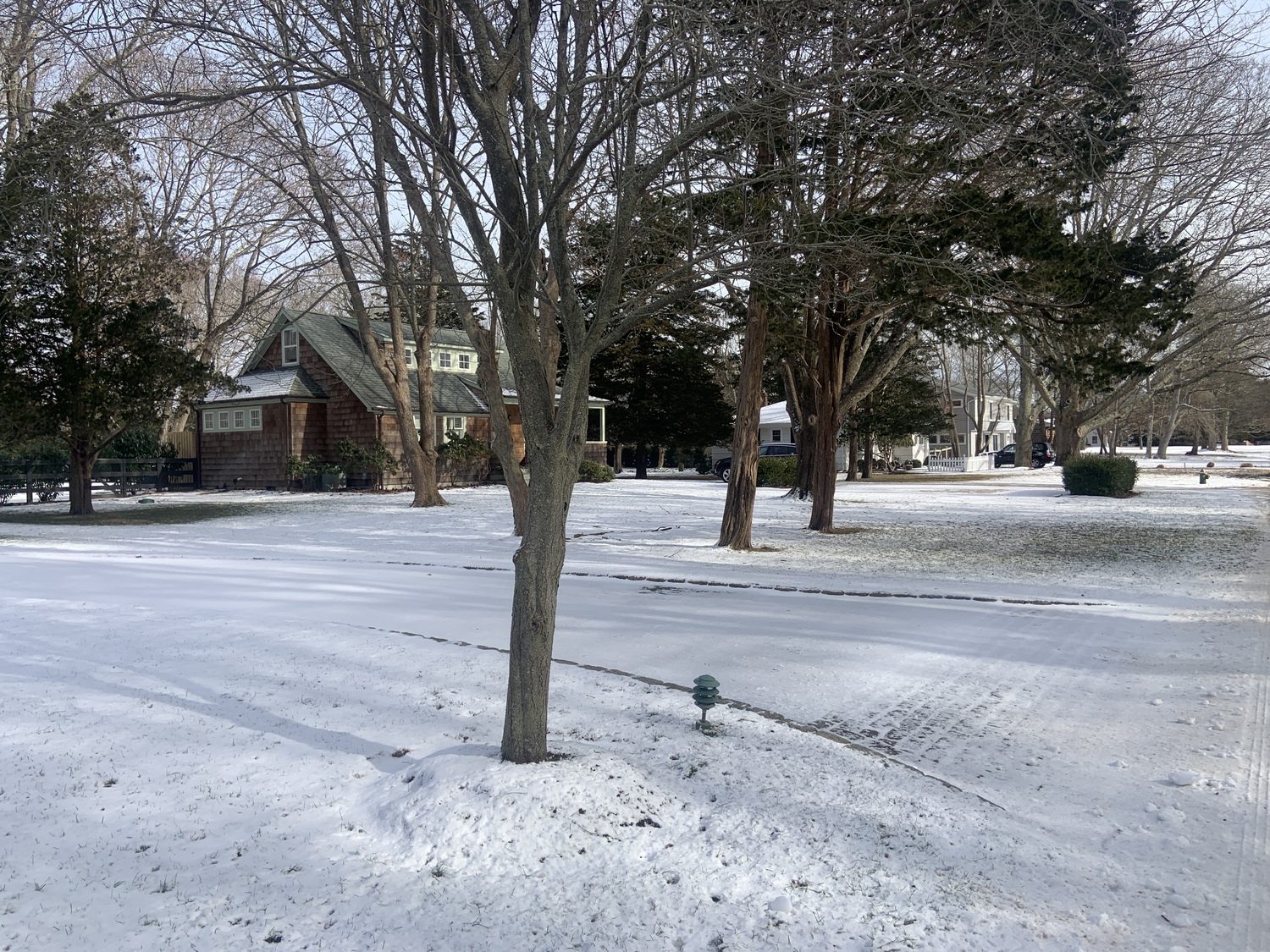
The North Haven Village Board has proposed a number of code changes that it hopes will protect the character of some of its neighborhood streets, where modest houses can be found. STEPHEN J. KOTZ
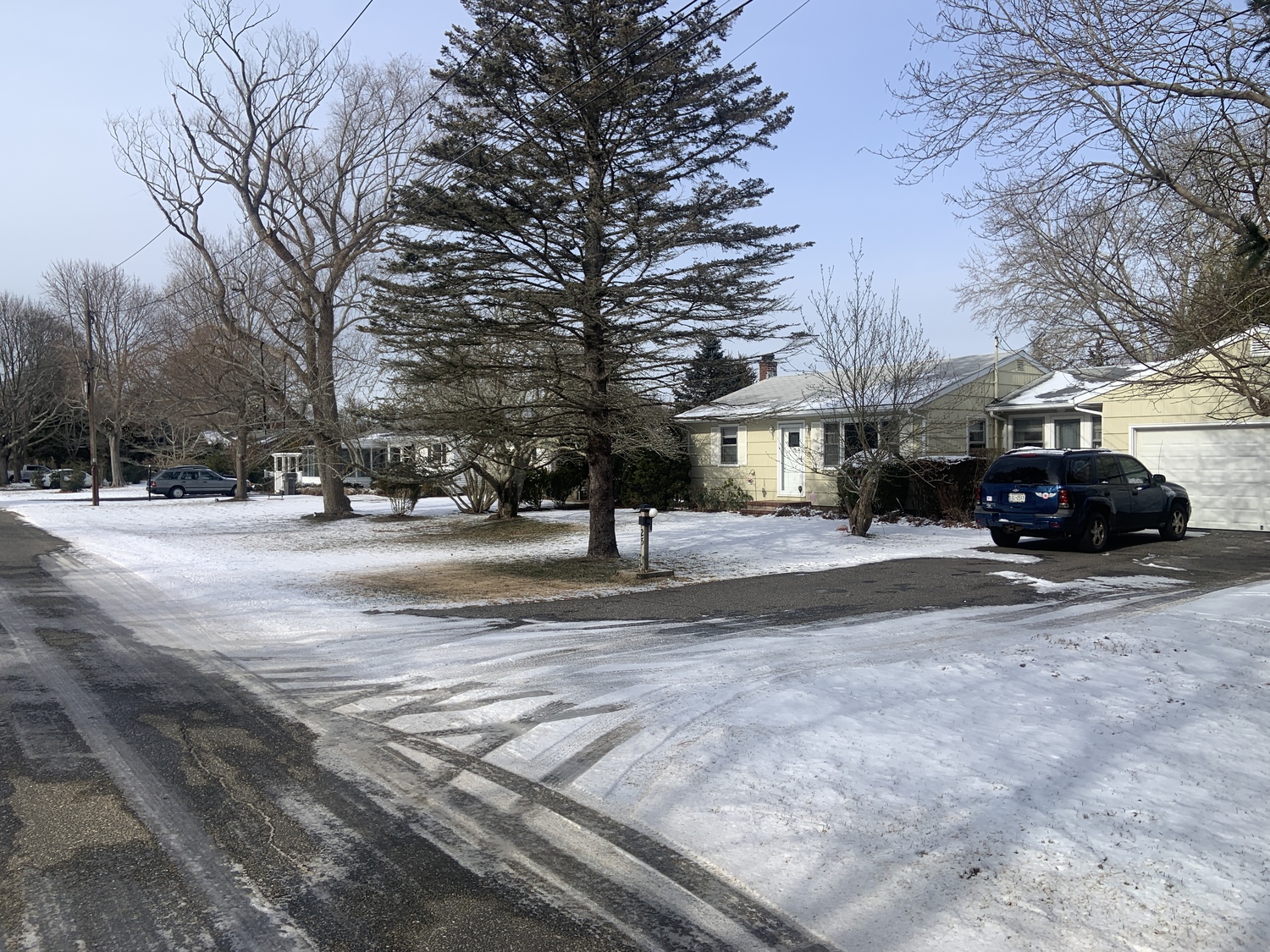
The North Haven Village Board has proposed a number of code changes that it hopes will protect the character of some of its neighborhood streets, where modest houses can be found. STEPHEN J. KOTZ
The North Haven Village Board on January 15 unveiled a slew of proposed code amendments, ranging from new definitions for what can be included in determining the size of a building lot to a proposal that would have banned the display of sculpture or other artwork on a front lawn, which was withdrawn by Mayor Chris Fiore without comment.
The remaining hearings were kept open, pending a ruling by the Suffolk County Planning Commission that the proposed changes are appropriate.
The proposal that generated the most pushback was one that would exclude that portion of a property that is underwater or under a street from being included in the total lot area.
Trustee Terie Diat said there are at least 175 waterfront lots in the village, where land below the high tide line is considered part of the property and taxed by both the village and town. Eliminating that square footage could reduce the size of what could be built on it and would be particularly “punitive to waterfront homeowners who have small lots,” she said.
Peggy Irick, a resident of Bay Haven, told the board she has been seeking permits to rebuild her family home for the past three years. She said part of her property is under Fresh Pond, and she urged the board to grandfather in property that is part of an active application if it plans to move forward with the tightening of the code.
“I’m concerned these changes could happen and then I’d have to start at square one again,” she said.
Peter Cook, who also lives in Bay Haven and has a portion of his property under Fresh Pond, added his voice to opponents of the change, pointing out that some properties are on steep bluffs that cannot be used for building, but which are calculated as part of the total lot area. He said the changes to the code could unfairly punish someone who owned a piece of land but had yet to build on it.
Fiore said the village took up the proposed zoning changes because the board has received complaints over the years from residents who see modest ranch houses razed and replaced with McMansions, destroying the village’s character in the process.
Others raised concerns. Camille Petrillo said many homeowners would be affected by the proposal. “Change is inevitable. The neighborhoods are transitioning,” she said. “North Haven is a very desirable place to live,” adding that it was unrealistic to think that people would not want to replace small ranch houses sometime down the line.
Another resident, Rob Remkus, told the board, “I feel the damage has been done.” He said that on just about every street of modest homes in the village, there is at least one large house. He said the village should be careful about how strict it is in restricting the size of houses because those larger houses pay higher taxes and will help support the village in the future.
Diat, who said she supported the general effort to protect the village’s character, nonetheless, argued that the work was too important to do in “a piecemeal” fashion. “I do think that our zoning code is multifaceted, interconnected and a complex set of codes that governs what is really most likely the most valuable asset our residents own,” she said. “We should look at zoning changes in a comprehensive manner.”
Barbara Roberts, a resident, backed Diat. “Doing these code changes piecemeal is just a really bad way to handle this,” she said. She said the village should invest the time and energy into creating a comprehensive plan.
“The conversation has to start with the entire community brainstorming,” she said.
Several other minor proposals were presented without opposition, but the board differed on updated rules for pool houses. Fiore called for a code amendment that would limit the size of pool houses to 250 square feet, but allow for an unfinished basement, and plumbing fixtures, including sinks, toilets and showers, but no heat.
Diat, pointing to changes that had been made in the original proposed law, described the amendment as “a moving target.”
Trustee Dianne Skilbred had concerns. She said the law should require that a pool house be adjacent to a pool and said she opposed any provision to allow heat or air conditioning.
Diat added that it appeared the village was “greenlighting” the use of pool houses as accessory apartments, but Fiore said that was not the intention.
“I do not want to pursue accessory dwelling units,” he said. “We tried it two years ago and it was problematic.”
Fiore said he had been approached by 13 residents who asked that toilets be allowed in pool houses and thought it was a reasonable step to take.
Trustee Claas Abraham pointed out that the proposed amendment was lifted from the Sagaponack Village Code and similar to what other villages allow.
“I don’t think we have to do what every other village does,” Skilbred responded.


 Stephen J. Kotz on Jan 22, 2025