


 7 Photos
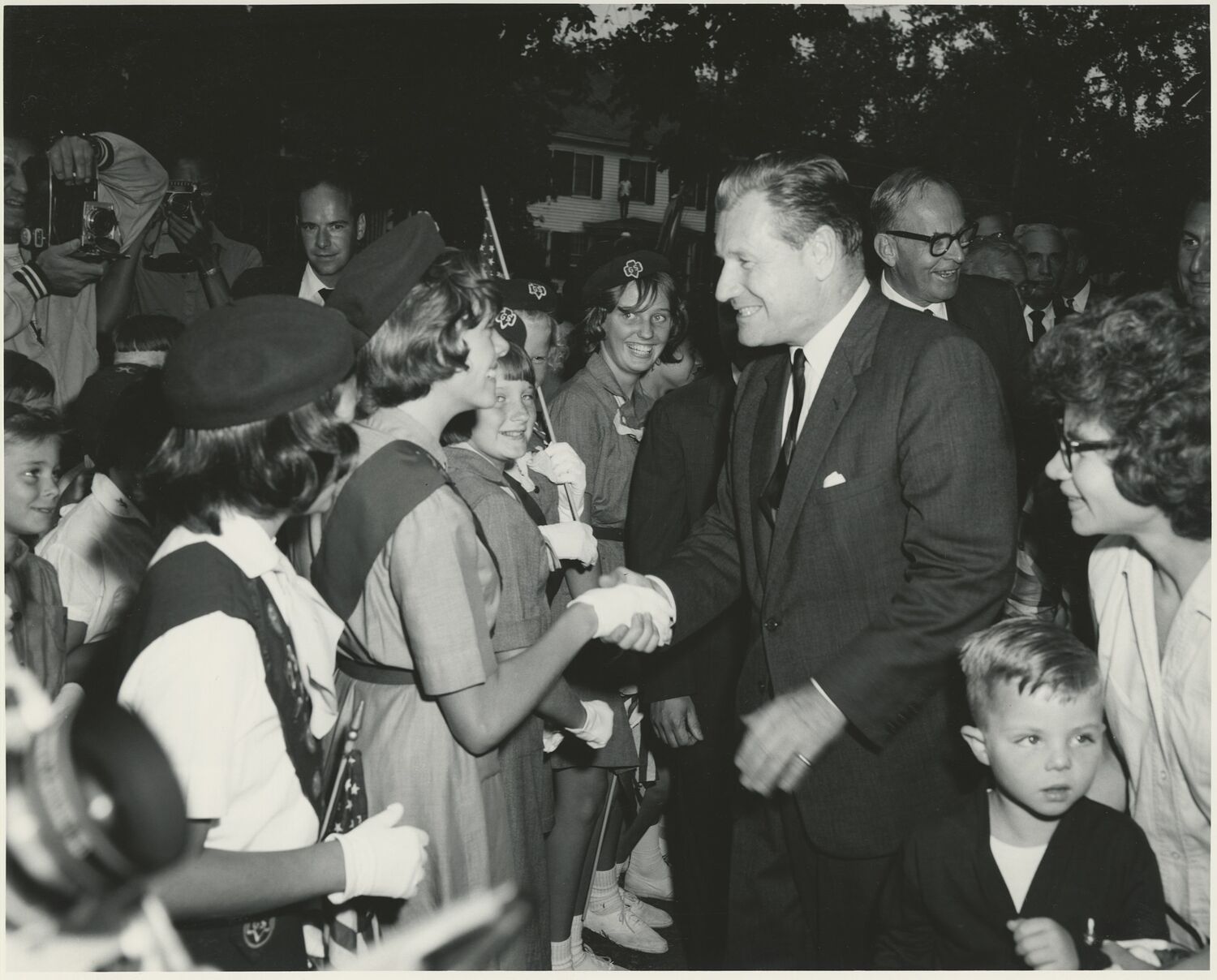
Governor Nelson Rockefeller greeting well-wishers during a visit to Sag Harbor on July 18, 1962. COURTESY JOHN JERMAIN MEMORIAL LIBRARY
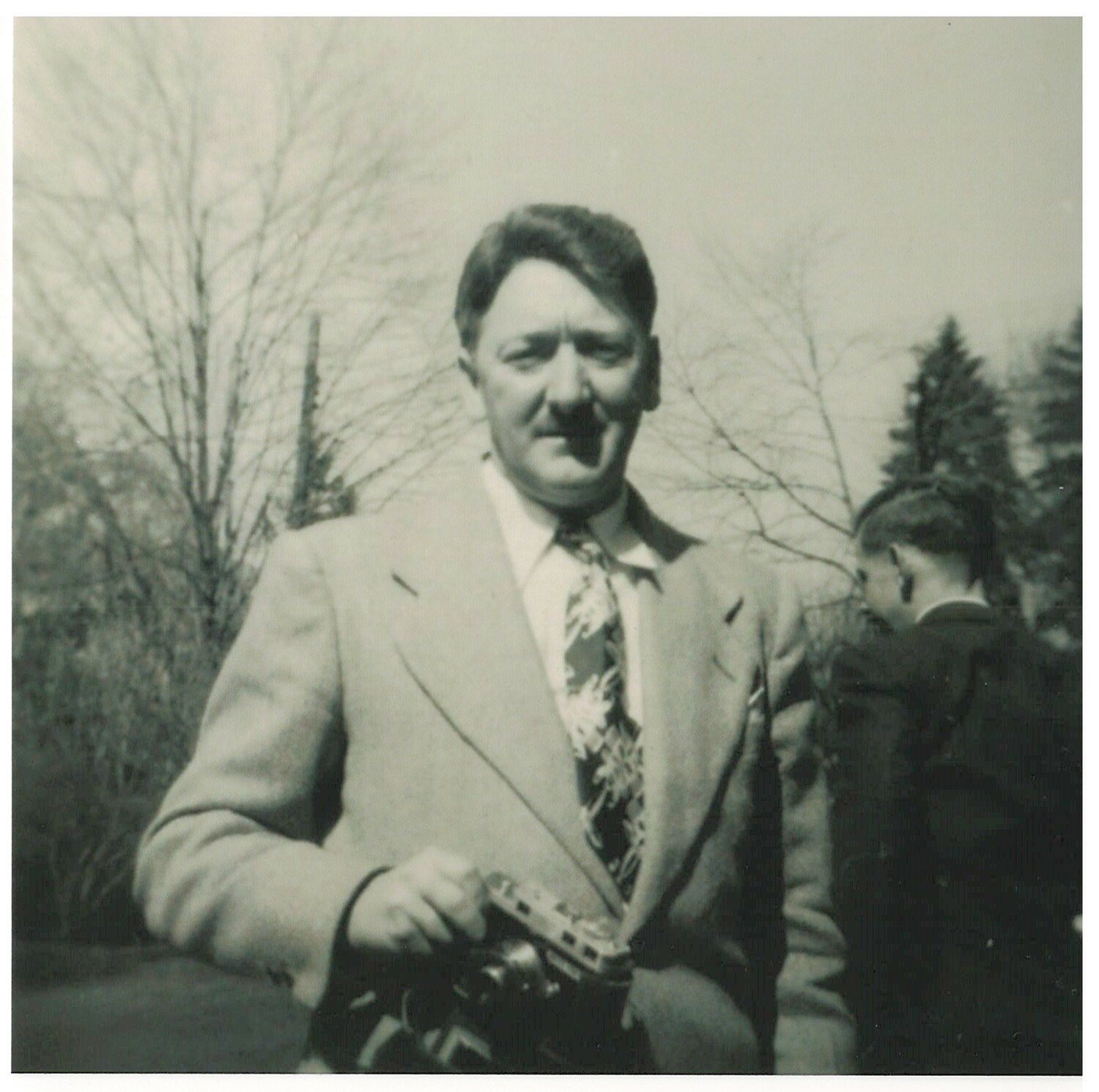
Mel Jackson when he was a busy photographer in Sag Harbor. COURTESY ANNE FAGAN
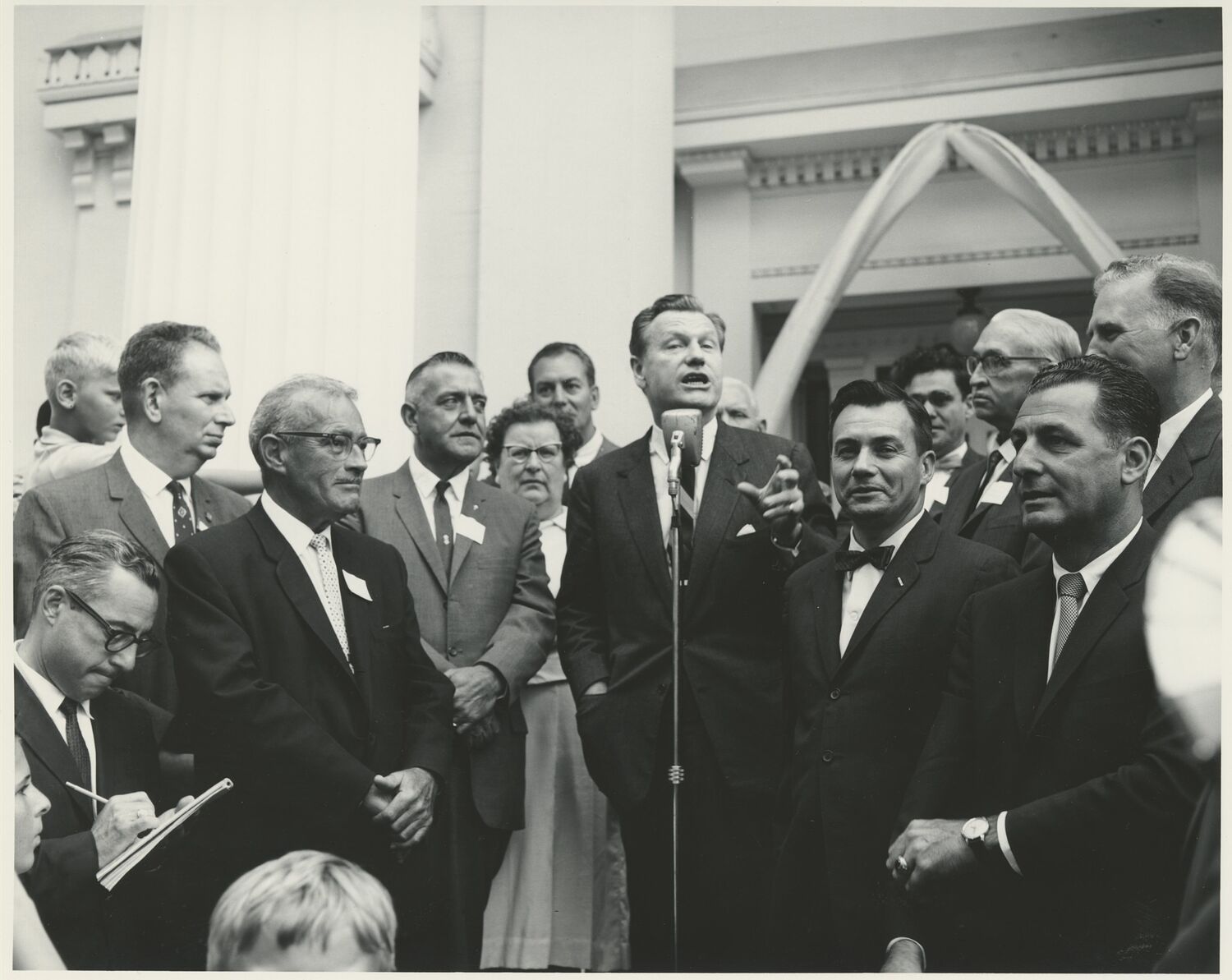
Governor Nelson Rockefeller speaking at the entrance to the Sag Harbor Whaling and Historical Museum during a visit on July 18, 1962. COURTESY JOHN JERMAIN MEMORIAL LIBRARY
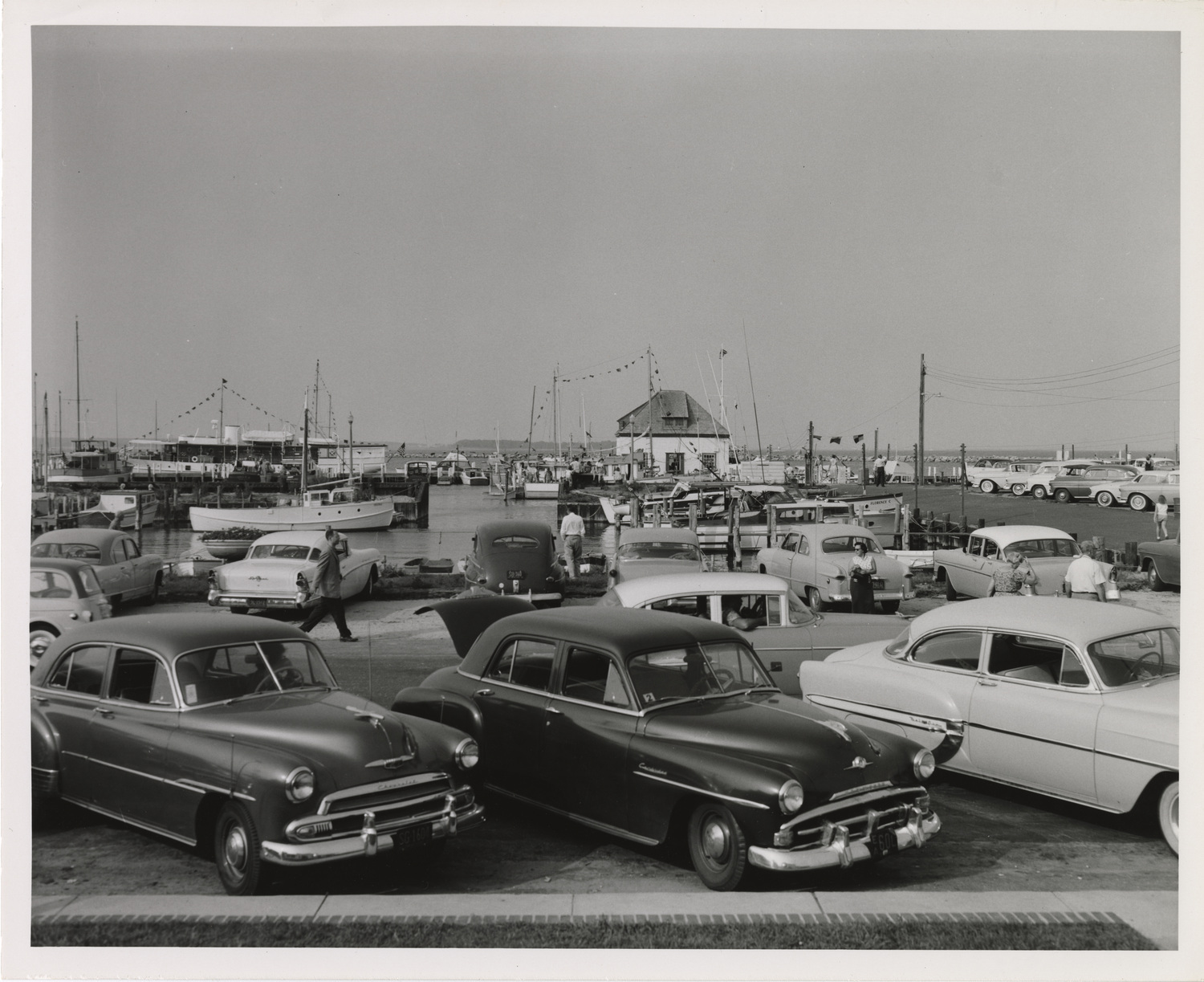
Cars parked on Bay Street with the Sag Harbor Yacht Club in the distance on Labor Day weekend in 1957 when the village celebrated its 250th anniversary. COURTESY JOHN JERMAIN MEMORIAL LIBRARY
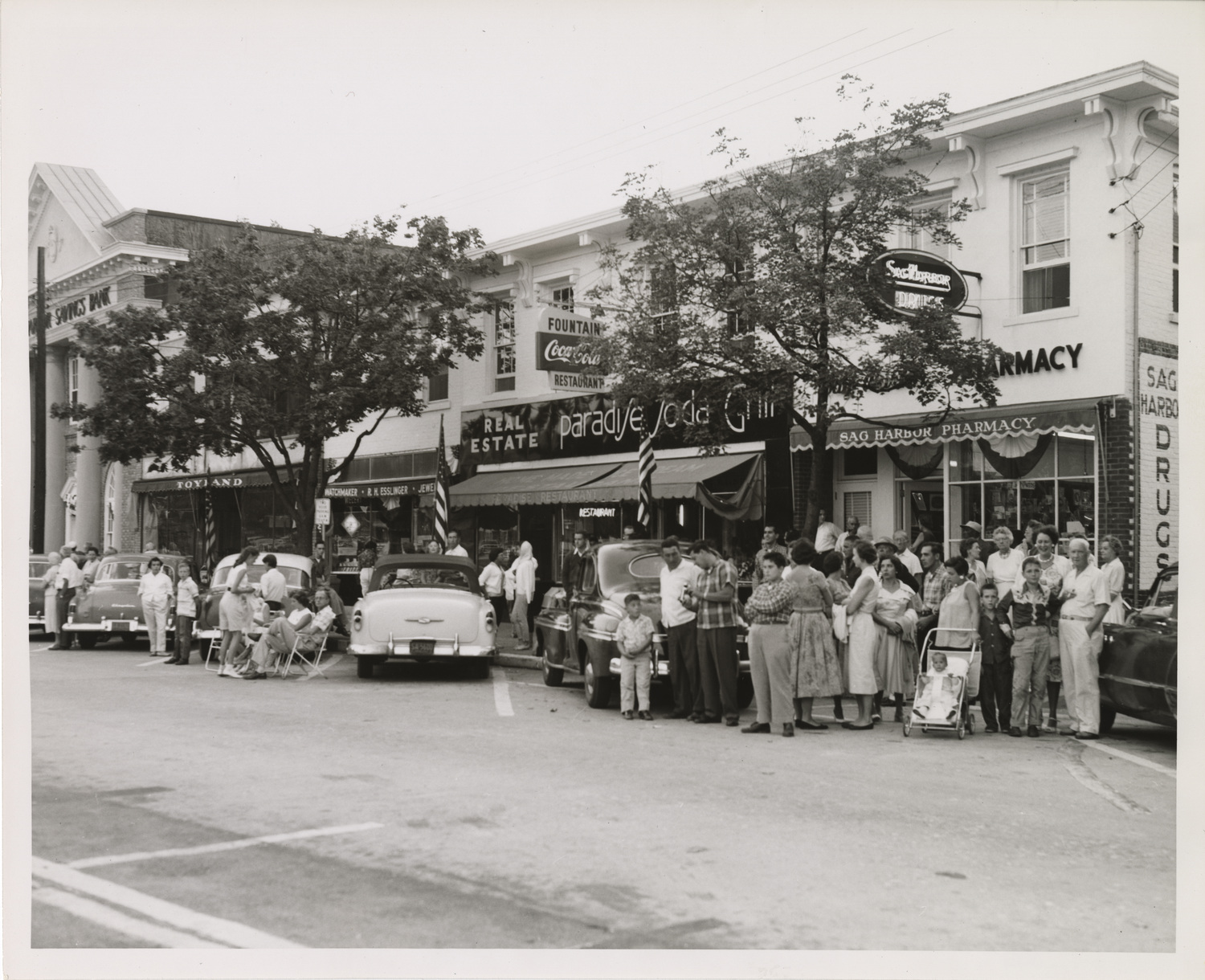
A view looking south on Main Street when Sag Harbor Village held a parade to celebrate its 250th anniversary on Labor Day weekend in 1957. COURTESY JOHN JERMAIN MEMORIAL LIBRARY
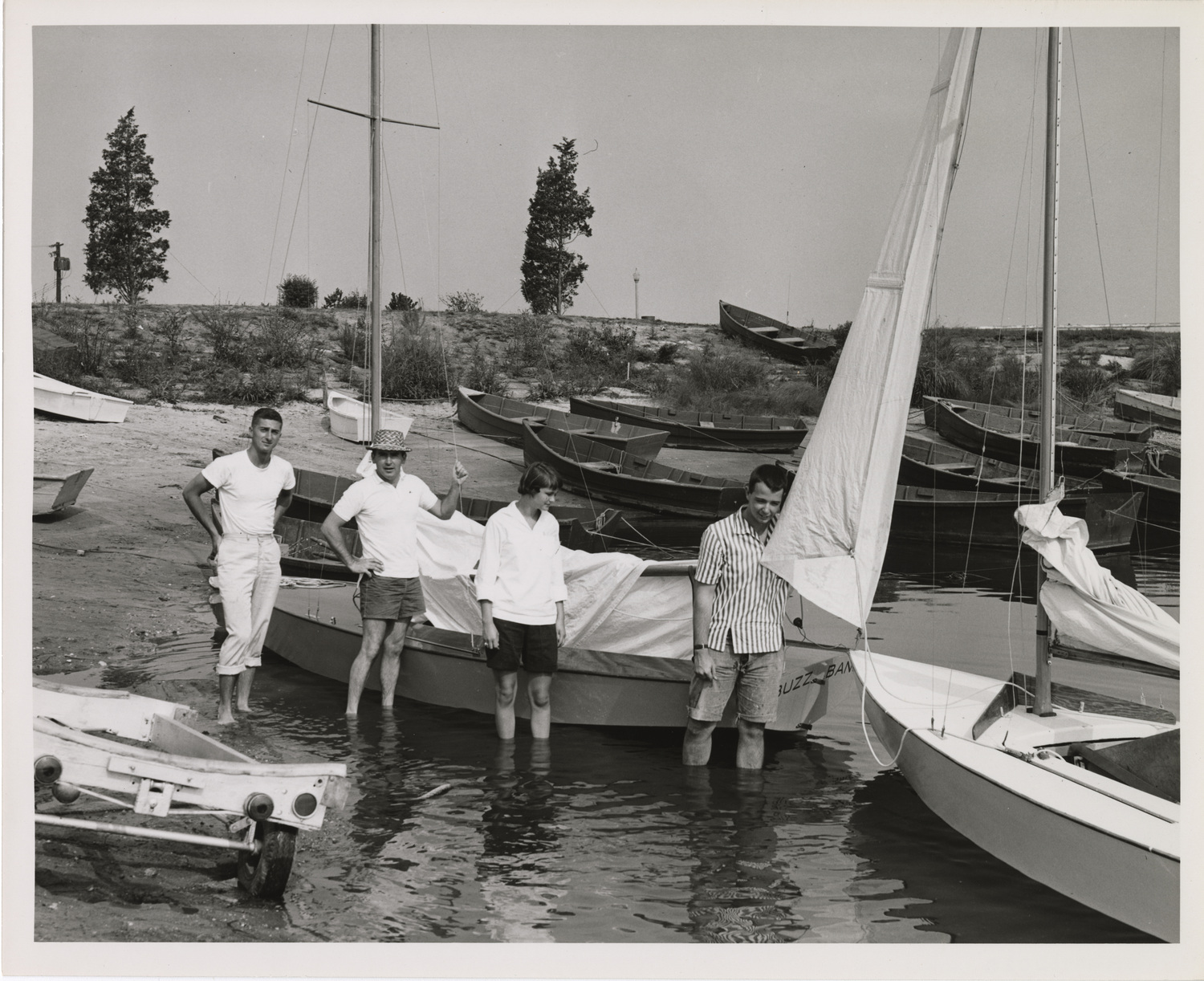
Young boaters at Windmill Beach in 1957. COURTESY JOHN JERMAIN MEMORIAL LIBRARY
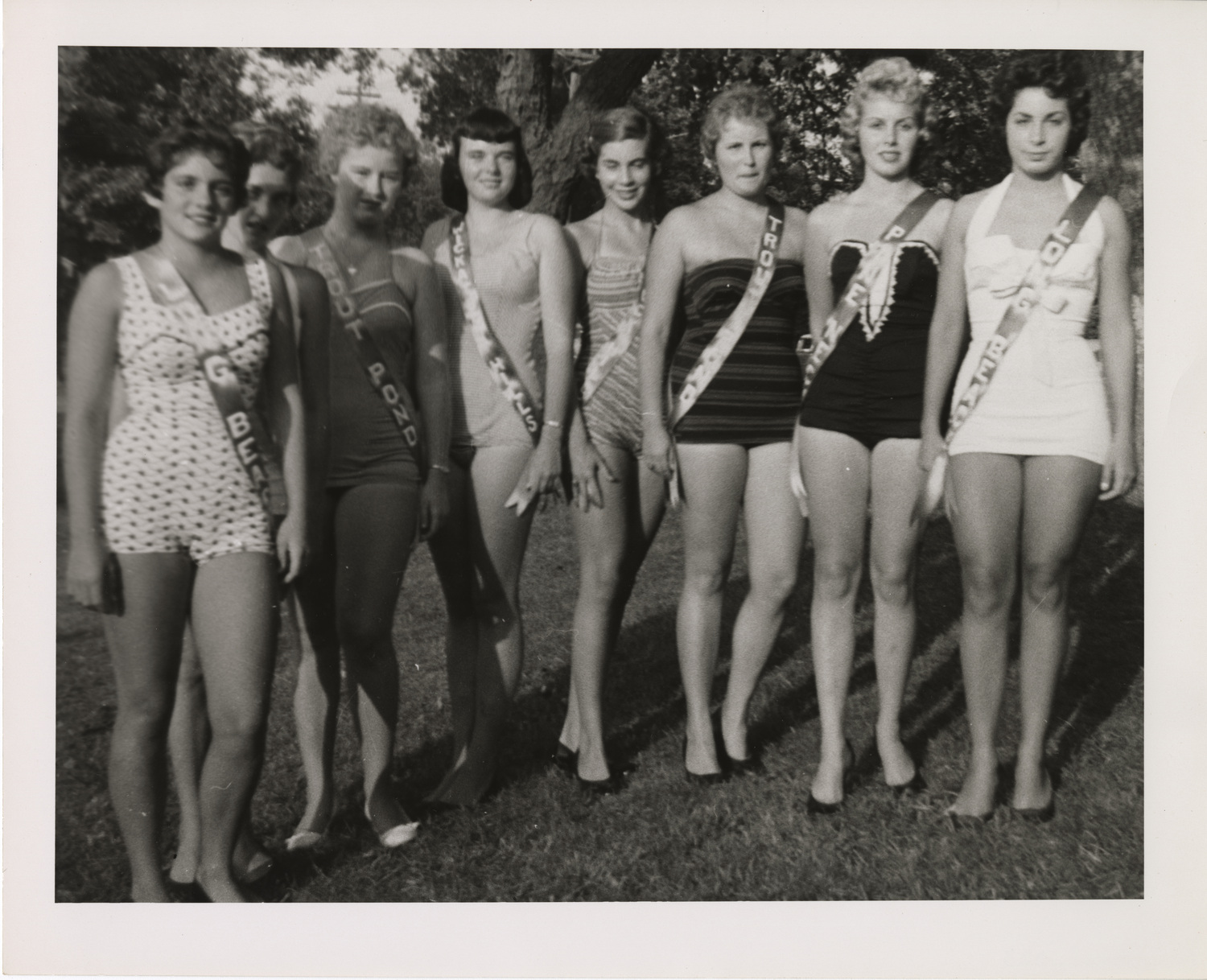
A beauty contest. COURTESY JOHN JERMAIN MEMORIAL LIBRARY
A glimpse of Sag Harbor’s past in the form of a collection of more than 30 photographs captured through the lens of photographer Mel Jackson has opened at the Sag Harbor Whaling and Historical Museum and will be on display through the month of May.
Titled “The Way We Were,” the exhibit consists of 12-inch-by-16-inch black-and-white prints from the archives of the John Jermain Memorial Library.
The exhibit has been curated by Alison Bond, who, with her husband, Evan Schwartz, was a neighbor of Jackson and his wife Dorothy for many years.
It focuses on three separate events: the moving of the Custom House from its original home on Church Street to Garden Street in 1948, the village’s 250th birthday, which was observed with a parade and other activities over Labor Day weekend in 1957, and a whirlwind visit to the village by Governor Nelson Rockefeller on July 18, 1962.
Jackson served as a freelance photographer for The Sag Harbor Express, but he was in demand to shoot weddings, graduations, and other private events. The Jacksons also ran for many years the Harbor Studio and Camera Shop in the building now occupied by the Faherty clothing store.
Bond said Jackson was not one for showing off his work, although she did say he showed her photographs he had taken when the Custom House was moved down narrow Union Street to its new home in 1948. Bond said it was only after the John Jermain Memorial Library moved back to its Main Street building in 2016 following a major renovation that she learned the library had a collection of approximately 175 of Jackson’s photos.
The idea of organizing a show of Jackson’s work came about when Jackson’s daughter, Anne Jackson, was back in the village visiting a couple of years ago, Bond said.
“He really did it with a reporter’s eye,” Bond said of Jackson’s photographs for the paper. “And he was a very careful guy. He annotated them all with whoever was there.”
She described his photos as a “slice of mid-century life in a small village.”
Most of the collection revolves around the 250th birthday celebration. There are broad shots up and down Main Street, where a large crowd awaits the start of a parade and other photographs of a fleet of 1950s American cars parked in front of the American Legion, a small group of young people preparing for a sailing regatta at Windmill Beach, and even a lineup of local bathing beauties representing localities such as Long Beach, Trout Pond and Wickatuck Hills.
When Rockefeller made a brief visit in 1962, Jackson captured him giving a speech in the entrance of the whaling museum and greeting well-wishers, including the photographer’s daughter.
Anne Jackson said her father, who was born in 1907 in Waltham, Massachusetts, moved to Sag Harbor in the 1930s, when he met his future wife, Dorothy Staudinger.
“He was already a photographer by then,” she said. Shortly after World War II broke out, Jackson enlisted in the U.S. Navy, and before he was shipped overseas, the couple got married. Jackson was a naval photographer and recorded scenes from North Africa to Normandy, his daughter said.
After the war, she said her parents saved their money until they could afford to open their photography studio, where they also sold and developed film. Over time, they expanded the business to include Kodak and Polaroid cameras, records and 45s, art supplies and frames.
Jackson said she helped her parents in the store from a young age. “I learned so many life skills,” she said, “how to greet customers, how to use the cash register, and how to answer the phone.”
“My father took pictures all of the time — and I mean all of the time — constantly,” she said. “He loved taking pictures.”
She remembered when she was a small child in early 1950s “standing in the backyard at home, and my dad flew over in a plane.” That was on a photo assignment, of course.
Anne Jackson moved to Massachusetts, where she still lives, to attend college and become a teacher. After selling their business in the 1970s, her parents began to winter in Florida, eventually moving there full-time until their deaths.
Jackson said growing up, she remembered Sag Harbor as having a “vibrant downtown. Everything you needed was in that little downtown. So much has changed.”
The museum is open from 10 a.m. to 4 p.m., Wednesday through Sunday. More information can be obtained by visiting sagharborwhalingmuseum.org.


 Stephen J. Kotz on Apr 30, 2024