


 4 Photos
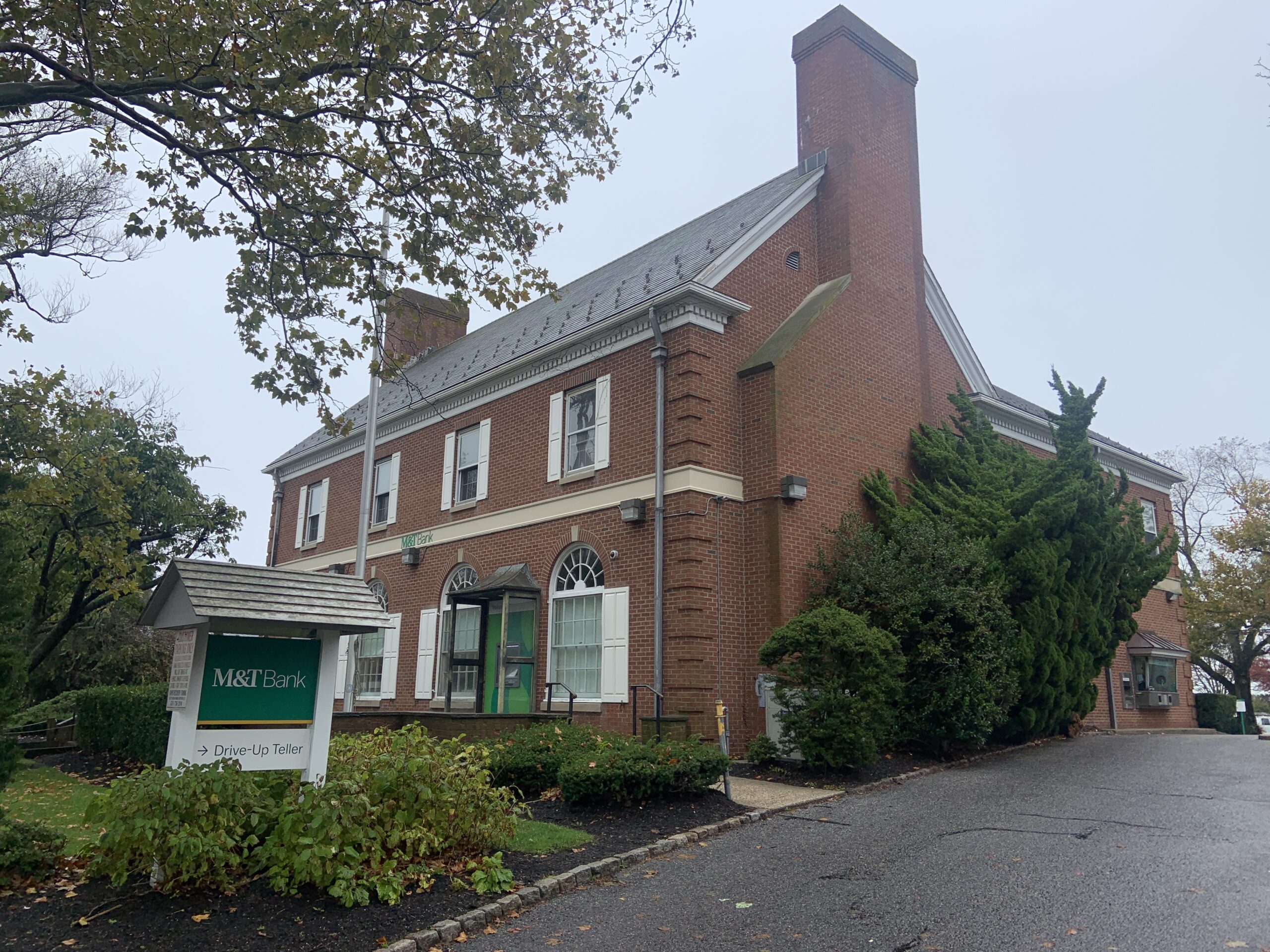
The Sag Harbor Village Planning Board this week discussed an, as yet, informal proposal to expand the M&T Bank building and add a third floor. STEPHEN J. KOTZ
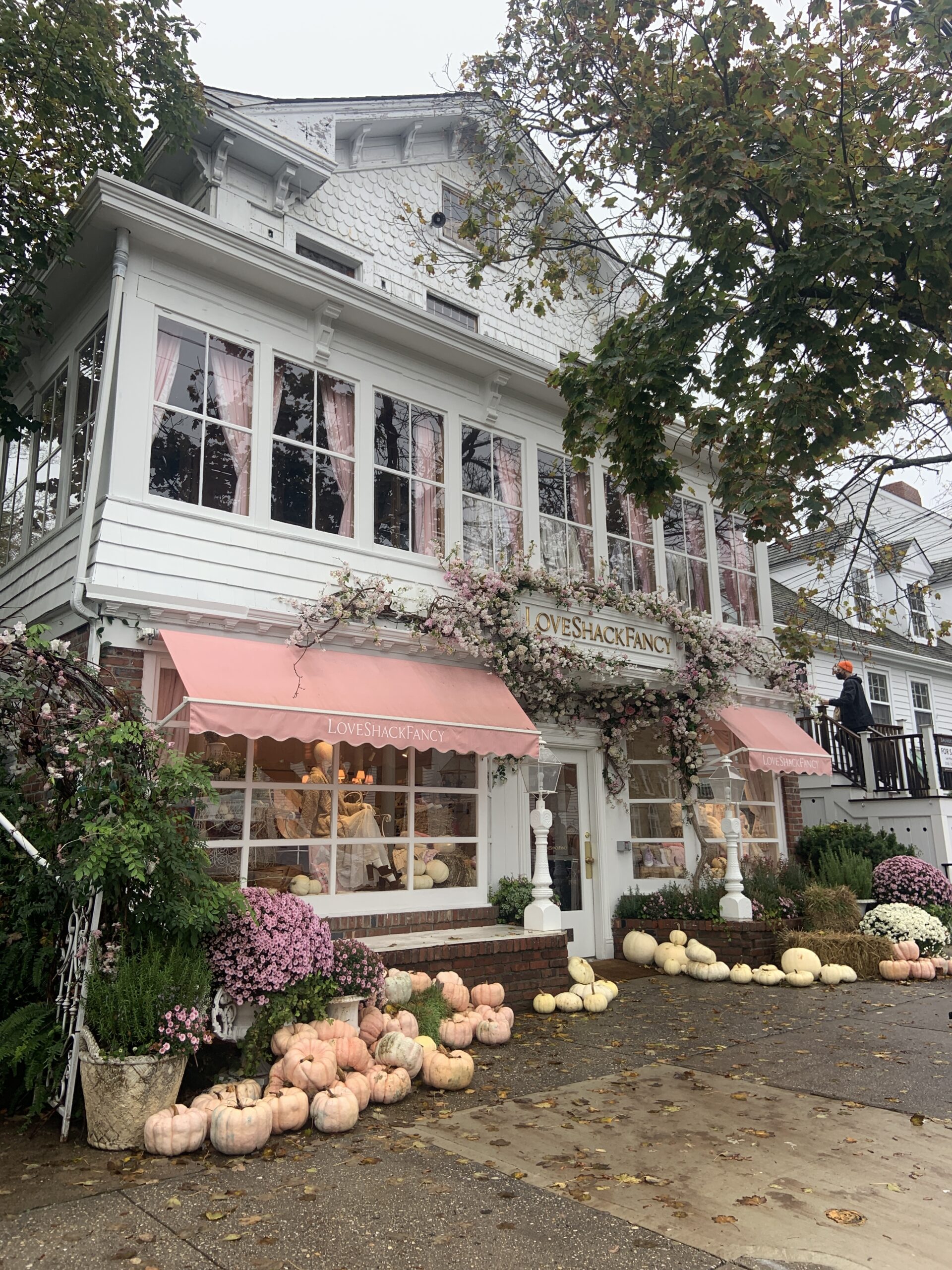
A proposal has been brought to the Sag Harbor Planning Board to build a two-story building behind this existing building on Madison Street. STEPHEN J. KOTZ
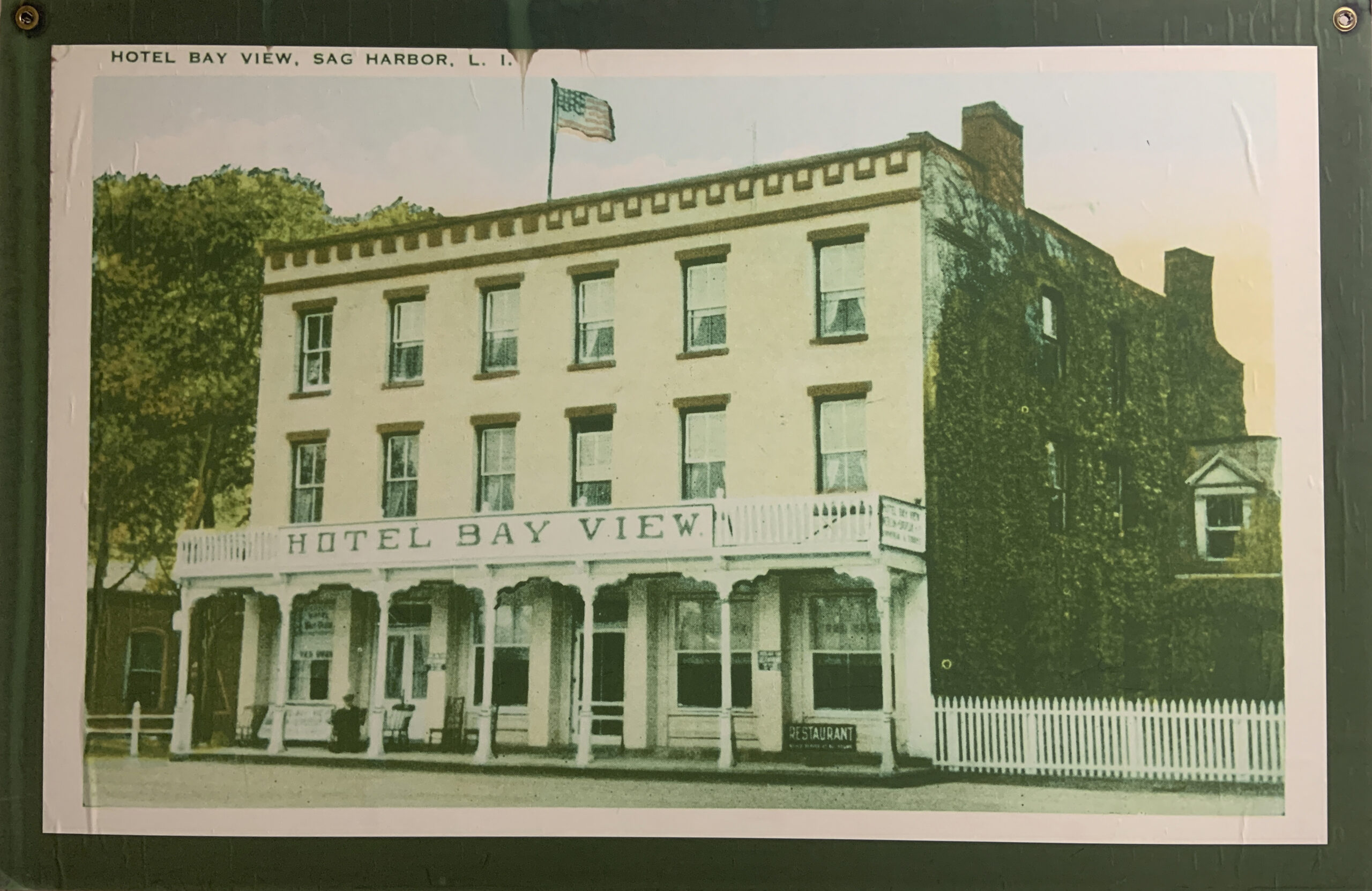
An old postcard image of the Bay View Hotel, which once occupied the site of the M&T Bank building. Architect Will Sharp said design elements of the hotel would be incorporated into an expanded bank building.
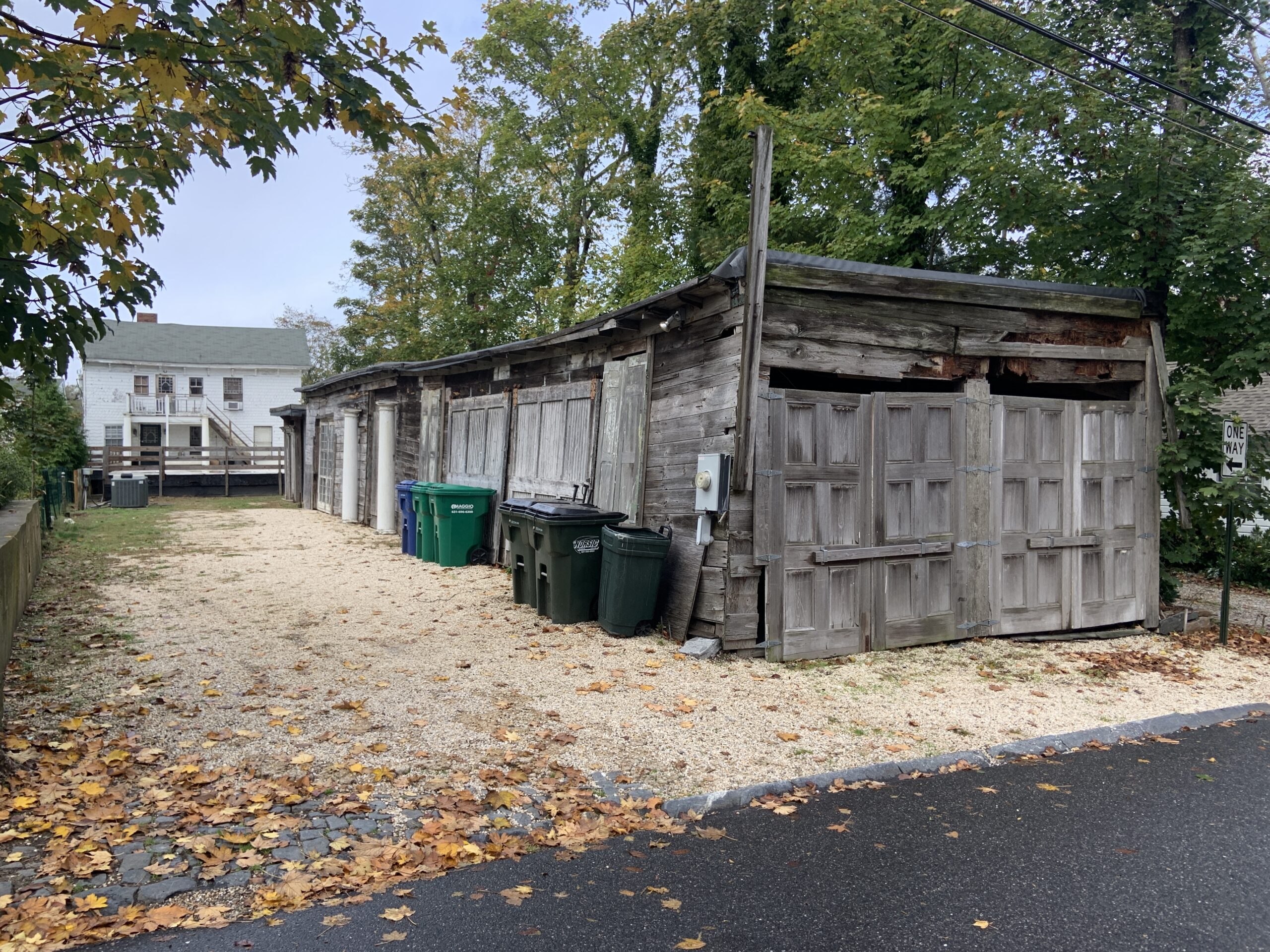
This dilapidated garage behind the former Christie Arts Building on Madison Street would be replaced with a two-story building fronting on Church Street. STEPHEN J. KOTZ
A year after leading a group of investors in purchasing the former Suffolk County National Bank building on Main Street in Sag Harbor last year, Rose Cheng appeared before the Village Planning Board on Tuesday, October 25, with her architect, Will Sharp, to gauge its interest in a proposal that would more than triple the size of the building by expanding it toward Main Street and adding a third floor.
They presented their idea to the board as a “discussion” item, meaning a formal application has yet to be filed.
Sharp said his design concept would be inspired by the Bay View Hotel, a three-story building that once stood on the site. Although he had no renderings to share with the board, he said the footprint of the two-story building, which currently houses the M&T Bank on the first floor and six offices on the second floor, would be expanded by approximately 4,000 square feet toward Main Street and to the north into the driveway and parking lot separating it from Sag Harbor Books and Provisions, the natural foods café and grocery store.
The bank and retail shops would occupy the first floor, up to five additional offices would be added to the second floor, and six apartments, some of which could be earmarked as affordable, would be proposed for the third floor, Sharp told the board.
Planning Board Chairman John Shaka said he was intrigued. “I like the idea of realigning the building with the sidewalk,” he said. “That doesn’t scare me in the least. I think that’s appealing.”
But what concerned Shaka and other board members was the lack of sufficient parking on the site, even though the property has one of the largest parking lots, if not the largest, of any commercial lots in the village.
Today, the lot contains 22 spaces, 17 of which are dedicated to the bank and five of which are reserved for offices. Sharp estimated that another 30 spaces would be needed under current zoning for the additional retail and office spaces being proposed and about 10 more for third-floor apartments. He said an extra two spaces could be added to the lot, even though the north Main Street access would be closed off as part of the redevelopment.
But Sharp argued that by always focusing on providing parking spaces, the village was ignoring the opportunity to reimagine its downtown and truly undertake effective and progressive planning for the long-term sustainability of the village.
“This project won’t get built, couldn’t get built, if we had to follow the letter of all the parking requirements,” Sharp told the board. He described the focus on the automobile as a remnant of the Robert Moses era of suburban planning in New York and said progressive planners across the country eliminate parking requirements.
In Sag Harbor, typically one parking space is required for every 200 square feet of office or retail space, and two spaces are required for most apartments.
But board member Kate Lawson said the board’s hands were effectively tied.
When the village began its effort to create a waterfront overlay district more than three years ago, it intended to review parking requirements, which require a given number of spaces based on the square footage and use of a property, because they were seen as an ineffective planning tool.
“There wasn’t an appetite for changing the current structure for parking in the village,” she said. “For now, these rules are in place, and that’s what we have to follow as a board.”
Despite Sharp’s protestations, Lawson said, “This particular project is not going to drive us to change the code — we can’t do that anyway.” She said the issue would have to be taken up with the Village Board, which has the authority to change the code.
Sharp said he would gladly discuss the matter with the Village Board, saying, “I’ve been looking for solutions my entire life and they are not usually in the box.”
The board also heard from attorney Brian Matthews and engineer Alex Holleman who represented HREA 3 Madison Street, LLC, which has proposed constructing a new two-story building with 650 square feet of retail space on the first floor and a 650-square-foot apartment on the second floor.
The new building would be constructed on the Church Street side of the 7,583-square-foot lot and replace an existing one-story structure that is in disrepair.
Village Building Inspector Christopher Talbot, who reviewed the initial application, noted that the lot size was below the 10,000-square-foot standard required in the Village Business zone. Plus, the proposed apartment would be smaller than a 750-square-foot requirement.
Planning consultant Kathryn Eiseman said there were a number of other issues with the initial proposal, ranging from the proposed width of the driveway to the placement of parking spaces. She also questioned whether the two-story building would be considered an in-kind replacement.
Board members wondered if future redevelopment would be proposed for the main building, which is currently occupied by a home goods store, Love Shack Fancy, and they said if an apartment were to be constructed that they would prefer to see it restricted as affordable.


 Stephen J. Kotz on Oct 26, 2022