


 1 Photo
Members of the Sag Harbor Village Board were told last month that a law they enacted two years ago, making it easier for residents to create accessory apartments, has a near fatal flaw that requires any property approved for such an apartment to have at least 70 feet of frontage on the street.
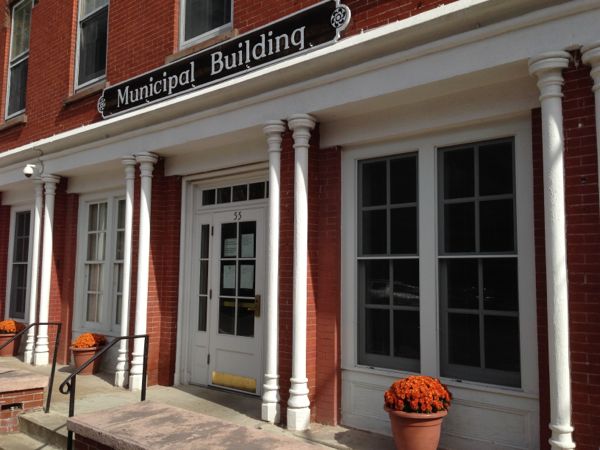
Few lots are that wide, and on Tuesday, March 11, the board agreed to address that hurdle when it scheduled a a public workshop next week to seek community input on changes that need to be made to the law. That workshop will take place at 1 p.m. on Saturday, March 22, at the Municipal Building.
In the meantime, the board set aside for now scheduling on a proposal that would eliminate a requirement that a property be at least 70 feet wide to be eligible for an accessory apartment. The board discovered last month that the width requirement had been unintentionally carried through in a previous code change.
The only other substantive change to the law for now would be the elimination of a one-year amnesty for a village resident who had an illegal accessory apartment to bring the unit up to code.
Mayor Tom Gardella said the board would seek input on other concerns residents have about the law, including concerns over the possibility that density could be improperly increased without some other checks in place.
Gardella informed the board that the East Hampton Housing Authority planned to partner with the Sag Harbor Community Housing Trust to buy a four-apartment house at 1098 Hampton Street.
Under the arrangement, the housing authority will seek a $1.5 million grant from East Hampton Town’s Community Housing Fund, and the Sag Harbor Community Housing Trust will contribute $1.2 million to the $2.65 million purchase price. The housing trust will be reimbursed $500,000 for its sale of the Cottages on Route 114 to the housing authority.
Gardella urged village residents to attend public hearings that will be held by the East Hampton Town Board on March 20 and April 3 to consider the proposal.
Sag Harbor once had dozens of multi-unit houses, but over the past two decades many of them have been converted back into single-family houses, putting the squeeze on an already tight affordable housing market.
The board also set an April 8 public hearing on a proposal that would change the authority to issue permits for new connections to the village sewage plant from the superintendent of the plant to the Village Board itself. The board has been considering the shift as it prepares to undertake the first phase in a costly effort to extend sewers to areas with the shallowest depth to groundwater.
Trustee Aidan Corish, the liaison to the sewer plant, said the village has received millions of dollars in grants from Southampton and East Hampton towns to extend sewer lines to existing homes and commercial buildings, and the board should bear the responsibility of approving new connections.
In a related move, the board approved the resubmission of grant requests to East Hampton and Southampton to seek an additional $2.24 million to help pay for the construction of new sewer lines after bids for the project, which were received last year, came in substantially higher than anticipated.
Trustee Ed Haye informed the board that discussions between the village, the Mashashimuet Park Board and Suffolk County over the county’s plans to do extensive road work on the Bridgehampton-Sag Harbor Turnpike from Scuttle Hole Road in Bridgehampton to the intersection of Jermain Avenue and Brick Kiln Road, have been slow moving.
The village and park board object to a county plan that would create raised “refuge” islands for pedestrians in the intersection that would effectively block the entrance to the park to all vehicles except those headed north and turning right off the turnpike.
Haye said the county had said it was not interested in paying to move the park entrance to the turnpike south of the playground or incorporate several other steps the village and park board had requested.


 Stephen J. Kotz on Mar 12, 2025