


 2 Photos
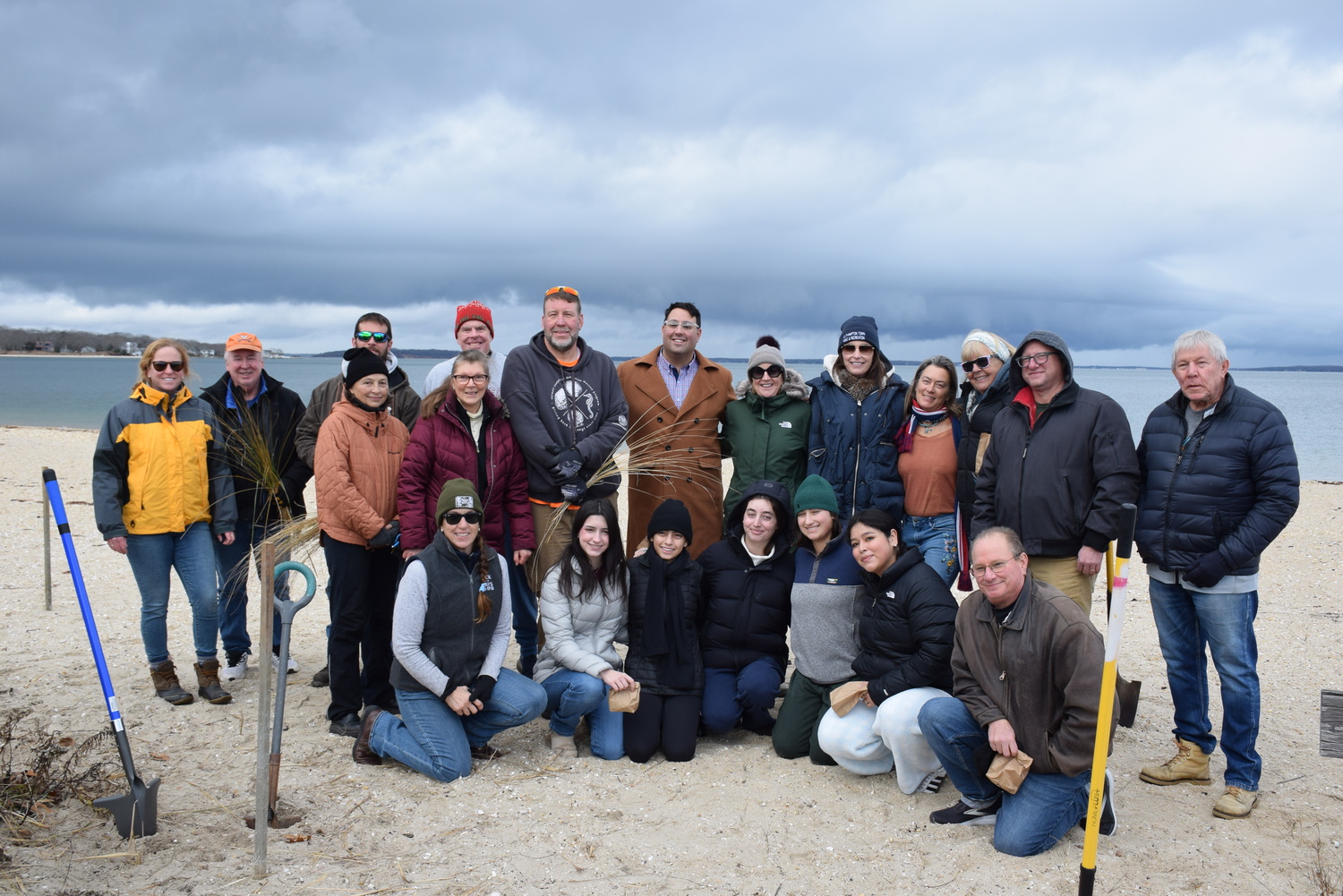
Students from Pierson High School’s Environmental Club partnered with local conservation groups to restore Long Beach by planting beach grass and dispersing native seed bombs to strengthen the dune ecosystem. COURTESY SAG HARBOR SCHOOL DISTRICT
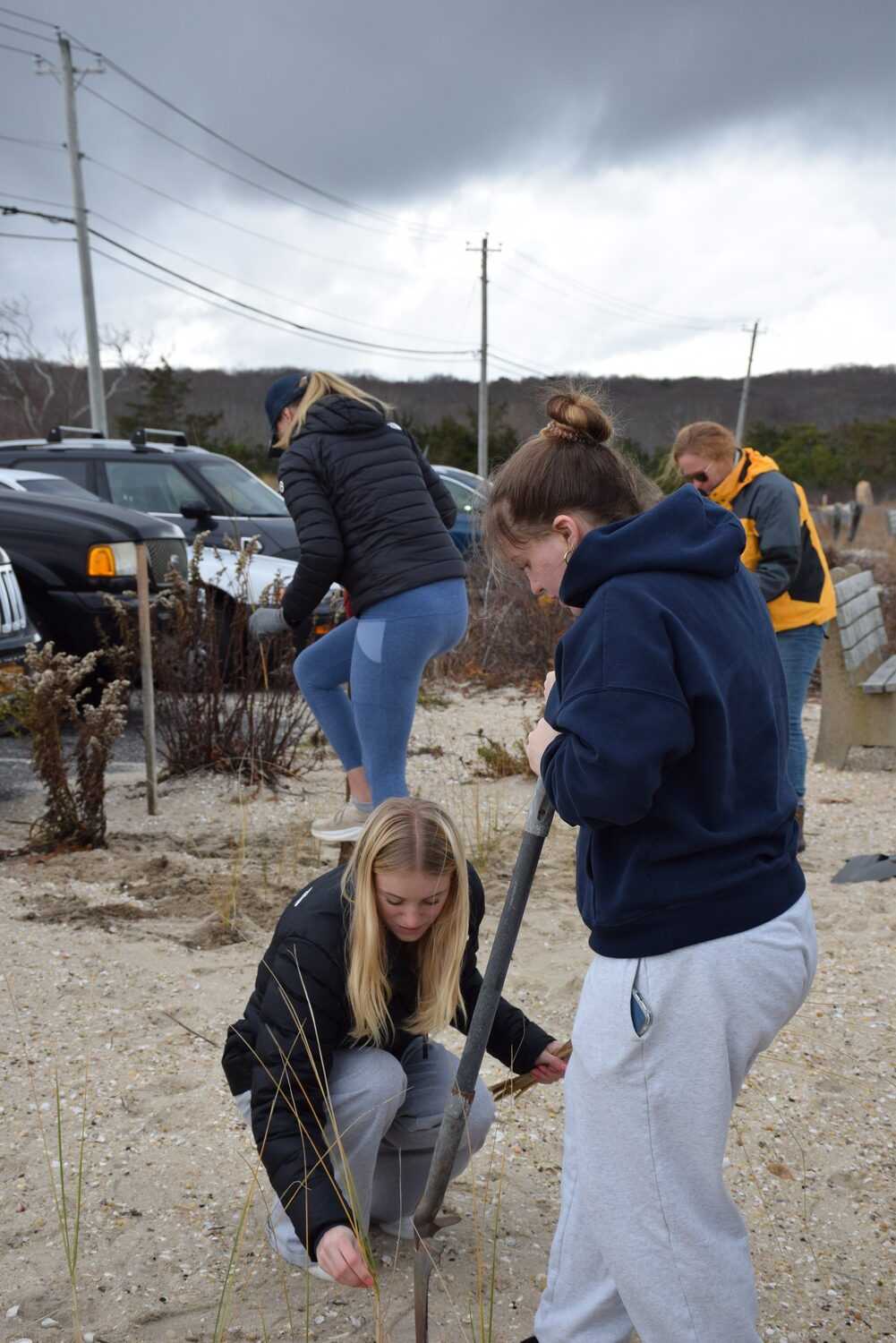
Students from Pierson High School’s Environmental Club partnered with local conservation groups to restore Long Beach by planting beach grass and dispersing native seed bombs to strengthen the dune ecosystem. COURTESY SAG HARBOR SCHOOL DISTRICT
Pierson High School Environmental Club Restores Native Habitat at Long Beach
Students from Sag Harbor’s Pierson High School recently dedicated their time to restoring critical coastal habitat at Long Beach, partnering with local organizations in a hands-on conservation effort.
The initiative involved the high school’s Environmental Club, guided by their teachers, Robert Schumacher and Richard Schumacher. Working in partnership with the Cornell Cooperative Extension and the Noyac Civic Council, the student volunteers first dispersed premade “seed bombs” across the sand dunes to encourage natural regeneration.
These small, compact spheres, composed of clay flour, native plant seeds, and compost, are designed to be sown during early winter. Because they are tightly compacted and contain no fertilizer, the seeds remain protected from wildlife and are provided with the ideal conditions to germinate into healthy native species in the spring.
Following the seeding, the students shifted their efforts to planting beach grass, a hardy species best installed after the season’s first frosts. Using shovels, the volunteers made holes to secure the grass in place and prevent it from washing out. The grasses were planted approximately one foot apart in an alternating pattern.
This specific arrangement is critical because the growing plants create a natural barrier capable of capturing windblown sand. Over time, this sand accumulation helps form protective dune mounds, which are an essential natural defense that keeps sand from drifting onto nearby paved areas. Once sand lands on asphalt, it is considered contaminated and cannot be returned to the beach, making the preservation and formation of dunes even more important.
The collaborative restoration project reflects an ongoing commitment to environmental stewardship and offers the young volunteers meaningful opportunities to engage with conservation practices firsthand.


 Staff Writer on Dec 15, 2025