


 6 Photos
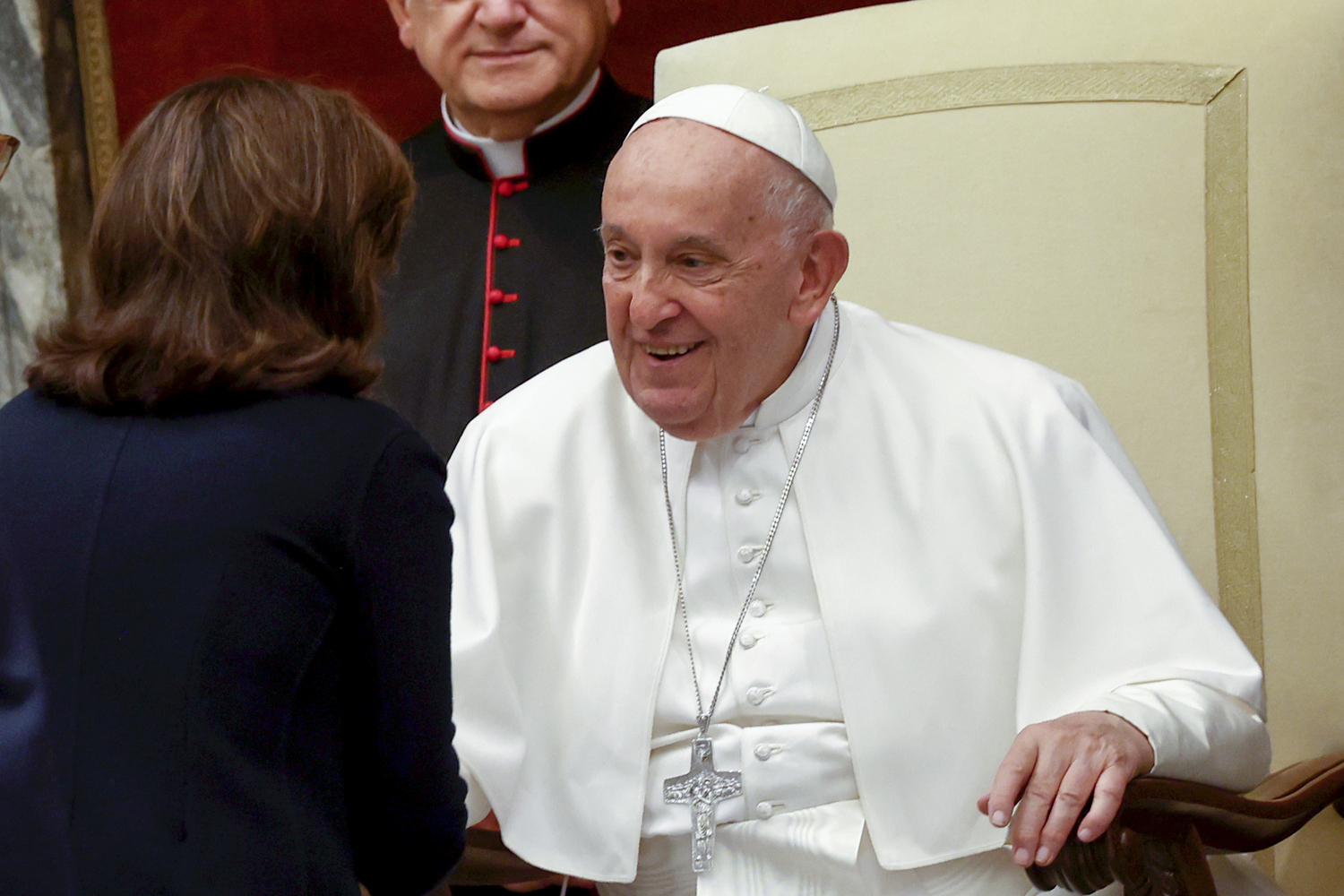
Governor Kathy Hochul joins an audience with Pope Francis at Clementine Hall, Apostolic Palace in Vatican City. RICCARDO DE LUCA/AP IMAGES
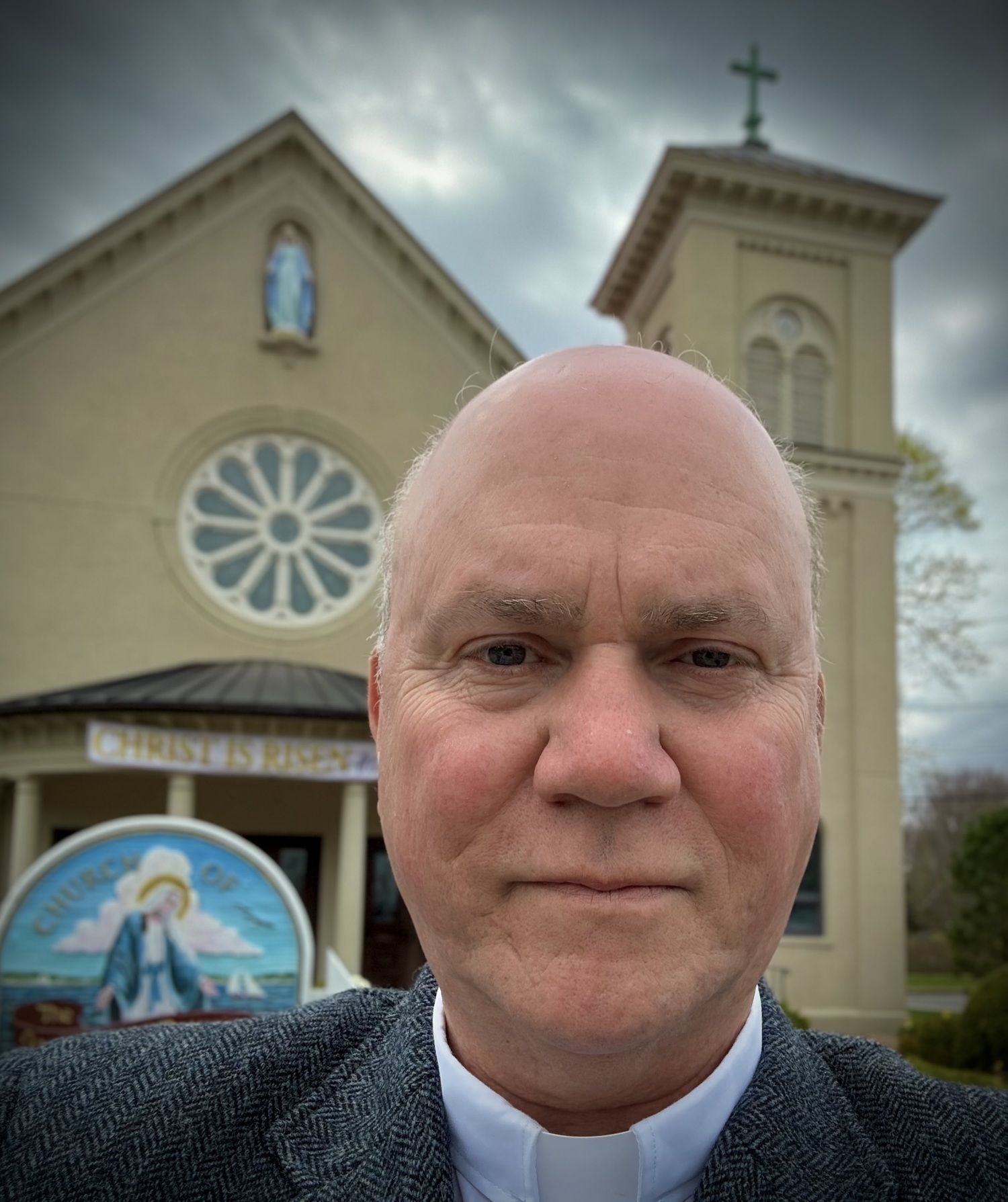
Father Ken Grooms, pastor of the Immaculate Conception Church in Westhampton Beach.
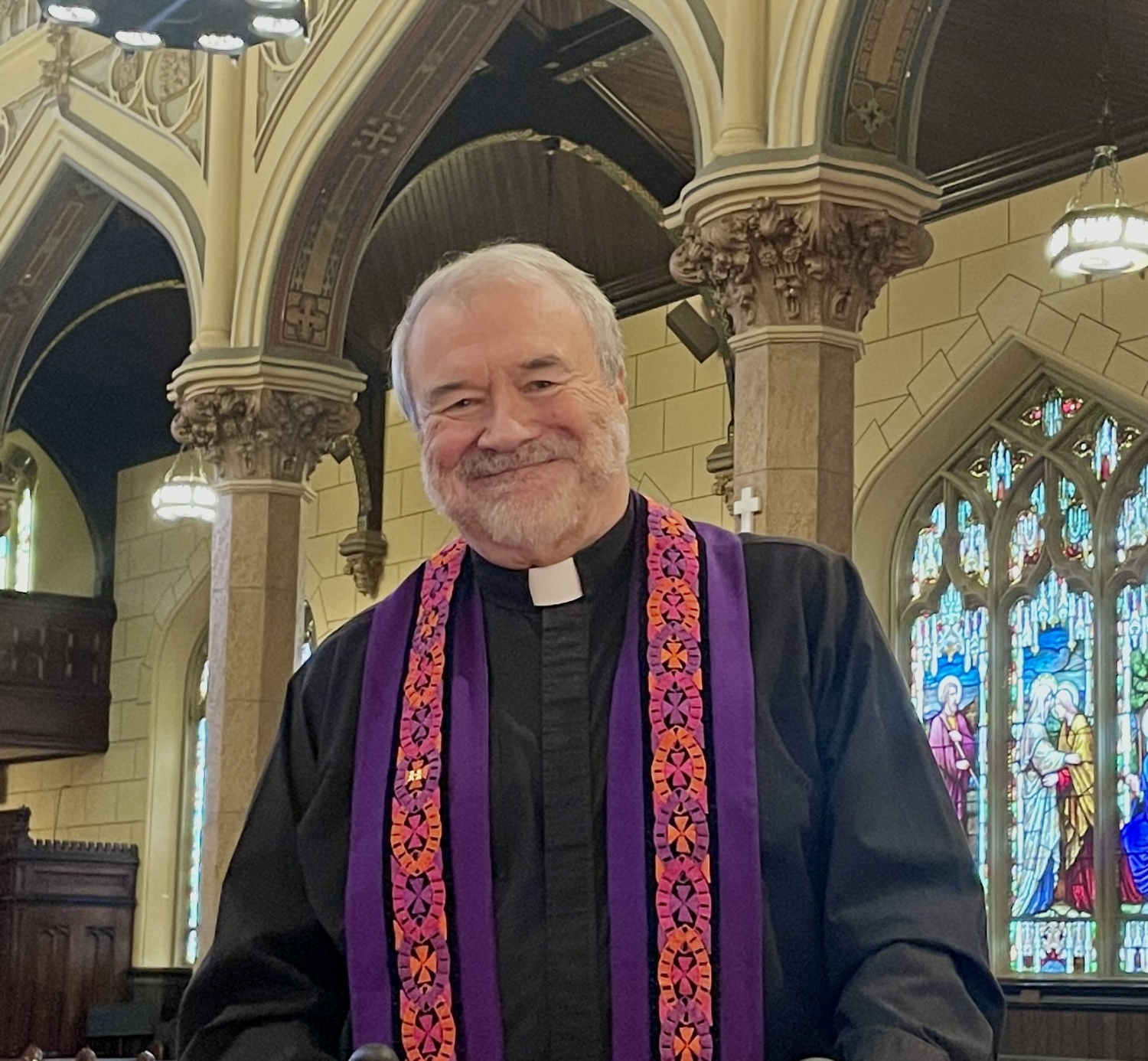
Father Mike Vetrano, pastor of the Basilica Parish of the Sacred Hearts of Jesus and Mary in Southampton.
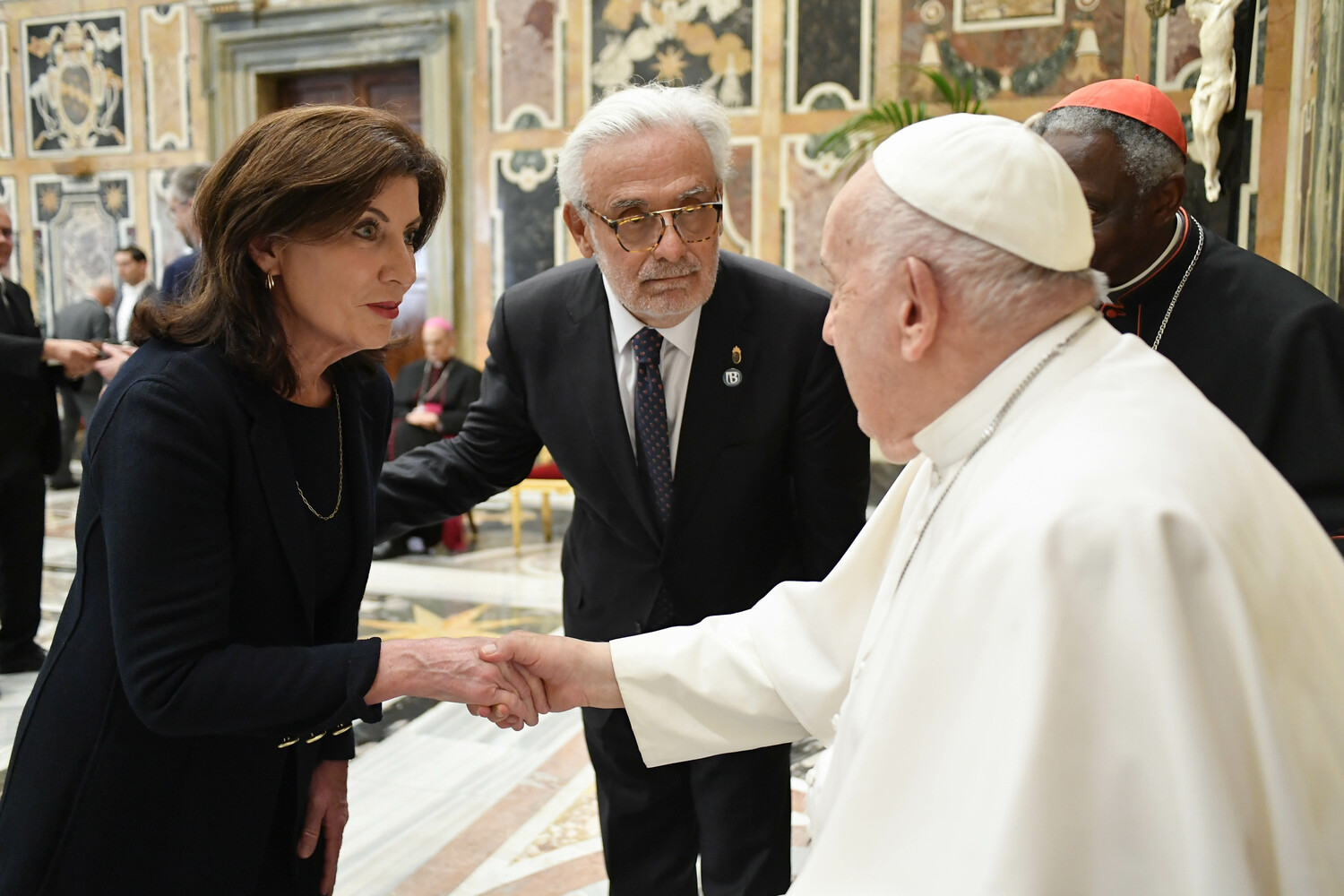
Governor Kathy Hochul joins an audience with His Holiness Pope Francis in Vatican City. VATICAN MEDIA
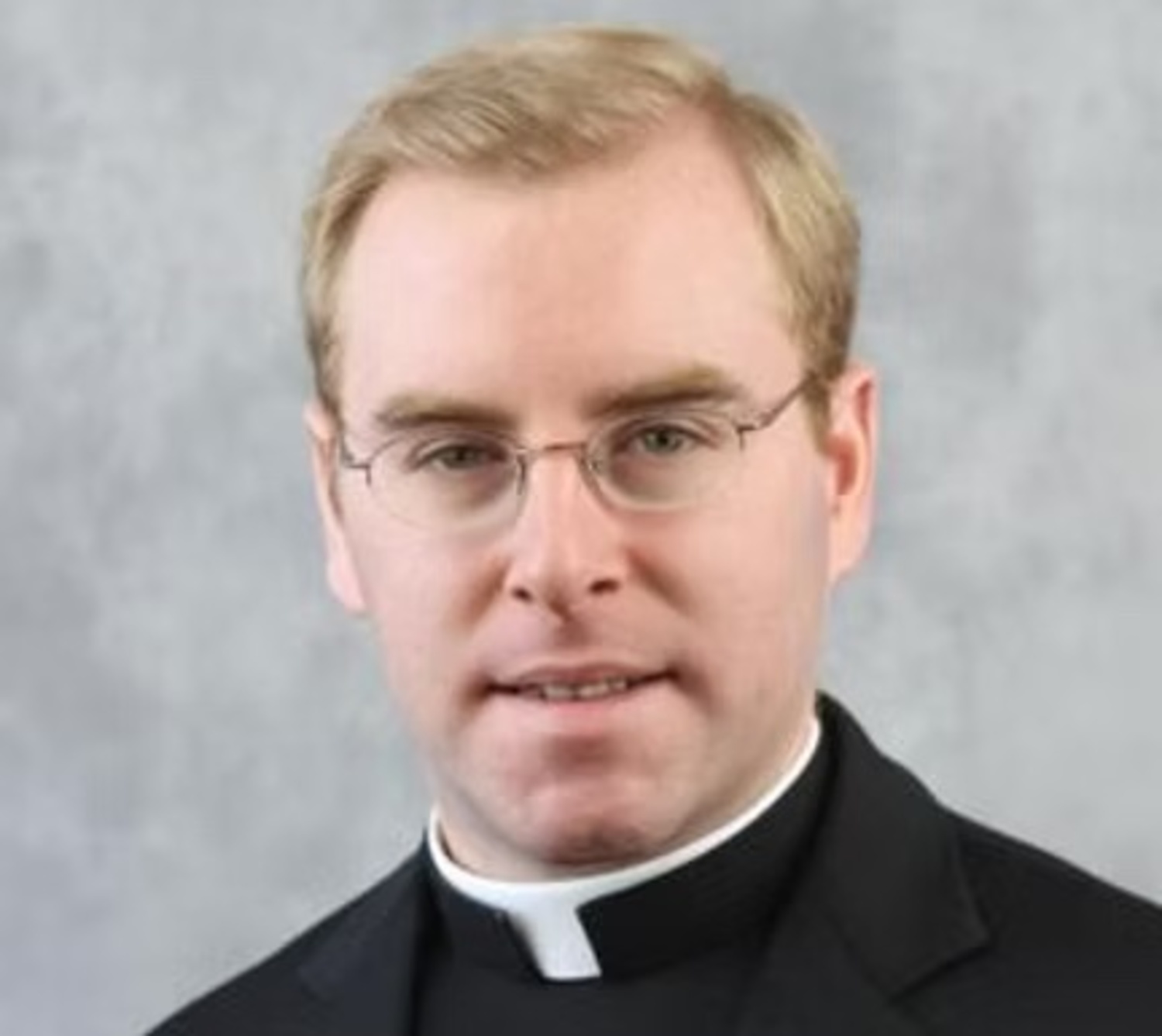
Rev. Ryan Creamer, pastor of Most Holy Trinity Parish in East Hampton.
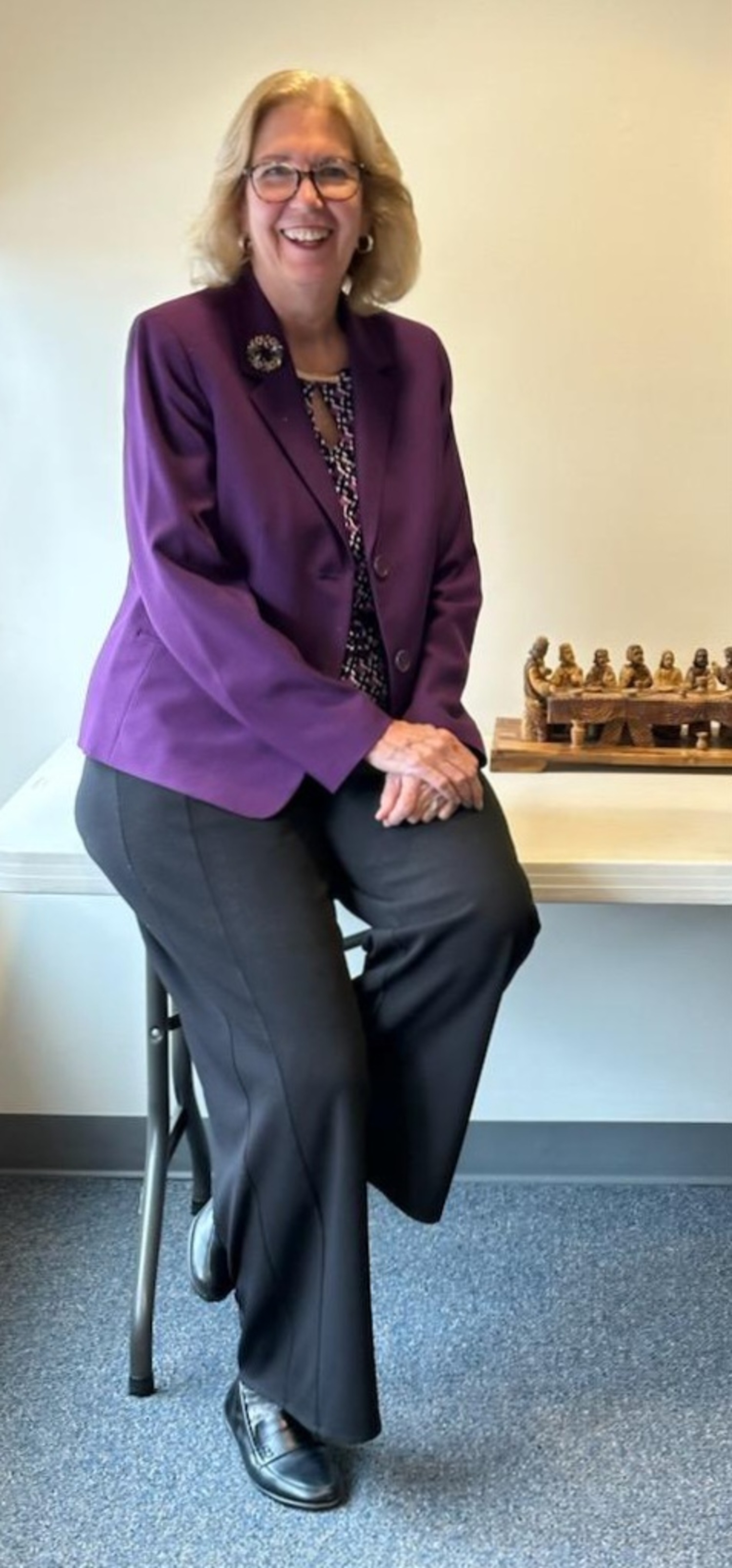
Joan McGovern, director of Cormaria Retreat Center in Sag Harbor.
Catholic clergy and parishioners around the world are in a state of mourning and grief following the death of Pope Francis on Monday — the day after Easter Sunday — while simultaneously marveling at the timing of it all.
Among them is Father Mike Vetrano, pastor of the Basilica Parish of the Sacred Hearts of Jesus and Mary in Southampton, who said he had been praying for the 88-year-old pontiff since he was hospitalized over a month ago.
“I don’t know that any of us ever get to pick that day, but it certainly seemed to make sense,” he said. “He couldn’t have choreographed that any better — the day after all the celebration to go out and get to work. That would have certainly been his spirit.”
A progressive reformer from Argentina, Francis was a “pope of firsts,” according to Father Ken Grooms, pastor of the Immaculate Conception Roman Catholic Church in Westhampton Beach. He was the first Jesuit pope and the only to take his papal name from St. Francis of Assisi, who dedicated his life to piety and the poor. And he was the first leader of the Catholic Church to hail from the American continent.
“He was a very humble man, very simple man, a very poor man — like poverty of spirit,” Grooms said. “And so even though he was like a prince of the church, so to speak, he lived like a regular person.”
Francis was a champion of the environment who spoke freely about the climate crisis and protecting the health of the planet, which New York State Governor Kathy Hochul and her husband, Bill, heard first hand when, last year, they were invited to the Vatican and listened to the pope’s remarks during a Pontifical Summit.
“His Holiness delivered a remarkable address calling on the world to save our planet and take care of the most vulnerable in our society,” she said in a statement. “He then spoke individually to each of the leaders assembled, and blessed Bill and I on the occasion of our 40th wedding anniversary. It is a moment I will never forget.”
Francis also pushed for compassion toward migrants and was a fierce advocate for the poor. He campaigned for more inclusivity in the church and addressed its sexual abuse crisis.
“He died a true Jesuit,” explained Father Ryan Creamer, pastor of Most Holy Trinity Parrish in East Hampton. “They’re not just university professors, as we may tend to know them. It’s a missionary order. And so from the first to the last, that’s what we saw.
“There was this teaching of the faith at its base, but he was not uncomfortable at making people think and talk and question and ask and then work things out,” he continued. “And then at the same time, in his own person, he was generous to the point of self-sacrifice, which is very Christian.”
Francis was known to often clash with traditionalists, but he wasn’t immune from liberal criticism, either, when they had hoped for even more progressive stances.
“As we hear a number of the various different commentaries today, there was his one line of ‘Who am I to judge?’” recalled Joan McGovern, director of Cormaria Retreat Center in Sag Harbor. “And really, if that message could just cascade down and out throughout society, that would just make the world such an easier place to live and to exist.”
On Easter Sunday, for the first time in months, Francis appeared — in a wheelchair — at St. Peter’s Basilica and delivered his traditional blessing from the balcony, greeting tens of thousands of parishioners gathered in the square below.
And to their surprise, he rode around in the popemobile one last time — but not before Archbishop Ravelli delivered the “Urbi et Orbi” on his behalf, which listed a series of concerns of the Vatican, including the many conflicts erupting around the world. In it, he reiterated that this is a time for every nation to work toward peace and supporting the rights and dignities of every citizen, Vetrano said.
Watching him, the pastor couldn’t help but think about the first time the pope stood there, after he was elected 12 years ago.
“Right from the beginning, he had such a marvelous interaction with everyone. He was the first pope ever, when he appeared after his election, to just bow his head and ask everyone to pray for him,” he said. “From the beginning, it just showed what an amazingly humble man he was, that he wanted to be one of us. He wanted to have our blessing. He wanted us to pray for him. He was always praying for us. He really was the pastor to the world.”
Now, as the church prepares for the complex process of naming the next pope, it is an “interesting time for a Catholic to exist in a church that does not have a leader,” Creamer said.
“Personally, I’m looking for an African Pope,” he said. “They’re a strong part of the church and they teach us very, very well. It’d be a great change and a great continuation with the Latin American pope that we just had. They’re a people of very great faith and it would be a great joy — but that’s not a prediction.”
Francis was more than an academic, a theologian, a teacher and an administrator, Vetrano said. First and foremost, the pope was a pastor, he said, and he hopes that his successor will follow in the same tradition — as someone who looks out for the spiritual needs of his parishioners.
“I think more than anything else, people were touched by Francis’s deep respect for people, no matter how they lived their lives, or the values that they held,” he said. “You always treated people as people and wanted to let them know that they were welcome at the Lord’s table. I’m certainly hoping that that will continue. I think it will, because it’s in us.”


 Michelle Trauring on Apr 26, 2025