



 4 Photos
Fran Donovan

Leslie Lipton
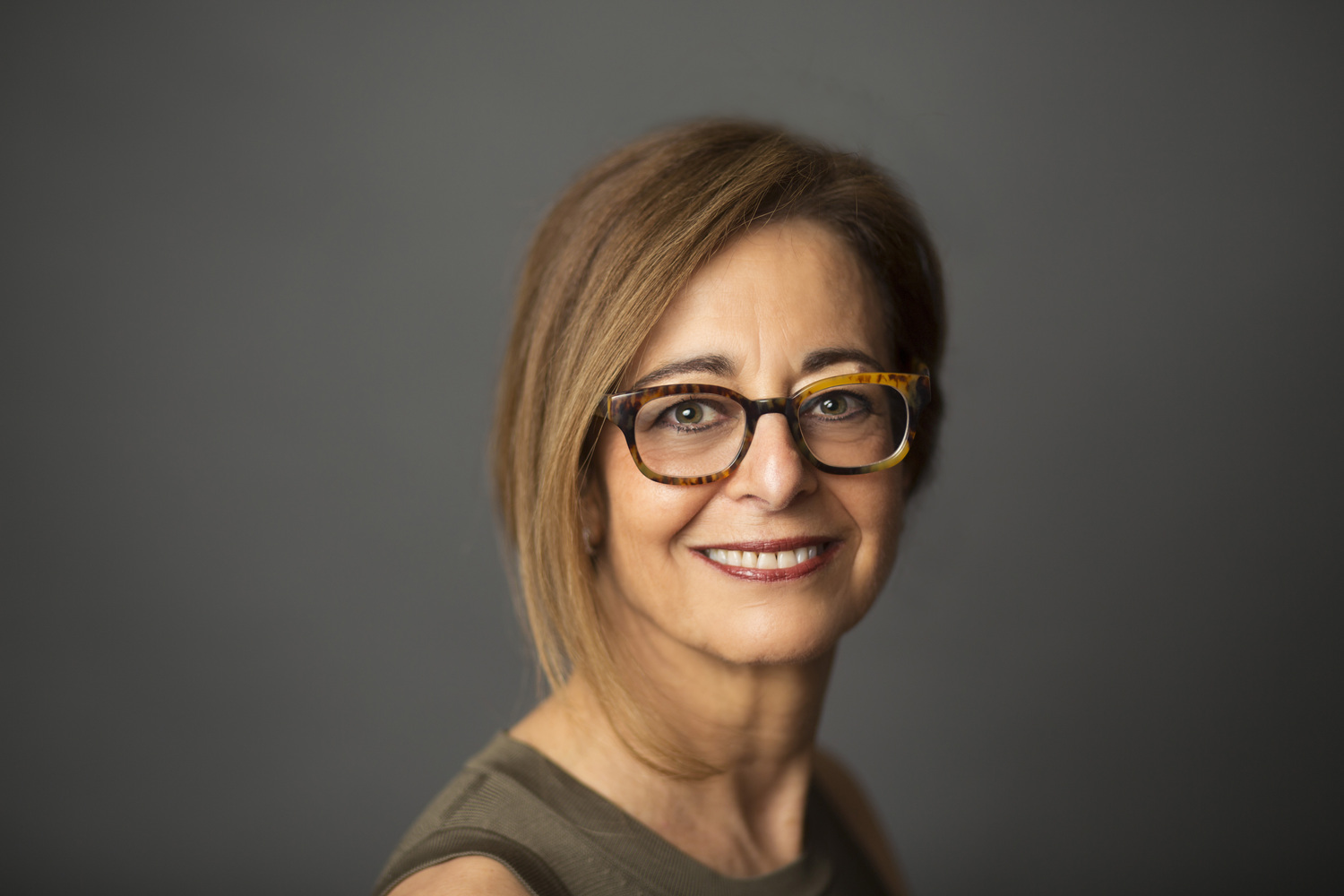
Ann Silver

Leslie Lipton
At the heart of any festive meal is the food — the smells and tastes that forge deep memories, craft traditions, and create a sense of familiarity and home.
As the holidays approach, friends and families across the East End are fine-tuning their menus and prepping their kitchens, readying for full days of cooking ahead. But for some, this can be a particularly difficult time — the often-exorbitant spread a lure for those with eating disorders, or disordered eating, as they try to shift their focus away from food altogether.
“They’re sitting there and they’re not really thinking about the fun times that they’re having with family,” explained social worker Leslie Lipton, who practices in Southampton. “They’re thinking about what they are or are not putting in their body.”
In the United States, it is estimated that 28.8 million Americans will suffer from an eating disorder — a serious, but treatable, mental and physical illness — at some point in their lives, according to the National Eating Disorders Association. It is unclear what causes eating disorders, but a growing consensus among experts points to a combination of biological, psychological and sociocultural factors.
Disordered eating, on the other hand, sits on a spectrum between normal eating and an eating disorder, which includes conditions like anorexia nervosa, bulimia nervosa, and binge eating disorder.
“For someone with an eating disorder, they have to face the center of their issue every single day, multiple times a day,” Lipton said. “So that’s why this was such a particularly challenging thing. It’s not a once-in-a-while trigger — it’s every day. And the vast majority of the population doesn’t understand that.”
While there haven’t been many specific studies looking at the relationship between disordered eating and the holiday season, there are several factors that can make this time of year difficult for someone with a history of disordered eating, or potentially at risk, explained Genna Popovich Hymowitz, director of bariatric and weight loss psychology at Stony Brook University. These include focus on and access to less healthy foods, schedule interruptions, increased stress levels, financial burdens associated with holidays, and more.
“One way to help someone with an eating disorder during the holidays is to listen to them and validate any concerns they have about the holiday season,” she said. “Additionally, it is important to refrain from commenting on body shape or weight, what someone is eating, or how much they are eating.”
There are two healthy reasons for eating: to satisfy hunger and to absorb nutrients, explained East Hampton-based nutritionist Ann Silver. For those with disordered eating and eating disorders — whether that means undereating or overeating — they’re out of touch with their hunger, she said, and they can be extra sensitive to lapses in social etiquette.
“Everybody experiences different things around food, and sometimes we project our own feelings on them, like the food pusher — ‘You gotta eat more, I cooked all this food,’” she said. “Or, ‘Don’t eat so much,’ because they’re not eating so much. Change the topic. Talk about something else. Talk about memories, talk about anything but what’s actually going on with the food.”
For those trying to support their loved one who has an eating disorder, it can feel like “walking through a minefield,” Lipton said, and she encourages asking questions like, “How can I help make this more enjoyable for you?” Try to take the focus away from food, she said, and have normal, everyday conversations. Ask about their favorite hobbies, if they’ve seen any good movies, or how work or school is going.
“There are 5 million things that you can talk about,” she said. “It doesn’t have to be food, weight, body.”
With eating disorders, or disordered eating, warning signs for those struggling can be wide ranging, Hymowitz said. They can include preoccupation with body shape and weight, such as looking in the mirror or frequently pinching skin for signs of weight gain. Symptoms can also be vomiting, laxative use, excessive exercise to compensate for eating, or significantly limiting certain foods or overall calories, even when the person is underweight.
“Individuals with some types of eating disorders experience episodes where they eat large amounts of food and feel that they can’t stop or control how much they eat,” she said. “Additional signs of eating disorders may include avoiding eating with others, such as during family meals or other social situations involving food, leaving during meals or right after a meal to use the toilet, cutting out entire food groups — for example, refusing to eat all carbohydrates — or fixating on categorizing foods as ‘safe’ or ‘unsafe’ to eat.”
With these conditions comes a level of shame, which then leads to secrecy, explained East Hampton-based psychotherapist Fran Donovan, so many of these symptoms may be subtle. She encourages anyone who notices them in their loved one to make note of it and file it away to bring up another time.
“I want to be clear: It’s what they do with it, that that day they do not say anything to their loved one about it,” she said. “That’s No. 1, because it will cause so much regression on so many levels.”
Generally speaking, Thanksgiving dinner is rarely the most appropriate time to have the conversation, Lipton agreed. Instead, if a loved one appears to be feeling overwhelmed, suggest a walk around the block, or a bit of fresh air to decompress — and make any future conversation as private as possible to allow for the best chance at connection.
For help and additional resources, visit nationaleatingdisorders.org.
“There’s so much more out there beyond the eating disorder,” Lipton said. “Once you can surrender and try to take those steps toward getting healthier, your life opens up so much more.”


 Michelle Trauring on Nov 20, 2023