


 4 Photos
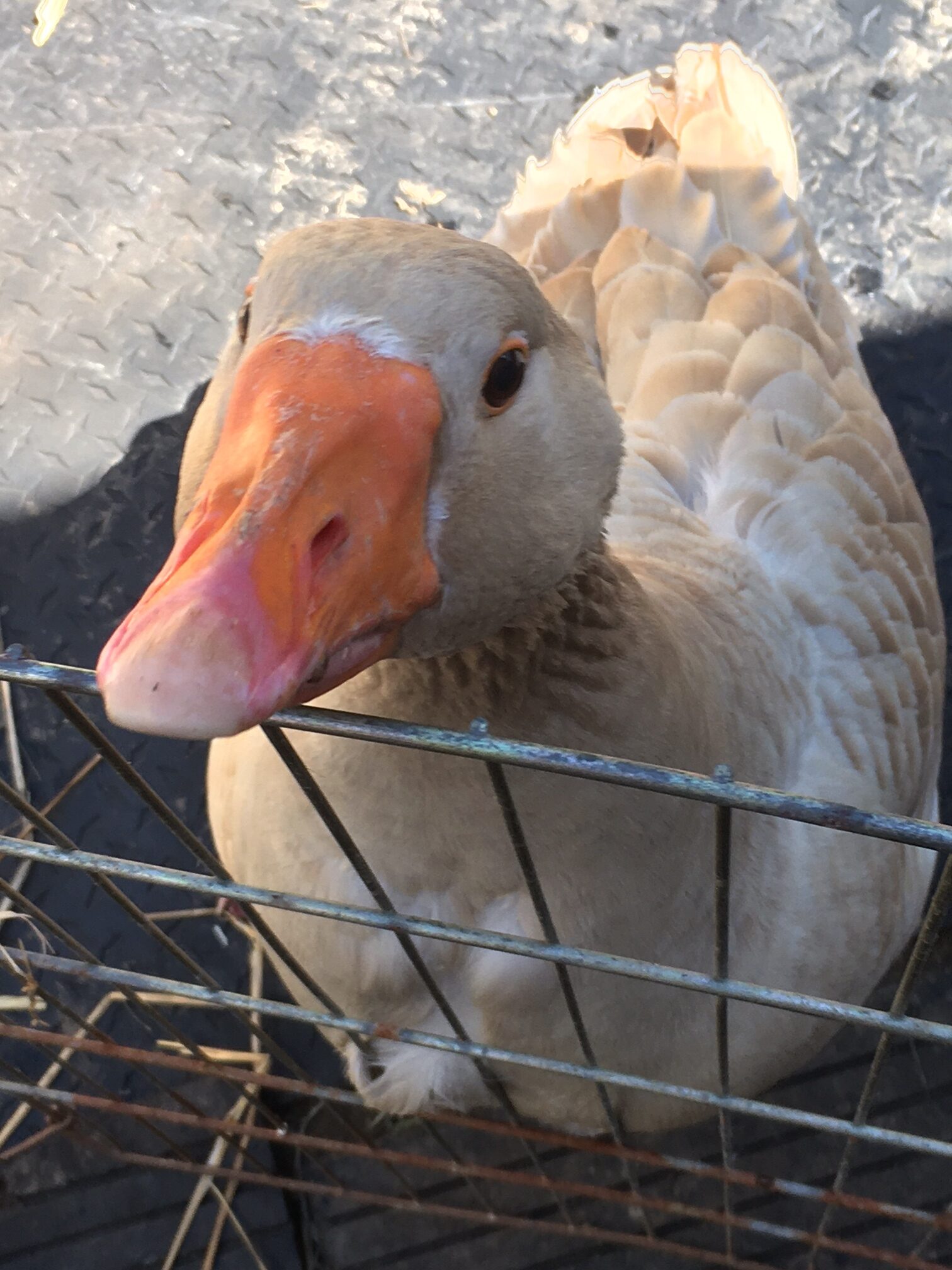
Gwen was rescued by Long Island Orchestrating for Nature. KITTY MERRILL
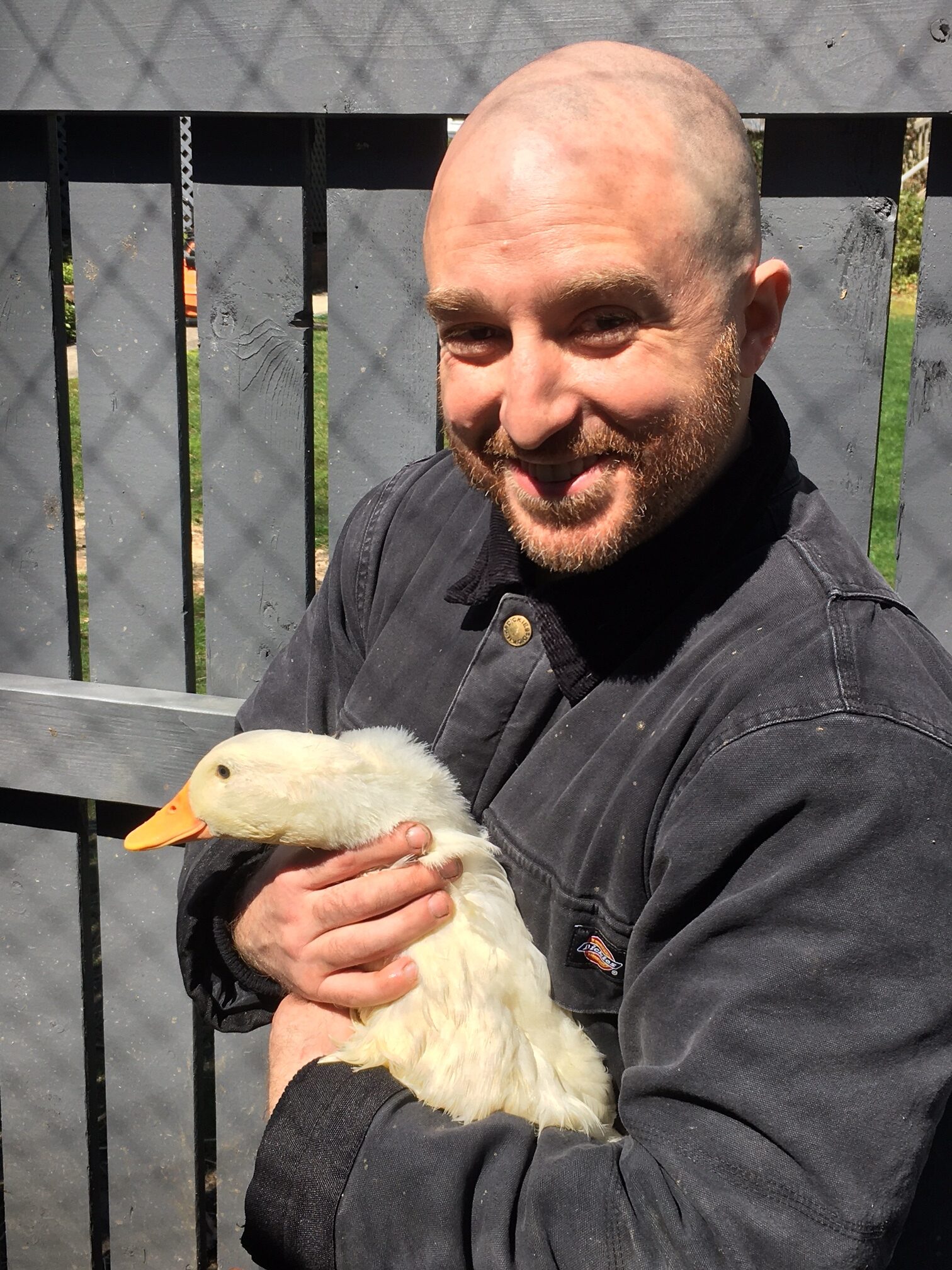
LION president John Di Leonardo with a rescued duck. KITTY MERRILL
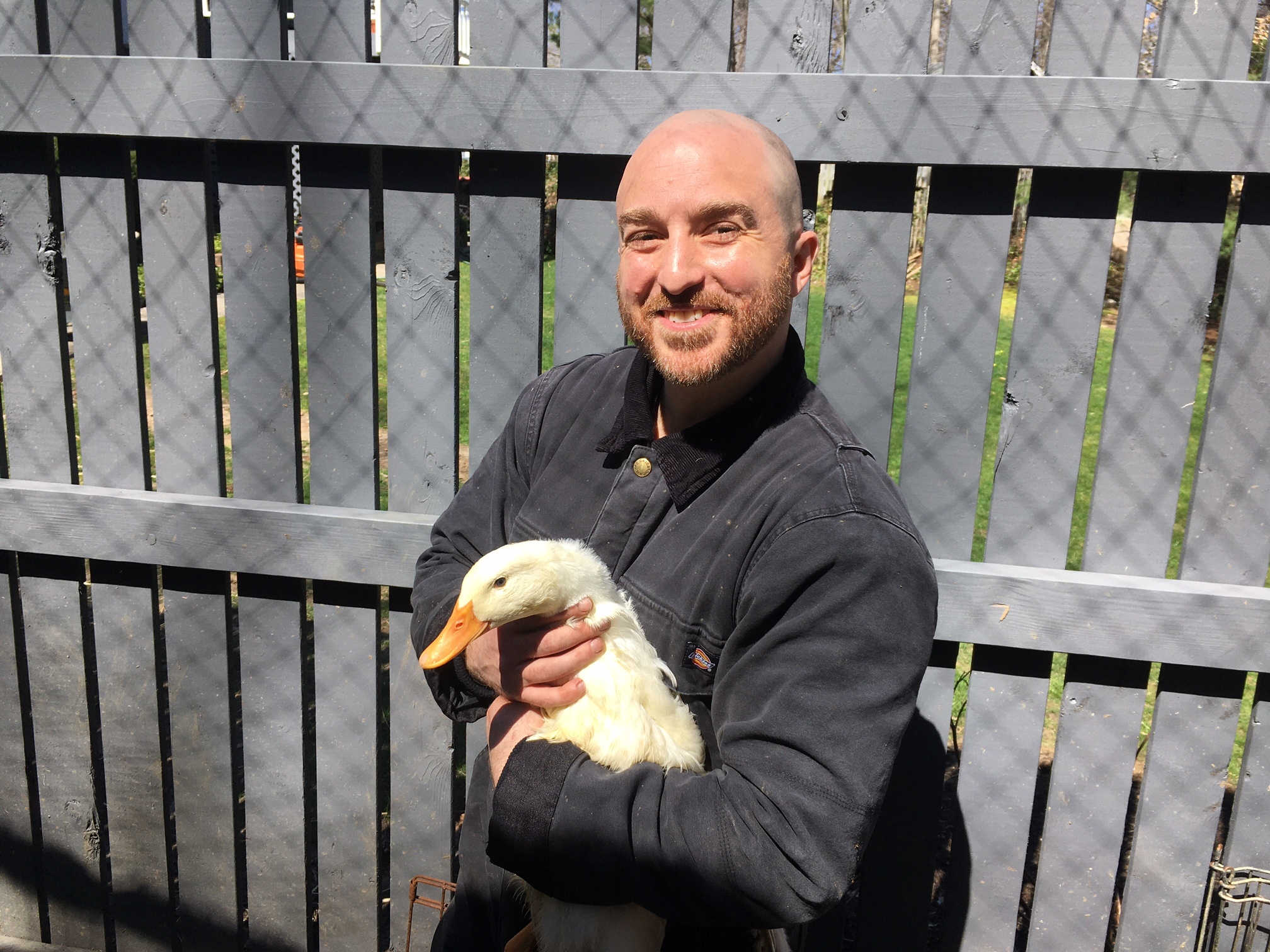
LION president John Di Leonardo with a rescued duck. KITTY MERRILL
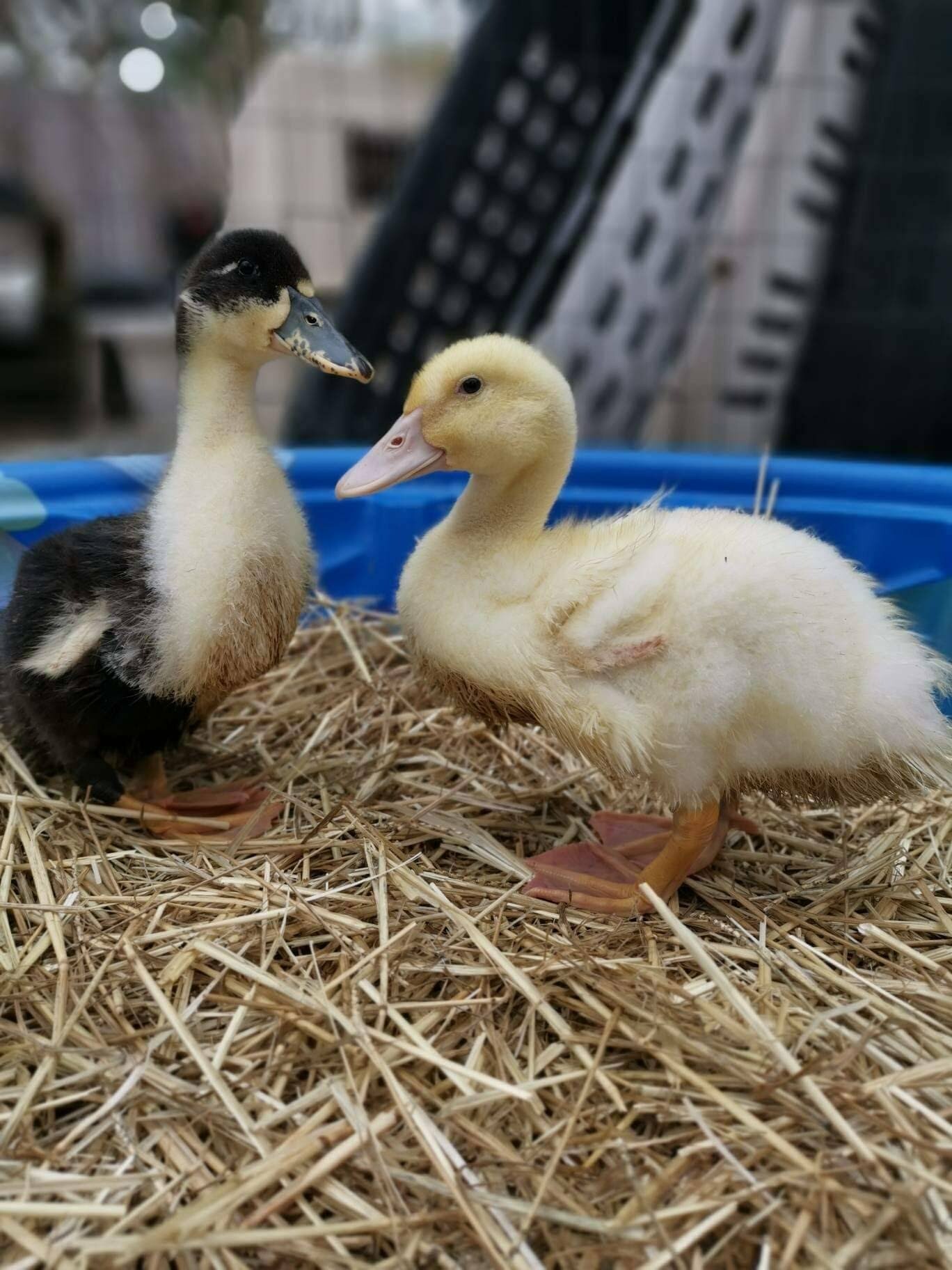
Advocates are asking people to refrain from using live chicks as Easter basket gifts this holiday. COURTESY LION
Animals are not Easter props, they’re not school science experiments, and they’re not trash to be discarded when you don’t want them anymore.
That’s the message animal advocates and rescuers are spreading this spring in the hope of stemming the annual tide for animal abandonment, and a period of time each spring dubbed “duck dumping season.”
Anthrozoologist John Di Leonardo runs Long Island Orchestrating for Nature (LION) with his wife, Juliana Cinone. Together, they rescue hundreds of abandoned geese, ducks and chickens every year. Originally situated in Di Leonardo’s hometown of Malverne, last year they moved to a site in Riverhead, with their operation tucked into a section of his in-laws’ yard.
Though their new home is on the East End, the couple has been active locally for years. “We started out protesting the circus,” Di Leonardo recalled. Annual demonstrations brought a halt to the use of wild animal acts in the circus that would come to Southampton.
The couple soon found people were abandoning domestic ducks, chicks and geese “left and right,” and began rescuing them — from live markets in Queens, backyard slaughter operations in Brooklyn, and the Town of Hempstead, where Di Leonardo’s rescued hundreds of domestic ducks left at the township’s ponds and lakes.
So, too, have abandoned fowl brought LION to the East Hampton Nature Trail where, he related, “We used to get dozens and dozens of birds.” More recently, he said, village officials have enforced a ban on abandonment and last year, said the rescuer, “We had just one call.”
“We let it be known we were enforcing the illegal abandoning of waterfowl down there,” Village Police Chief Mike Tracey said this week. Getting the word out worked, and the chief said they haven’t received any complaints in the last couple of years.
Domestic ducklings are a completely different animal compared to their wild cousins. Abandoning a domestic duck is cruel and illegal, and no different than abandoning a dog or a cat, Di Leonardo said. They have tiny wings, large bodies, and typically no camouflage. They don’t know how to forage adequately and cannot fly or migrate, he explained. “They are as different from wild ducks as a housecat is from a tiger and are literally sitting ducks for predators and cruel people when abandoned to the wild,” he said. People don’t realize the ducklings they bring to a local pond or lake simply won’t survive in the wild.
Neither will those bunnies people think would look cute in an Easter basket. Last year, the Southampton Animal Shelter Foundation in Hampton Bays confronted an abandoned bunny boon, with calls to rescue dozens of rejected rabbits.
“We hold off adopting any of our rabbits around Easter time, because we’ve seen the pattern,” Executive Director Patricia Deshong said. “No matter how much vetting we do, people don’t realize how much work it is. They think it’s like a holiday thing, then we see a surge of them being returned, people bringing them into the shelter, or letting them go outdoors.
“These are not wild rabbits, these are domesticated bunnies,” Deshong continued. “It’s really dangerous for them to try and fend for themselves. We ask people to really rethink getting any kind of Easter-oriented pets like rabbits, please.”
The shelter has worked with LION when called upon to shelter abandoned domestic birds. Deshong recalled receiving calls about a pair of roosters wandering around the railroad tracks in Hampton Bays. The shelter sent out staff to capture them, with no luck. Di Leonardo went and captured the errant avians within minutes. They stayed at the shelter for about two months, then Di Leonardo was able to relocate them to an upstate sanctuary, Deshong said.
The birds Di Leonardo rescues are adopted out through a fairly stringent process. That’s because people don’t realize how long a goose or duck can live, and the amount of care and protection they need.
“It’s a commitment,“ he explained.
Potential parents need to demonstrate a willingness to have the creatures taken care of by an avian veterinary specialist and to create a space for them that’s predator resistant. They have to sign a contract promising they won’t sell, breed, or eat the birds they adopt. LION also does a lot of large placements to sanctuaries upstate.
Potential pet owners have to adopt a flock or bonded pairs. In fact, the law requires retailers to sell no fewer than six chicks or ducklings, which cuts down on some impulse purchases.
At the Riverhead location, LION’s enclosure is secured with overhead screening to prevent visits from aerial predators and hardware cloth around the fencing to prevent terrestrial intruders.
A drape made of metal chain that calls to mind a bohemian beaded curtain hangs across the entrance inside the gate. Most of the birds are scared of its swaying motion and won’t try to escape when their protectors are cleaning out the enclosure.
During a recent visit, Di Leonardo was preparing to administer eye drops to one of a pair of ducklings. Most of the animals LION rescues come in with some kind of infection or injury. At live markets or factory farms, the creatures are mutilated, their toes cut off or beaks shaved to prevent fighting or cannibalism in close quarters.
Juno, a big white goose rescued from a backyard slaughter operation, suffers a deformed wing due to a lifelong diet of bread and bagels, which can actually kill the birds. Juno has bonded with Gwen, a vivacious Touloose goose, that was found abandoned behind a dumpster in Stony Brook.
Di Leonardo has bartered for bids at live markets in the city. “During the holidays, I go around with care packages. I give them some vegan hot chocolate and marshmallows, and they’ll give me a duck, sometimes two,” he said. The advocate doesn’t usually name them, though.
“I don’t like to name them, because I get too attached,” he said, “and we rescue hundreds of birds every year. I can’t afford to get attached. We don’t want to keep them, we want to rescue them, rehab them and get them to their forever homes.”


