


 9 Photos
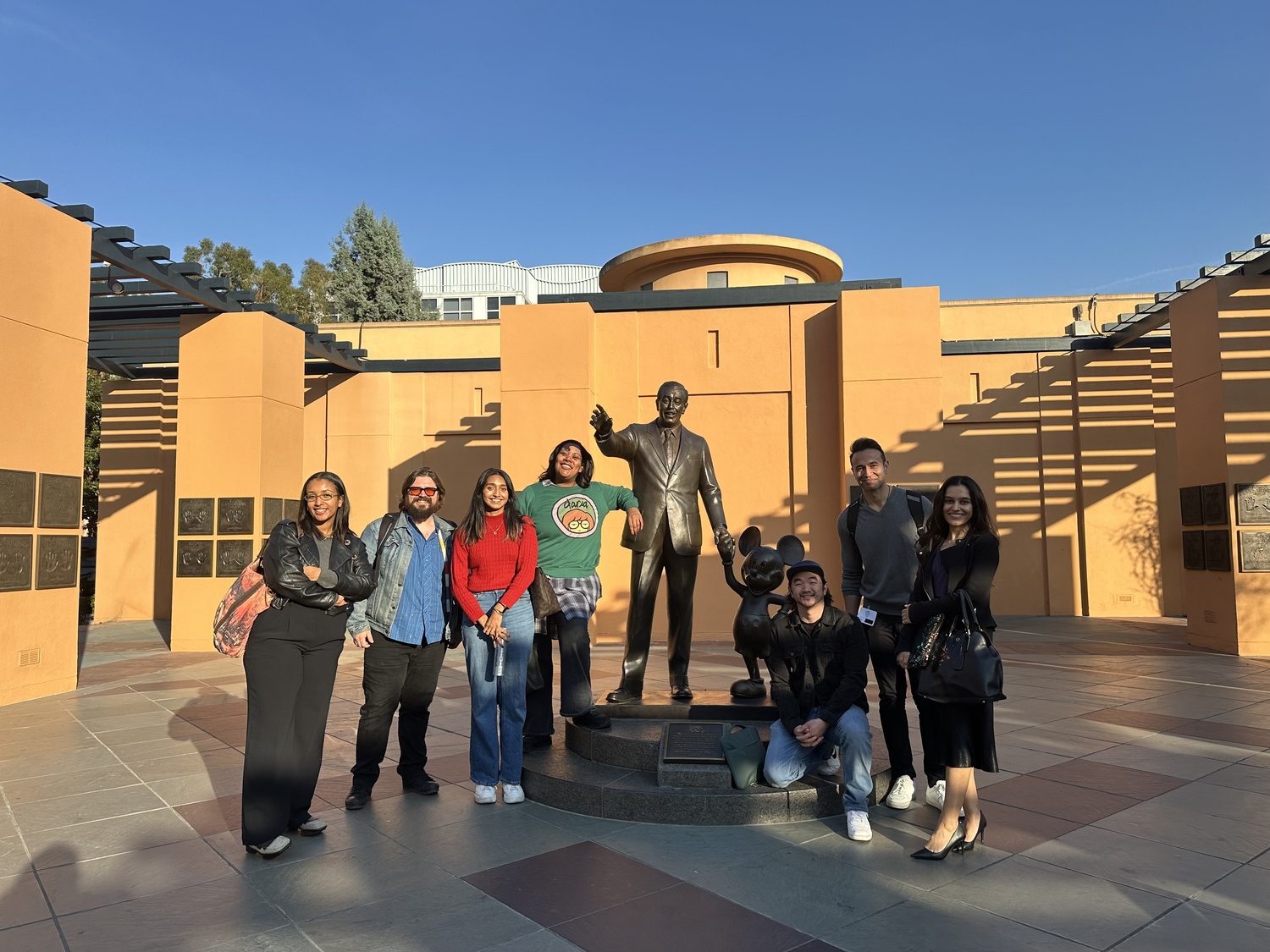
The 2025-26 cohort of the Disney Entertainment Television Writing Program. COURTESY ANDRINA SMITH
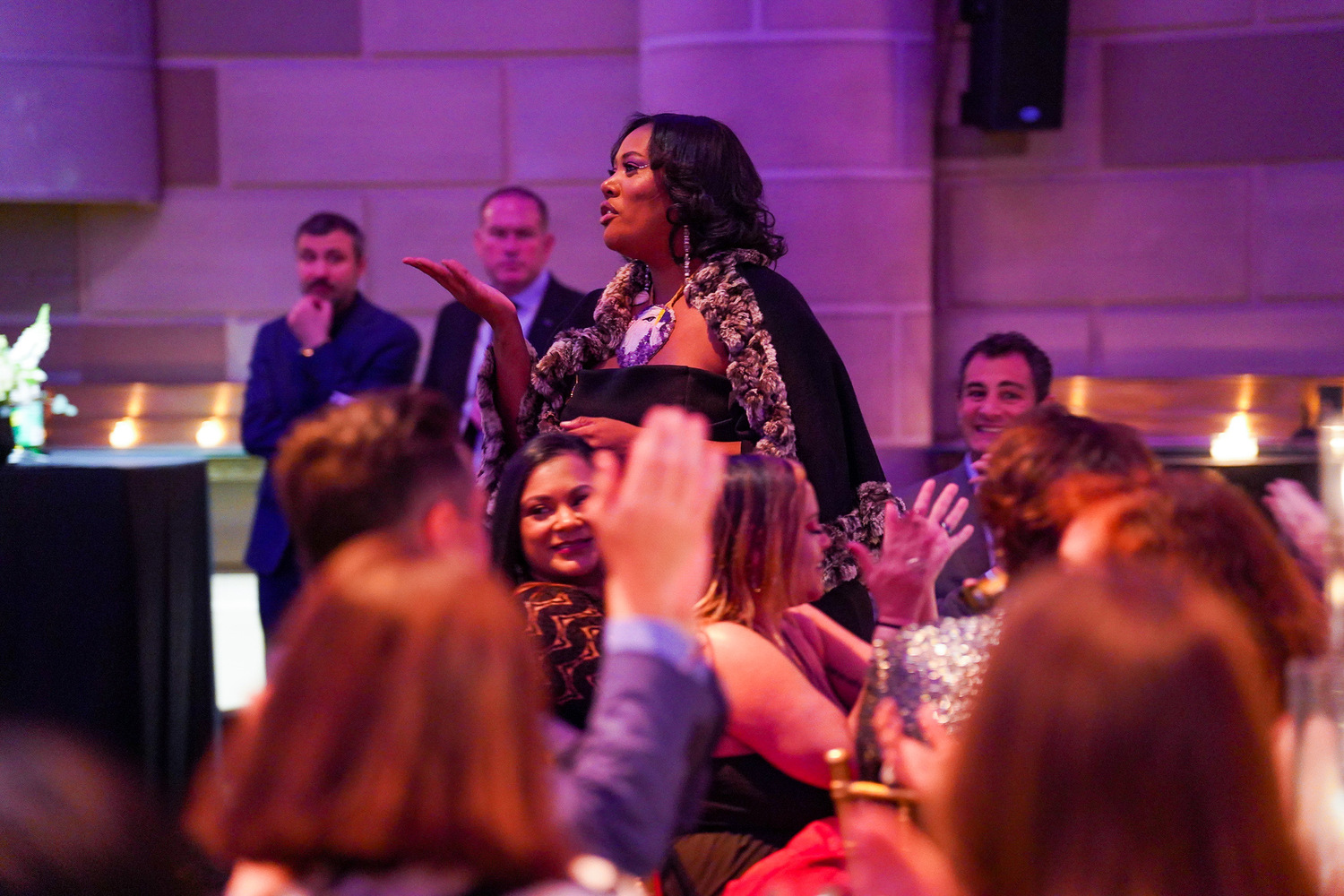
Andrina Smith
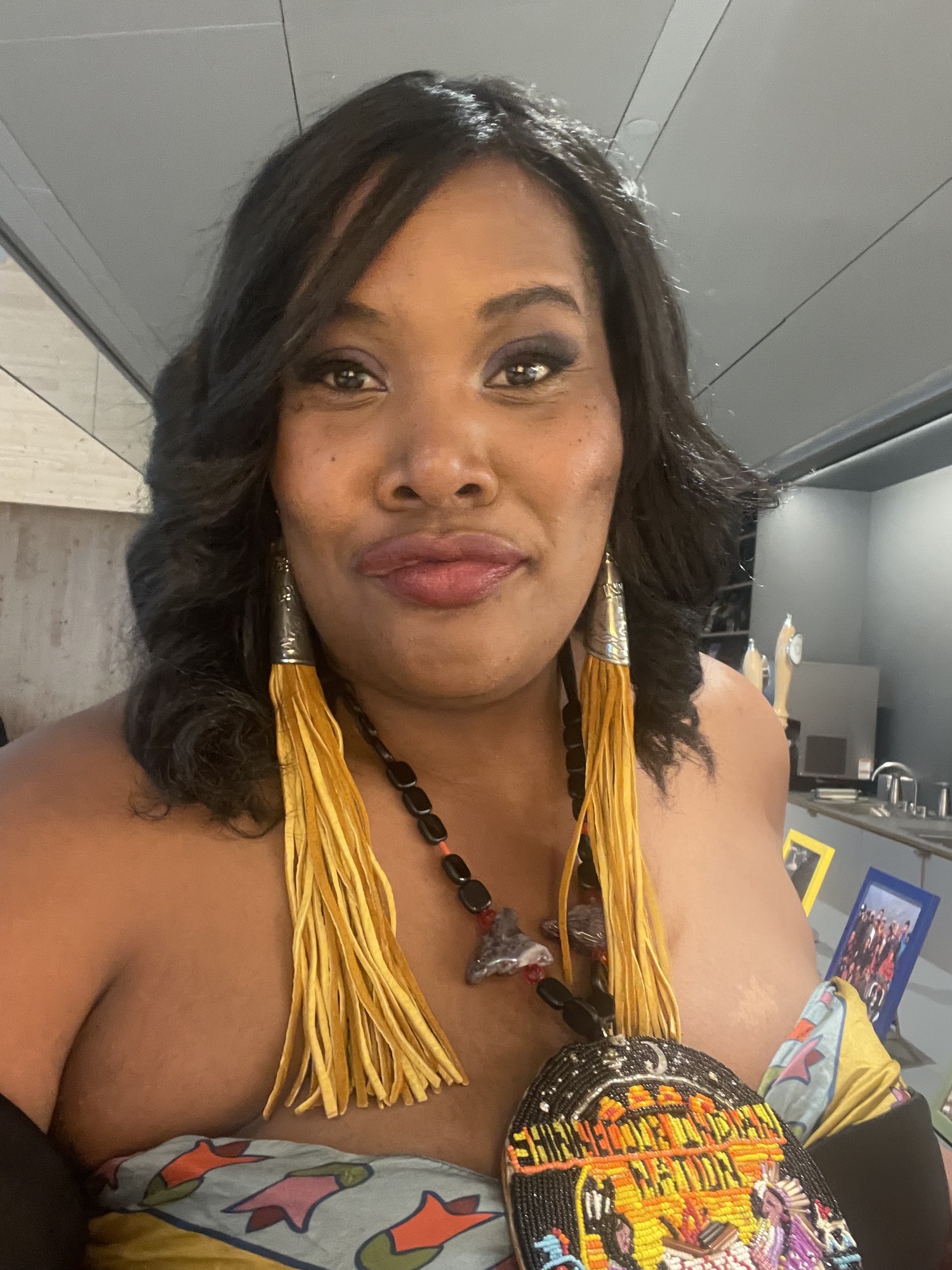
Andrina Smith
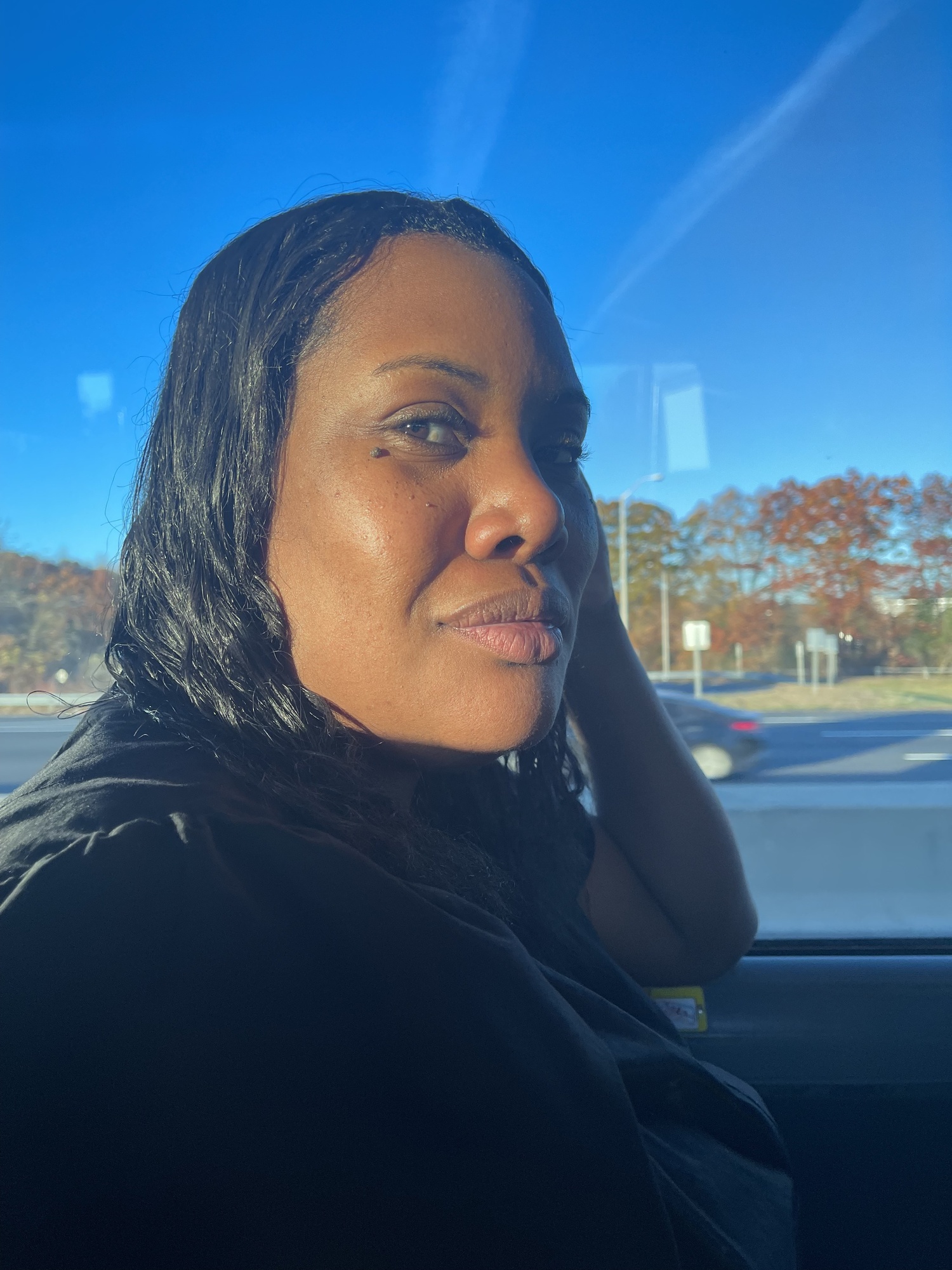
Andrina Smith
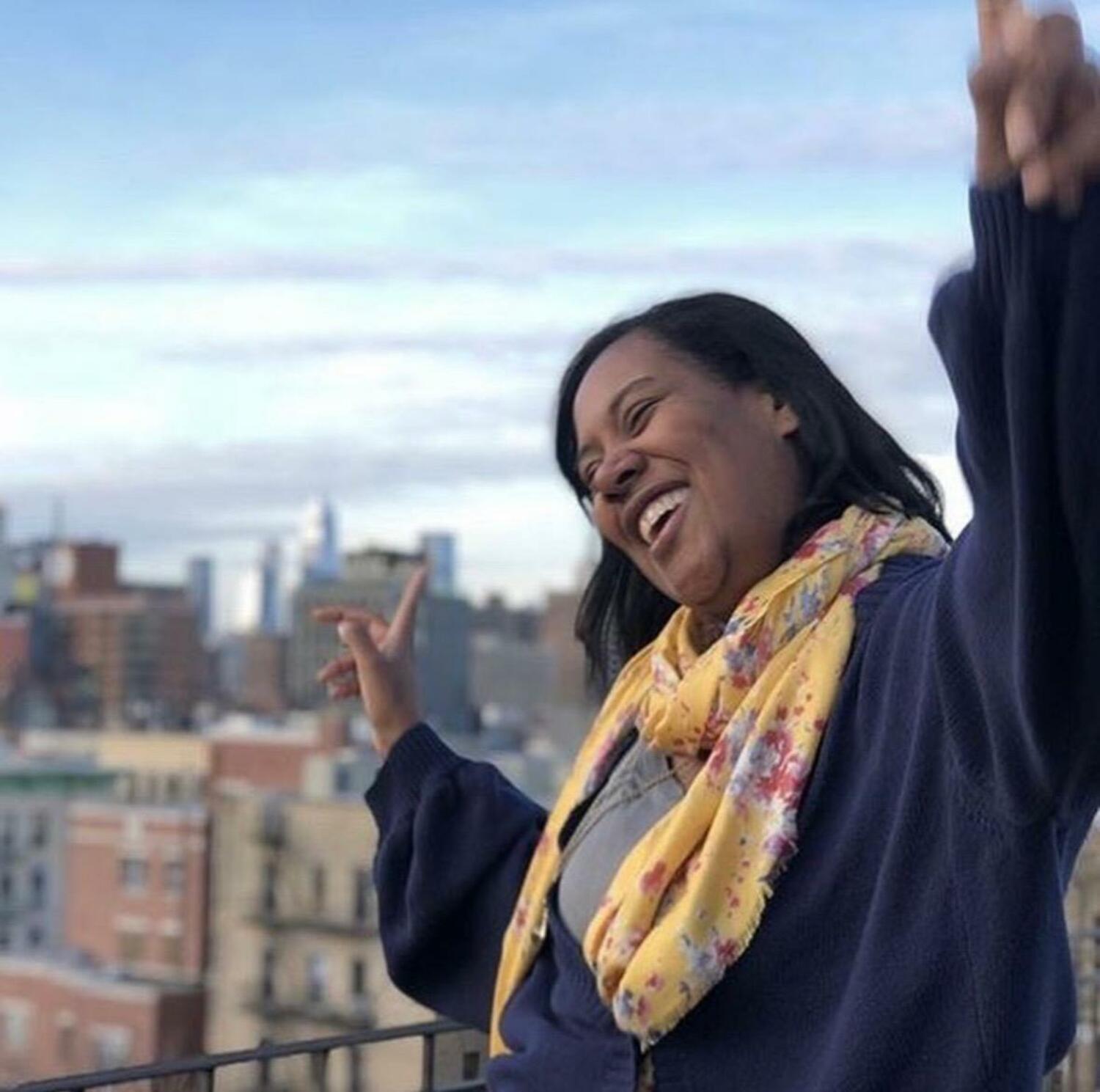
Andrina Smith
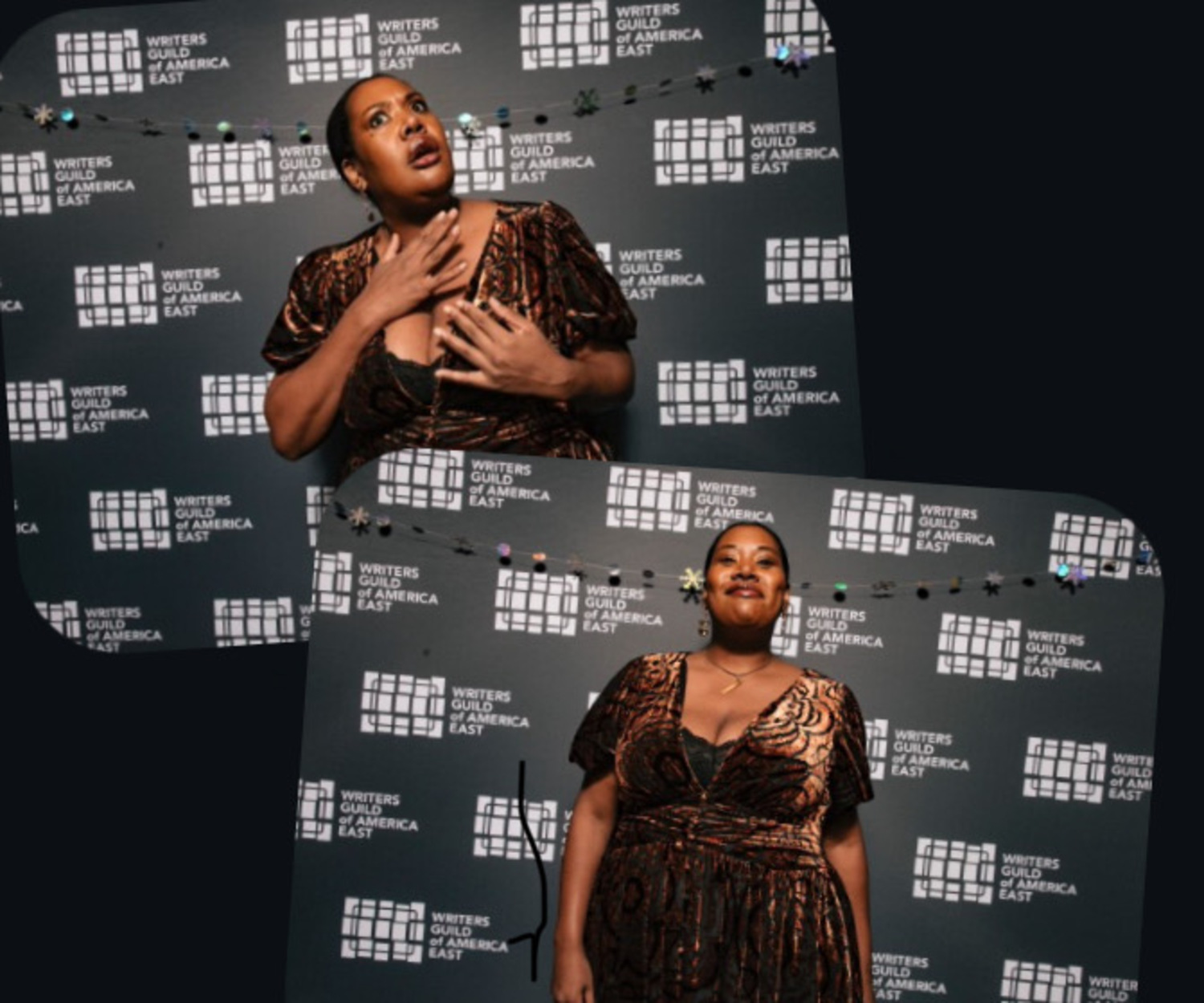
Andrina Smith
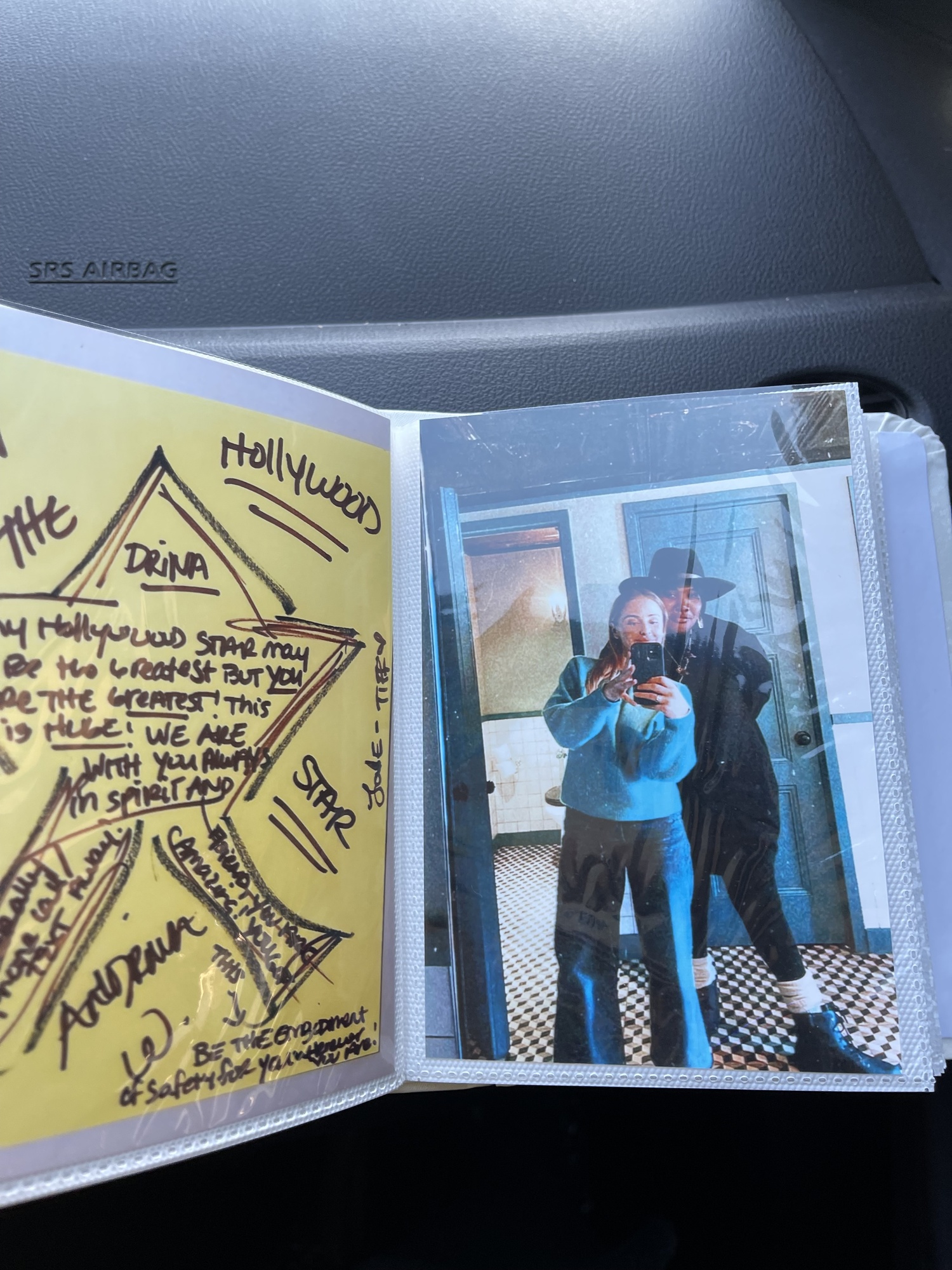
Andrina Smith's family and friends compiled a book of photos and notes for her to bring to Los Angeles. ANDRINA SMITH
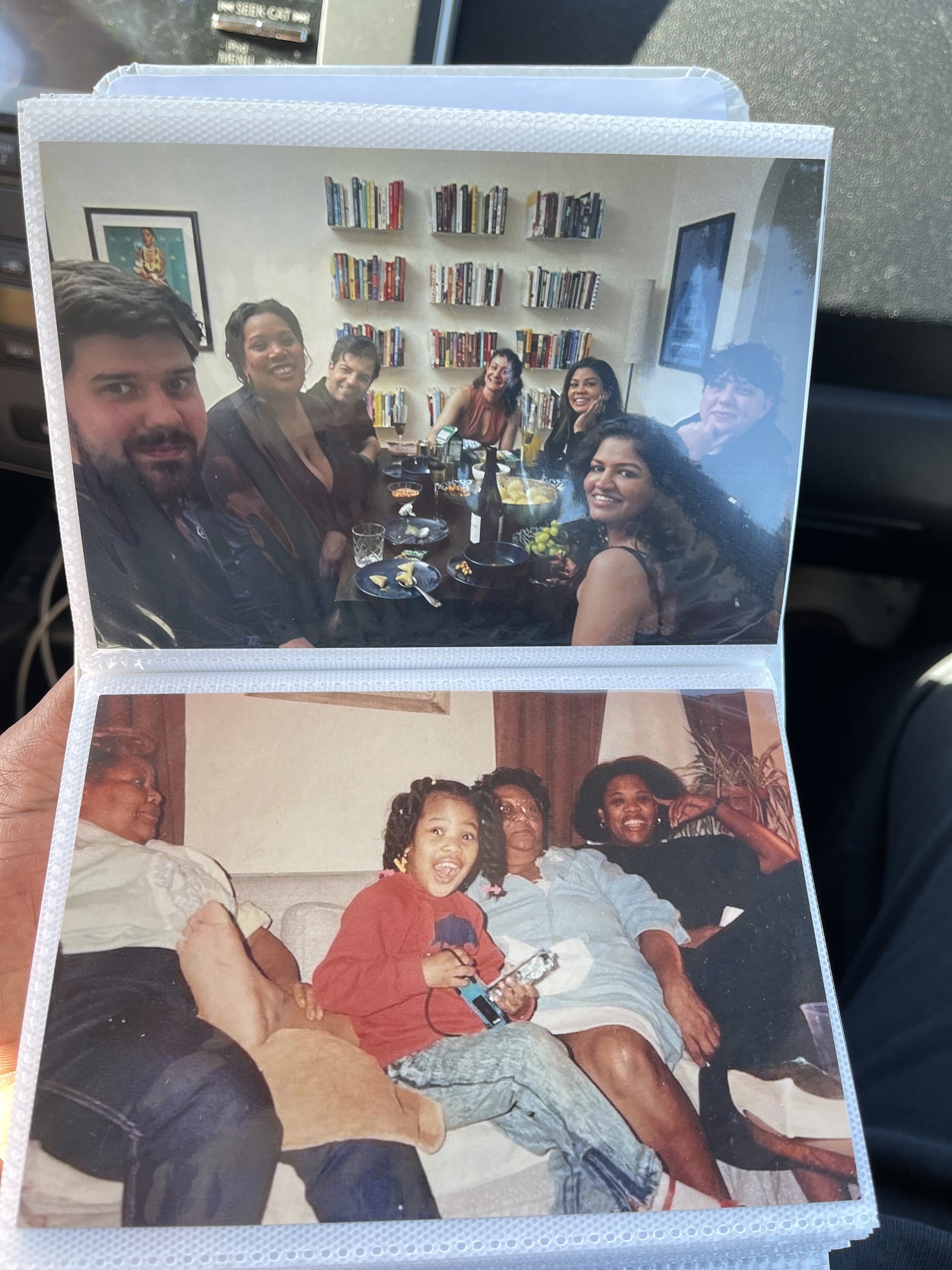
Andrina Smith's family and friends compiled a book of photos and notes for her to bring to Los Angeles. ANDRINA SMITH
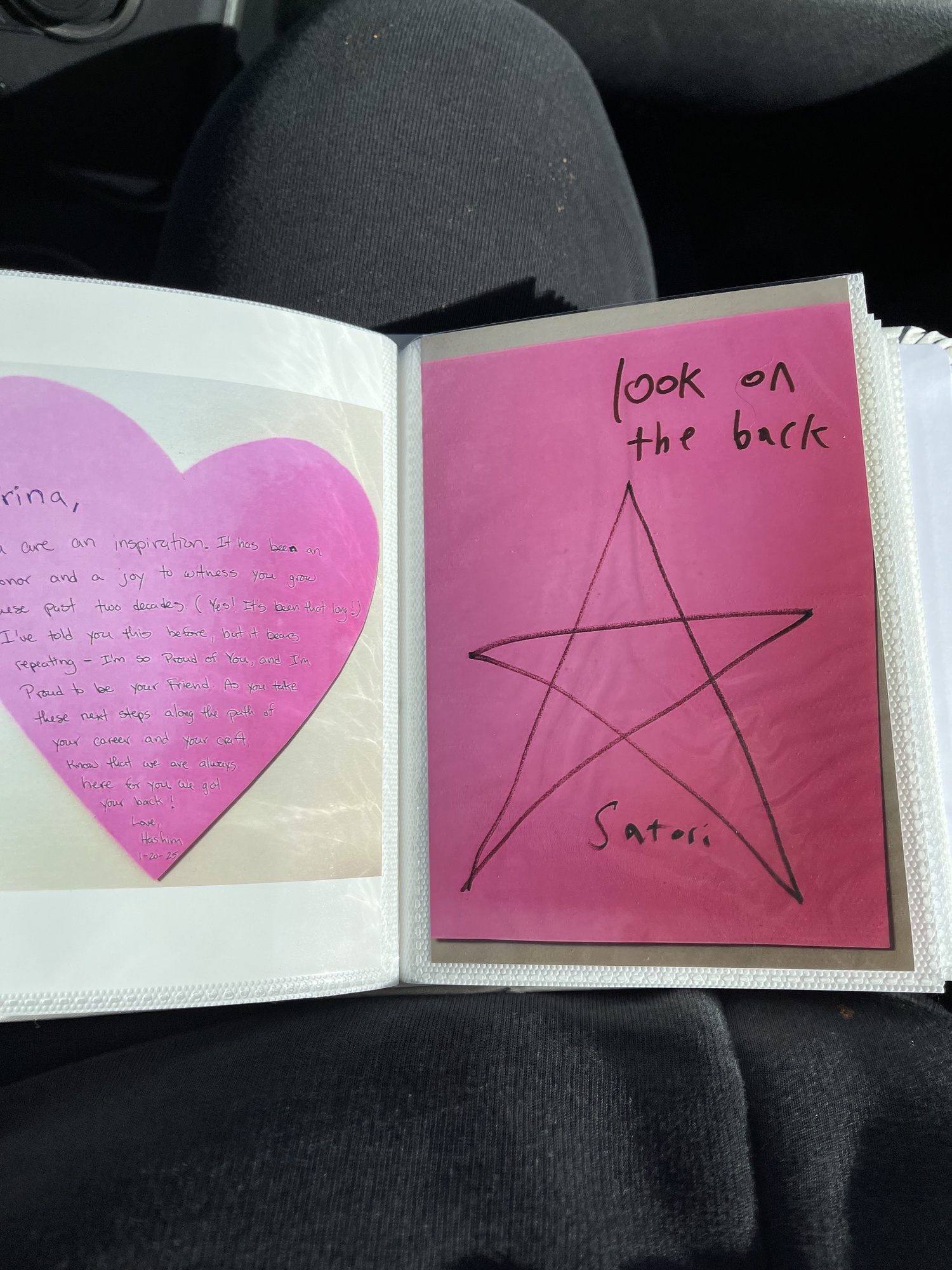
Andrina Smith's family and friends compiled a book of photos and notes for her to bring to Los Angeles. ANDRINA SMITH
Andrina Wekontash Smith has a voice. She has stories to share. She has vision. And these days, she can never quite expect who will be the next to hear — or overhear — them.
Recently, from a few tables over inside a campus cafeteria, it was Bob Iger — chief executive officer of the Walt Disney Company — who was casually eating lunch behind her.
“Just another day at Disney College,” Smith said with a laugh.
For the Shinnecock creative, the last five weeks have pushed her in nearly every way — from learning, growing and exploring to facing old ghosts and embracing new beginnings — as part of the 2025-26 cohort in the Disney Entertainment Television Writing Program.
Just eight writers were chosen for the highly selective initiative, marking its smallest group in about a decade, Smith said. Participants earn a weekly salary and benefits for a year, or until they’re staffed on a show, whichever comes first.
“This program is such an accelerant at a time where there are so few avenues for emerging writers,” Smith said, “and so I’m just really grateful to get to have that experience.”
Smith had previously applied to the program — now in its 36th year — but at the insistence of her friend, showrunner Austen Earl, she tried again. Four months later, she received an email from the Walt Disney Corporation.
“My first thought was, like, ‘Oh, my God. Disney is so nice. They’re sending me a rejection letter. What great people,’” she said. “And I opened it and it was, like, ‘You have advanced to the semi-finals.’”
This was Smith’s time to shine — and her best chance of getting in — Earl had insisted. She now had significant writing credits under her belt, including TIME Studios’ Emmy-nominated immersive VR experience, “MLK: Now Is the Time.” Her spoken word piece “The Darker Red Road” gained national attention in collaboration with Facebook’s “Lift Black Voices” — a video that Earl sent to none other than actor Kerry Washington.
Her production company, Simpson Street Banner, had rejected their pitch for a new television show previously. They quickly changed their minds.
“Those things all stemmed from a poem that I wrote called ‘One Indian, Two Indian, Red Indian, Blue Indian,’” Smith said. “And that poem was about my journey and understanding of self as an Indigenous person. I wrote that piece to express a visceral need to feel seen, and from that piece, so many things domino-fell into place to get me to where I am now.”
In December, Smith was accepted into the Disney Entertainment Television Writing Program. And then she was forced to keep it a secret — at least until Deadline broke the news.
“I just wanted to wait until the Deadline article came out so I could just drop it like a Beyoncé album — boom, I’m going to California!” she said. “Then it got down to a week before I was leaving and I was, like, I should probably tell people I’m moving across the country.”
Her friends, family and community put together a photo album full of pictures and notes — motivation, love and support. And though the writing program is a dream come true, Smith finds herself flipping through it in the moments that she needs it most.
“L.A. is a place that has allowed me to cement my self-love, because L.A. isn’t going to provide it for me,” she said. “It is a city that both wants you to notice it and let you know that it’s not noticing you. And so, in that vein, having security in myself has been one of the most crucial components for this venture.”
She came to Los Angeles with a clear purpose, she said. Watching Disney movies as a child, she remembers the family oriented storytelling, the balance of entertainment and moral code, and a level of representation that she hadn’t seen before.
But something was still missing.
“While it has its problems, Pocahontas was one of the first times I have ever seen a Disney character be native,” she said, “and, again, definitely laced with its own problems — Pocahontas was a murdered and missing Indigenous woman — but at the time, ‘Colors of the Wind’ really slapped.”
With 574 federally recognized Indigenous tribes, and countless state tribes, Smith aims to create a pilot that does away with Hollywood’s depiction of a native monolith and, instead, centers on the East Coast Native American experience, she said.
“If I can throw in a storyline that has a native character, if I can pitch a perspective that honors an Indigenous lens, then I feel like I’m contributing to the healthy advancement of native representation in this industry,” she said.
Outside of helping to write native stories, she also aims to hold open the doors to spaces that Indigenous people have been denied for too long, Smith explained.
“I want to be able to create work that has longevity and can provide easier access for those who will come after me,” she said. “And I think that I am most strongly suited to do that with screenwriting.”
She paused. “Do I really envision, like, a late-stage return to theater in my 50s or 60s? Yes,” she mused. “That’s really going to be my time to shine — a nice, limited Broadway run.”
While Smith’s first love is performance, she quickly realized that there were very few roles that would expand her creatively — so she wrote them herself.
She finished her first one-woman show as a senior at the Ross School, she said, and never stopped.
“Here I am — X amount of years later — still writing and still pursuing that dream that I dreamed so many years ago,” she said. “I just want people to know that it is still possible. It’s by no means easy, but if you focus on that fire that guides you, that fire that is your true passion, good results are inevitable.
“Just stay true to who you are, and you’ll get to be surprised by what life yields. I know I certainly am.”


 Michelle Trauring on Mar 11, 2025