


 2 Photos
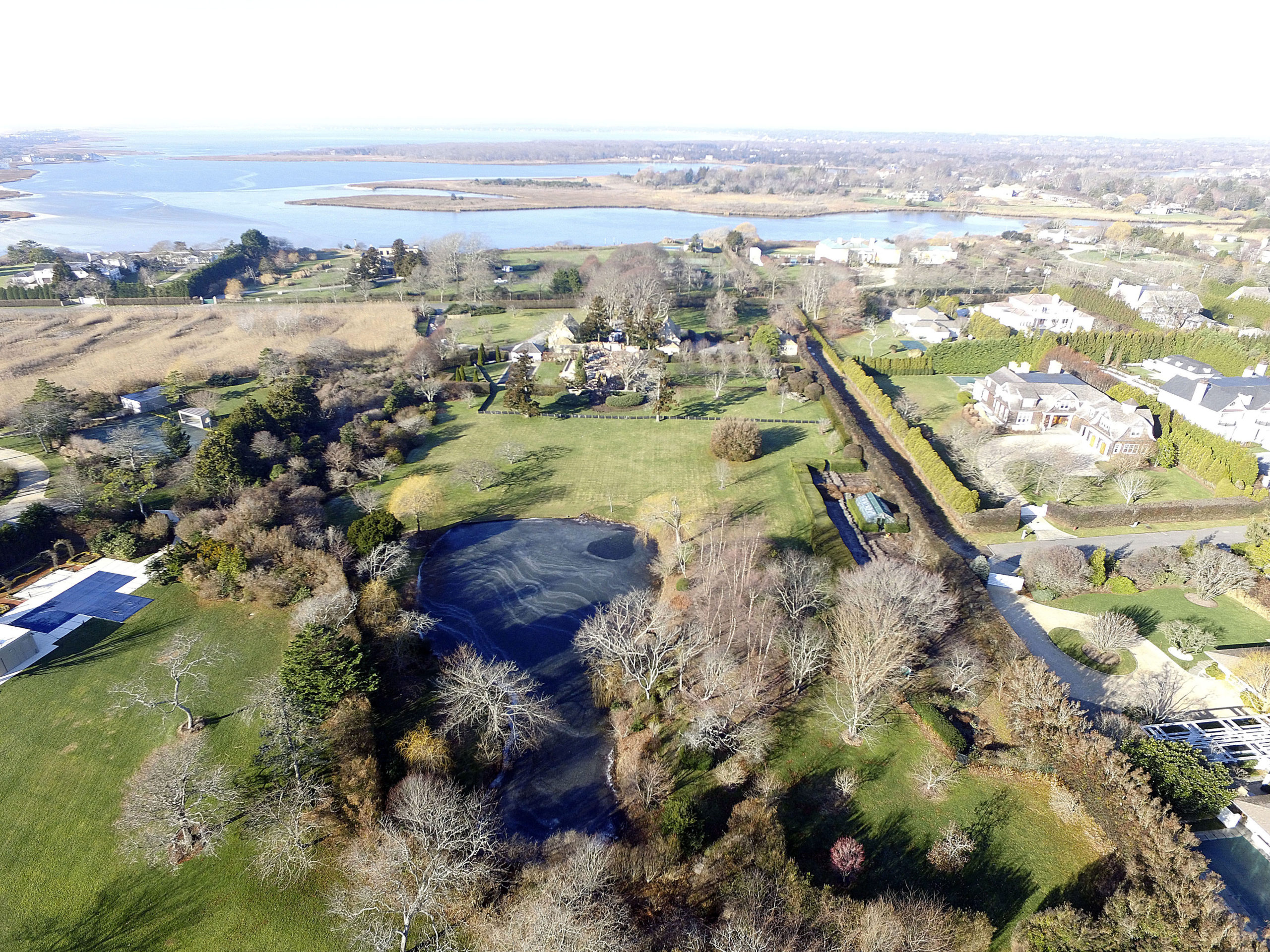
The Four Fountains property in early 2020.
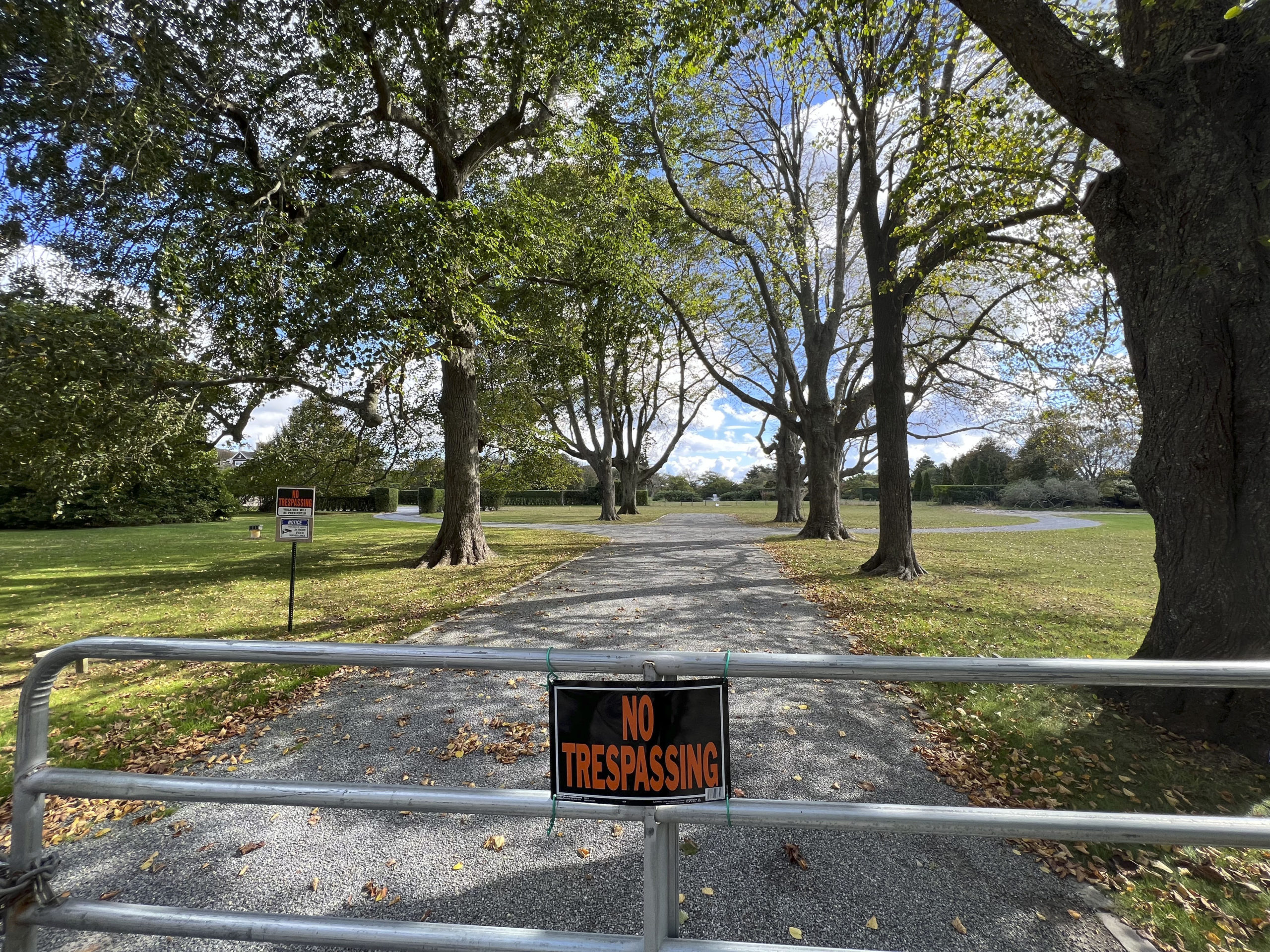
The Four Fountains property in Southampton Village. DANA SHAW
The owners of the Four Fountains estate at 660 Halsey Neck Lane finally have the green light to begin construction of a new two-story home on the famed Southampton Village estate, which has been a divisive topic for members of the village’s Architectural Review Board for several months.
On Monday night, in a 3-2 decision, the members voted to allow the applicant, listed as Four Fountains LLC, to proceed after they made several changes to their initial proposed plans following a decision to deny the application — in another 3-2 decision by the ARB — in August.
This time around, ARB member Peter DeWitt was the deciding vote, reversing his position from last time around.
While several changes were made in an attempt to help tamp down the grandeur of the house, which had formed the basis of the opposition, DeWitt said it was a move to raise the parking entry court area that ultimately swayed him, calling it “inventive.” Other changes were made to the plans as well, including the removal of a planned “water feature” in the entryway.
Members Sara Latham and John Gregory remained unconvinced, while Chairman Jeffrey Brodlieb, along with Mark McIntire, again voted in favor of approving the application.
The changes, Brodlieb said, “reduced what the board reacted to as a grandiose presentation.”
Additional changes, like a recessed front door, also helped sway the board members who voted in favor. McIntire said the door changes made the home “look more residential,” and DeWitt agreed.
Gregory did not share those views, nor did Latham. “Nothing was changed with the issues I had,” Latham said. “The house has an overwhelming presence compared to the nature of the homes around it.”
At previous hearings, several neighbors had expressed their concerns about the size and height of the proposed residence, and at least one was back to comment again on Monday. The concerns of several other neighboring homeowners were represented by attorney Martha Reichert of Twomey, Latham, Shea, Kelley, Dubin and Quartararo, who said the homeowners did not feel that any significant changes had been made to address the massing of the roofline.
“This is still a nearly 18,000-square-foot house, and it’s 49 feet above the current grade,” said one neighbor. “There are issues beyond the front door and the front step.”
When the neighbor suggested that a suit brought by lawyers representing the applicant had swayed the board to reverse its decision, Brodlieb pushed back.
“We don’t respond negatively or positively toward legal action,” he said. “We don’t succumb to legal threats. We use our judgment, as the code provides. There was, and is, an issue of height, but height, per se, is not the purview of this board — mass is. Yes, it’s a large house. But it’s also a very large property, within distance of other large houses with large properties.”
He added that the board is “dealing with the code as it exists,” although he acknowledged that the code may change soon, with the Village Board poised to vote on a resolution to amend the code that would tighten height restrictions on homes located in FEMA flood zones, which includes this property.
The main house that formerly stood on the property was designed by the architectural firm of Peabody, Wilson and Brown for Ethel and Lucian Tyng in 1928 as a playhouse/arts center, according to architecture critic and Express News Group columnist Anne Surchin. The Tyngs sold Four Fountains in 1942 to Archibald Brown, the estate’s original architect, and his wife, Eleanor, the president of the interior design firm McMillen Inc., who converted the playhouse into a summer home.
Surchin noted in a January 2020 column that the property was flooded in both Hurricane Irene and Superstorm Sandy. At the time, she wrote that the plan was for the new owners to replicate the facade of the demolished house and build a home behind it that could accommodate a family.


 Cailin Riley on Jan 26, 2022