


 6 Photos
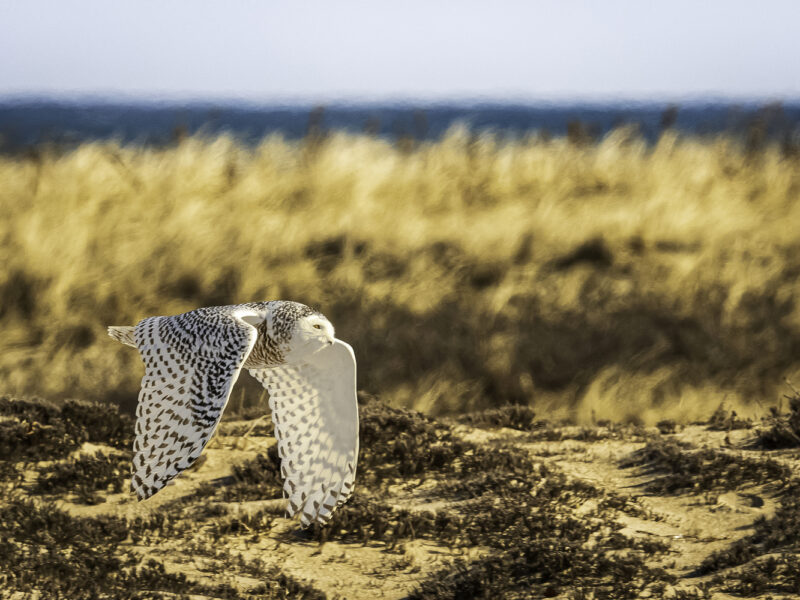
A snowy owl in local dunes. MARIANNE BARNETT
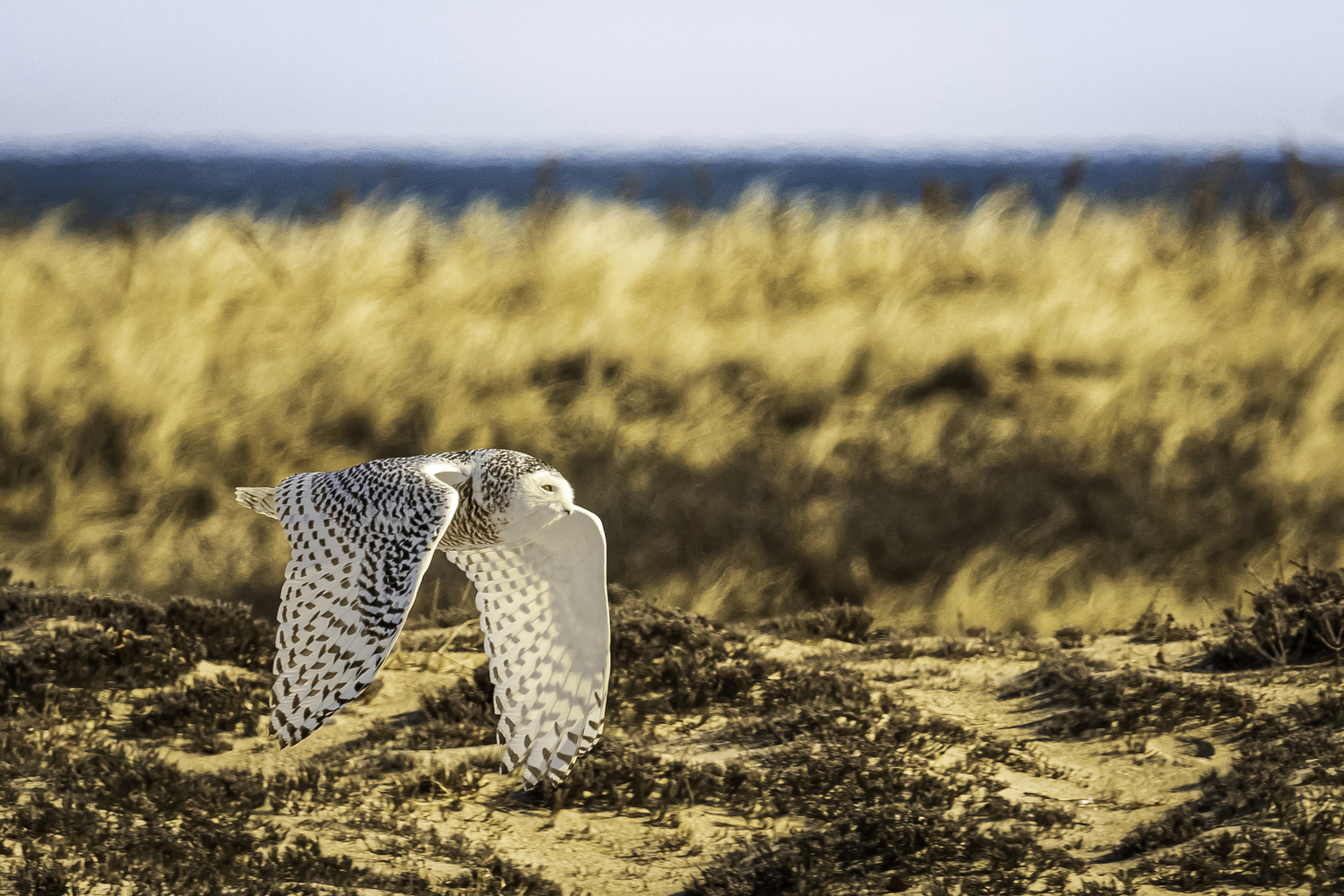
One of the first local snowy owls I saw in 2016. MARIANNE BARNETT
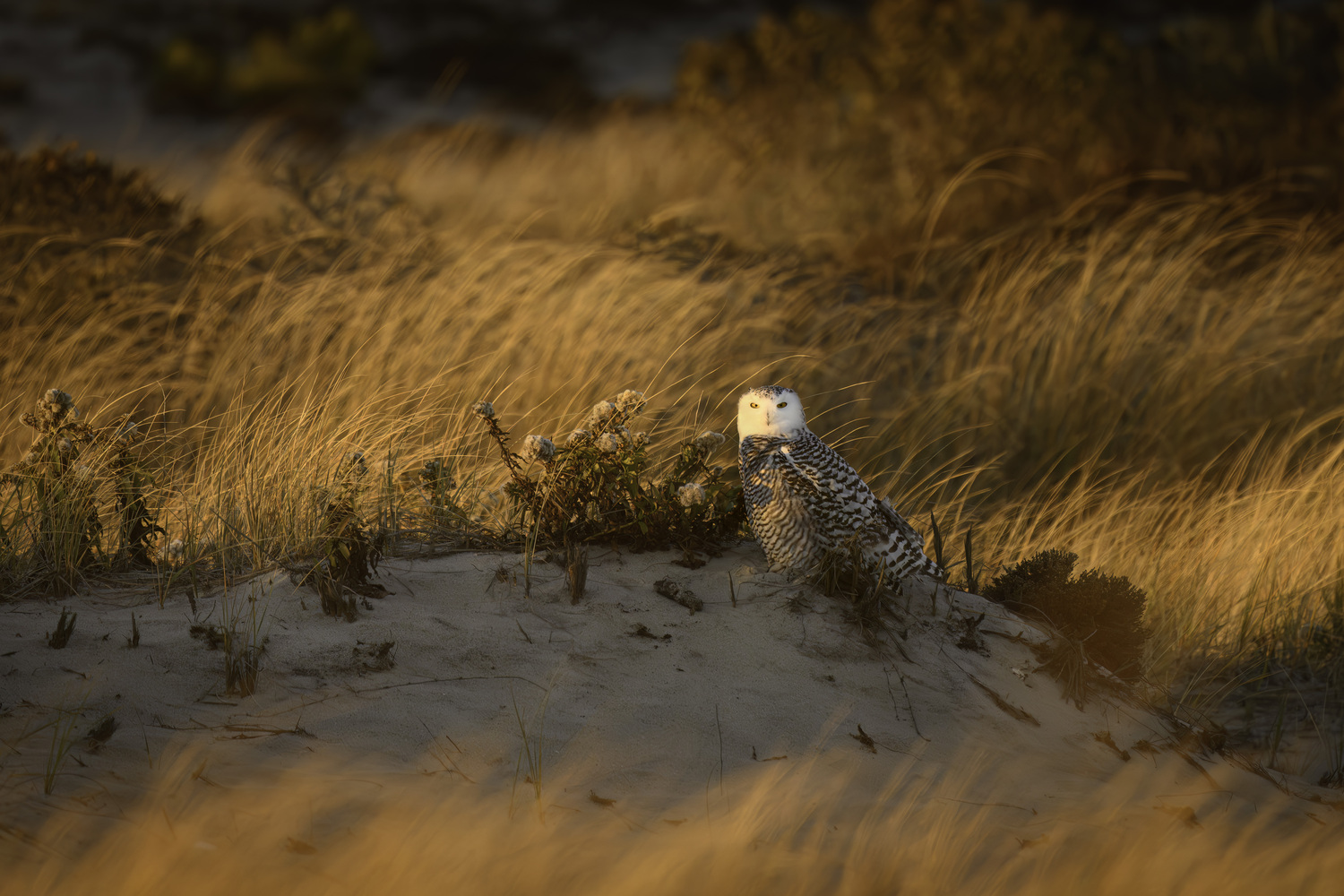
A snowy owl in local dunes. MARIANNE BARNETT
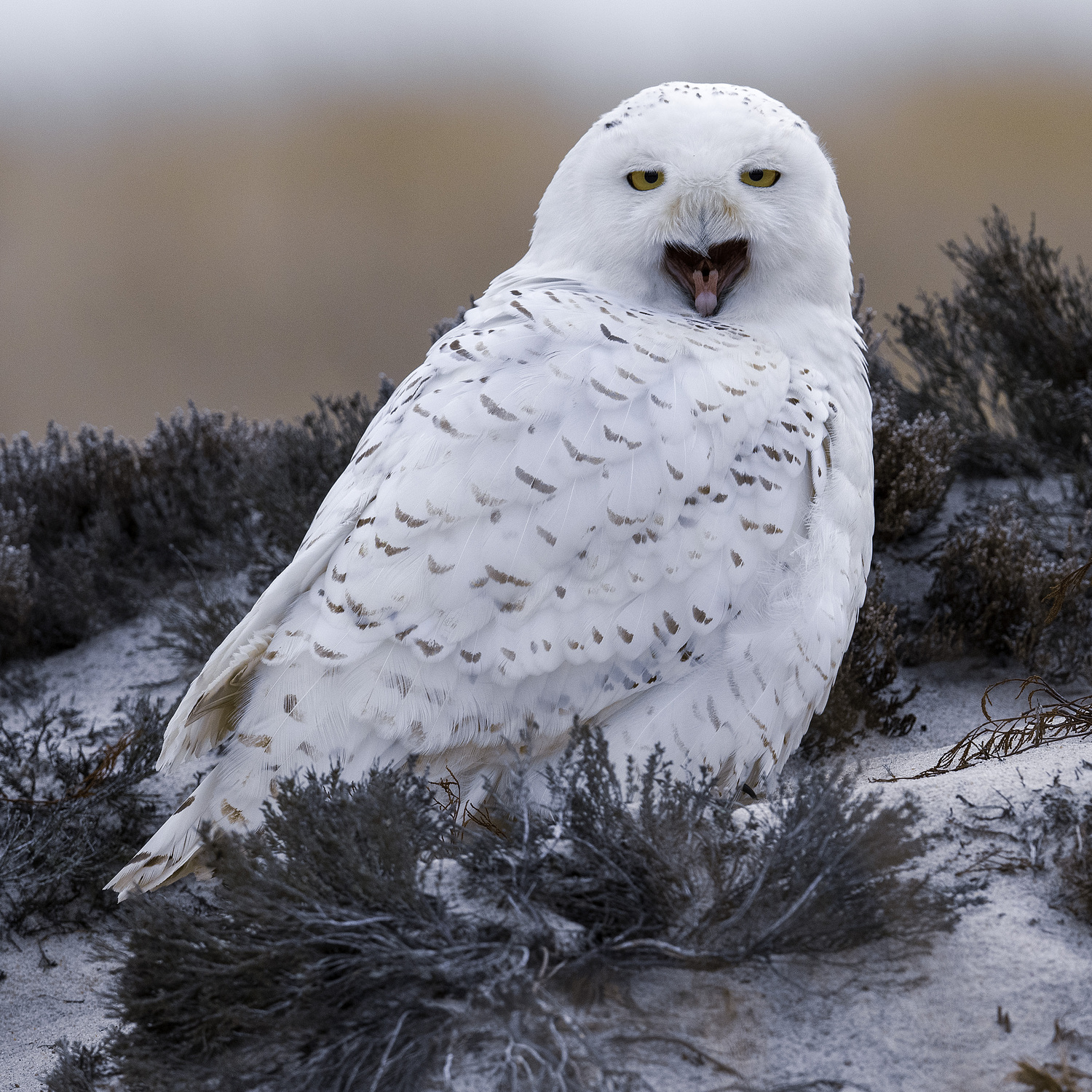
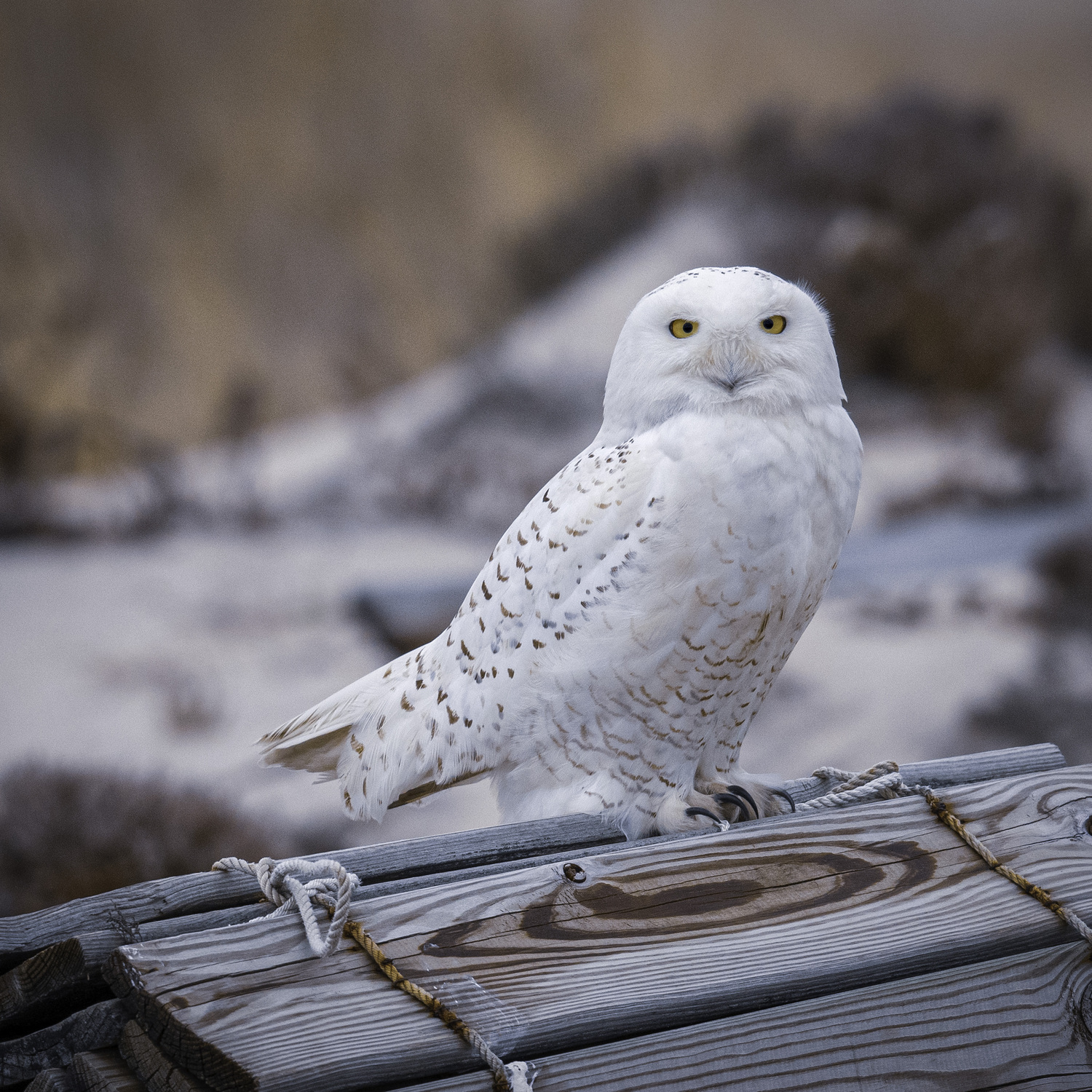
A grumpy snowy owl. MARIANNE BARNETT

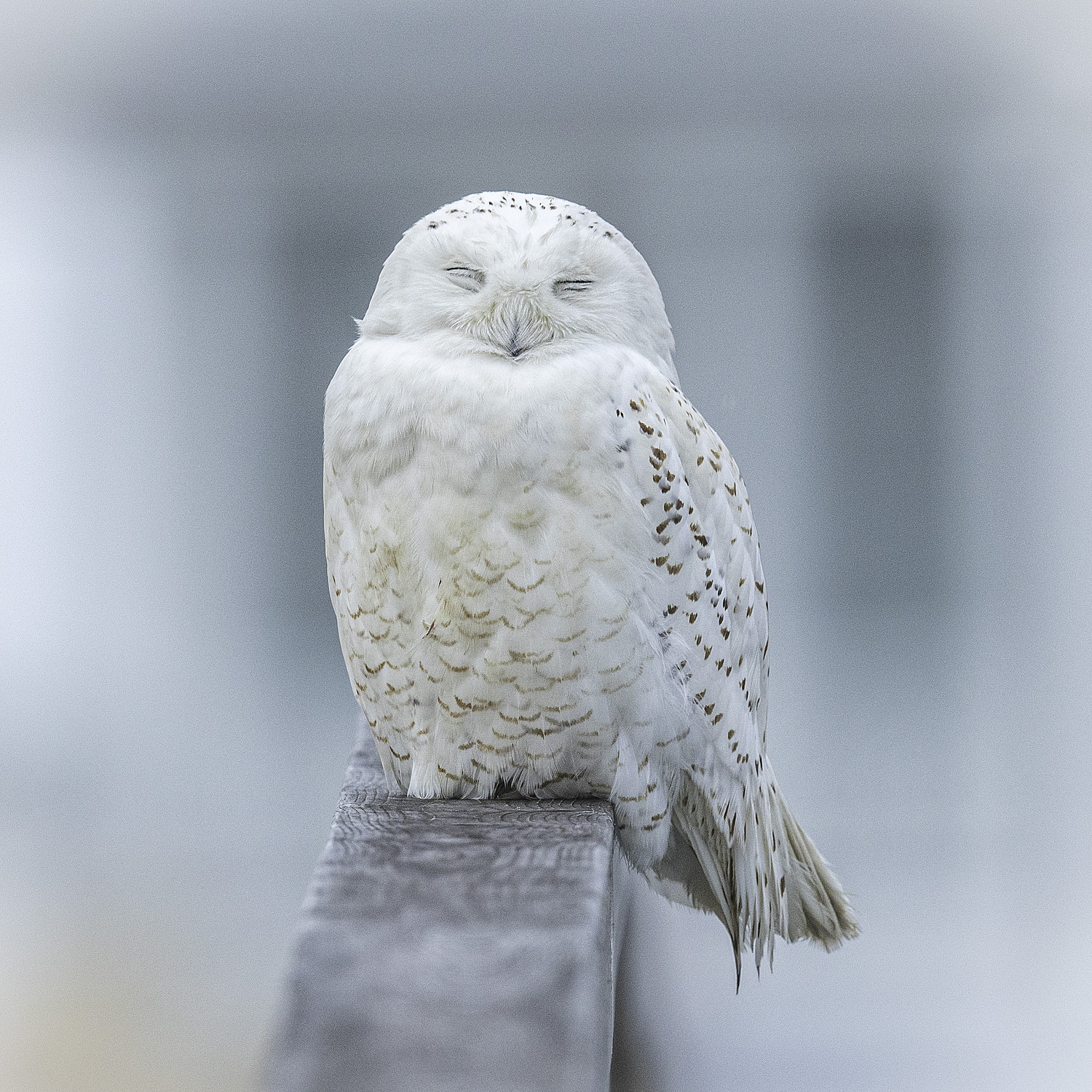
A resting snowy owl. MARIANNE BARNETT

It’s that time of year when many of us hope to see the Arctic Angels from the North, the snowy owls.
It’s been a few years since these mysterious and beautiful owls appeared here and elsewhere in the United States. However, there already have been snowy owl sightings in the New England area and a few on Long Island, resulting in a flurry of photographers and birders setting out with their cameras and binoculars to scour the dunes in anticipation of getting a photo or sighting.
Being a photographer, I am as excited about this as everyone else. I’m looking in all the usual spots of years past in hopes of catching a glimpse of a snowy owl or any owl pellets as evidence of their arrival.
To answer your most likely question, they are among us. If all goes well and we act responsibly in their presence, they might be here through February.
In 2017, the International Union of Conservation for Nature classified snowy owls as vulnerable. Snowies nest in the Arctic tundra on the ground in wide-open spaces. Due to the warming climate, their historical habitats are shrinking. According to the IUCN, the snowy owl population has declined by 64 percent since 1970.
Despite this dramatic decline, an irruption event happens every three to five years, and more snowies than usual travel south and grace us with their presence. An irruption is considered a baby boom of sorts for snowy owls. The previous nesting season provided more-than-usual populations of lemmings, the snowy’s preferred meal. Mother Nature has a way of handling this overabundance of food by allowing snowies to lay more eggs that hatch into owlets.
If you are lucky enough to find one of these Arctic Angels in the dunes, there are responsible viewing practices you should follow so that you do not put the owl in harm’s way.
Lower your voice if you are with others. Snowy owls possess a keen sense of hearing, which allows them to pinpoint their prey underground. Keeping your voice low allows them to continue to monitor the area for their next meal.
Keep your pets on a leash to avoid a pet or owl injury or death. If a snowy owl is on the ground, it’s most likely resting from a hunting event and should not be approached by a human or dog. It might even be sitting on its recent prey, of a duck or rabbit, and doesn’t need you to disturb its dinner!
Many ask, how far away you should be to view a snowy owl safely? The short answer is: Far enough away that the owl doesn’t alter its behavior while you are there. The owl should be oblivious to you, so keep your distance.
Sadly, I witnessed someone trying to take a selfie with a snowy owl a few years ago. It was a sad moment that this particular owl tolerated.
The most important event you would not want to cause is for a snowy owl to flush. An owl that is “flushed,” which means it takes off because of a spooking or scaring event, is wasting precious time and energy. If an owl is consistently approached and flushed, it may fly to a lesser habitat, one that can be harmful or deadly.
We live in an area with trucks, cars and power lines that could be deadly for a snowy owl. If you see one, please just let it be!
We are fortunate to host these beautiful owls for a few winter months. We are entrusted to be the caretakers of their existence while they are visiting.
If you happen to see one of these Arctic visitors, please take a moment and quietly enjoy its beautiful presence.
More Posts from Marianne Barnett


