


 3 Photos
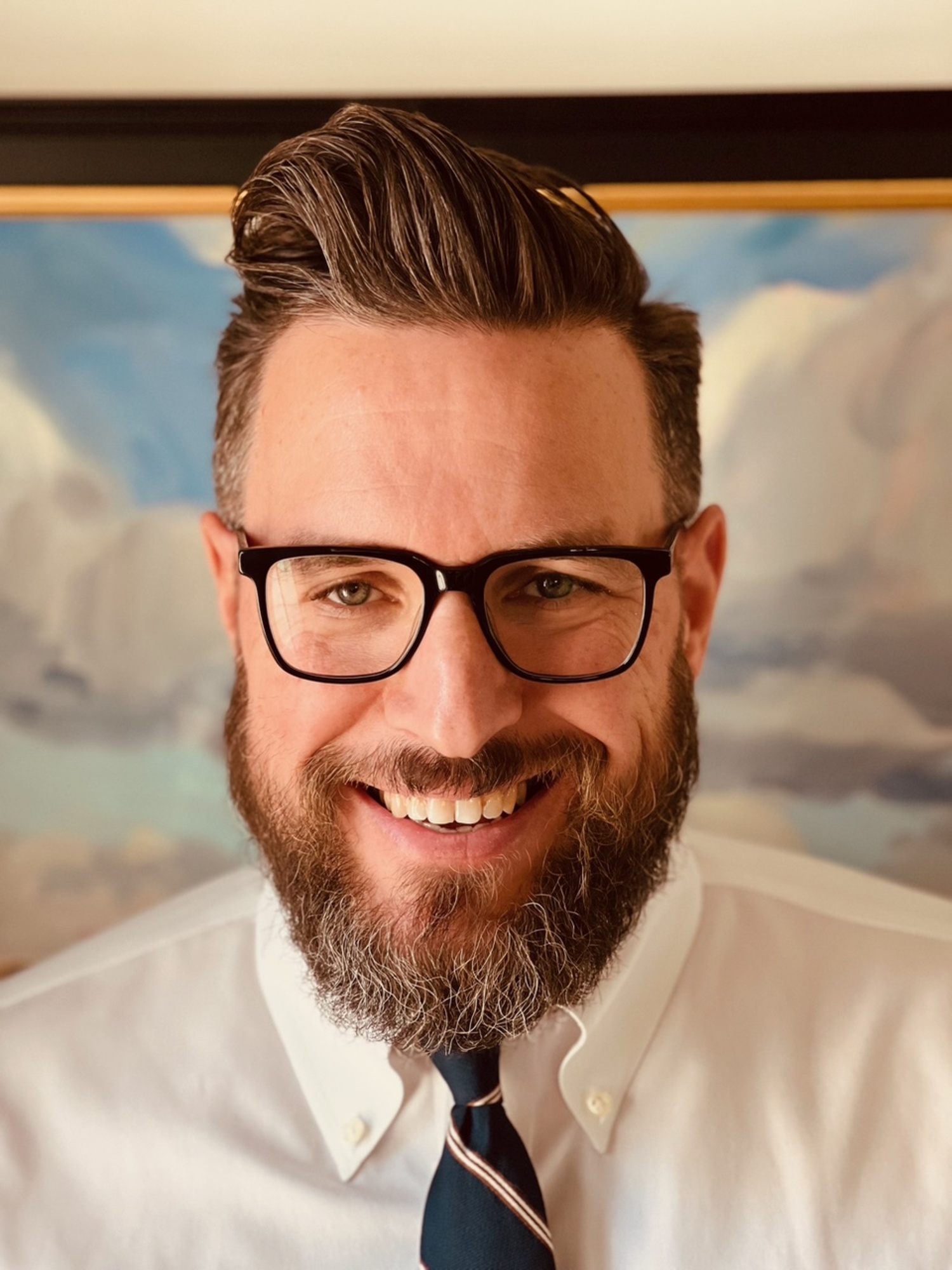
Stephen Kiely
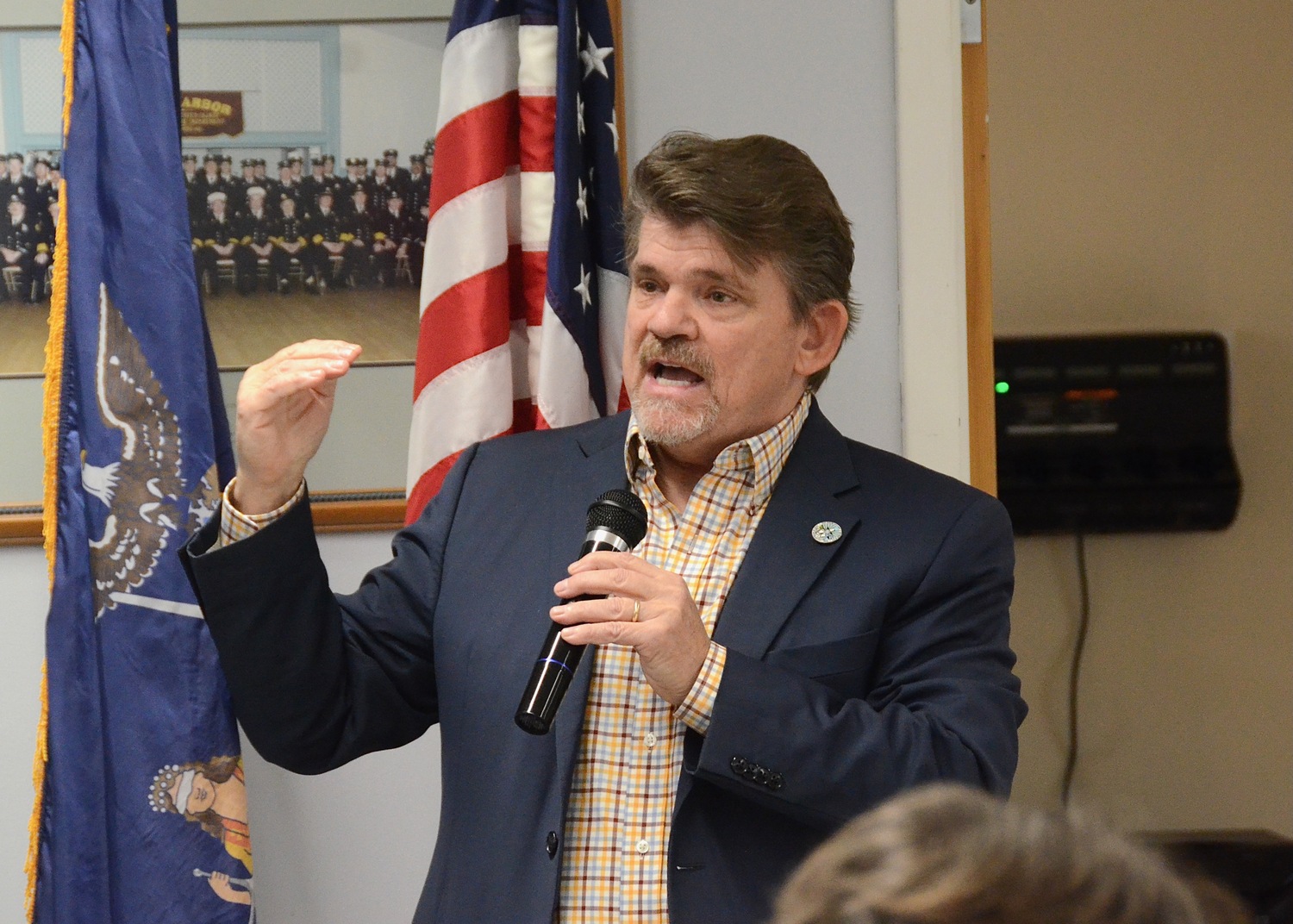
Tommy John Schiavoni
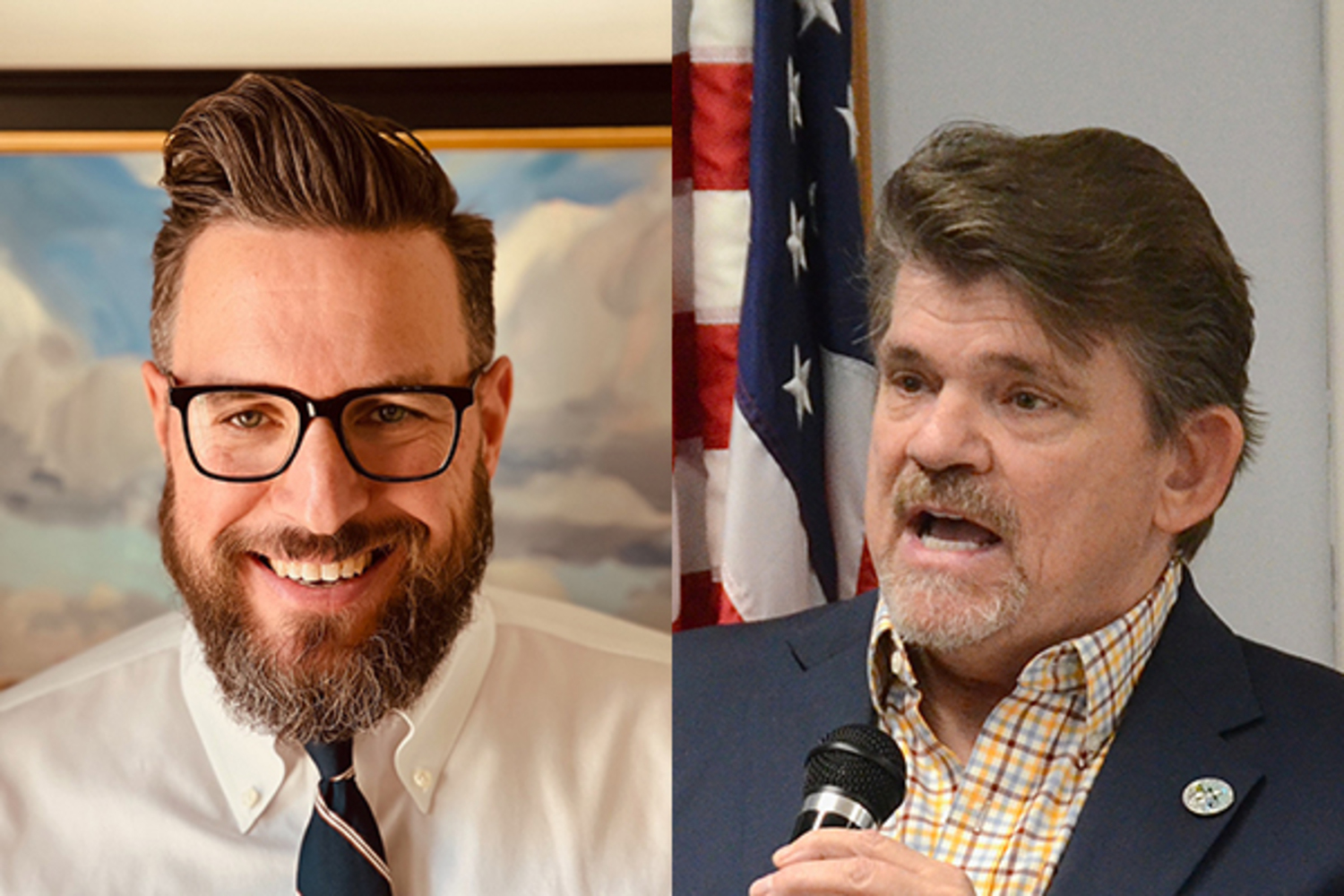
The candidates for the 1st Assembly District.
Southampton Town Councilman Tommy John Schiavoni and Shelter Island Town Attorney Stephen Kiely, who are running to replace longtime 1st District Assemblyman Fred W. Thiele Jr., squared off in a debate on Monday sponsored by the League of Women Voters of the Hamptons, Shelter Island and the North Fork.
The hourlong debate was moderated by Judi Roth of the League, while Eileen Mercer served as the timekeeper.
The debate was supposed to air live Monday night on Southampton Town’s Sea TV YouTube channel, but technical difficulties prevented that. It has since been posted on the Sea TV YouTube site for viewing.
Schiavoni, a North Haven native and retired teacher, who has also served on the North Haven Village Board, the Sag Harbor School Board and the Southampton Town Zoning Board of Appeals, cited a litany of issues that need attention, from water quality and open space protection to education, housing, sustainability, transportation and public health.
Kiely, who has served as an attorney for three of the five East End towns, said that he, too, knew the East End well, and tried to paint himself as the candidate who would be more effective in combating overdevelopment. He charged that Schiavoni would work with Governor Kathy Hochul to override local zoning to require that local governments do more to build affordable housing.
Both candidates agreed on a number of issues, including ways the state could help relieve traffic congestion on the East End. Both said they would support better service on the Long Island Rail Road, which has begun on the South Fork, at least, with the introduction of the Commuter Connection and the Metropolitan Transportation Authority’s including funding to improve that service in its capital plan.
While Schiavoni said he would work with the Department of Transportation to improve roads, Kiely called for better rail service on the East End and other “outside-the-box” thinking to provide alternative forms of transportation.
Although Schiavoni said the East End was in a housing crisis, Kiely sought to put a sharper point on that, arguing that it was limited to an affordable housing crisis. He said a dent could be made by supporting accessory apartments, apartments above main street businesses, repurposing vacant commercial properties and constructing small townhouse developments.
“I’m dead set against building our way out of this issue,” he said.
Schiavoni agreed that would be difficult. “We are dealing with a very strong market here,” he said. “It going to be a challenge.”
He noted that “even people who have jobs here find it difficult to impossible to find housing,” adding that the median price of a house is now north of $1 million in much of the region.
Schiavoni said as councilman he has worked to direct town housing funds toward first-time buyers, to provide loans for accessory apartments and to purchase affordability and disability easements on properties.
Both candidates said they supported the Suffolk County Water Quality Restoration Act, which is on the ballot this November, and which will provide funding for a wide variety of projects, if passed.
Schiavoni said maintaining and improving water quality “is one of the greatest challenges we face,” and he touted the Town Board’s effort to create a new sewer district in Riverside, noting it was the first new sewage district to be “created on the East End since the 1970s.”
Kiely agreed that the county fund “is desperately, desperately needed,” but he said he favored small scale projects such as new nitrogen-filtering wastewater systems, arguing that sewage districts were “high end industrial solutions” and pointing out that Riverhead has sued Southampton over the proposed Riverside district.
“There are locations where sewer districts actually make more sense than IA systems,” Schiavoni said, adding a treatment plant is “150-year infrastructure” that can serve a broad, densely populated area.
Both candidates also agreed that the state has a role to play in battling the public mental health crisis, with Kiely calling the East End “a wasteland” for mental health counseling. “We need dedicated funds to have more robust mental health services on the East End,” he said.
Kiely also said he supported more help battling addiction, which, he said, needed to include a tougher stance against drug dealers. That would require rolling back bail reform, which limits the ability of judges to hold a defendant behind bars, he added.
Schiavoni said the state needs to provide funding for mental health services in the schools, which are often “the first point of delivery” for those services. He said he supported drug courts, where defendants are required to meet benchmarks of sobriety or face incarceration, and called for better training for police officers, who often confront those with mental health emergencies first.
Kiely supported a ban on cellphones and social media in schools, saying the state needed to step in. “This is clearly not a local issue,” he said. “This is a mental health crisis. There’s not one good reason why cellphones belong in schools.”
While Schiavoni agreed cellphones are problematic, he said school districts should have the power to decide how they want to control their use by students.
Kiely argued that the state should rescind sanctuary status because “all it does is protect the criminal migrant.” He added that he supported reversing the state’s position and would “require our local police departments to work with federal authorities to deport criminal migrants — they don’t belong here.”
Schiavoni argued that immigrants are needed to fill jobs, but said illegal immigration was a long-standing problem that the federal government needs to solve. He criticized Republicans for taking a cynical approach to the problem.
“Every year during election season this issue comes up,” he said. “One particular party doesn’t want to solve this. They want to run on it.”
On women’s reproductive rights, Schiavoni said they were an “absolute” right, adding that he would support the Equal Rights Amendment if elected.
Kiely said he disagreed with the Supreme Court’s decision to overturn Rowe versus Wade, but said he could not support the ERA as written because it is too vague and could be construed to allow illegal immigrants the right to vote, biological boys to compete against girls in athletics, and youths to undergo transgender surgery without parental consent.
The candidates both offered support for the Shinnecock Nation in its effort to build a service station on tribal land on Route 27. Kiely said it was “a home rule” issue that should be worked out between the tribe and the town, and Schiavoni saying the state should work with the tribe to allow an access point to the station off Route 27 and not force the tribe to provide access from a neighboring residential area.
The candidates agreed that the Community Preservation Fund should not be amended to allow it to be used to pay for capital projects, but both agreed that additional money could be earmarked for water-quality projects.
Both candidates also promised to continue Thiele’s practice of showing up at local meetings and communicating with constituents through newsletters and email.
In their closing statements, Kiely said Schiavoni, by supporting Hochul’s policies, would “urbanize the East End” while his policies would help preserve its small town character.
Schiavoni, in turn, touted his many endorsements — including that of Thiele himself.


 Stephen J. Kotz on Oct 9, 2024