


 11 Photos
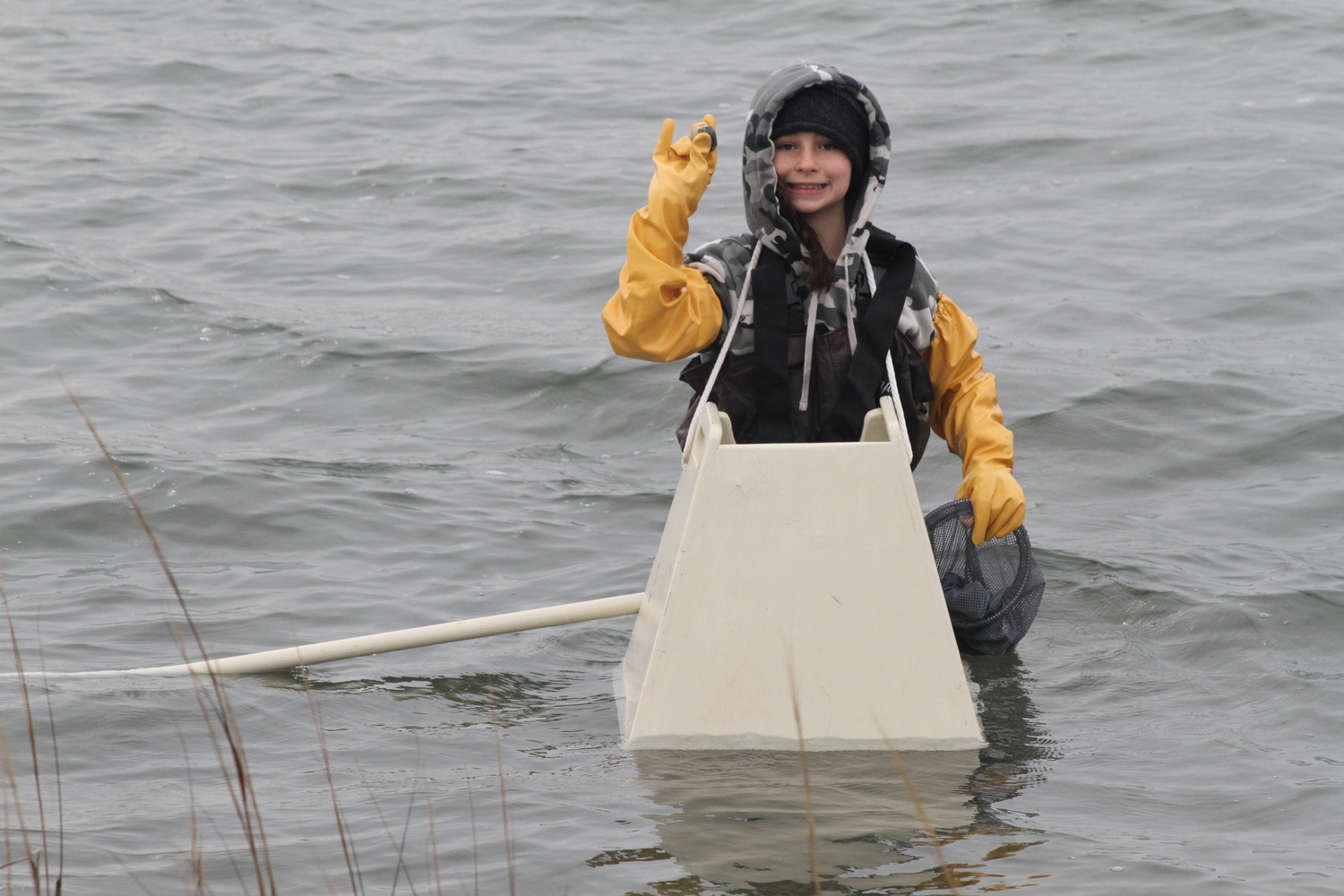
Juliette LaFemina scalloping in Southampton on Tuesday. MICHAEL WRIGHT
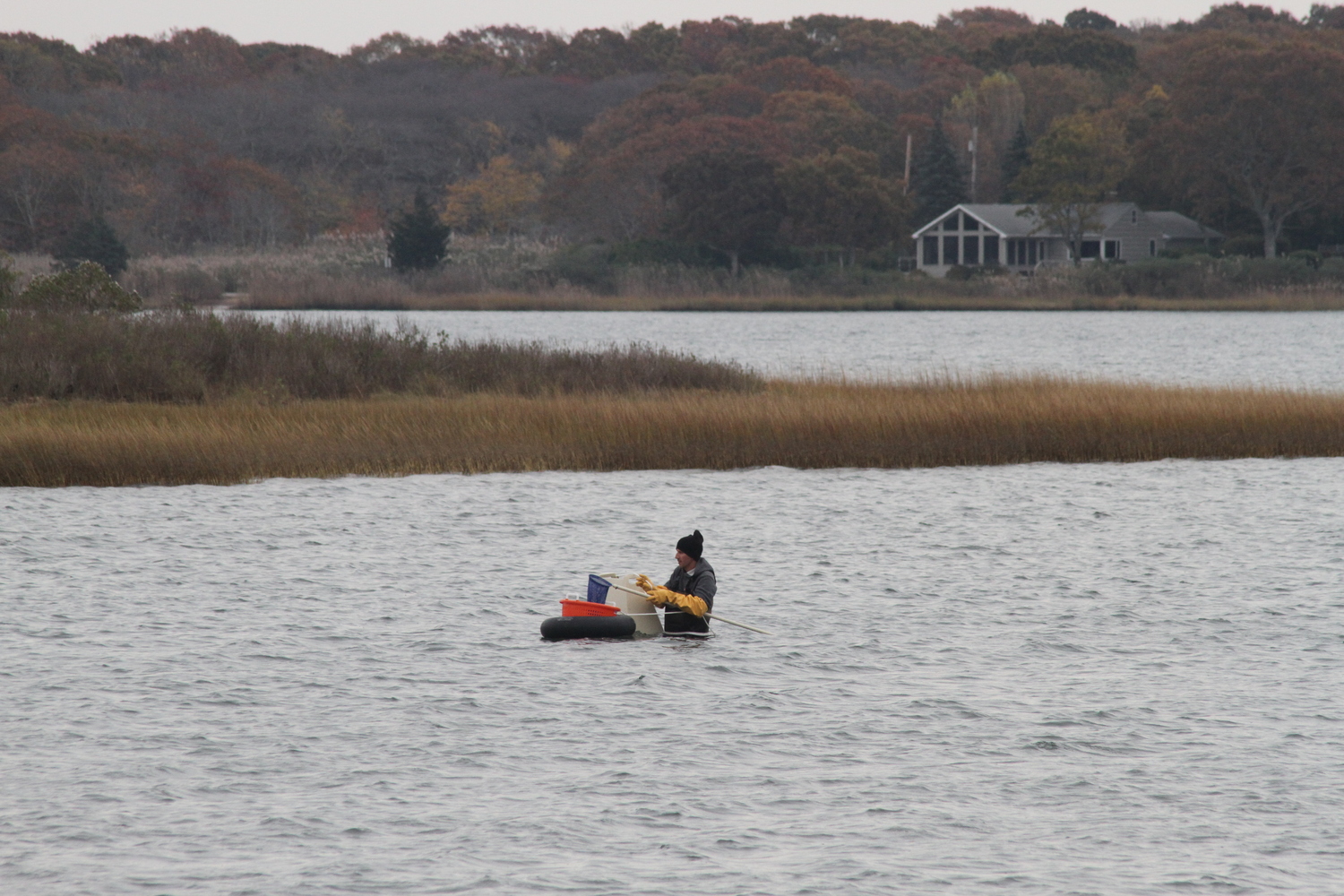
Scalloping in Southampton.
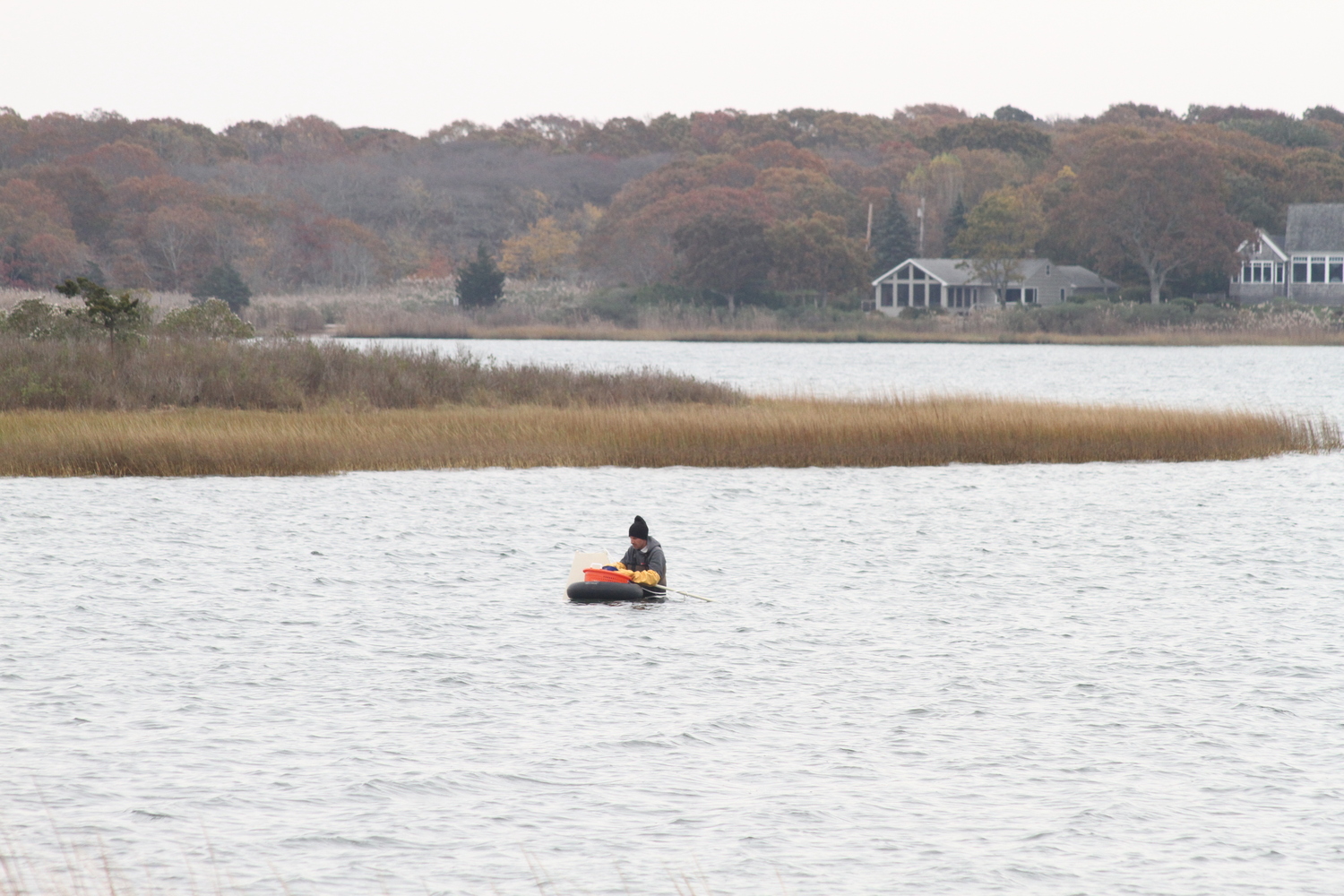
Scalloping in Southampton.
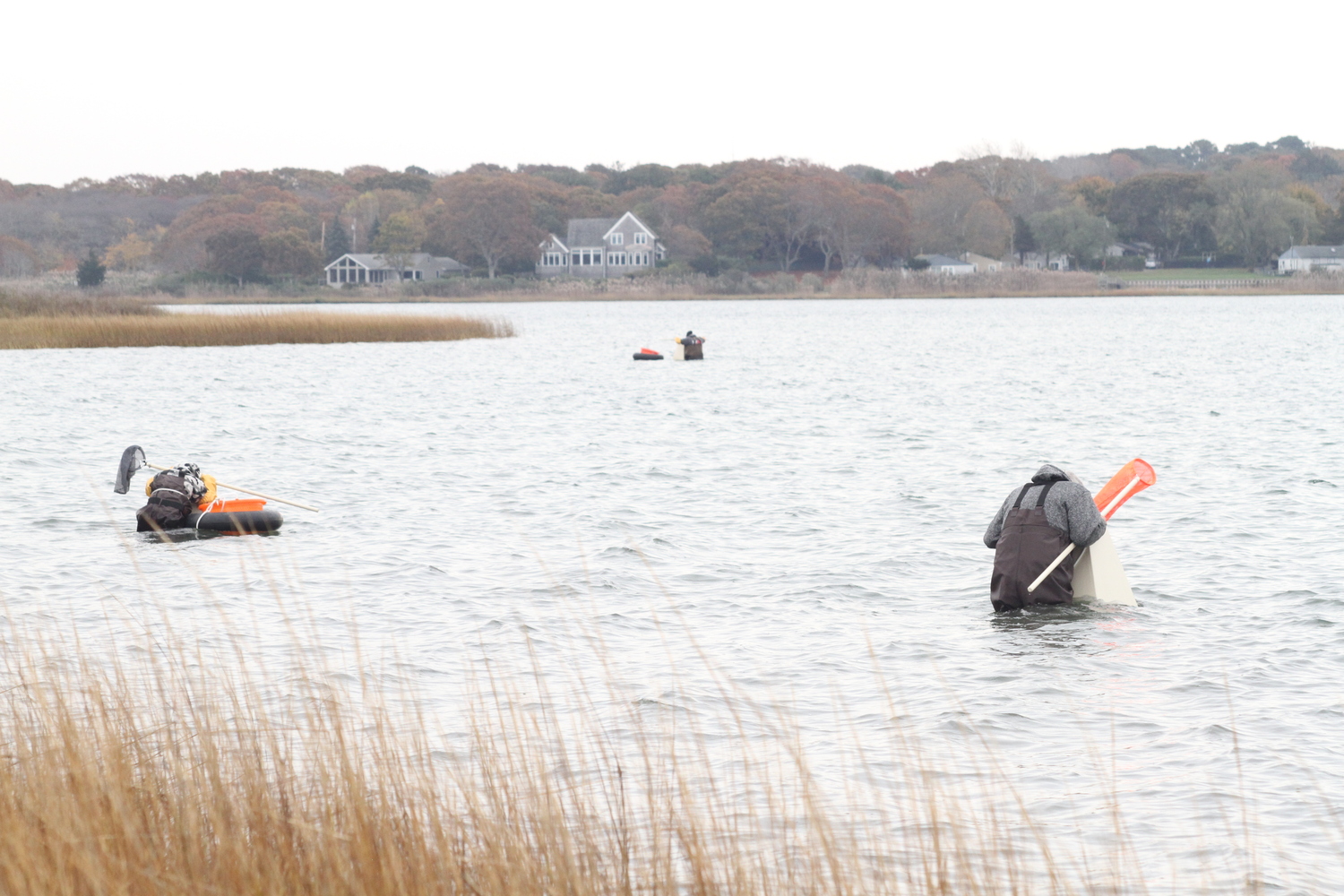
Scalloping in Southampton. MICHAEL WRIGHT
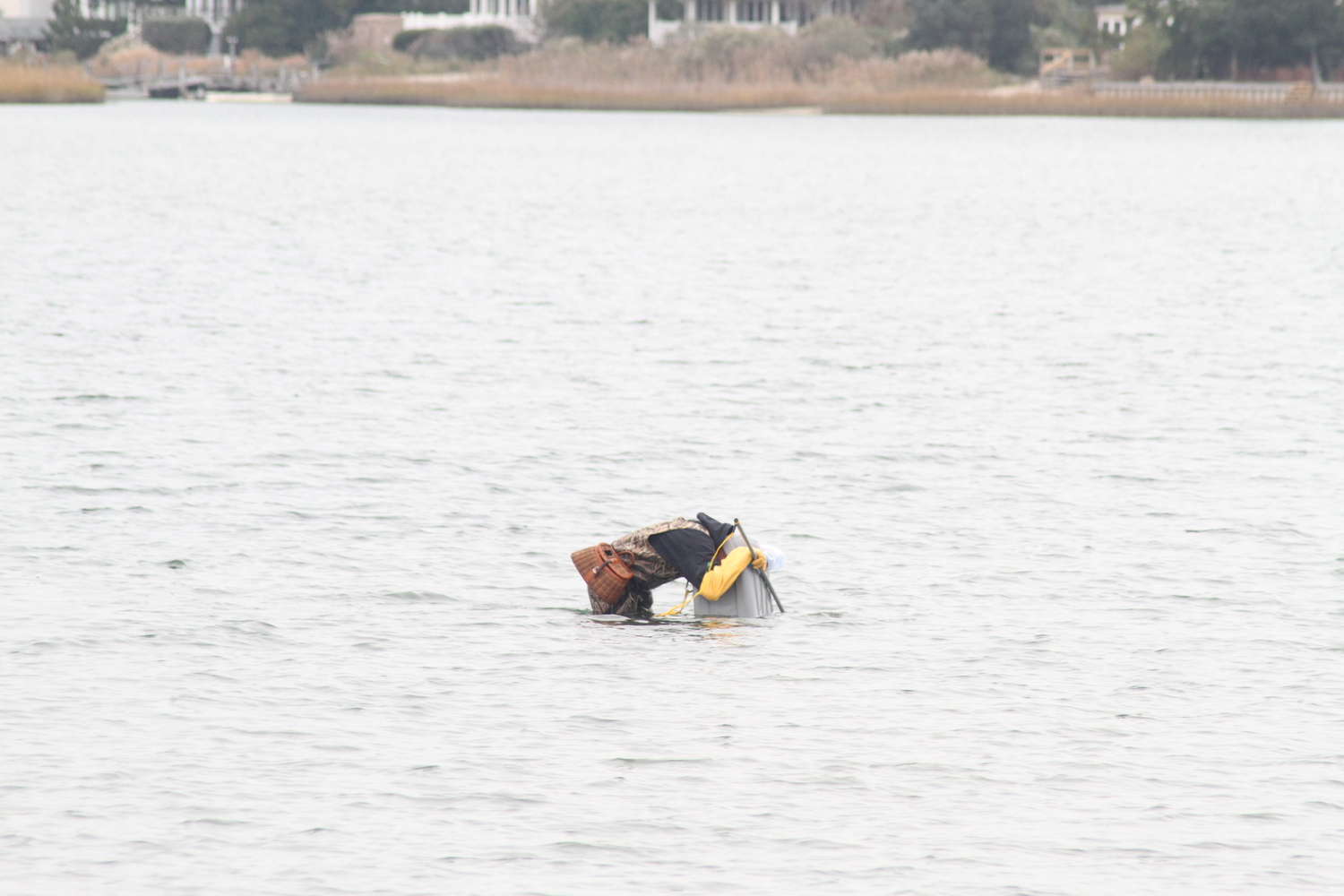
Scalloping in Southampton. MICHAEL WRIGHT
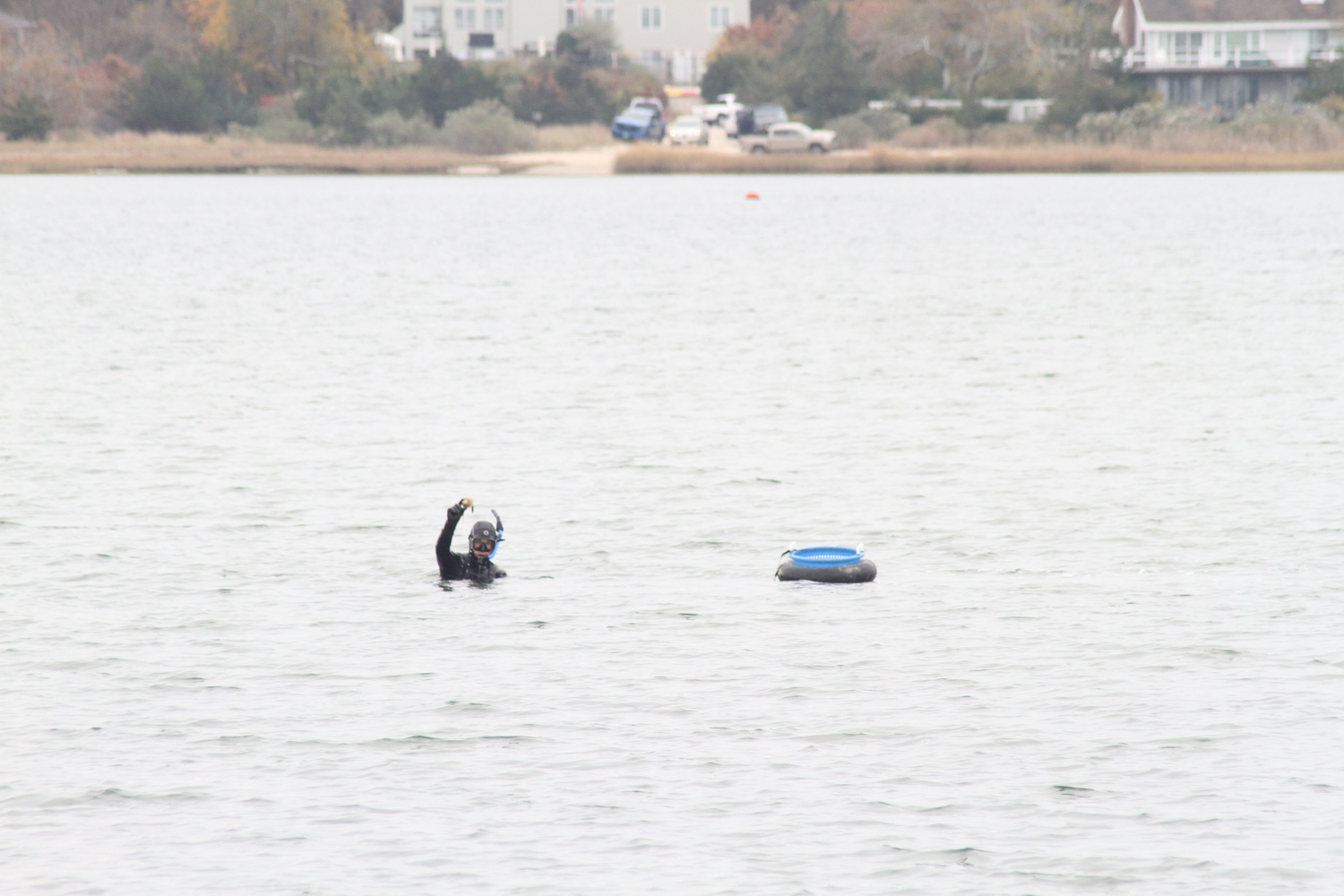
Scalloping in Southampton. MICHAEL WRIGHT
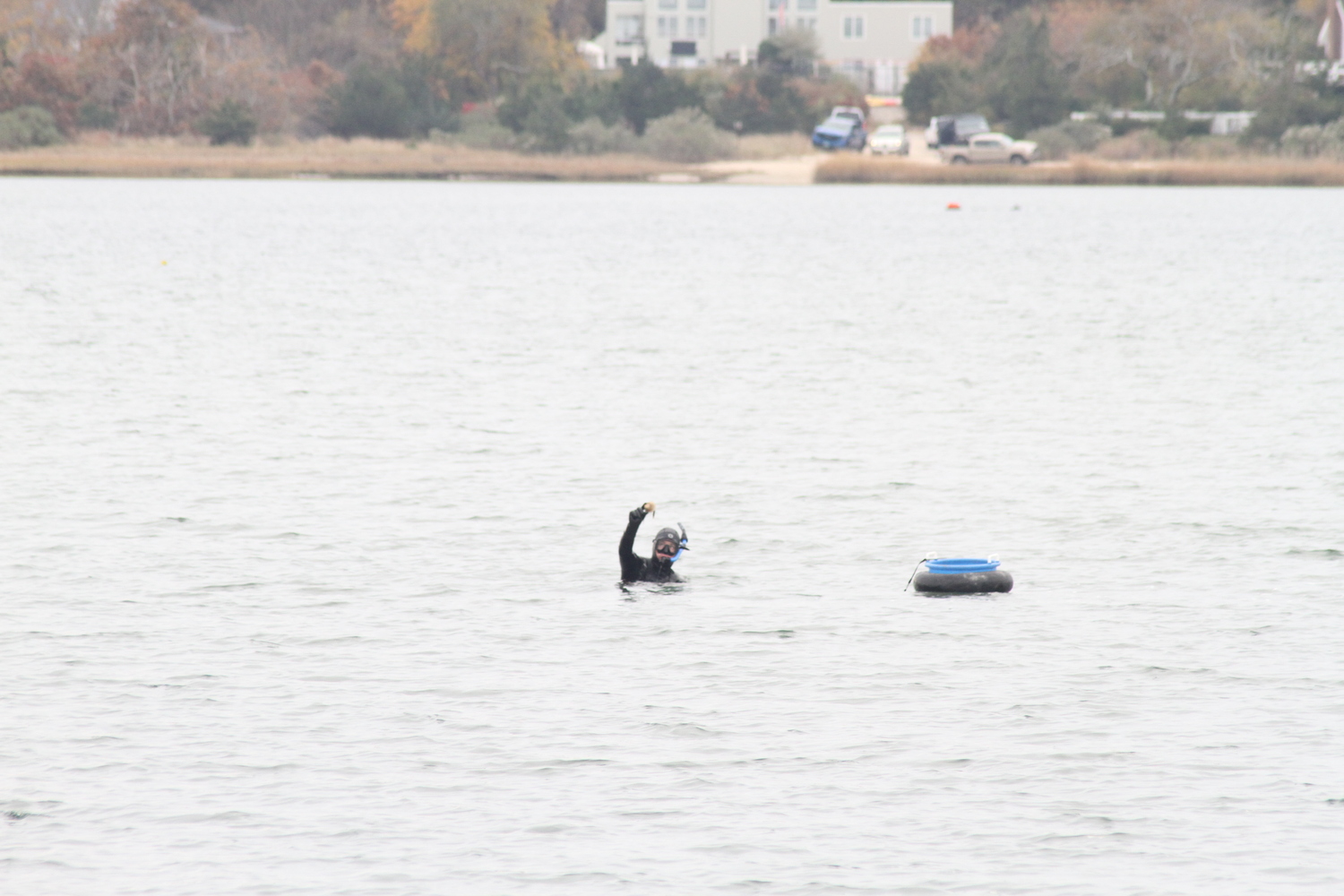
Scalloping in Southampton. MICHAEL WRIGHT
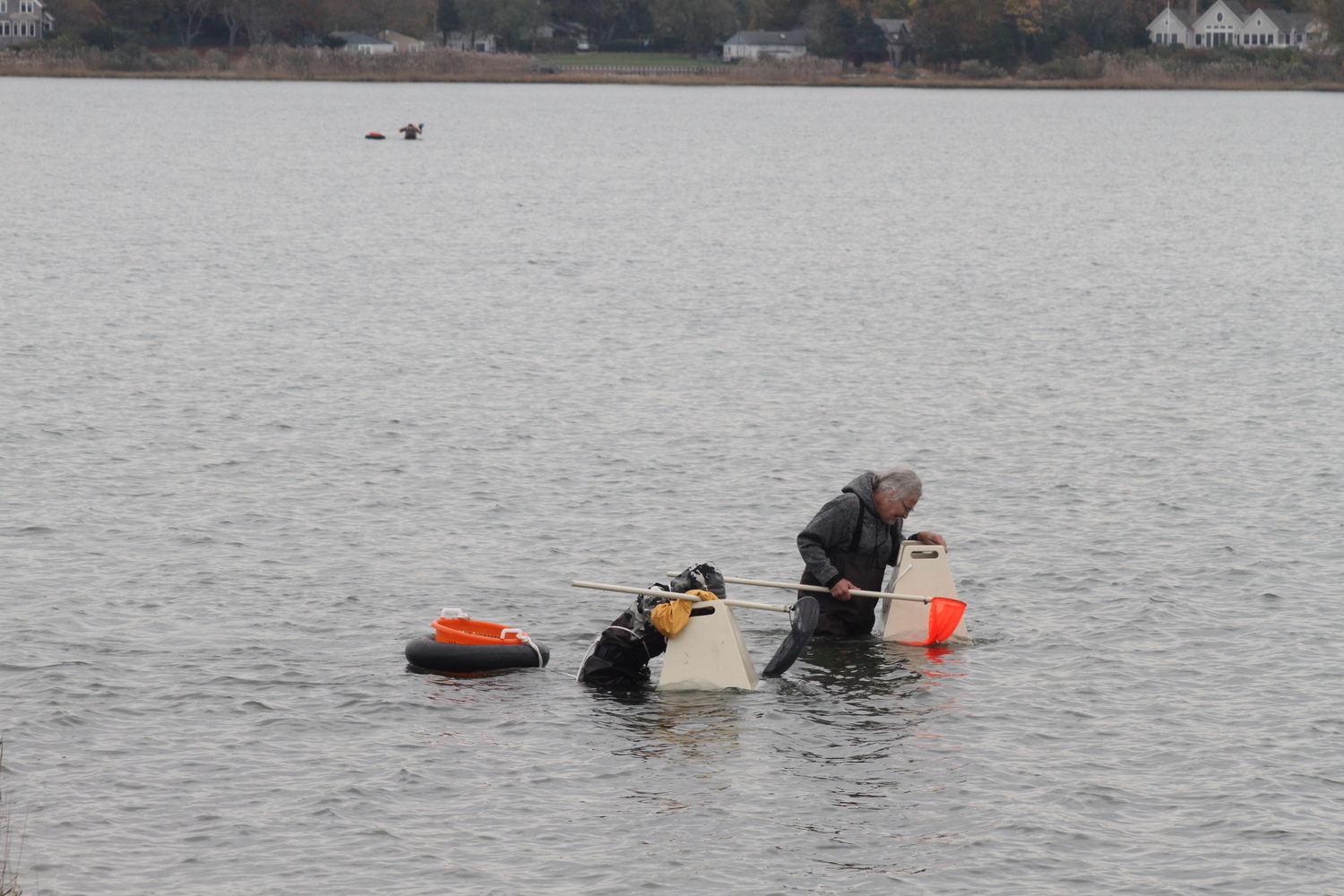
Scalloping in Southampton. MICHAEL WRIGHT
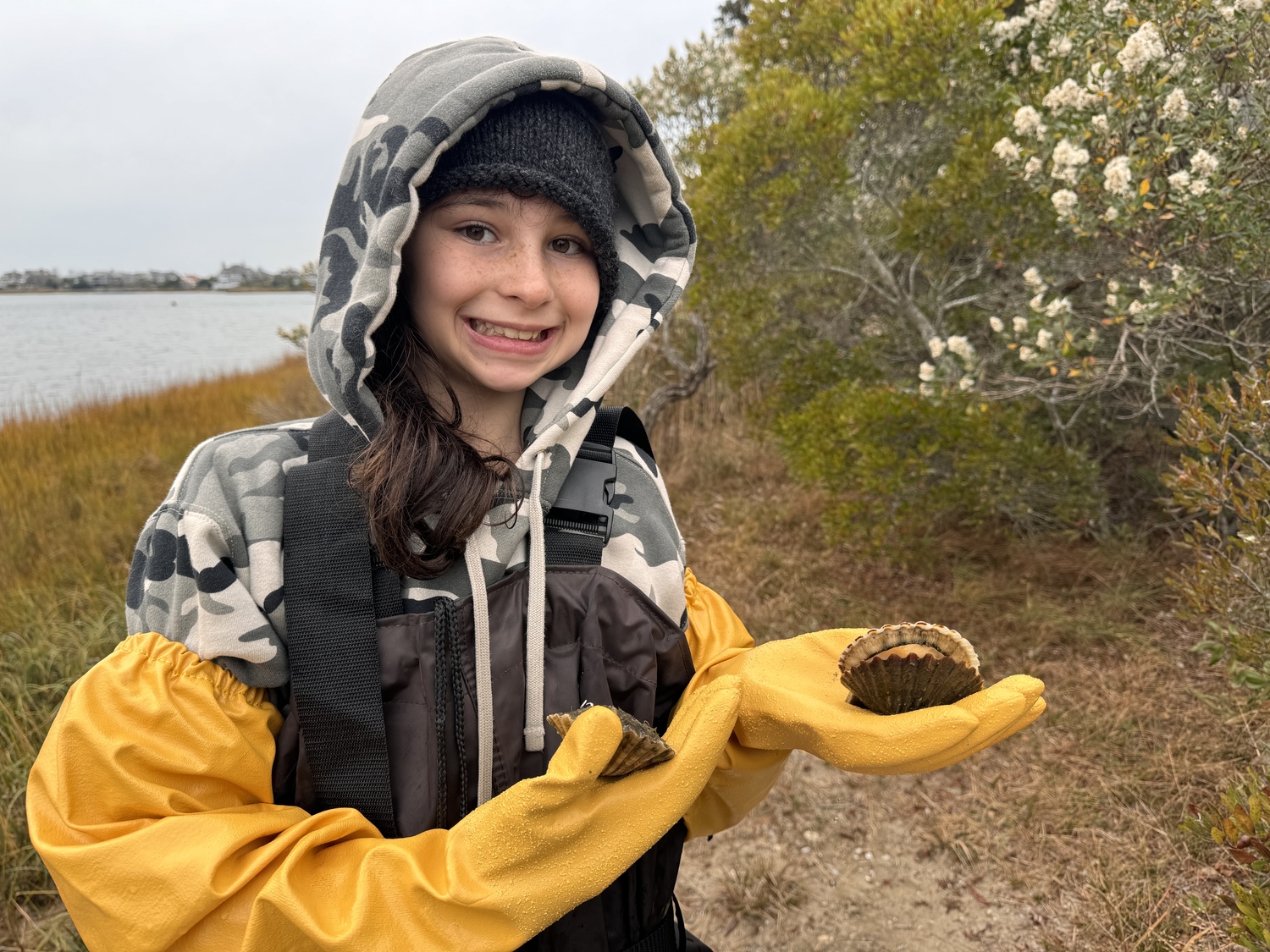
Juliette LaFemina shows off one of the scallops she caught on her first scalloping trip in Southampton on Tuesday. MICHAEL WRIGHT
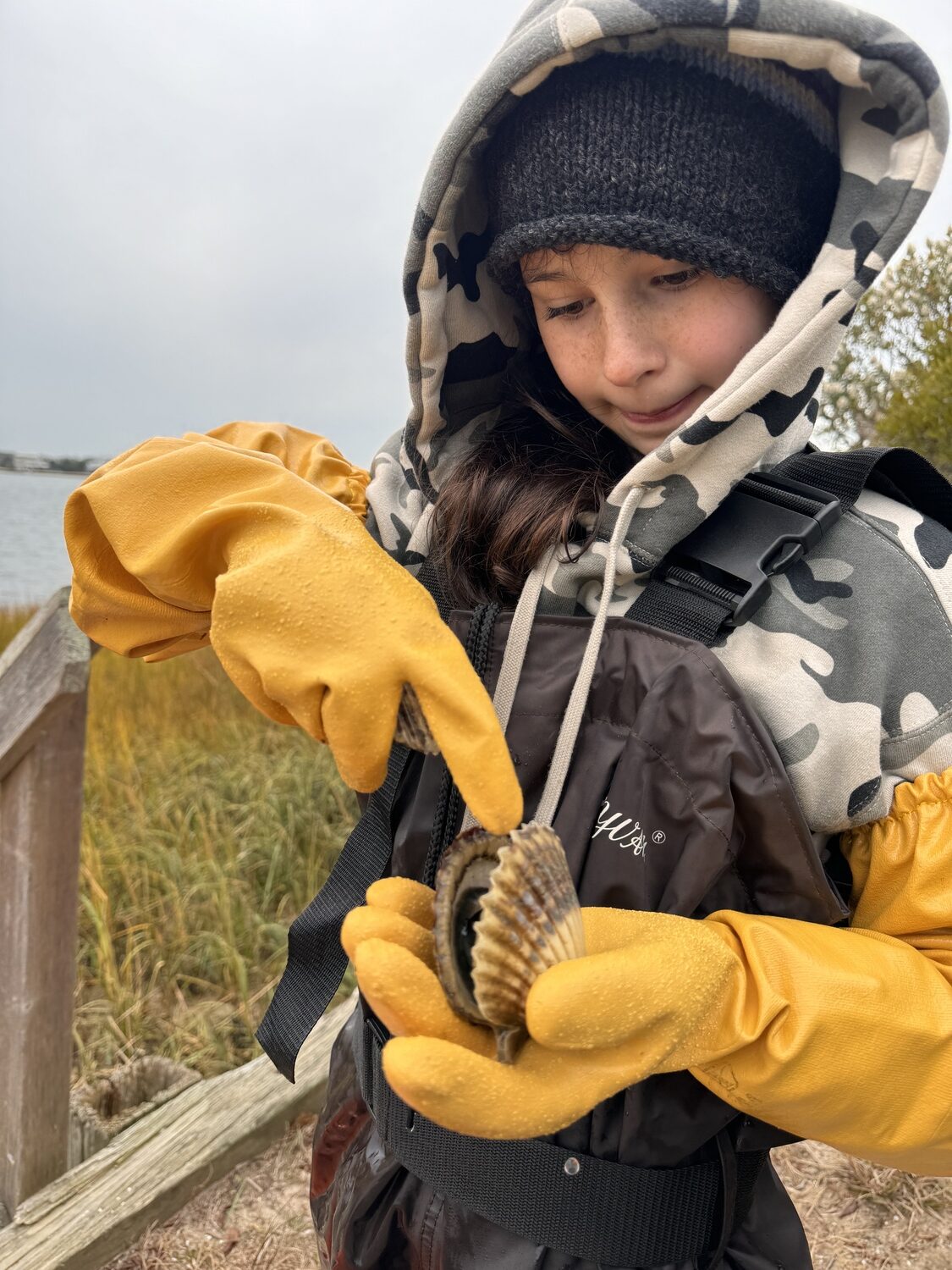
Juliette LaFemina examines one of the Peconic bay scallops she caught on Tuesday. MICHAEL WRIGHT
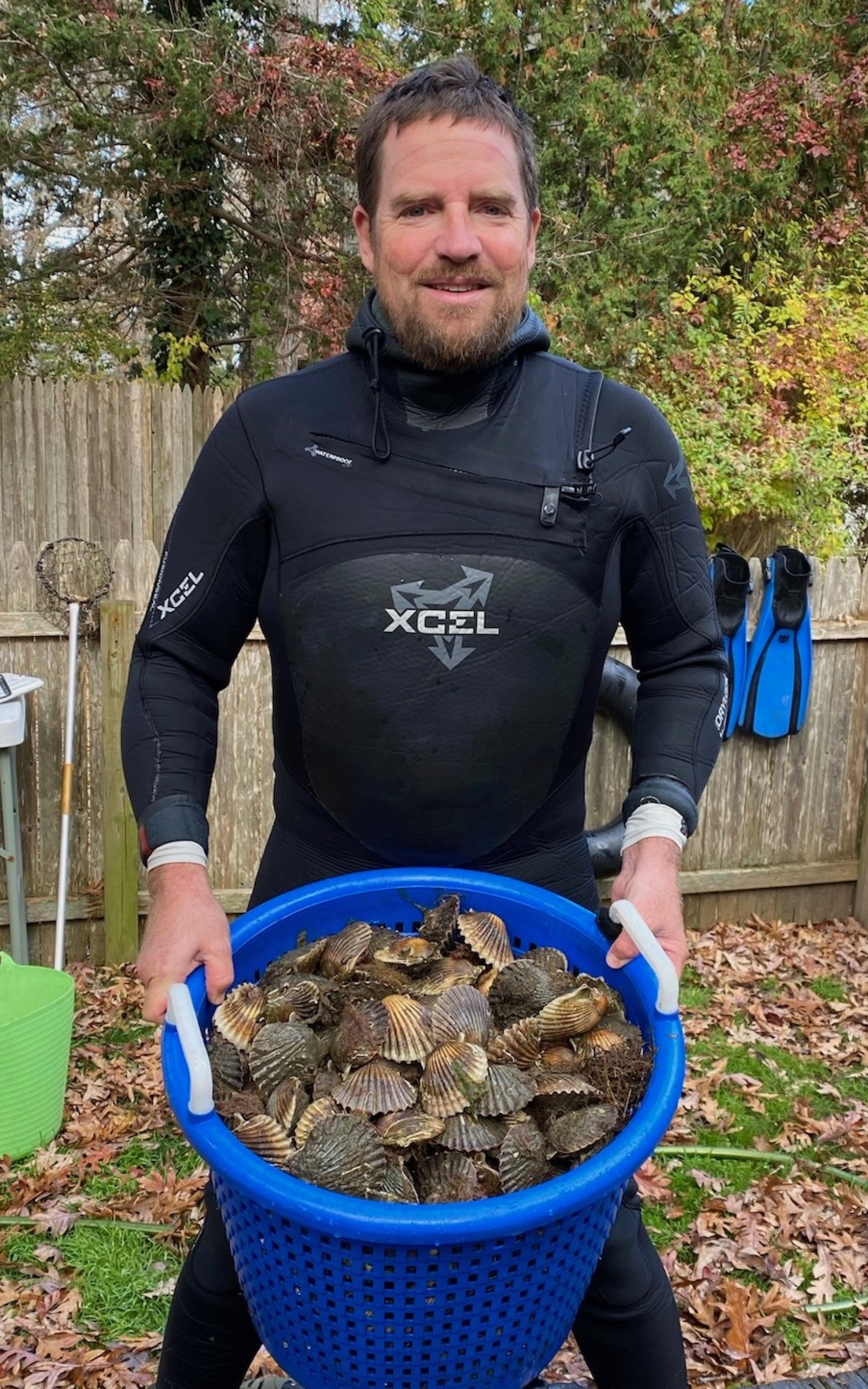
Pete Topping with a bushel of scallops he collected on Monday morning in Southampton.
Over the first few days of this year’s bay scallop harvest, there were some perhaps unexpected bright spots in an otherwise dark outlook for the 2023 season, which began in Southampton Town waters this week and will open in East Hampton Town waters next week.
Despite what researchers say was a fifth straight year of broad die-offs of adult bay scallops in most of the Peconic Bay estuary over the summer, recreational scallopers in some local bays managed to scrape together their legal daily limit of one bushel basket full of the wavy-shelled, 30-eyed mollusks that clap like castanets and harbor a single morsel of tender beige meat coveted by East Enders for centuries.
Among the bright spots were Southampton resident Meredith O’Leary getting her limit in a little less than two hours on Monday morning, Peconic Baykeeper Peter Topping doing the same — and Juliette LaFemina, 10, scooping her first-ever bay scallops off the bottom with an orange butterfly net on Tuesday.
“I was shocked — there were a lot, and not as many people as I had thought,” O’Leary said, while contemplating a second foray on Tuesday. “It was wonderful. I was so excited.”
LaFemina examined one of the scallops she scrounged up using a “lookbox” — a floating wooden box with a glass bottom that allows a wading scalloper to see below the surface — built by her father’s friend, Jim Taylor. Standing on the shore of Cold Spring Pond, Taylor pointed out the line of sparkling blue eyes that rim both the top and bottom of a bay scallop’s shell.
“The eyes are so pretty,” LaFemina said as she stuck a gloved finger into the shell, wondering if it would hurt if the scallop clasped shut on her.
“There’s some in here, actually,” Taylor said of the small embayment off the Peconics where the trio and others had gathered on Tuesday to continue scrounging — the picking already growing slimmer and requiring longer forays out into the bay. “Some people yesterday got a full bushel, some got half a bushel. But there were none last year, so it’s a positive thing.”
Scalloping is currently open in Southampton Town waters and New York State waters, which includes Northwest Harbor and Orient Harbor. East Hampton Town waters will open for recreational scallopers on Sunday, November 12, and for commercial harvesters the following day.
Barley Dunne, the director of the East Hampton Town Shellfish Hatchery, said that there appear to be some places in East Hampton harboring some scallops, offering some hope for those who may venture out next week.
“August was relatively mild, and I think stuff in East Hampton did better than the past couple of years — so it’s some, but it’s not going to be a lot,” he said while gearing up to collect scallops of his own in Southampton.
Such grasps at positivity and optimism were a faint whimper amid the overall scenario for scallops, which continued on the disastrous trend with large-scale premature mortality that started suddenly in 2019 throughout the Peconic Bay Estuary. Once again this year, researchers say that up to 98 percent of the adult scallops in the estuary died over the summer, leaving some of the most fertile bay bottoms barren of harvestable scallops.
Commercial harvesters, the few who even bothered to go, reported scant findings. For many, the preseason scouting around the most reliable stashes proved too discouraging to bother with.
Professional bayman Dan Lester said he did not bother trying to find scallops in state waters. Montauk bayman Stu Heath said he went on the first day and managed to gather only two bushels — less than half what a commercial bayman is allowed to land in a day.
After being decimated by the infamous “brown tide” algae blooms in the 1980s and 1990s, scallops had rebounded in the 2000s to the point that by 2014 the annual harvest had soared to more than 1 million pounds. Then the 2019 die-off happened — and repeated in 2020, 2021 and 2022 — and the harvests again collapsed to the point that fewer than 50,000 pounds were landed last year.
Scientists have pegged the die-offs to warming waters, a parasite that now infects all scallops and the physically taxing process of spawning in the late spring and early summer.
“We saw scallops in the spring, but we do monthly surveys throughout the summer and by August we were seeing 98 percent decline,” said Harrison Tobi, an aquaculture specialist who heads the Bay Scallop Restoration Project of the Cornell Cooperative Extension Marine Program in Southold.
But the news from the bay bottoms was not all bad, Tobi said. The adult scallops do appear to have had a very good spawn, leaving many of their brood behind to give the species another chance at persevering next summer. And over the last year, researchers who have been scrambling to try to find a way to help scallops stocks rebound have made some discoveries that could help with building resilience in the stock in the coming years.
Since fairly soon after the cause of the die-offs was settled, scientists from Cornell and Stony Brook University have been focusing research on how to use their hatcheries to grow larval bay scallops that will be more resilient to the new realities of the conditions in local bays — essentially speeding up the evolution through natural selection that otherwise might take decades.
One strategy has been to gather up scallops that have survived the stresses of parasites and 80-degree water temps — both in the wild and in laboratories — and use them to breed millions of offspring in the hatcheries that can be released into the bays and will hopefully exhibit the same resilience as their progenitors.
Tobi said that scallops from certain hatchery stocks that have been subject to extreme stresses and survived, have shown high survival rates in control testing in local bay waters as well — giving the scientists hope that they are on the right track.
They’ve also found that scallops spawned in the Cornell hatchery in the fall, rather than in the spring, and then released into the wild had lower parasite infestations and survived the following summer as adults at higher rates.
“Going into spring I was not very hopeful — I was just, like, ‘This sucks, they’re all dying.’ But by this fall I was really excited by what we are seeing,” Tobi said. “I am a very logical person, so I don’t like to use the word hopeful, but this feels like the right time to use it, because with all the doom and gloom of this fishery, I like to think there is light — maybe we can’t see the end of the tunnel yet, but there is light, and I think we are going in the right direction.”


 Michael Wright on Nov 8, 2023