


 7 Photos
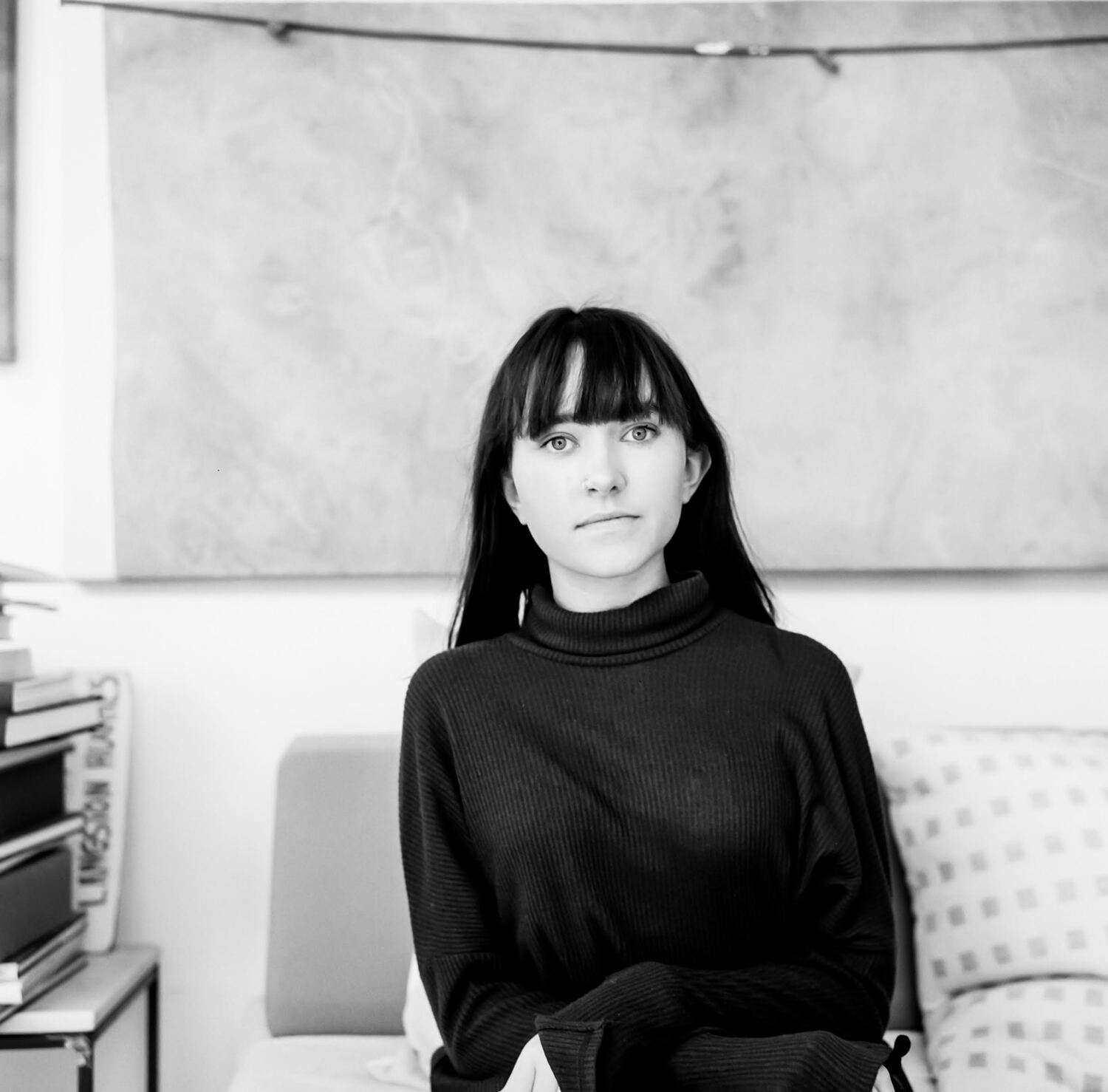
Bridie Raustiala PHILIPPE CHENG
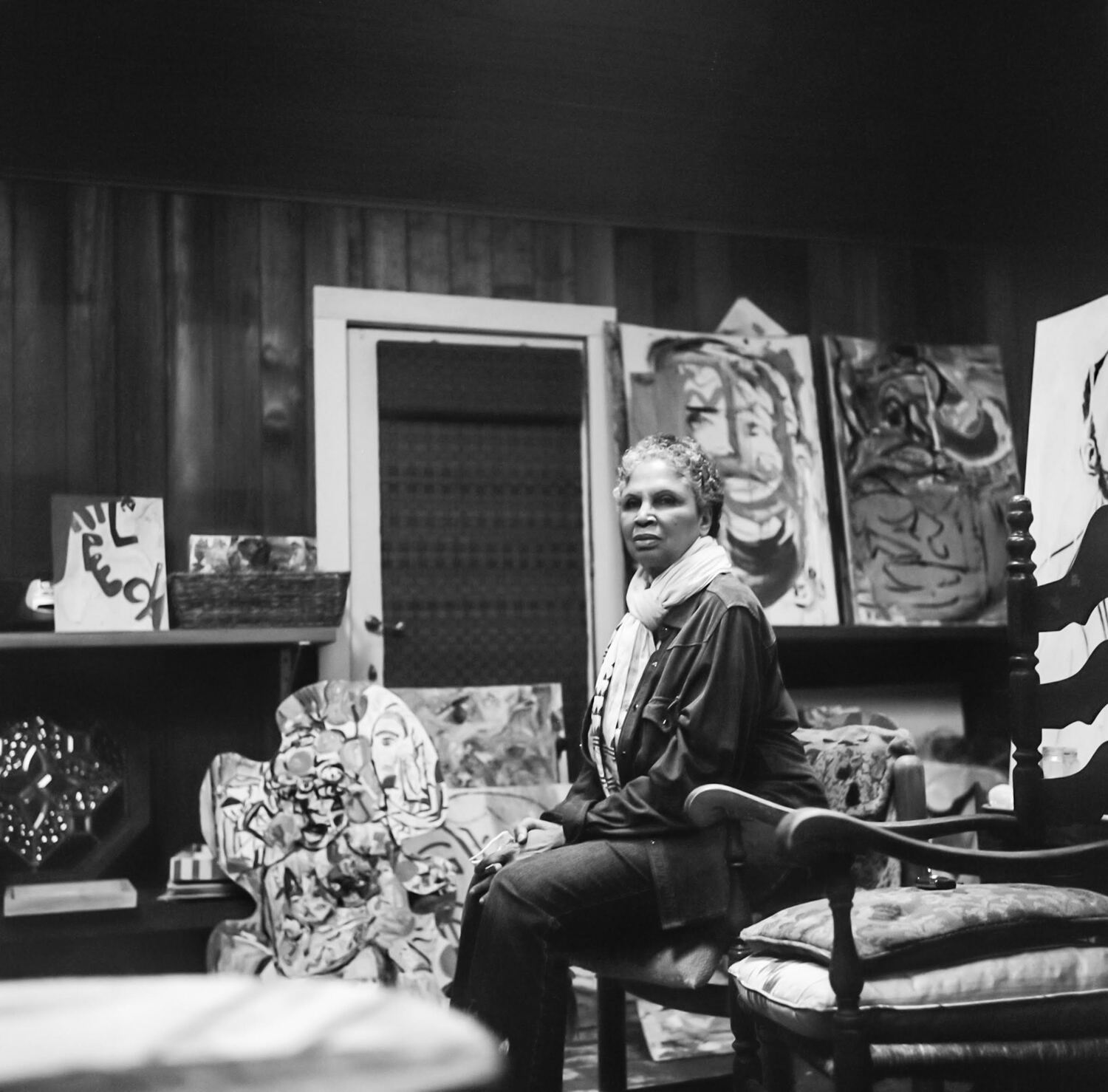
Candance Hill-Montgomery PHILIPPE CHENG
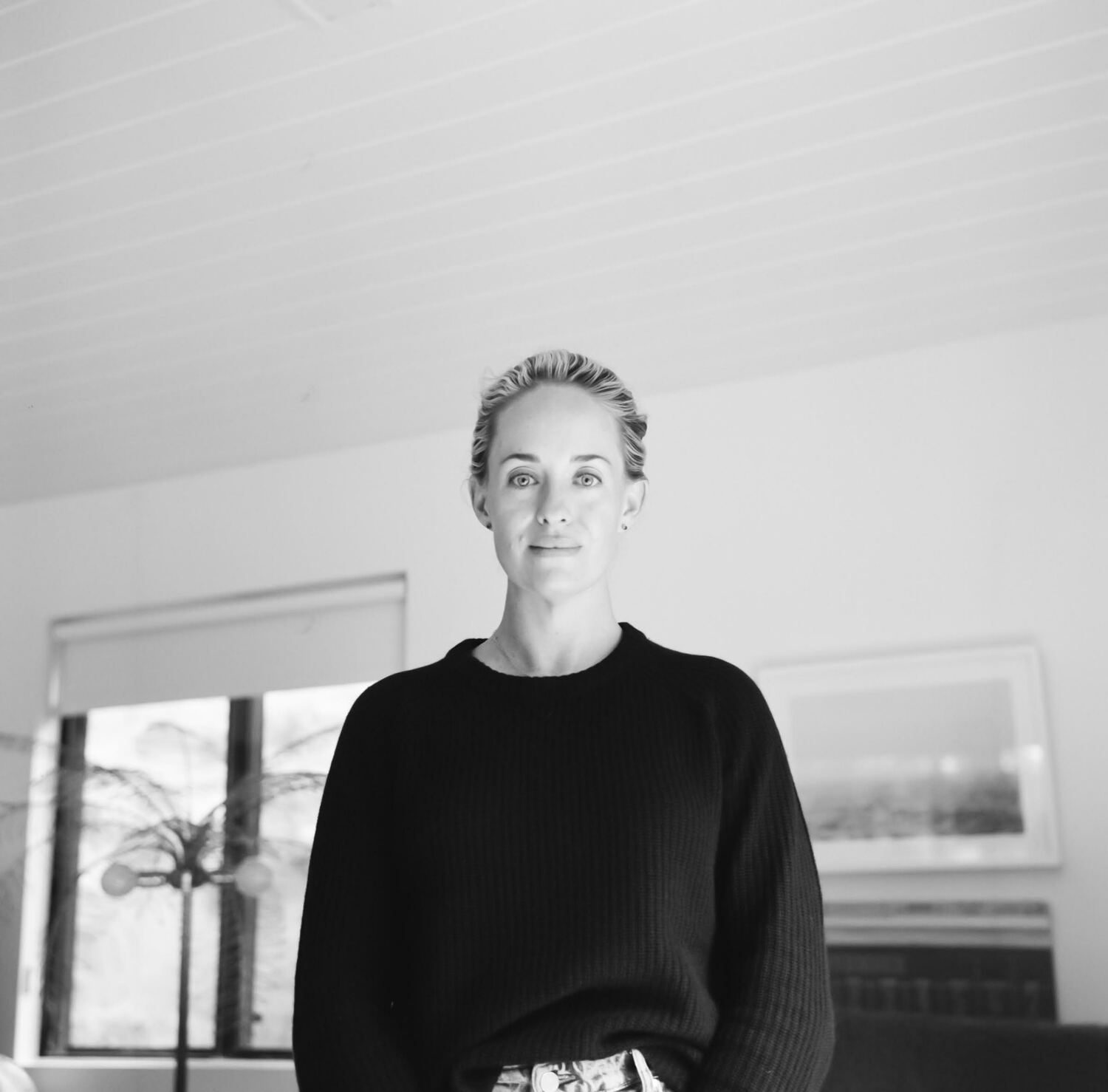
Amanda Fairbanks PHILIPPE CHENG
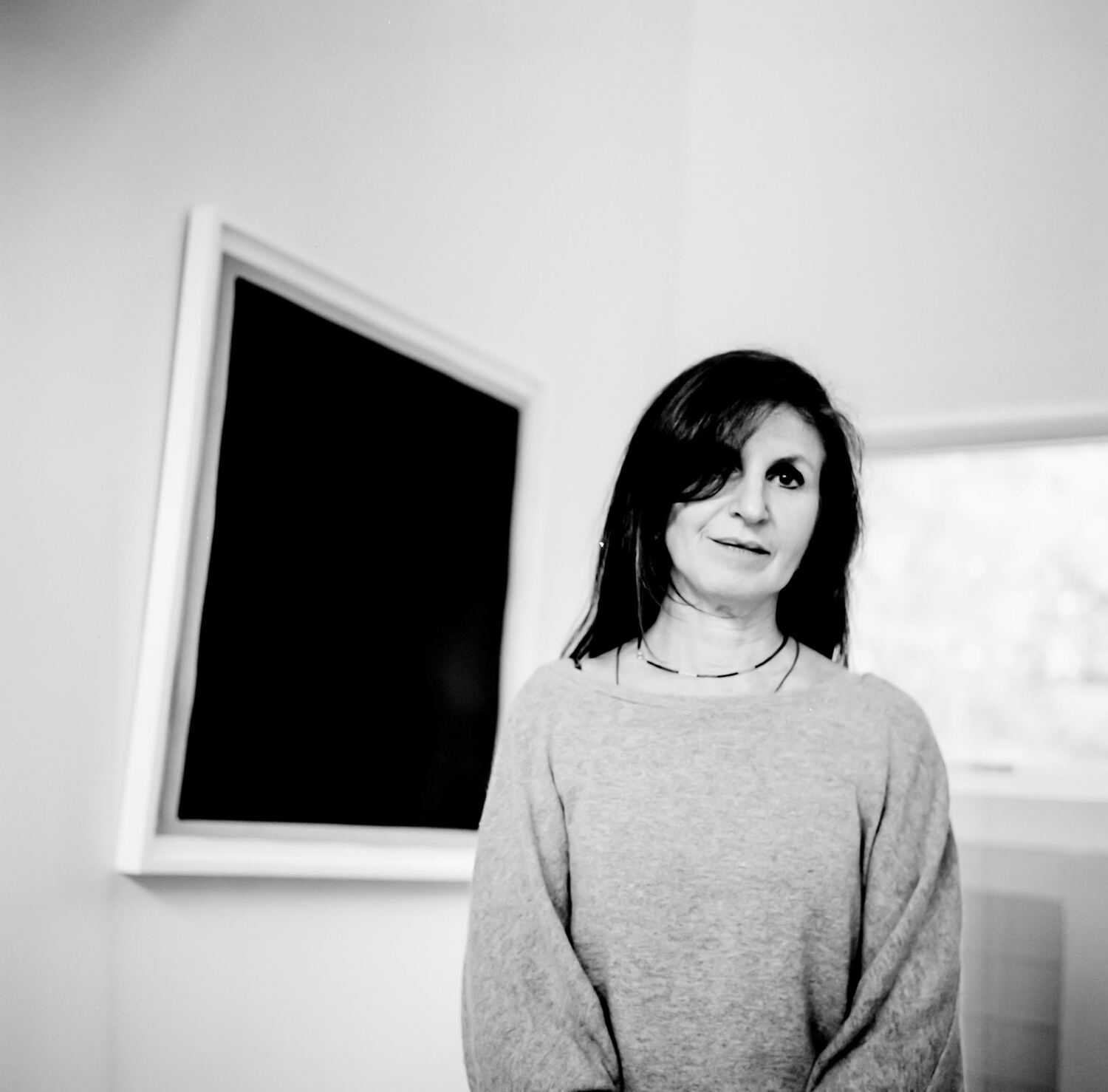
Francine Fleischer PHILIPPE CHENG
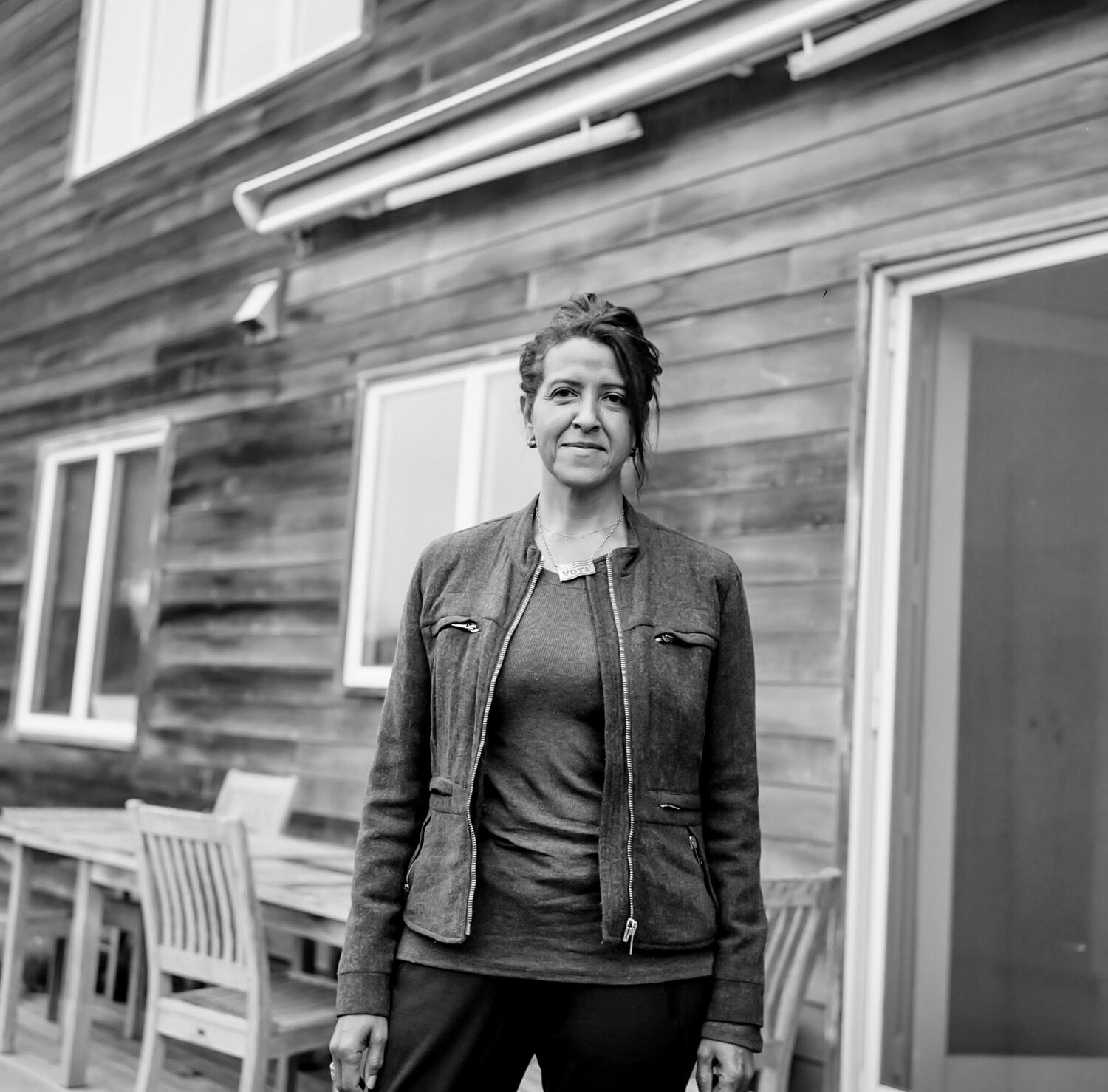
Annette Azan PHILIPPE CHENG
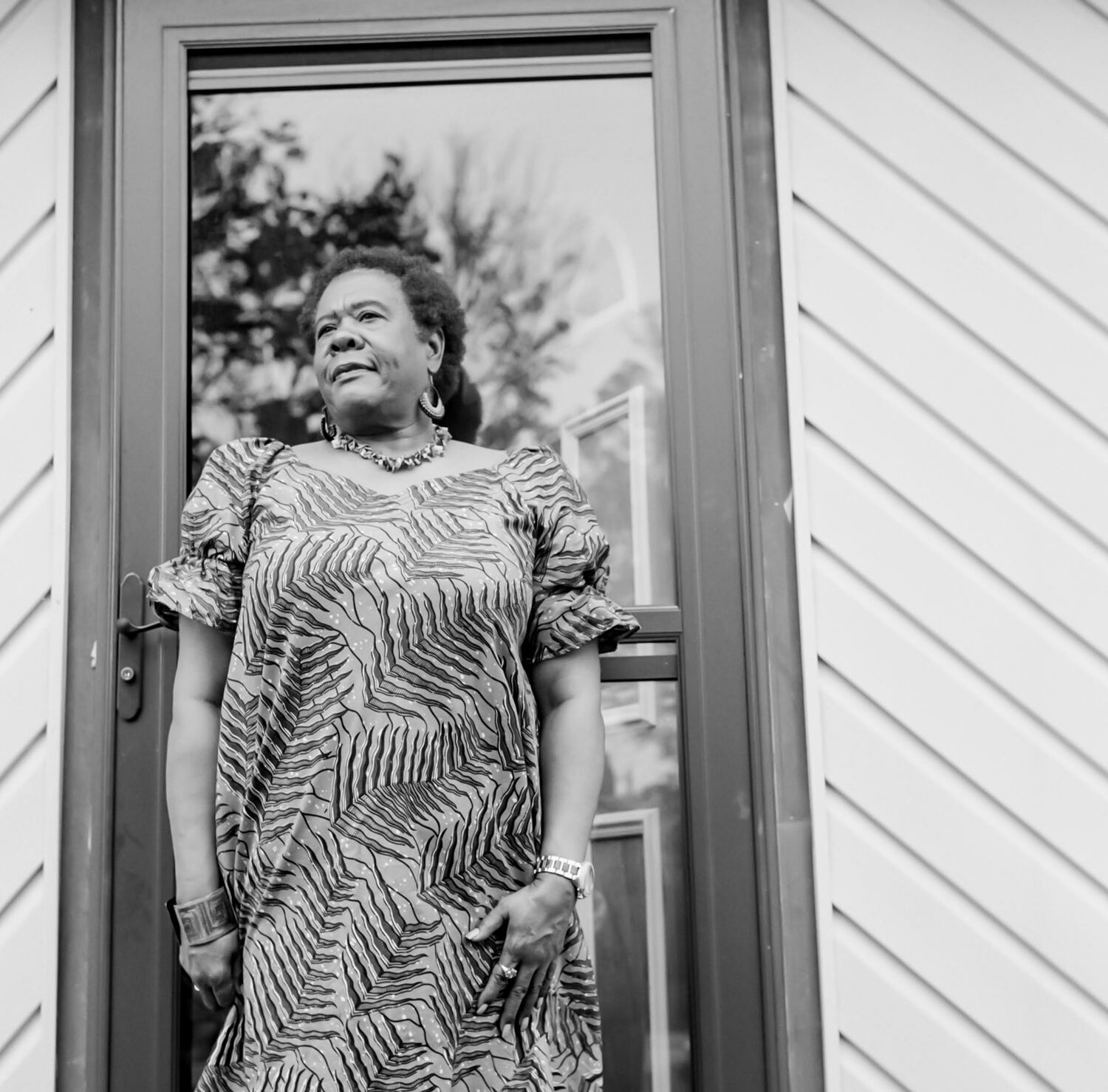
Brenda Simmons PHILIPPE CHENG
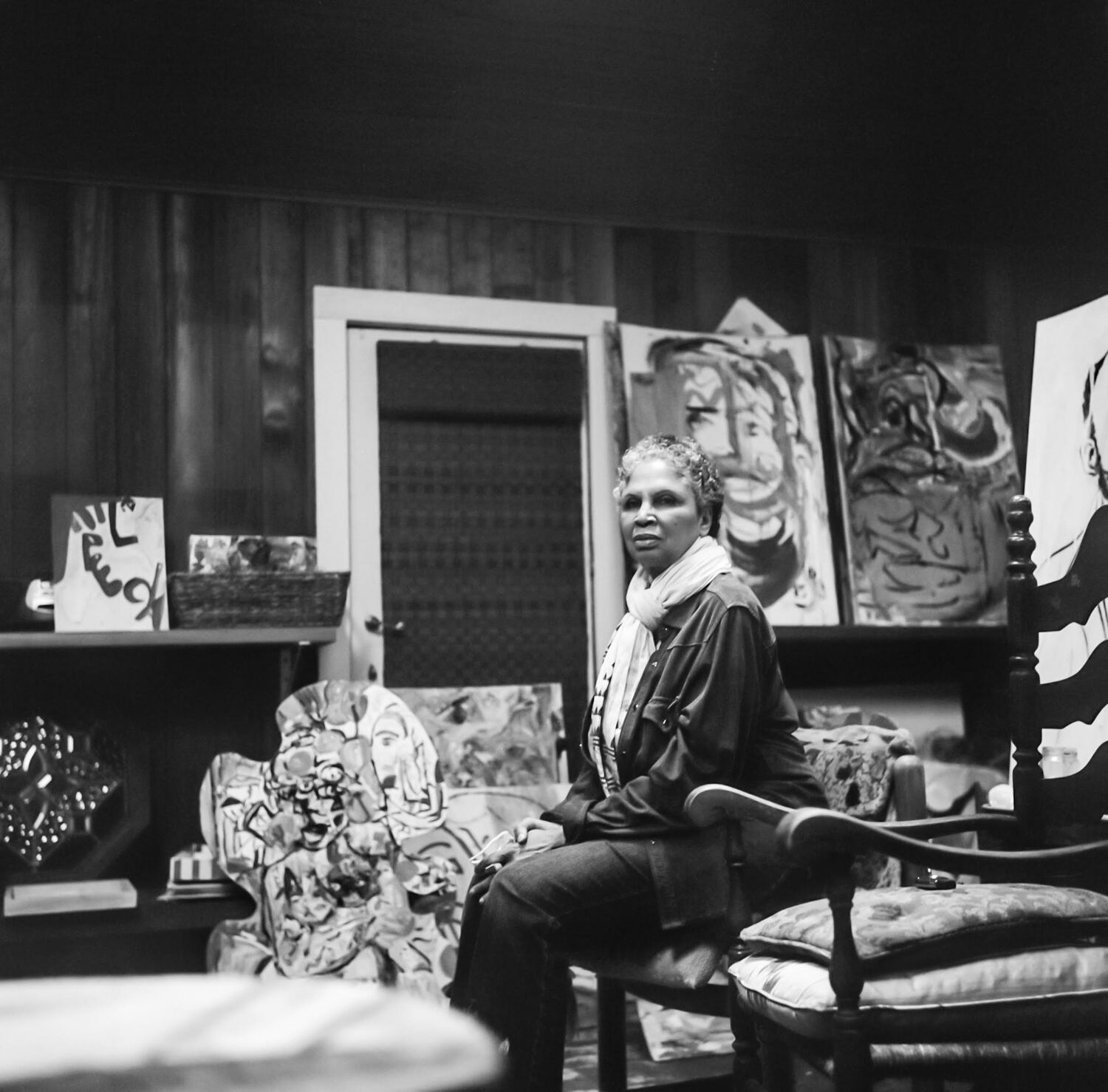
Candace Hill-Montgomery PHILIPPE CHENG
As the 2008 presidential election approached, Phillippe Cheng and some friends found themselves fundamentally opposed to the message of Republican vice presidential candidate Sarah Palin, who said her brand of right-wing politics could represent all American women.
Cheng, along with his wife, the artist Bastienne Schmidt, the poet and New York University professor Kathy Engel, and restaurateur and artist Toni Ross, “decided to make a shout back at her that we would post on YouTube, letting her know you don’t speak for this community,” Cheng said this week.
They sent out an email to 30 women they knew, asking them to come to a field in Sagaponack that weekend, where they would gather for a short video.
But by the time the video shoot was set up, the ranks of women who wanted to be included had grown to 350.
The group was filmed, and a handful of women who appeared that day were the subject of short 10-minute interviews.
Their statements ranged from the fearful to the hopeful as they discussed the upcoming election, with more than a few offering prescient takes on the current political climate.
“In editing that piece, it became clear that something else was there,” Cheng said. “It was a tight crop. You could see the women’s faces very clearly, but beyond the words, there was an emotionality there. So it became an imperative to interview as many of those women as possible in the 10 days leading up to the election.”
By Election Day 2008, when Barack Obama was elected the nation’s first Black president, 175 women had been interviewed.
Filming in the days immediately before the election added to the dramatic tension of the film, he said.
“The authenticity of the women, and the power of their authenticity, is a remarkable testament to their humanity, intelligence and beauty,” Cheng said.
But the project, “The Sea We Wade,” was never finished, and life intervened.
Although he skipped the election in 2016 when, via the Electoral College tally, Donald Trump edged out Hillary Clinton, the first woman to be nominated for president, Cheng, now working solo, picked up his video camera once again in 2020 during the COVID-19 pandemic.
“I thought about doing something at LTV,” Cheng said of that project, “but it really wasn’t safe at that time, so I decided to go house to house.”
In the buildup to the 2020 vote, Cheng interviewed 75 women, including some of those who were subjects in the 2008 video.
Again, the project, which for now has been boiled down to a short film showing women from all walks of life removing the masks they wore during the pandemic, was set aside.
Now, with yet another consequential election coming up next month when Vice President Kamala Harris will be the first Black woman to be a party’s standard-bearer, Cheng plans to once again film interviews with local women with the goal of creating both archival documents of each of the three elections that perhaps could go to the Library of Congress or the Obama Library, and what he describes as “a civic and political lyric poem in the form of a film.”
“I deeply believe in honoring the women’s voices that are here,” he said. “It’s our community. For me, in some ways, they are the soul of our community.”
Cheng, a photographer by profession, said he was inspired by Andy Warhol’s “Screen Tests,” NPR’s “Story Corps” and its ability to get to the heart of deeply personal relationships in a few short minutes, and the late Studs Terkel’s ability to interview people from all walks of life and reveal the stories they have to tell.
“I feel like a vessel,” Cheng said. “It’s not my story. It’s somebody else’s story that I’m trying to tell, and I deeply feel it’s not about me. I’m just the collector.”
Time, though, is running short, with the election less than a month away, and Cheng is working to organize his shooting schedule and seek funding to carry the project over the finish line.
“When you do these things, they become imperatives, and you don’t think about the labor and all the other things involved,” he said.
After the election, Cheng said he would take time to edit the film and work on a narration. He has an idea about who he would like to narrate the work, but as he hasn’t even approached her yet, he was unwilling to mention her by name.
“I need the time to sculpt it together,” he said of the project. “The one thing I don’t want to do is a newscast or documentary. I’m much more interested in doing something that’s more abstract and lets the faces and words tell the story, not me.”
Cheng said that the project has been ongoing for so long that some of the women who were interviewed in 2008 have died, and others have forgotten being interviewed. While he would be happy to interview some of the same people, he said he was encouraging anyone who is interested to sign up at his website, butterlaneproductions.com. The contact email is info@butterlaneproductions.com.
“I’m very confident that their voices and faces will tell the story,” he said.


 Stephen J. Kotz on Oct 8, 2024