


 7 Photos

Community members discuss feeback they will submit on the school's space. KELLY ZEGERS

Lt. Col Robert Siebelts talks to students at the Remsenburg-Speonk Elementary School about life as part of the ANG's 106th Rescue Wing. BY ERIN MCKINLEY

Southampton High School hosted 32 students from Spain this week, who attended classes and lived with host families. ALYSSA MELILLO SONY DSC

Back in the classroom, students decide which kinds flowers they want to purchase and grow. KELLY ZEGERS SONY DSC
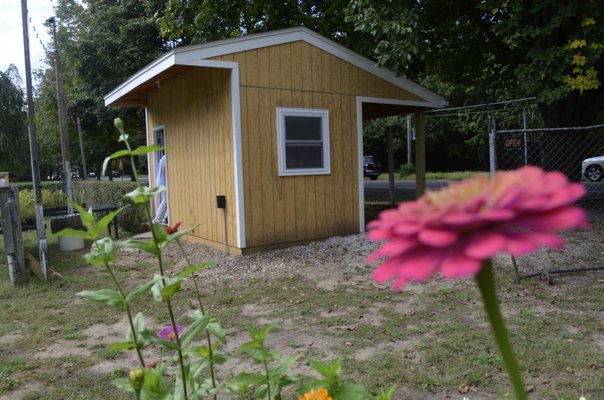
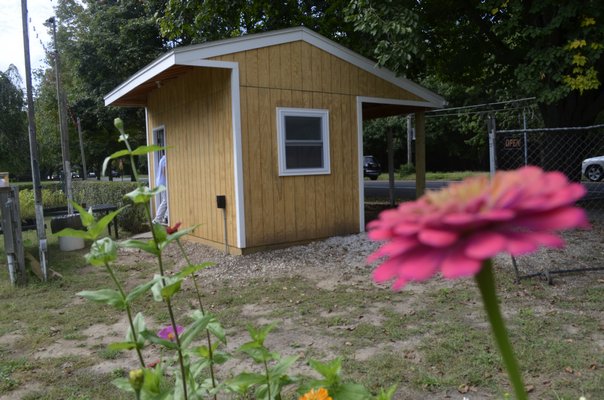
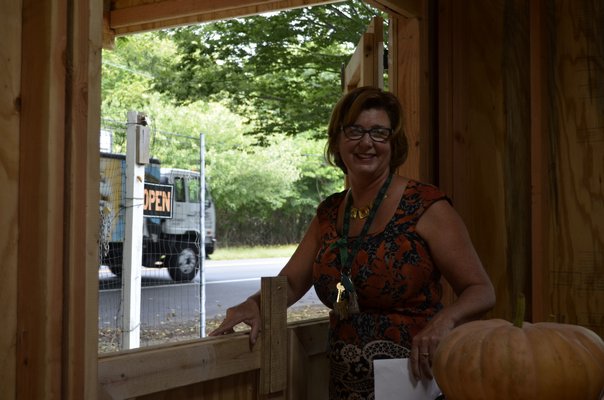
A new farm stand, dubbed “Sprouts,” is in full swing along with a new year at the Bridgehampton School.Students are learning firsthand what it takes to run an agribusiness through a blend of agriculture, business management and accounting centered around the farm stand. Over the course of a class period every other day that lasts 38 minutes, they might work outside and get their hands dirty, or they might stay inside and learn how to create a business plan.
“I realized if we’re going to teach this and tell students that they have a future in this, they have to be able to monetize this in some way, shape or form,” said Judiann Carmack-Fayyaz, a technology and environmental design teacher. “I just thought out here people are pretty entrepreneurial in general and that this would be an opportunity for them to learn, ‘Look, you can make a business out of these things. You can start from nothing.’”
The idea stemmed from a school garden movement that focuses on reconnecting people with food and nature, Ms. Carmack-Fayyaz said.
The Hampton Classic organization offered the school a free, three-year lease for the part of the property closest to the school, while Paddlers for Humanity offered $3,000 to pay a full year’s rent for the other side, which is owned by the Babinski family. The site used to be home to the Small Potato Farm Stand, which closed earlier this year.
In its place is a new farm stand, and behind that a vegetable patch. On an adjacent lot, rows of flowers grew tall since the summer, some as tall as a few of the students who cared for them. They started selling bouquets, with flowers in the sunset shades of pink and orange, to the school’s faculty during the first week of classes, selling about 13 bouquets at $10 apiece.
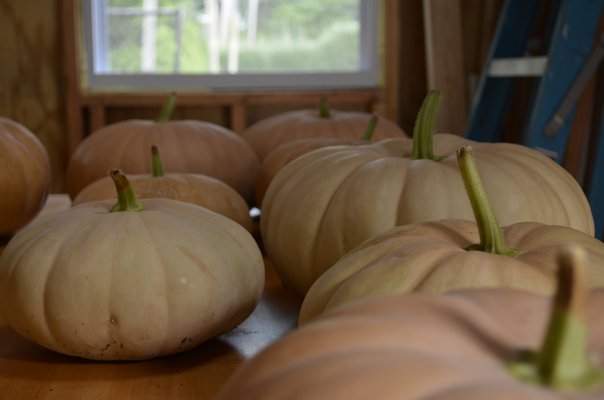
Over the summer, students also planted a “three sisters” crop—corn, beans and the Long Island cheese pumpkin—some of which they found are not so easy to grow.
“The three sisters really comes into fruition in the second year anyway, because the corn doesn’t really grow until the beans add the nitrogen to the soil after they die, so it should be better next year,” said Jonny DeGroot, a junior and field manager for the business, showing off some of the agricultural science he’s learned.
Students are divided into different groups, not only taking care of crops, but also working the promotional and business side of the farm stand. Junior Montse Udave and sophomore Maria Chavez took photos for posters to spread the word about the bouquets.
“It’s been a whole learning curve because we’re trying to run a business, but we have to learn how to make bouquets,” Ms. Carmack-Fayyaz said.
With just about two weeks until the first frost, the flower crop is expected to end soon, and a botany class that is the foundation of the farm stand will adapt by bringing production into the school’s greenhouse for the winter. There, the students will grow edible flowers they plan to sell to local restaurants.
“To work in the greenhouse is really fun and I think you learn a lot about plants,” said sophomore James Fairchild, who manages production in the greenhouse. “Ms. Fayyaz tries to keep it fun and entertaining, but at the same time you learn a lot about the flowers and how they grow, how to take care of them. There’s a lot of science behind it.”


 Kelly Zegers on Sep 27, 2016