


 3 Photos
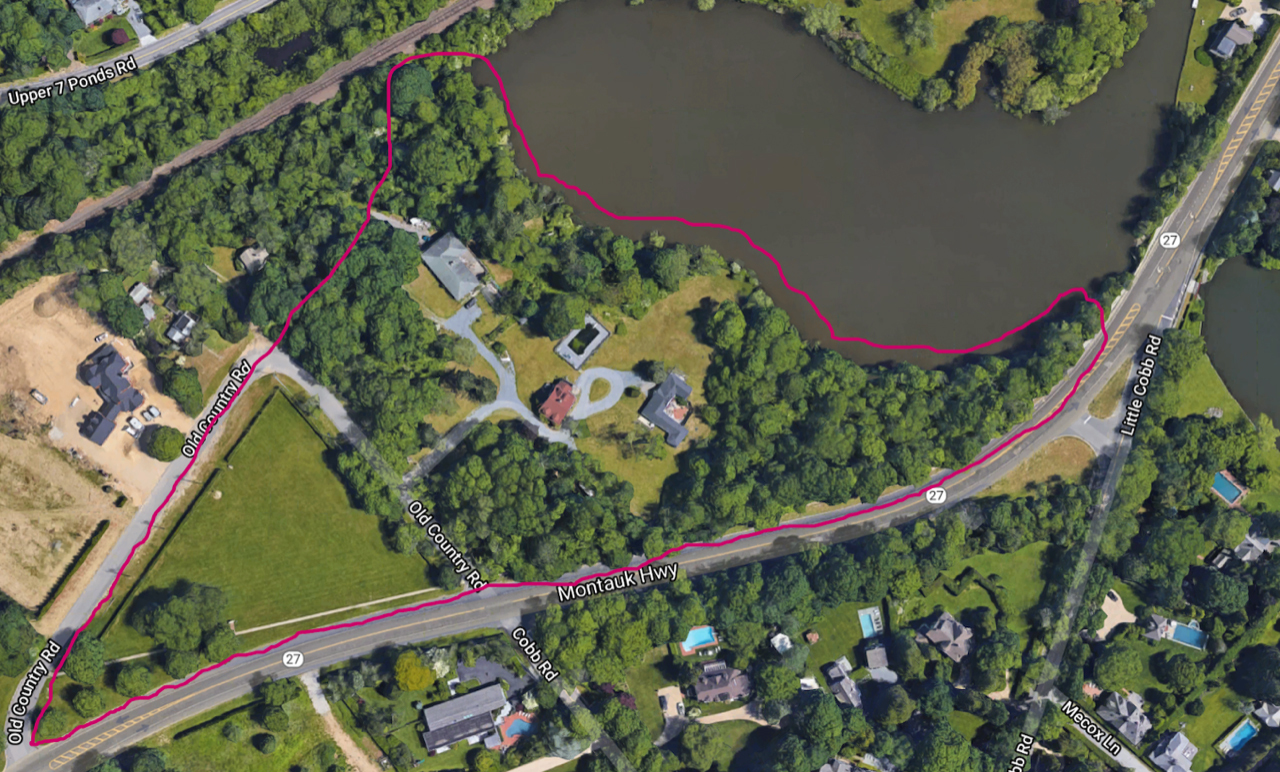
Water Mill community members hope the town will acquire this property for use as a park. COURTESY WATER MILL CAC
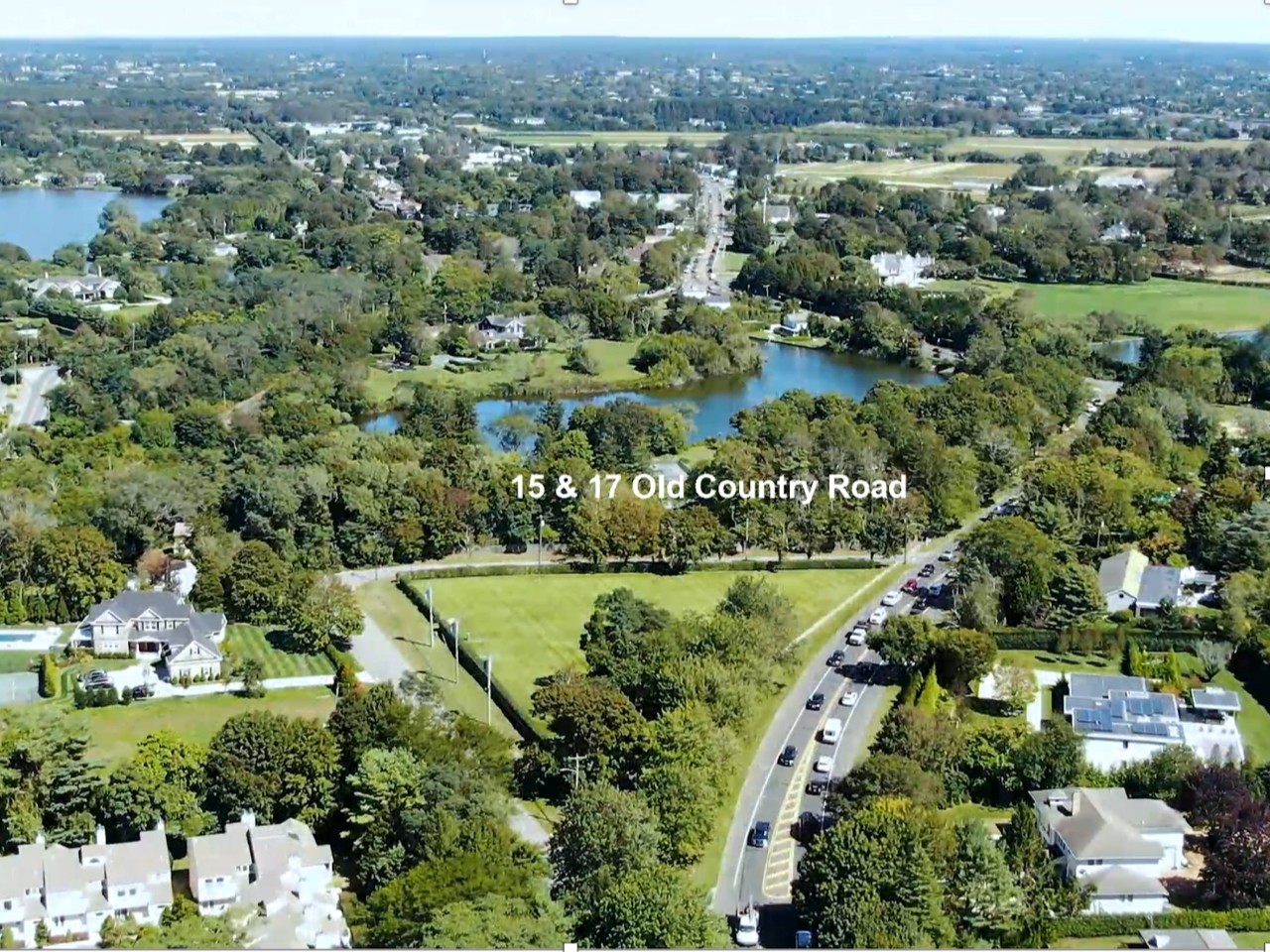
Water Mill community members hope the town will acquire this property for use as a park. COURTESY WATER MILL CAC
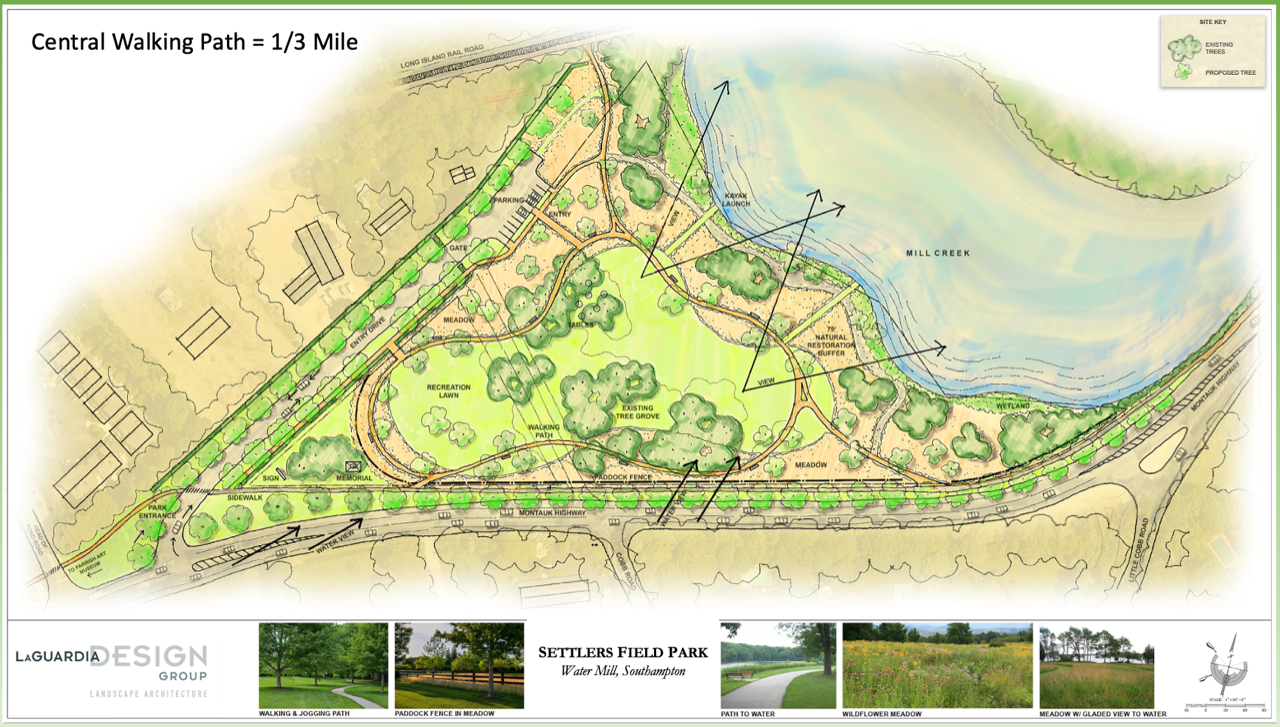
The proposed park would include a walking trail. COURTESY WATER MILL CAC
If it came to fruition, a proposed park would serve as a “gorgeous grand gateway to the eastern end of Southampton,” Steve Abramson of the Water Mill Citizens Advisory Committee told the Southampton Town Board. With endorsement of the CAC, Mr. Abramson proposed the town’s acquisition of the property that would comprise the park during an October 22 work session.
Nestled on the north side of Montauk Highway and bordered by Old Country Road, the targeted 7-acre parcel could combine with the existing triangle green to create an 8.5-acre waterfront park, preserving over 900 feet of frontage on Mill Creek in the Mecox Bay watershed. It could provide public canoe access to the bay and be home to a jogging or walking trail for visitors.
In 2006, the 1.5-acre triangular piece on Old Country Road was dedicated and named Settlers Field. Mr. Abramson reminded the board that a year before the dedication, the town named the hamlet center as a “Heritage Resource Area.”
The triangular piece was acquired through a partnership that saw the town provide 80 percent of the funding for the purchase and private citizens providing the balance. Tim Maran, who lived on Cobb Road for 67 years, said that back in the 1950s, when the town looked to create a Little League, the triangle was Water Mill’s first little league field, created by parents and farmers.“We built our own backstop.” Mr. Maran said, “and broke a few windshields.”
Providing a synopsis of the quasi-public assets in Water Mill, Mr. Maran explained that three organizations oversee the care and maintenance of the green where the windmill stands, the war memorial, the Water Mill Community House and Water Mill recreational fields.
Back in the 1930s, the nuns at Villa Maria, who were the original owners of the village green, wanted to donate it to the town as the depression was underway. The town didn’t want it, Mr. Maran said, and a group of residents created the Water Mill Village Improvement Association, which received ownership of the green, windmill, war memorial, and flag pole.
Several families, including his parents, combined resources to buy the community fields during the 1960s, Mr. Maran said. They were given to the Water Mill Community Club to manage.
The Water Mill Community House was built as a church in late 1800s, Mr. Maran said. In the 1920s, it became a grange hall. The Water Mill Community Club took the building over in the 1980s, opening it up to public organizations, like the CAC, for meetings.
Before the Settlers Field partnership, the community purchased and maintained its own historic resources. Even then, the triangle was cleared and landscaped with private funds from local families.
To purchase the land supporters of the new park desire, the town would need to step in with Community Preservation Fund monies. While no asking price was mentioned during the meeting, real estate online resources list the property at between $6.5 million and $6.9 million.
There are three houses on the land that would have to be razed, since the CPF is a fund dedicated for the purchase of open space, farmland, and historic properties.
In listing public amenities paid for and maintained by Water Mill community members, Mr. Maran and Mr. Abramson also made the point that while the hamlet’s property owners within its park district are taxed for the cost of the community’s parks, everyone in the public can enjoy them. The same would hold true if the town purchased the parcel with CPF money, Mr. Abramson said.
Mr. Abramson showed a slide that compared revenue generated in Water Mill to CPF expenditures in the hamlet. Since the inception of the program, 10.8 percent of the town’s total revenue was derived in Water Mill, with 7.5 percent of it returning to the hamlet in land acquisition. Adding in Bridgehampton and Sagaponack, Mr. Abramson noted that one third of all CPF has been paid by community members that would ride by the park every day.
Lisa Kombrink, the town’s CPF manager, confirmed the property was for sale and had been brought to the town’s CPF advisory committee for review. She said more could be discussed during an executive session. Members of the Town Board remained mum during the presentation, neither offering support or opposition to the idea.


