


 5 Photos
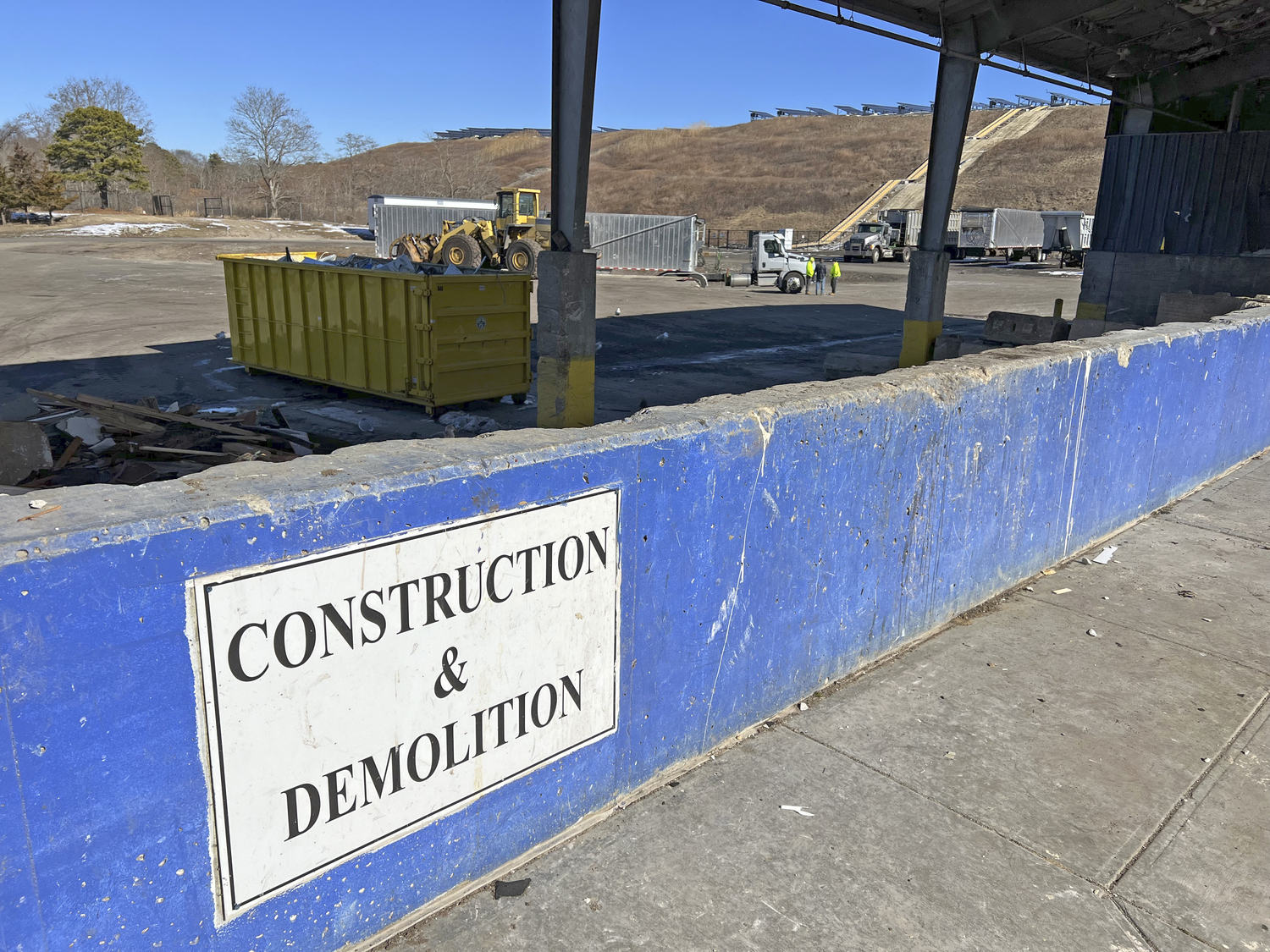
Self-hauled construction and demolition debris is accepted at the North Sea Transfer station in Southampton. DANA SHAW
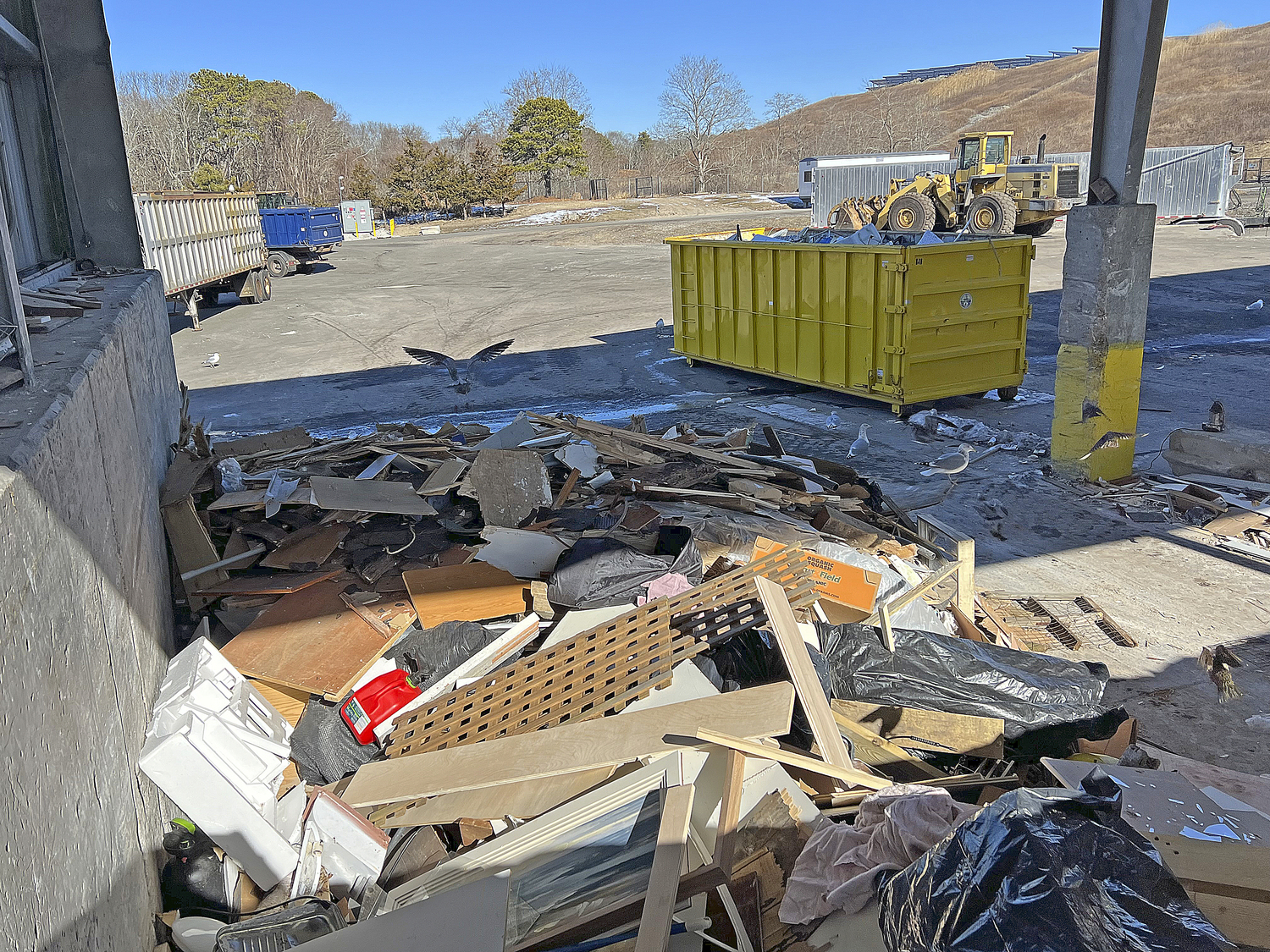
Self-hauled construction and demolition debris is accepted at the North Sea Transfer station in Southampton. DANA SHAW
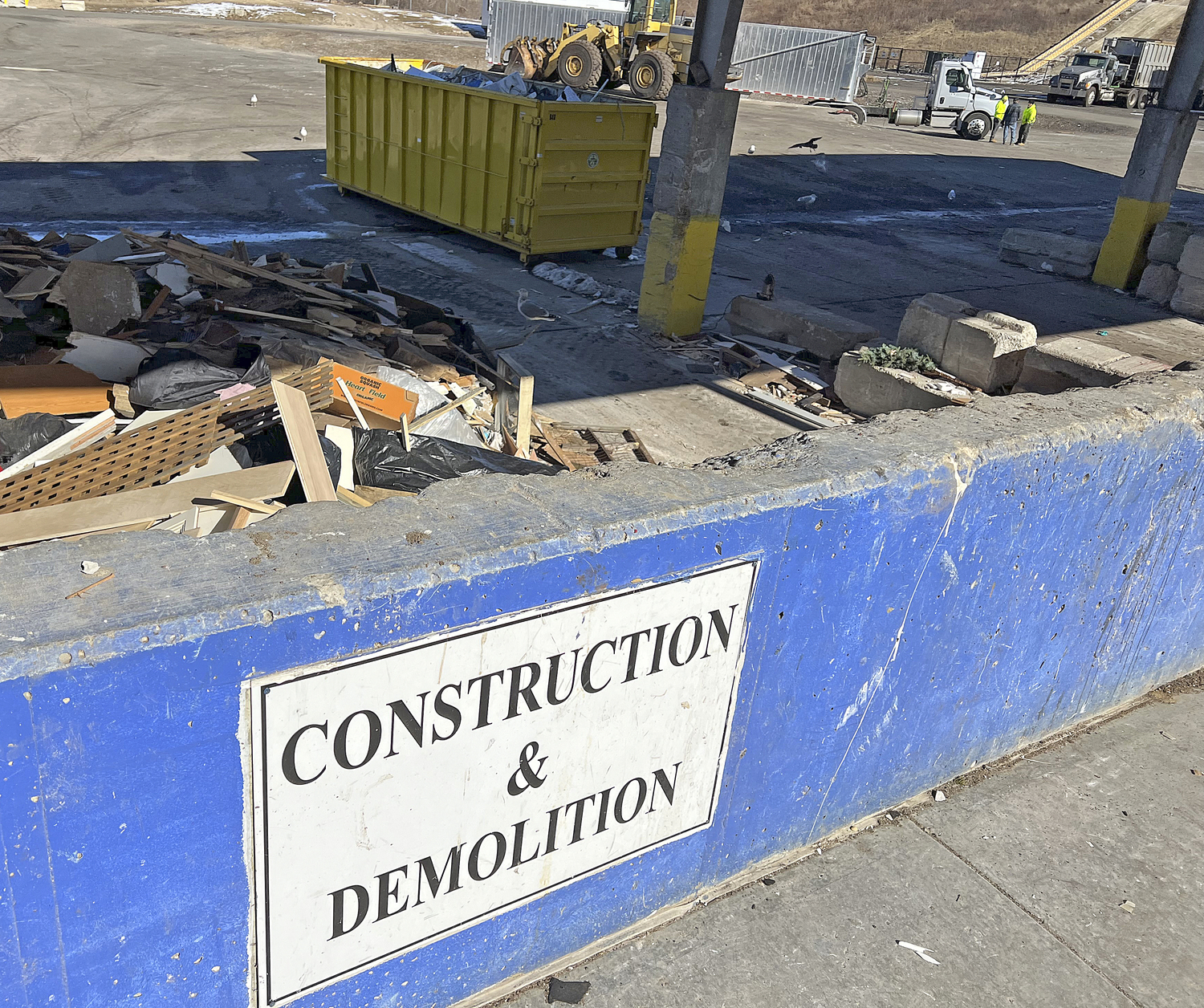
Self-hauled construction and demolition debris is accepted at the North Sea Transfer station in Southampton. DANA SHAW
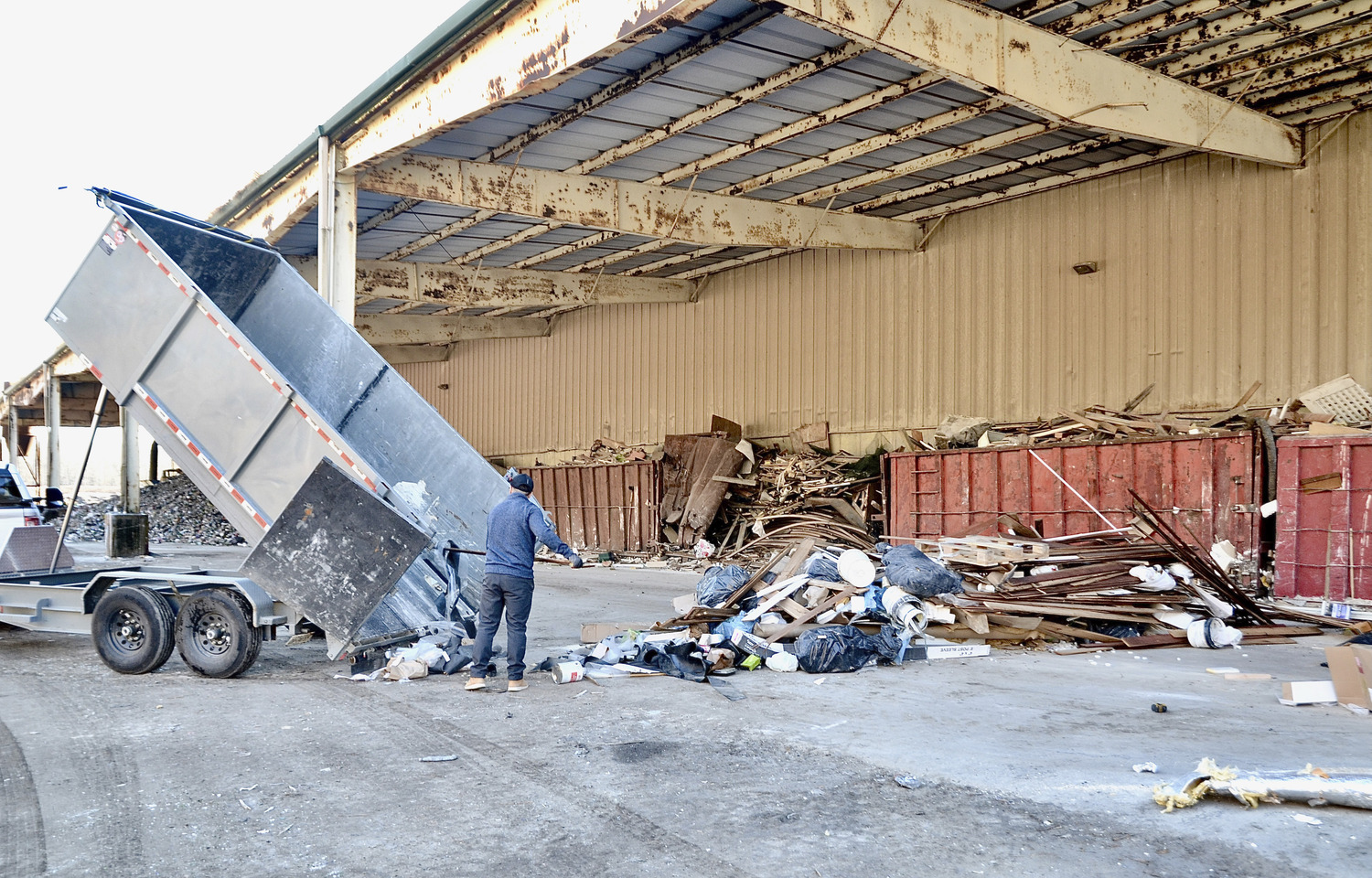
The East Hampton Recycling Center on Springs Fireplace Road handles construction and demolition debris. KYRIL BROMLEY
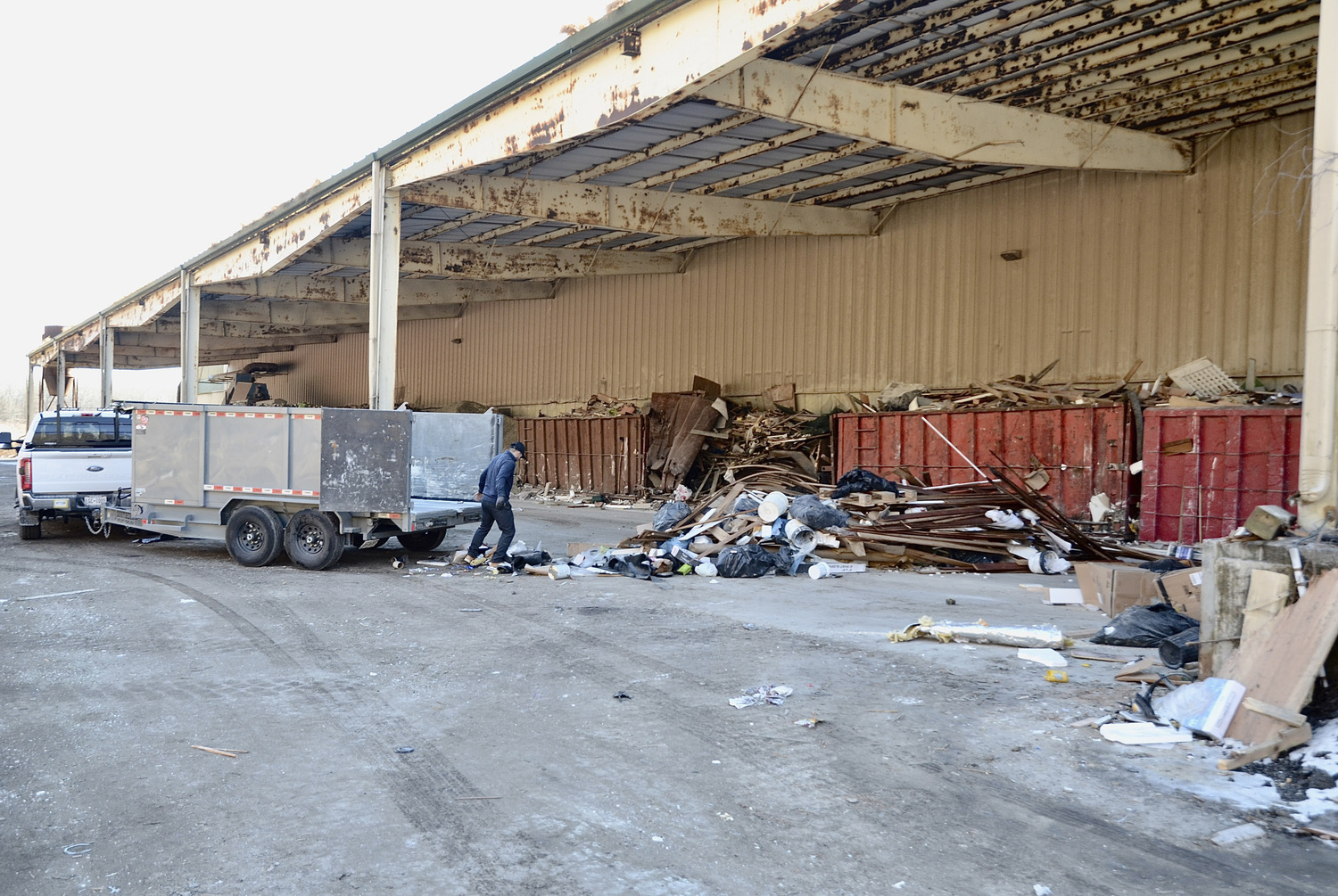
The East Hampton Recycling Center on Springs Fireplace Road handles construction and demolition debris. KYRIL BROMLEY
Starting this year, the Brookhaven Town landfill will no longer accept much of Long Island’s construction and demolition debris, as the Yaphank-based facility begins to reach capacity and close over the next few years.
That means the East End will likely need to haul steel, drywall, concrete and other waste from new builds and renovations off the island — and increase expenses for towns and commercial carters to do so.
The East Hampton Town Board is considering increasing the budget for disposing of construction debris and nonrecyclable waste that the Sanitation Department handles. Councilman Tom Flight, the department’s liaison, said earlier this month, “that accounts for 70 percent of all the volume that comes through the Sanitation Department. We budgeted for a 10 percent increase, and we saw a 17 percent increase.”
All waste handled by the Town of East Hampton is self-hauled to the disposal centers — the East Hampton Recycling Center, located at 260 Springs-Fireplace Road, and the Montauk Transfer Station, located off Montauk Highway — by residents and small businesses. Only the recycling center handles construction and demolition debris, which is typically hauled by private carters.
Southampton, Southold and Shelter Island towns also require self-haul; however, residents and businesses can hire commercial carters to haul trash to transfer stations. Riverhead contracts with private haulers for the collection and disposal of residential waste, with self-haul options for food waste.
The East Hampton Town Board agreed on all the requested hikes, including $125 for the primary self-hauler permit, an increase of $5 per year, without touching the senior rate of $55 a year. The cost for residents to recycle most goods by the yard, including tires, appliances and furniture, will also increase by about $5.
“April through October are our big months,” said Stephen Lynch, the superintendent of the Highway Department and Sanitation Department supervisor, to accommodate the influx of people during the busy summer months.
“December is a huge month,” he added, referring to the push to finish projects before the new year. “Six months a year, that place is hopping.”
Over the last two years, town supervisors across Suffolk County began to discuss in earnest what these considerations will look like through the end of 2027 — the Brookhaven landfill is expected to close the following year.
That means that the rest of municipal solid waste — everyday items that people throw away — that is currently sent to incinerators in Huntington, Babylon, Islip and Hempstead, before the associated ash is disposed of in Brookhaven, will instead need to be sent off Long Island, and most likely out of state.
“In such trying times, it’s easy to want a single simple, major solution that will take care of the problem, preferably in somebody else’s town,” said Bob DeLuca, the president of Group for the East End. “Unfortunately, such solutions rarely serve the best long-term interest of the community or the environment and almost always disproportionately impact folks who cannot afford to live far away from the ever-expanding mess we continue to create.”
In letters to the state in 2023, Brookhaven, Islip, Riverhead and Southold town leaders called on the state to promote the economic benefits of reduction, through incentives to commercial businesses and institutions.
Jim Bunchuck, then-Southold Town’s first-ever solid waste coordinator, now retired, wrote, “Towns on Long Island, especially those on the East End, lack proximity to recycling and transfer facilities that are able to utilize advanced technologies that increase the recyclability of various materials.”
That December, the State Department of Environmental Conservation approved a decade-long solid waste management plan that will also reincentivize local governments through various programs and initiatives to reuse, reduce and recycle as much municipal waste and construction debris as possible. That includes potentially increasing the generation of energy from the burning of waste, which Brookhaven Town Supervisor Dan Panico is leading the charge on.
In a guest letter to Newsday this month, Panico called for the governor, the legislature and the Long Island Power Authority to prioritize policy to increase the number and the effectiveness of these waste-to-energy plants, as “acquiring fleets of trucks, especially electric trucks, or permitting new rail transfer facilities can take years, but the trash won’t wait.”
According to the decade-long plan, the state views waste as not as efficient an energy source as fossil fuels, such as oil, gas and coal, but serves the dual purpose of generating electricity and reducing waste volume. Panico argues that waste-to-energy should be treated as renewable energy by the state.
New York is home to just 10 waste-to-energy plants, mostly located on Long Island and Westchester County, due to past problems with air pollution at incinerators and the storage of ash waste in landfills throughout the state. Long Island’s four facilities are scheduled to close in 2027 without agreements that LIPA will buy the power they produce, Panico warned.
Increasing the number of these facilities is no easy task due to a host of these environmental concerns. Brookhaven is attempting to settle a lawsuit with the operators of the Hempstead facility, Reworld (formerly known as Covanta), for repeatedly violating environmental standards.
Some environmentalists and advocacy groups argue that waste-to-energy facilities undermine the state’s clean energy goals, including the Climate Leadership and Community Protection Act, and endanger disadvantaged communities and environmental justice areas that are home to the majority of waste infrastructure in New York.
“Simply sending our garbage someplace else or converting the former constituents of groundwater pollution into ‘waste to energy’ air pollution is only kicking the can down the road and deferring the real consequences of our throw-away society onto our children and future generations,” DeLuca said.
The Group for the East End wants the state to instead incentivize private and public investment in commercial industries and small businesses that support biochar for farming, crushed glass for construction supplies, and biodigestion for fuel, as well as other sustainable products that reuse waste.
“This is the kind of investment that can yield significant long-term solutions instead of massive waste-to-energy facilities that we all know will eventually end up polluting or poisoning their surroundings, and doing very little to reduce waste — they need substantial waste volumes to work,” DeLuca said.


 J.D. Allen on Feb 1, 2025