


 1 Photo
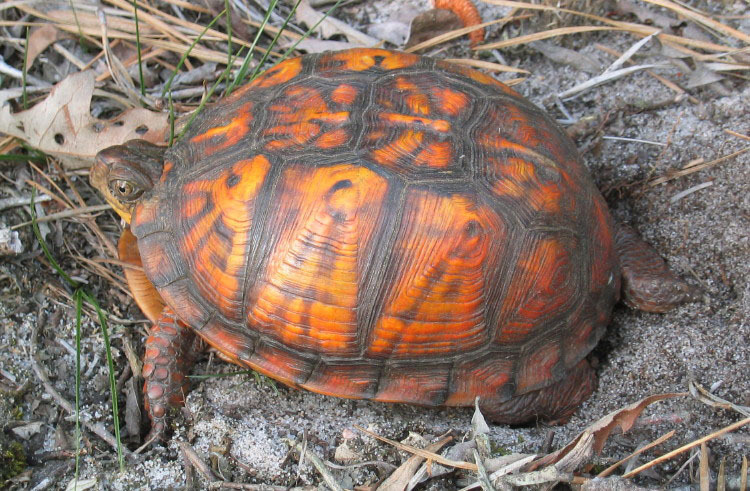
“Hey Bub, what’s with all the leaf blowing? You’re taking away my blankets and wreaking havoc on my tympanic membrane!” MIKE BOTTINI
As I write this column on the last day of November, the temperature is forecast to hit 62 degrees. Local bay and ocean water temperatures as recorded by the cold-water swim group have yet to drop below 50 degrees.
Global ocean temperatures set a new record high in 2020. It’s the heat from tropical waters that generates the energy to create hurricanes and tropical storms, and this year the National Weather Service charted 30 hurricanes and tropical storms in the Atlantic, also a new record.
Hurricanes and tropical storms are given names. The first of the year is given a name starting with “A,” and each successive storm is given a name starting with the next letter in the alphabet. Letters Q, U, X, Y and Z are not used, leaving a total of 21 letters for each hurricane season, the last being “W.”
This year, Tropical Storm Wilfred was named on September 18, and soon after the National Hurricane Center switched over to the beginning of the Greek alphabet, naming Tropical Storm Alpha.
To avoid relying too heavily on fickle changes in air and water temperatures to trigger important seasonal behaviors — for example, migration or hibernation — and potentially getting caught in life-threatening situations, most plants and animals also rely on changes in photoperiod, or the amount of daylight. So, despite the unseasonably warm fall, the chipmunks in my yard are busy collecting and hoarding nuts for the winter, and many of the birds that nested here in summer have flown south.
On Saturday, I came across a monarch butterfly during the Walking Dunes field trip. It was doing fine on that warm sunny day, making its way slowly south.
But it faced an insurmountable problem en route to its overwintering grounds in Mexico: There were no plants in flower, such as the goldenrods it favors, and with no flowers there were no sources of nectar to fuel the flight south.
Photoperiod seems to have largely kept nature on track, and the autumn season has begun to morph into winter. Bay waters are remarkably clear, a reflection of the loss of summer’s tiny phytoplankton and zooplankton communities that transform the bay into a protein-rich soup, which, in turn, drives the estuarine food chain.
Large numbers of seabirds — scoters, eiders, loons, mergansers — have arrived from their northern nesting grounds. American eels have completed their incredible transformation and are making their way to the ocean and their spawning grounds in the Sargasso Sea.
Also making a long journey by sea are the humpback whales that summered off Long Island, feasting on the huge schools of Atlantic menhaden here. They will rely largely on the fat reserves built up by their summer feeding and fast during their winter stay in the Caribbean, where they mate and give birth to calves before returning north in spring.
•
Following the lead of our villages, towns are considering regulations on leaf blowers. Although I would much rather rely on my neighbors’ “neighborliness” in addressing this growing nuisance, most of my neighbors hire landscapers to mow the lawn and collect the leaves, and are not around to experience the daily, year-round, obnoxious drone of the gas-powered blower.
Unfortunately, it appears that town regulation is the only way to address it.
Blowers are not only noisy and polluting, they also spread seeds of invasive garden plants onto adjacent properties, as I have experienced on mine, and as I’ve noted on my neighborhood nature preserves.
And have you ever seen someone raking leaves from their property, across the property line, and onto the adjacent lot? Seems incredibly obnoxious, and something I’ve never witnessed. But I’ve experienced and seen this many times among the professional leaf blowers — even blowing leaves across the street and onto a neighbor’s property (who happens not to be home)!
Since homeowners are paying for the lawn and leaf services, I urge them to take some responsibility for what’s going on in our neighborhoods: spring, summer and fall.
Back when we all raked leaves, two sessions per year were adequate. It is not necessary to have your lawn, woodlot or flower garden cleared of leaves on a weekly basis from September through early December.
The latter two areas actually benefit from a cover of leaves, also known as “nature’s long underwear,” as they protect and insulate the soil, roots, and important creatures residing and hibernating under the leaves from winter’s harsh cold and dry conditions.
Love encountering that beautiful box turtle in your backyard occasionally? Leaves are an important habitat for winter hibernation and summer estivation.


 Mike Bottini on Nov 30, 2020