


 8 Photos
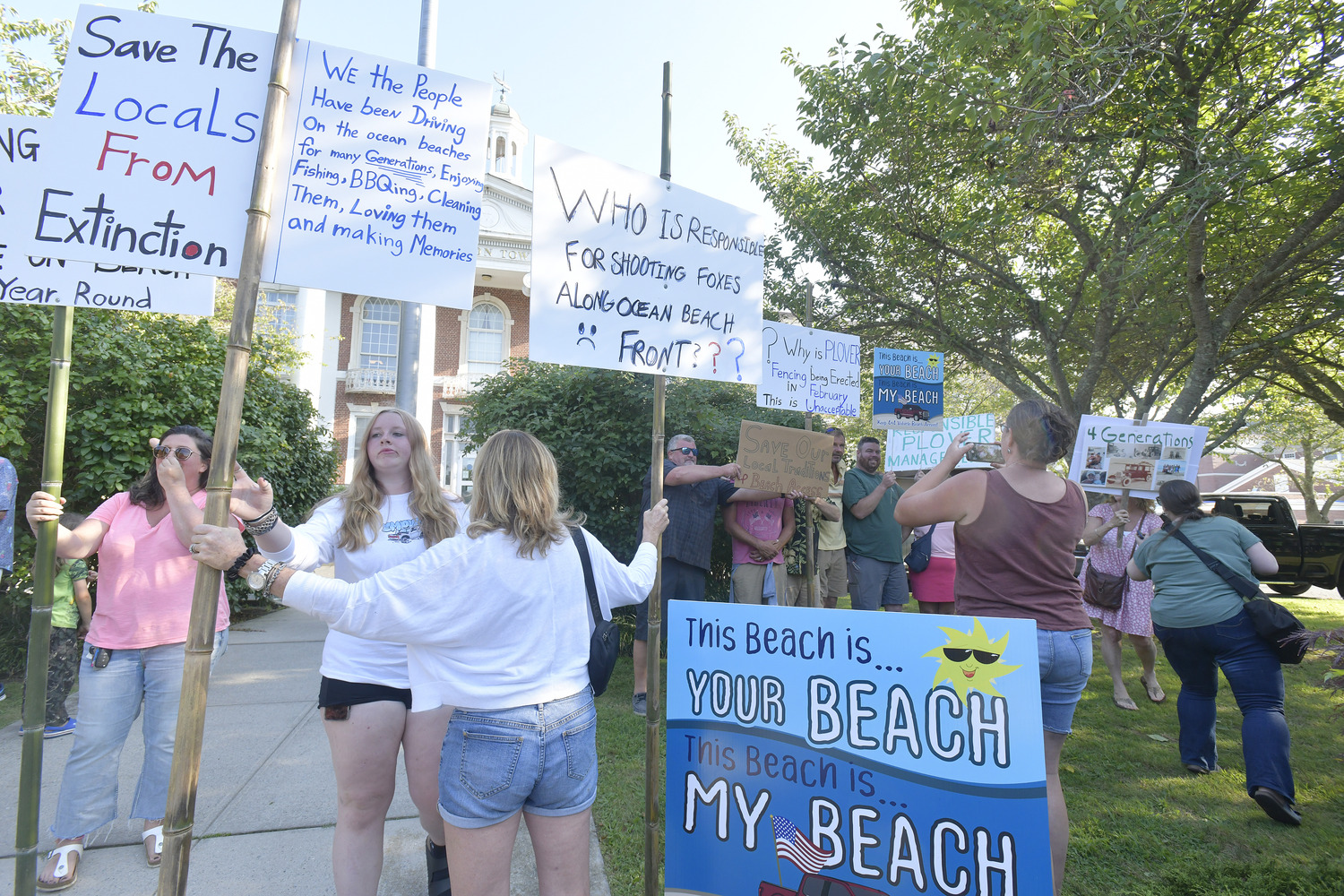
Frequenters of the Southampton Village beach known as the Picnic Area rallied outside Southampton Town Hall on Tuesday afternoon, then pleaded with the Southampton Town Board to find a way to amend the town’s piping plover protection program after the birds left their favorite summer haunt essentially off limits from early June through August 13. DANA SHAW
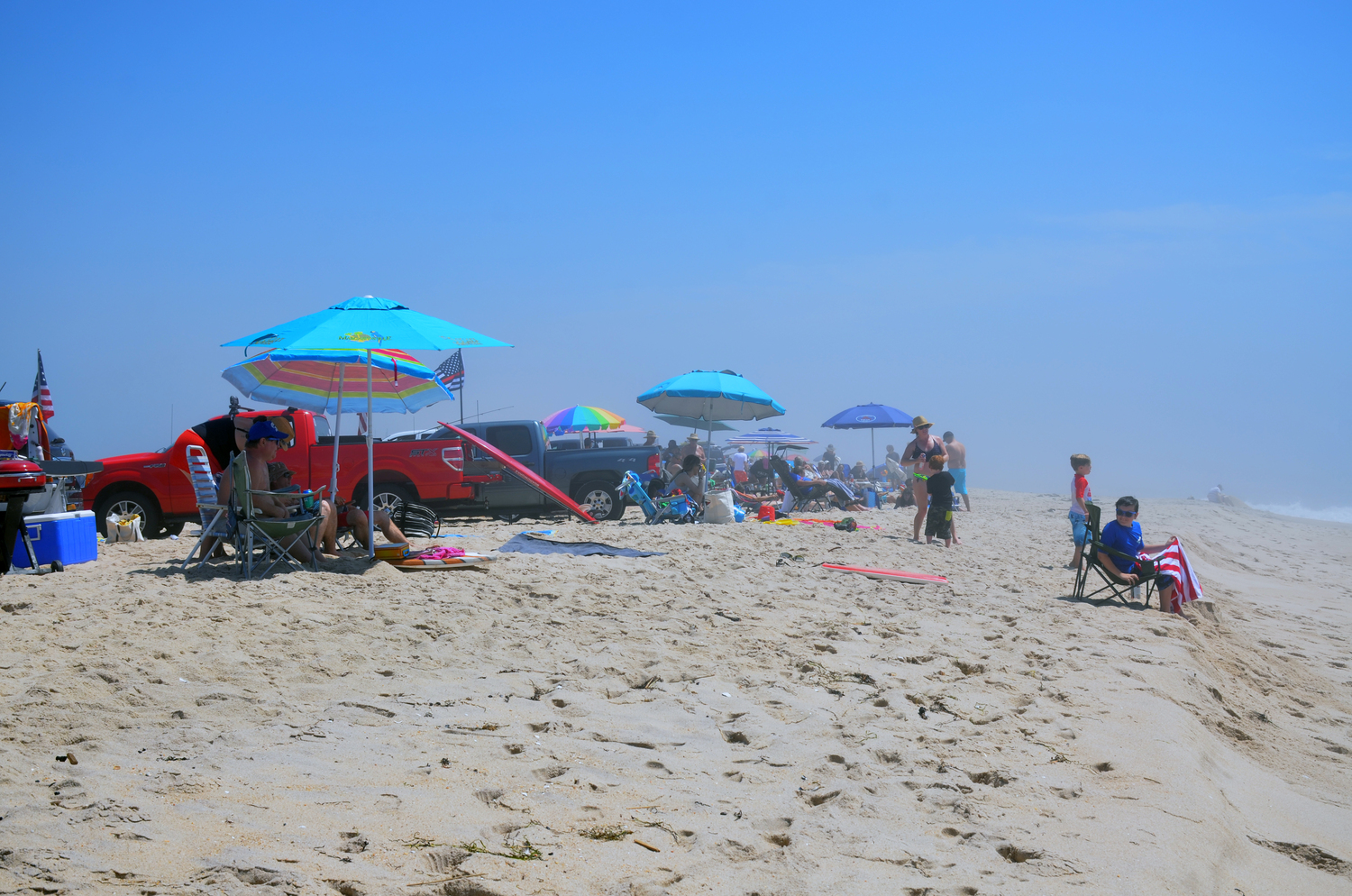
The 2,000-foot-long stretch of beach in Southampton Village, known as the "Picnic Area."
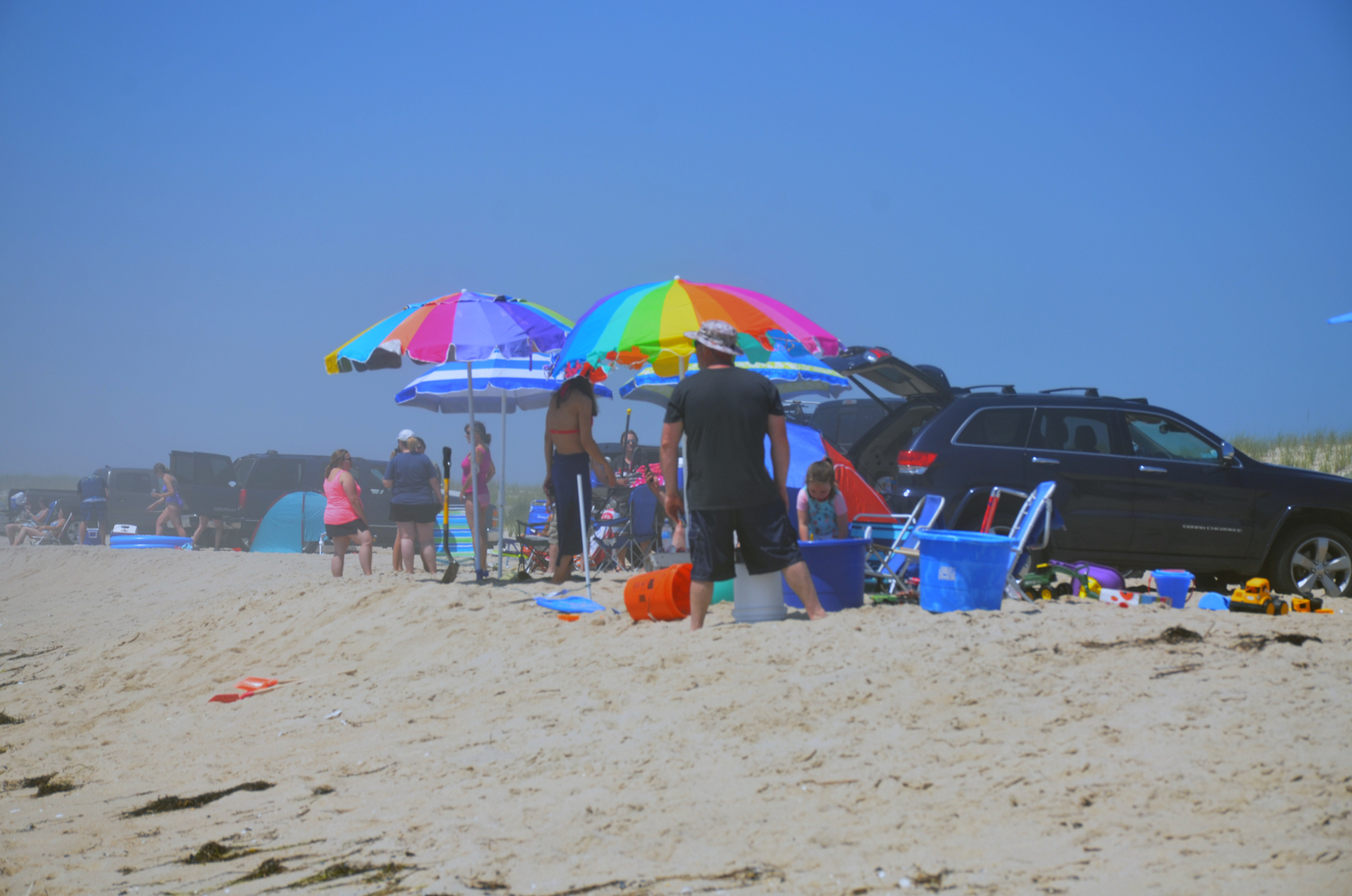
The 2,000-foot-long stretch of beach in Southampton Village, known as the "Picnic Area."
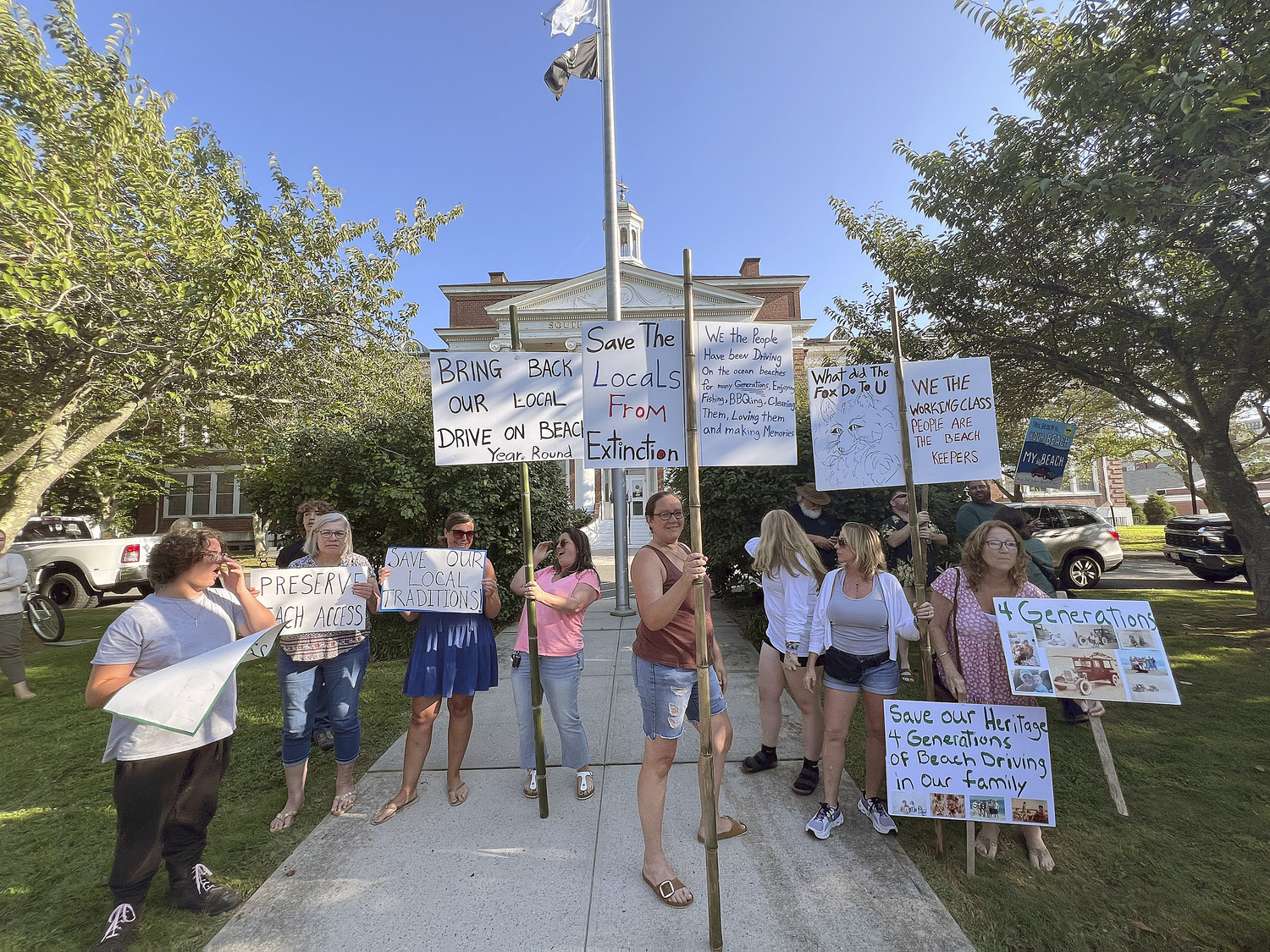
Frequenters of the Southampton Village beach known as the Picnic Area rallied outside Southampton Town Hall on Tuesday afternoon, then pleaded with the Southampton Town Board to find a way to amend the town’s piping plover protection program after the birds left their favorite summer haunt essentially off limits from early June through August 13. DANA SHAW
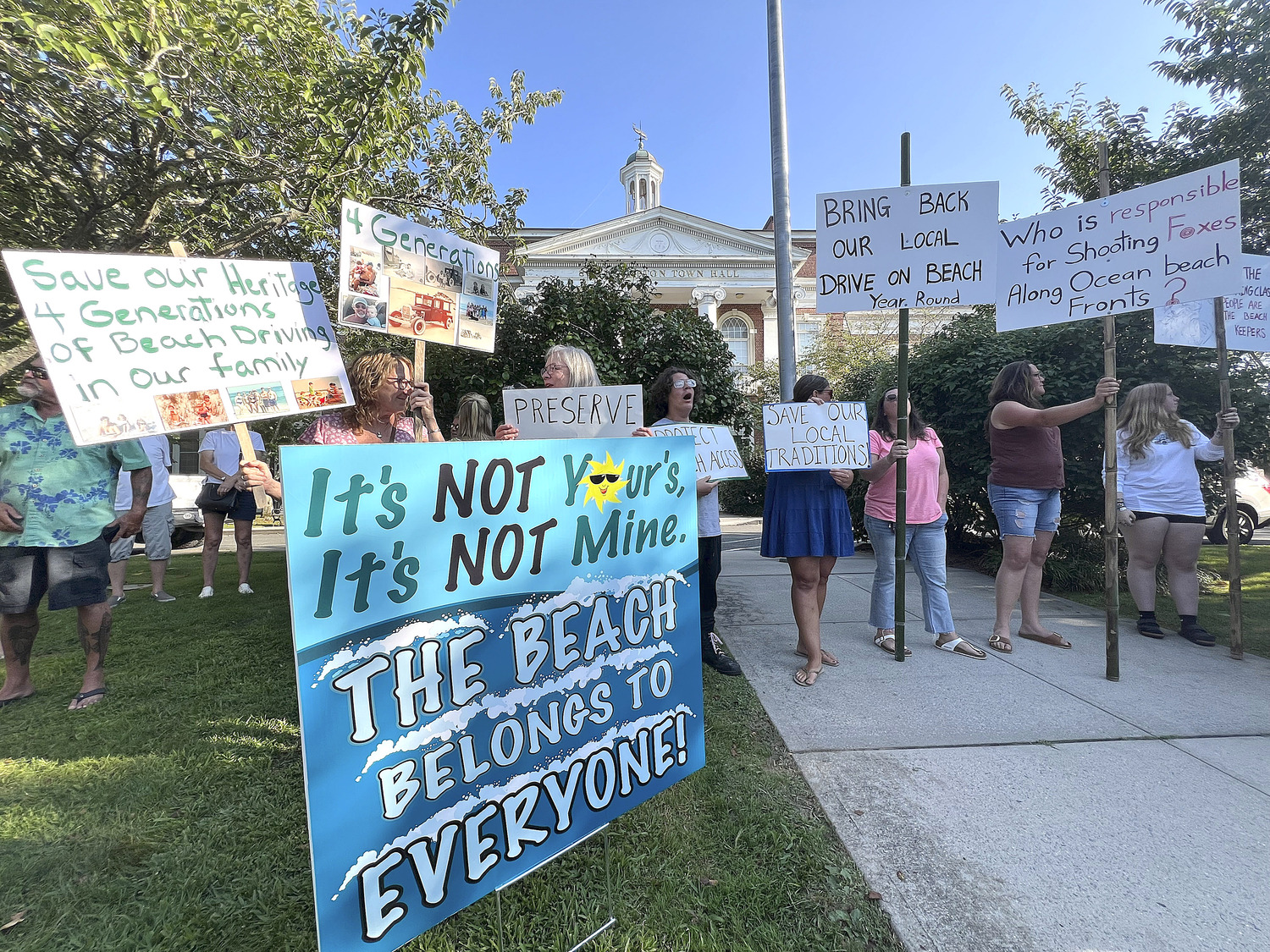
Frequenters of the Southampton Village beach known as the Picnic Area rallied outside Southampton Town Hall on Tuesday afternoon, then pleaded with the Southampton Town Board to find a way to amend the town’s piping plover protection program after the birds left their favorite summer haunt essentially off limits from early June through August 13. DANA SHAW
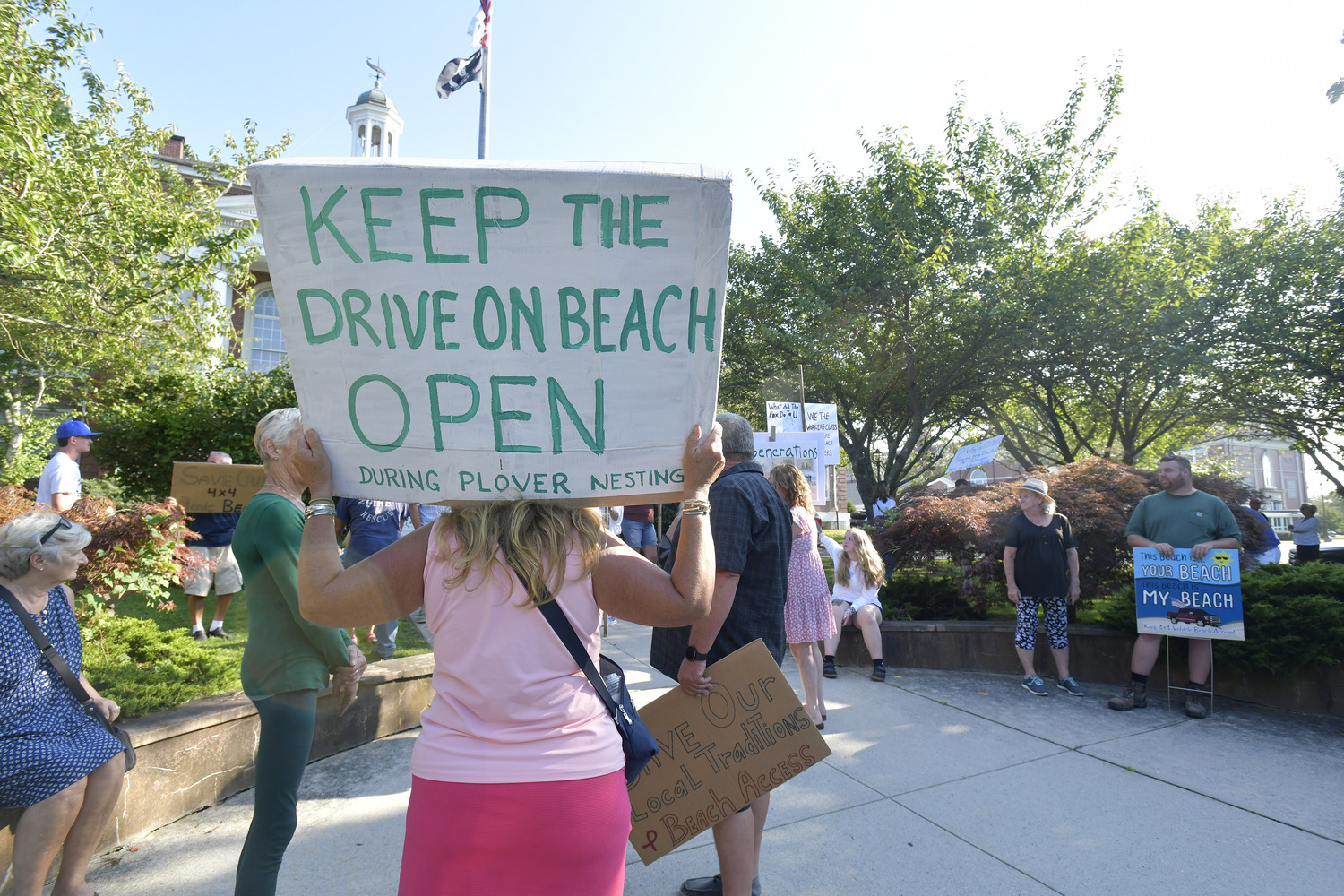
Frequenters of the Southampton Village beach known as the Picnic Area rallied outside Southampton Town Hall on Tuesday afternoon, then pleaded with the Southampton Town Board to find a way to amend the town’s piping plover protection program after the birds left their favorite summer haunt essentially off limits from early June through August 13. DANA SHAW
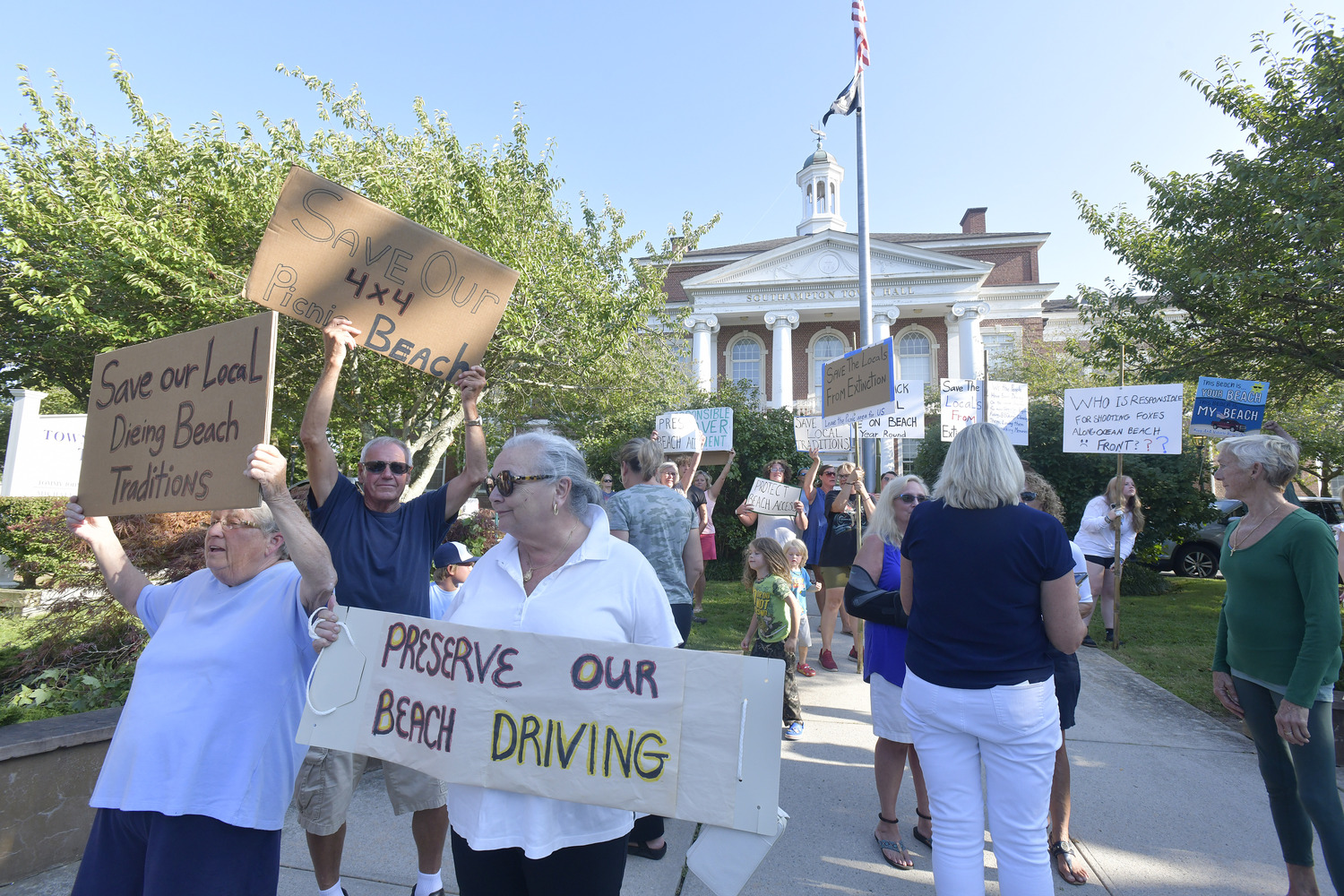
Frequenters of the Southampton Village beach known as the Picnic Area rallied outside Southampton Town Hall on Tuesday afternoon, then pleaded with the Southampton Town Board to find a way to amend the town’s piping plover protection program after the birds left their favorite summer haunt essentially off limits from early June through August 13. DANA SHAW
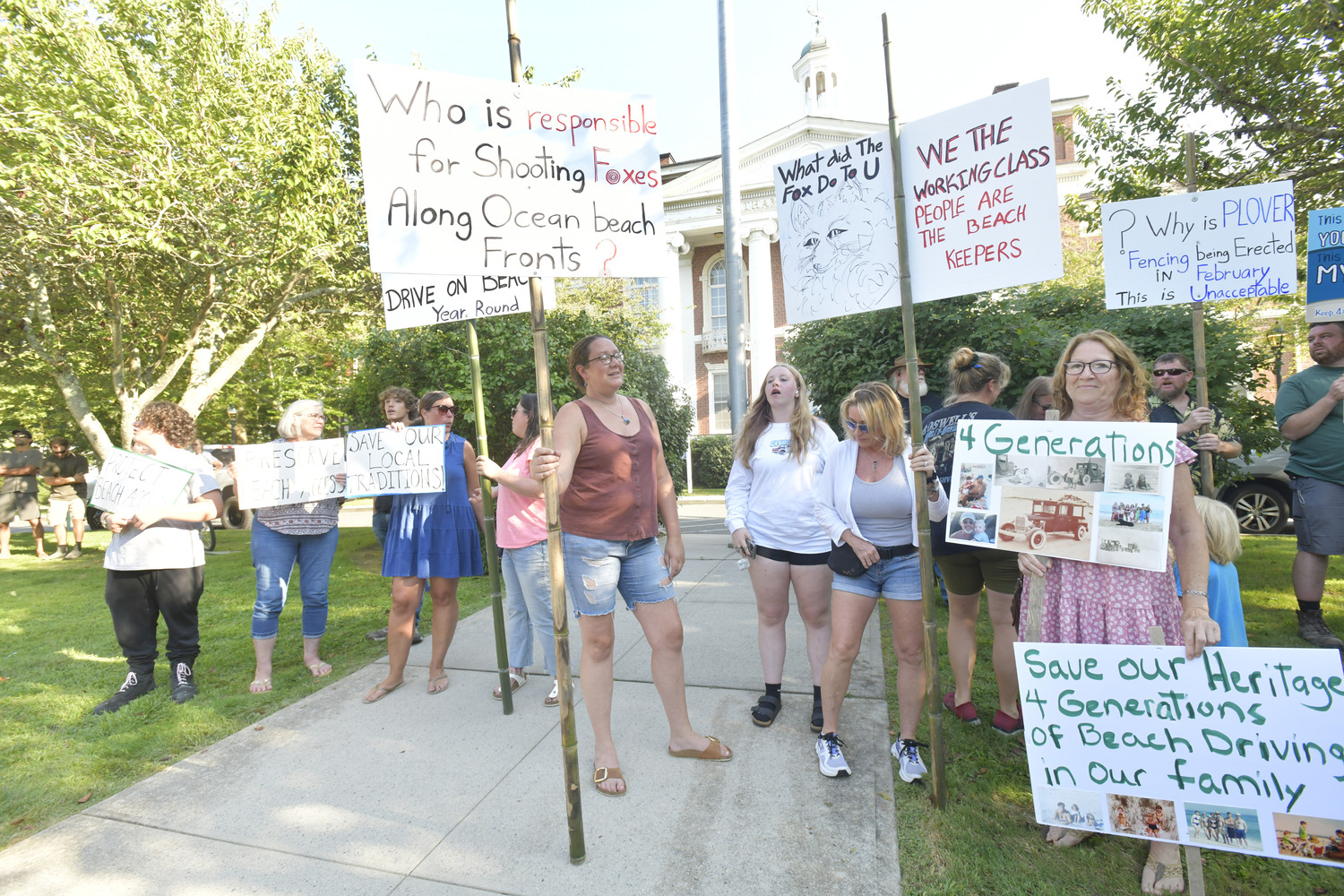
Frequenters of the Southampton Village beach known as the Picnic Area rallied outside Southampton Town Hall on Tuesday afternoon, then pleaded with the Southampton Town Board to find a way to amend the town’s piping plover protection program after the birds left their favorite summer haunt essentially off limits from early June through August 13. DANA SHAW
Dozens of frequenters of the Southampton Village beach known as the Picnic Area rallied outside Southampton Town Hall on Tuesday afternoon, then pleaded with the Southampton Town Board to find a way to amend the town’s piping plover protection program after the birds left their favorite summer haunt essentially off limits from early June through August 13.
The Picnic Area, the only area in the town where vehicles are allowed to drive onto and park on ocean beaches during the day in summertime, has been left off-limits by the presence of nesting plovers for the last five summers, and this year’s closure over nine weekends had the hundreds of local residents for whom visiting the beach is the highlight of their year at their wits’ end.
“First responders, firemen, ambulance — our community is at this beach, and it has been taken away from us,” Fran Adamczeski said. “We’re all local residents who built this community, and we look forward to this area all year …
“We need this beach back. This is what we live for. This is our heaven.”
Piping plovers are listed as a “threatened” species under the Endangered Species Act, and the U.S. Fish & Wildlife Service has imposed rules for protecting the birds when they are nesting — which they prefer to do directly on the open sand of bay and ocean beaches.
Both Southampton Town and East Hampton Town operate plover monitoring programs in accordance with federal guidelines, which restrict access along beaches — particularly for vehicles and unleashed pets — when the birds establish a nest. When eggs hatch, and the baby birds roam the sand, the guidelines require a 200-meter exclusion buffer around the nest until the baby plovers fledge.
The access restrictions to protect the birds have caused often well-publicized conflict with human activity for decades: shutting down traditional fireworks displays and annual beach parties, blocking off long swaths of popular beaches and sparking tongue-in-cheek denigration of the diminutive but disruptive birds.
But it’s only in the last several years that new nesting pairs seem to have discovered the area at the western end of Meadow Lane in Southampton Village. Along with blocking off the Picnic Area, the protective exclusion zones have forced the Shinnecock East County Park to abandon all of its hyper-popular oceanfront camping locations for the bulk of the summer each of the last five years.
In most of the previous summers, however, the exclusions ended by the middle or end of July, as the baby birds typically need 35 days to fledge once their eggs have hatched.
In 2023, a baby was killed by a predator, and the parents laid a new egg, restarting the clock and keeping the beach closed until the last week of July. This year, a single baby that had hatched but was not taking to flight — town plover monitors were keeping daily tabs — delayed the lifting of the vehicle restrictions until August 13.
“You don’t understand what this summer did to us. It was like the sand that broke the seagull’s back — we were done,” Southampton native Jeremy Rand told Town Board members.
“August 13. We lost a weekend to some crappy weather, and we had one glorious one. This weekend doesn’t look too good either, and to think that we’re only going to have one or two Sundays the whole summer,” he said, is heartbreaking.
Picnic Area regulars extolled the board with tales of how important to them the barbecues, family gatherings and days on the sand with their friends are to them and how it makes the difficulties of working class residents remaining in the community worthwhile.
“Outside tonight and in this room, you met a lot of my friends — the backbone of Southampton,” said Dan McNamara, whose wife, Cyndi, is a councilwoman on the board.
“We are teachers, builders, landscapers, mechanics, highway workers, Southampton Town and Southampton Village employees — the workforce of our town,” he added.
“This weekend, Councilwoman McNamara and I went to the beach for the first time this summer — and, boy, was it glorious. It was one heck of day down there. It was the softest sand, flat surf, the sun was shining, people cooking, kids playing and whales breaching everywhere …
“Sadly, it was maybe the only Sunday we spend on the beach this year.”
Vehicle access to the beach allows for much more involved days on the sand than the typical visit to a town beach with a parking lot and concessions. Families bring coolers and grills and numerous water sports equipment and often spend many hours on the sand.
And regulars said that the vehicle access to the Picnic Area beach allows many who would not otherwise be able to visit an ocean beach to spend summer days with their families as they always have.
“That access to the beach is a game-changer. It makes it all-inclusive — you never feel more a part of a small town than when you are down at that beach,” Joe Piazza said. “My father and mother, as they got older — my mother having walking issues, my father having heart disease — were able to come down with us to the beach and enjoy that family time on Sunday, when their six kids were working 40, 50, 60 hours a week trying to make ends meet … because we love this town.”
Beachgoers offered a litany of suggestions about how the plover protection program could be tinkered with to both protect birds and lessen the impacts to local residents and pointed to hypocrisies in a system that has hobbled them but made accommodations, or lenience, for others.
Southampton Village and the private Southampton Bathing Corporation are allowed to mechanically rake their beaches — even when piping plovers have been seen nearby — destroying the natural undulations in the sand that the plovers nest in, they said.
When vehicles are excluded by chains placed at the heads of the access roads, oceanfront homeowners are seen with their dogs running on the beach off leash.
Stephanie McNamara said that the town’s plover stewards, as they are known, have effectively created a “nursery” for the birds in the Picnic Area stretch, stringing it off in mid-winter to protect likely nesting areas and encourage the birds to nest there — something not done in any other areas, she said, even in places where birds nesting would be minimally disruptive.
“This does not need to happen between Road F and Road G,” she said, referring to the two access roads that lead into the Picnic Area. “There are miles and miles of beach to the east where people can walk — focus there.”
She also suggested that with more employees or even volunteers, the plover stewards could create a much smaller exclusion zone that would be moved as the hatched babies shift their foraging range day to day, allowing at least limited access during the high summer months.
“Don’t take away the entire beach for nearly the entire summer,” she pleaded. “It’s time for you guys to work with everybody to make this happen.”
Scott Horowitz, the president of the Southampton Town Trustees, who are the designated overseers of the plover management program by virtue of their public access easement over the entire oceanfront, said that his board will be meeting with representatives of the U.S. Fish and Wildlife Service at Southampton Town Hall on September 9.
He said the Trustees have appealed to the agency in the past to allow them to relax some of the guidelines for protecting the birds to allow even limited access when birds are nearby.
Short of being given new parameters, he said, the board’s hands are tied to adhere to the federal rules lest there be a broader restriction on vehicles usage forced upon them.
“As the Trustees that keep this easement, we have a duty and responsibility to uphold the Endangered Species Act … so that we can maintain vehicle access as much as possible,” he said. “They have relaxed some guidelines. We have had discussions with them to try and get folks further up to relax the requirements.”


 Michael Wright on Aug 28, 2024