



 5 Photos
Matt Gustafson
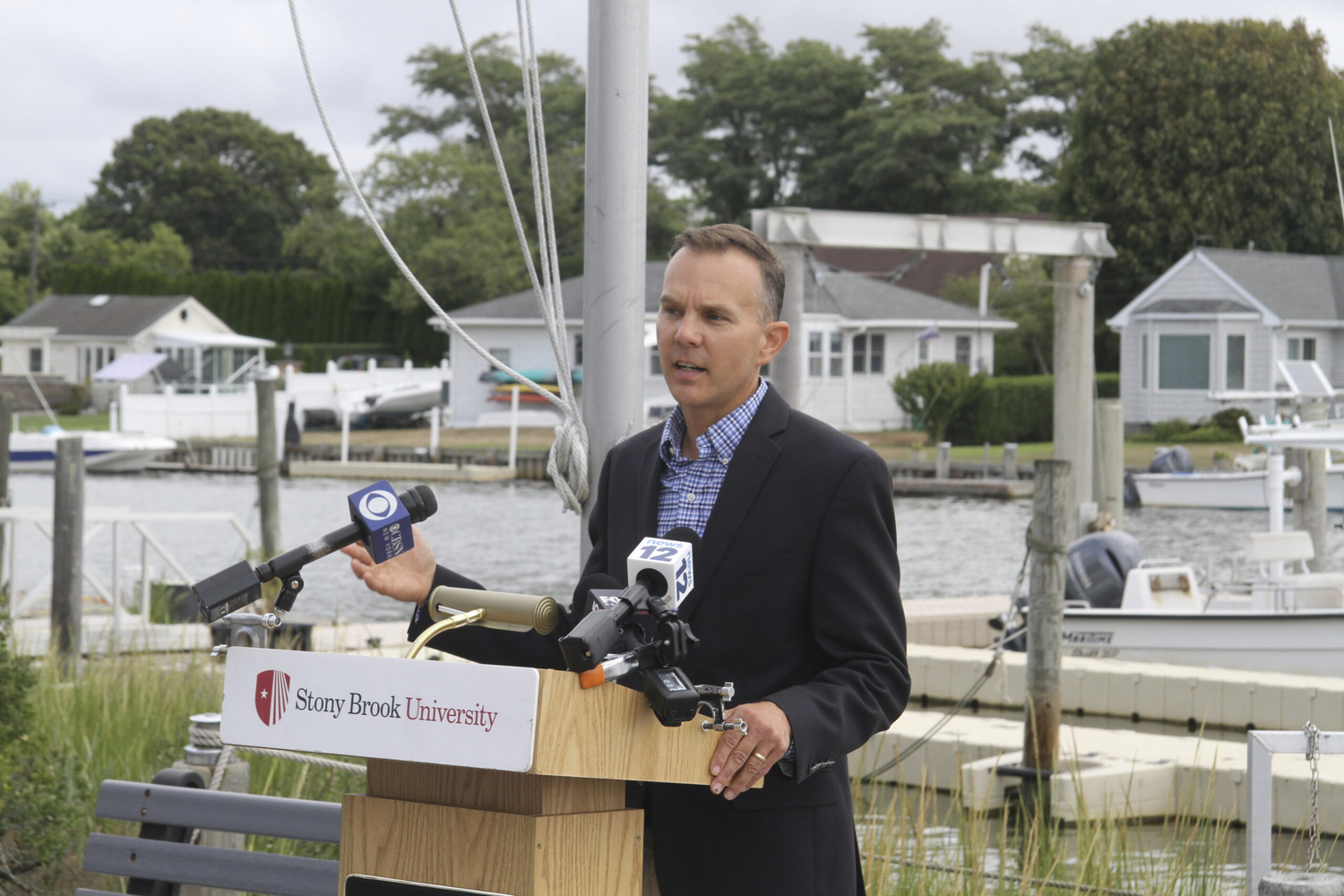
Dr. Christopher Gobler
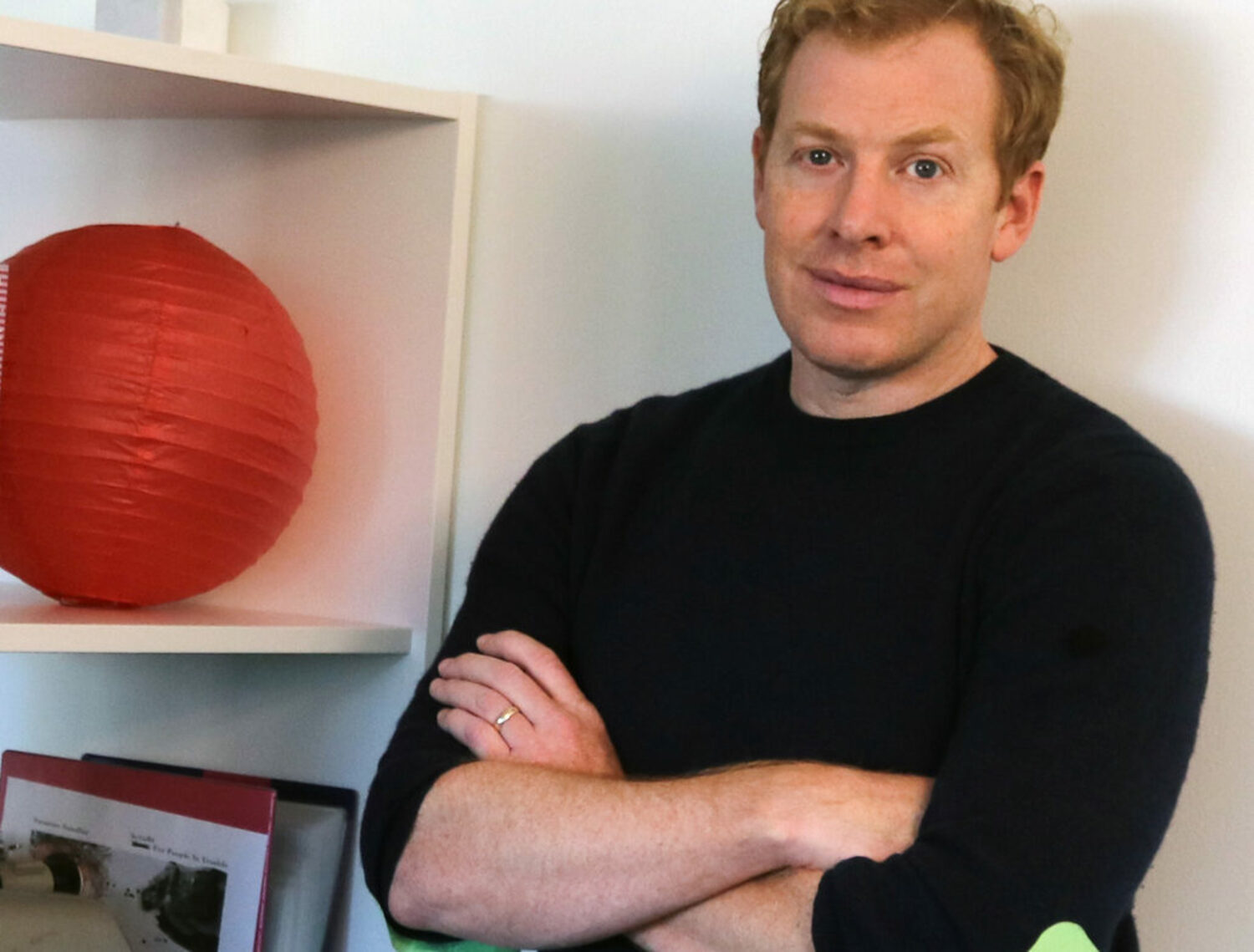
Christian McLean
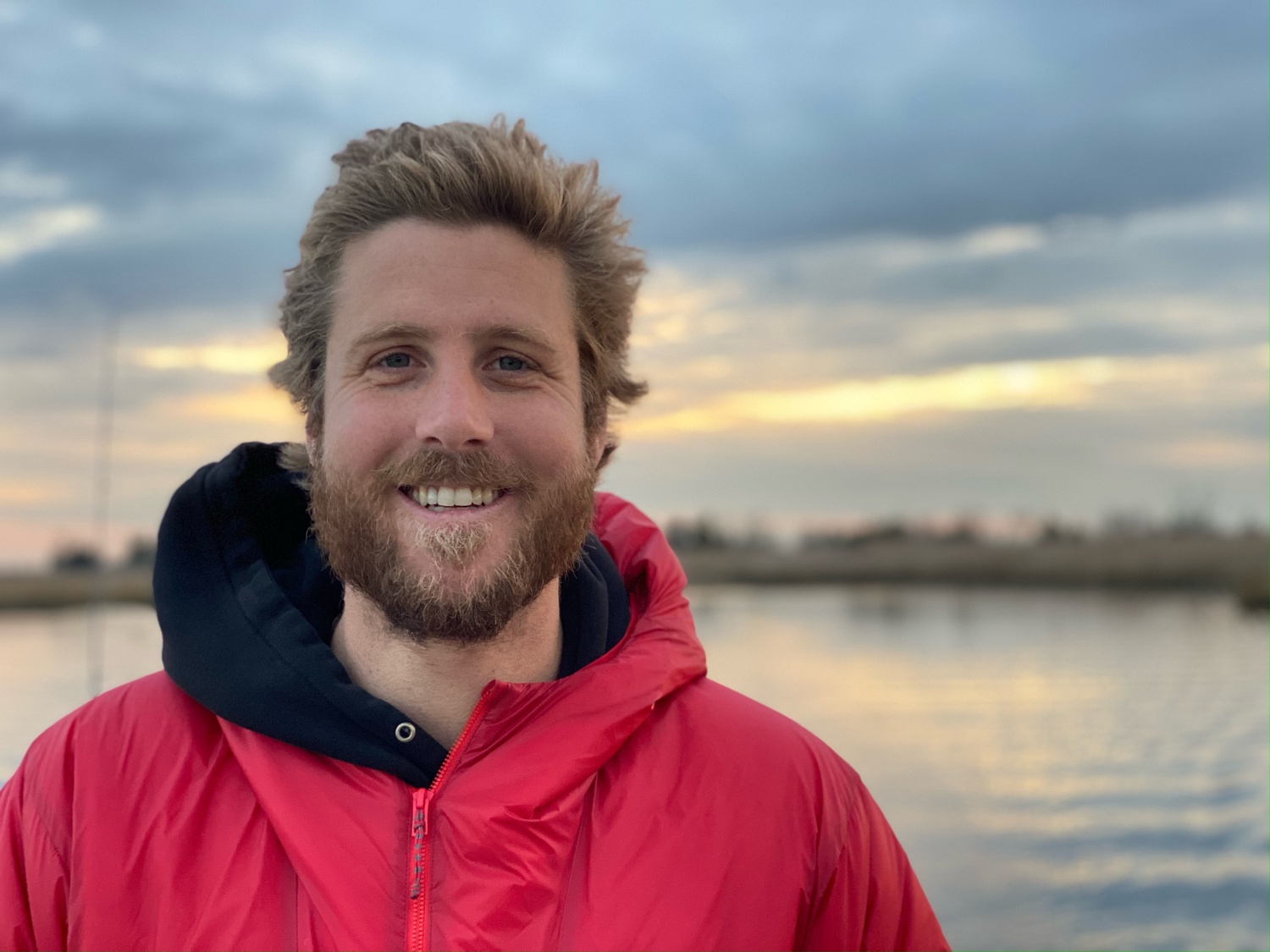
Stephen Heck

Dr. Daniel Lee COURTESY STONY BROOK UNIVERSITY
Matthew Gustafson, 23, part-time campus resident: Student in MFA in Creative Writing and Literature program
On living on campus:
“I split my time between campus and my parents’ home. I came into Stony Brook last fall with aspirations on writing a lot of poetry, and picked up novel writing along the way.
“The living isn’t much different from the standard undergrad dorm experience. But it’s much quieter. It’s not exactly lively, when you think of what a college campus is like, but it depends on what you’re looking for. I had the chaotic dorm hall experience when I was 18. For me, this is a quiet space where I can do my writing and not be interrupted, so for me it was perfect.”
On an average day on campus:
“A day in Southampton is one spent doing what a graduate student does: reading, writing; most of the morning I spend by myself doing that. Chancellors Hall is where all my writing classes are. If I walk through Chancellors Hall on an average day, I’ll run into four or five professors. I’m always bothering them. Some of the afternoon is spent chatting with professors and other students in the lounge. Most of my classes are in the afternoon.”
“When I’m trying to be productive, I’m generally in Chancellors Hall. As the weather gets warmer, there are benches all over campus. I do a lot of my best thinking when I’m out walking or sitting around in various outdoor spaces. If I’m reading, I like to take a hammock outside. There are always at least three or four people out [on nice days] hammocking.”
On what campus life has been like post-COVID:
“The first semester I came in, was still trailing off COVID, so a lot of things were still online, and I didn’t get to experience that feeling of community that’s only possible when you’re in person. In the spring, and this fall, it’s been nice to just walk into the common area a few hours before class and see a few people who are writing or doing a puzzle.
“Yes, the MFA is a degree and it helps you write a thesis, but more so for me, it’s about building a community of writers that I can turn to throughout my writing career. These are the only people in my life who can listen to my random ramblings about a poem I care about. It’s been nice to build that community and have that space.”
Christian McLean, associate director of the MFA in Creative Writing
On an average day:
“I’m there five days a week, from 9:30 to 5, and I’m only really in Chancellors Hall. My job has shifted over the last few months, and I’m fielding a lot more MFA-related emails, and also trying to get to our Manhattan location at least once a week to touch base with students there.
“I will also pop into our radio lounge space, and there are usually a few students in there, so I talk to them for a bit too, which is great. That’s where a lot of the excitement and energy is, talking to faculty and students, and talking about creative things, what their projects are, what they’re working on. That’s one of the perks of working there, you’re surrounded by creative people all the time. It’s fun to hear how they’re progressing in their work and their projects. It inspired me to keep my nose to the grindstone when I’m not in the office.”
On what makes the campus special and appealing for writers and creatives:
“When I try to tell people what campus is like, as a 45-year-old with a family, I say I would love to have the opportunity to be in a beautiful, quiet place and write all day. You walk down the hill, take some incredible classes, and then walk back up the hill and write again. I see it as a residency in many ways.”
Dr. Daniel Lee, chair of the Physical Therapy Program in the School of Health Professions
On daily life:
“My office is in the library, which I love. There are usually students in the library and in our little gallery out there, eating and studying. I always take the time to say hello to everybody. It’s a small campus, so it’s very intimate, so we tend to all know each other on this campus. When the weather is nice, I like to go for walks through campus. There’s a lot of history on that campus as well as open space. Students are oftentimes playing games out in the grass areas; Spikeball is pretty popular. There are usually hammocks set up, too. We have a great cafeteria and student center, with an awesome gym and the nicest people who run the cafe. It’s very welcoming and warm, and has a small college feel.”
On his favorite spots to spend time on the campus:
“One is the windmill, which is pretty iconic, knowing that Tennessee Williams stayed there. The other place is the mansion, as it’s known. It’s just an old historic building, so I sit there sometimes. And we have a working farm on campus, and it’s really cool. My wife and family went there one weekend to work on it.”
On his special connection to the campus:
“There’s always community events [on campus] and I try to go and support them. It’s just a really nice place to work. It has a great feel to it. It’s a place that I look forward to go to work to, and the students there absolutely adore it. It’s like a small town feel in a big college. I’m a Southampton resident, so it’s especially important to our community and to me, and it’s got a really interesting history.”
Brittney Scannell, Ph.D. candidate, School of Marine and Atmospheric Sciences
On working in the field:
“I’m one of [associate professor] Brad Peterson’s graduate students, and we work in the marine community ecology lab. We all do a handful of different things that fall in the marine science category. I work on artificial reefs off the shore of Long Island.
“In the summer season, I spend all of my time on the water, either servicing our receivers or catching sharks and fish and putting tags on them. The summer is great, I love the summer. I get to work with lots of awesome staff at Stony Brook; it’s my favorite time.
On time spent on campus during the colder months:
“During the winter, when I’m on campus, my daily life is what you would think of for a classic grad student. I go into the office and sit next to Steve and write on the computer. One thing I really love about Southampton is the community. We recently started a pickleball league on campus, just some people from our labs and our professors. We all play pickleball during lunch, and it’s been really fun. They don’t have pickleball courts, but they have these old tennis courts and they’re kind of cracked, but I just use chalk and draw the pickleball lines. We’re not very good, but any chance I have not to be sitting at my desk, I take. It’s just a chance to get outside and hang out.”
“Sometimes we’ll walk down to the marine station for the day. They have picnic tables there by the boats. It’s a really beautiful place to work. Our professor always says, it’s just a 15 minute boat ride to your field site. You can’t do marine science in a better place.”
Stephen Heck, Ph.D. candidate, School of Marine and Atmospheric Sciences
“I’m based entirely in Southampton, and work in the marine community ecology lab with [associate professor] Brad Peterson as my advisor. I’m primarily focused on ecological questions surrounding eelgrass restoration, oyster restoration and fisheries conservation. During the field season, I’m primarily working out of the marine station on the Southampton campus, and this time of year I’m doing writing and data analysis.
“Most of our field work is right out of the marine station, and having facilities right there is pretty great. It’s a pretty short boat ride to a lot of areas we work in, so it’s super convenient. The marine science program is a pretty tight-knit community between the faculty, grad students and undergrads. Everyone knows each other really well.
On why he chose Stony Brook Southampton for his graduate program:
“I did my masters at Northeastern and was thinking about doing my Ph.D. there after that. They have a similar setup, with their marine science center as a satellite campus about an hour from their main campus. I came down here to visit Stony Brook and talked with [Peterson] and his research and mine align really well. The proximity of being able to do field work out in the bay close to the school was a huge asset. It’s very appealing to me. And, in general, the community in Southampton is really great. We all have a lot of friends out there who we work closely with, and it’s a positive and great group of humans.”


 Cailin Riley on Jan 17, 2024