


 8 Photos

Distance learning can fall short when it comes to students with disabilities.
Distance learning can fall short when it comes to students with disabilities.
Distance learning can fall short when it comes to students with disabilities.
Staying organizedi is key.
Staying organizedi is key.
Staying organizedi is key.
Staying organizedi is key.
Staying organizedi is key.
Dylan Motz thrives on routine. He depends on daily prompts. And for years, every weekday morning, it was the yellow school bus that signaled that it was time for him to get a move on.
So when it stopped coming to take him to his Southampton School District-funded special education program, he saw no reason to get himself up and dressed until 4 p.m. — and nothing his mother, Kim Covell, said could convince him otherwise.
“After two days of that, I was like, ‘OK, we can’t do this anymore,’” she recalled during a recent telephone interview from her home in Water Mill. “When the bus stopped coming, everything just got harder.”
At age 6, Dylan was diagnosed with autism and, later, childhood disintegrative disorder, a much rarer form marked by a severe loss of social and verbal skills. Now at age 21, expressing himself is still a regular struggle — one that his program was in the home stretch of alleviating with a reliable communication system, until all New York State schools shuttered their doors last month to help curb the spread of COVID-19.
“The closing just upended everything,” Ms. Covell said. “I think the biggest problem for us, as well as many other families, was just the suddenness. It just was here today, and then gone tomorrow. To, all of a sudden, shift over to being completely at home was tough.”
Across the country, parents and teachers are grappling with maintaining a sense of normalcy as education has moved entirely online and in-home, leaving students to navigate an endless portal of Zoom video calls, YouTube lessons and Google Doc assignments that have become status quo — except for the nearly 7 million students nationwide who have a disability.
Every student with special needs requires an individualized education plan, or IEP, that ranges from providing extra time on assignments to a plethora of complex services, such as learning aids and various therapies. And while the caregivers of all children have added “teacher” to their exponential list of duties, those of kids with disabilities are saddled with an immense challenge, leaving them to pick up the slack where distance learning falls short — or is virtually useless.
“There’s no way you can tell me that you can take somebody’s individualized plan and translate it into remote learning, for all of these kids, in the two weeks they had to make this happen — and that’s not a criticism, it’s just a reality,” said Ms. Covell, founder of the nonprofit Flying Point Foundation for Autism. “It’s a really tall order.”
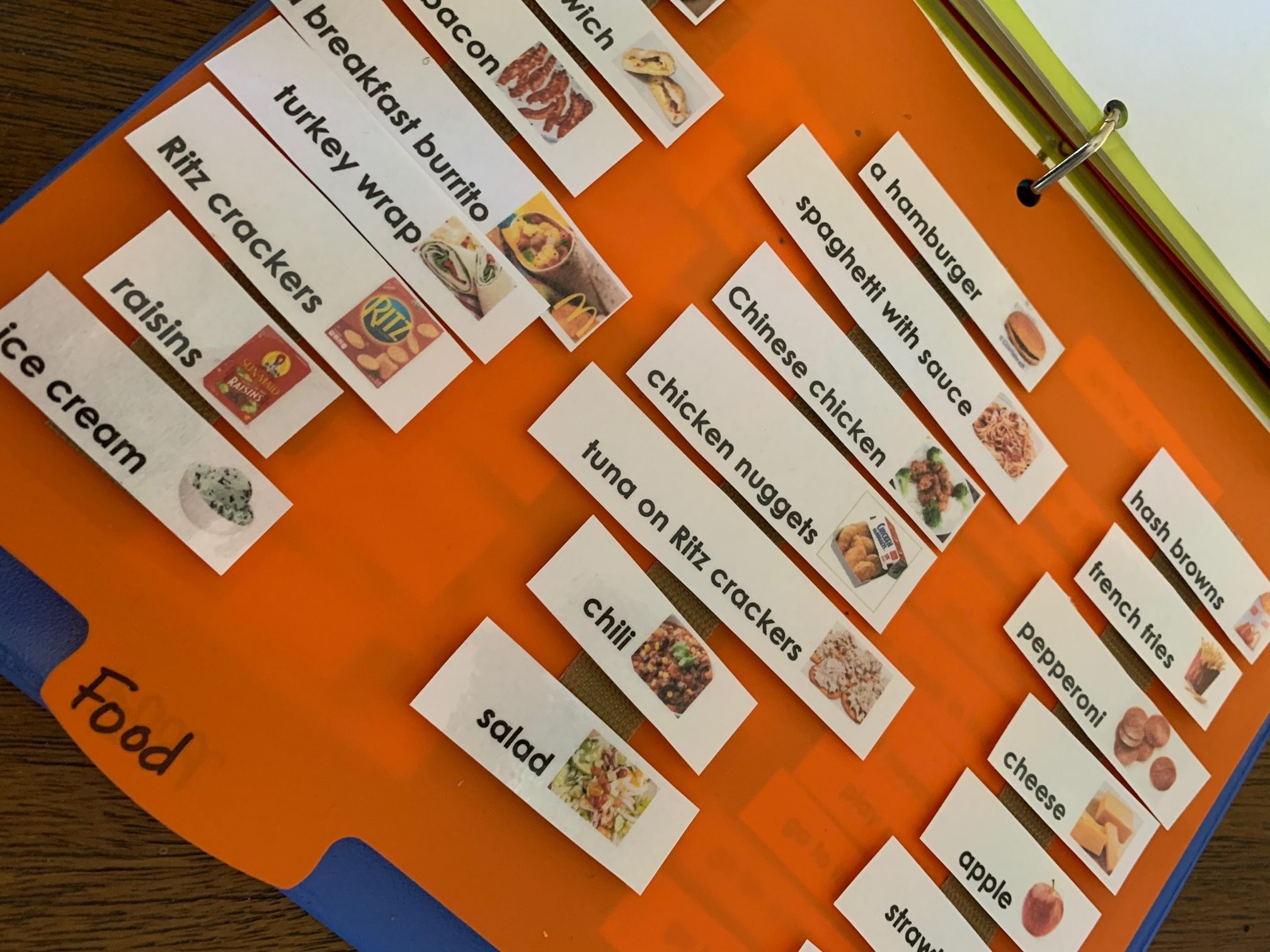
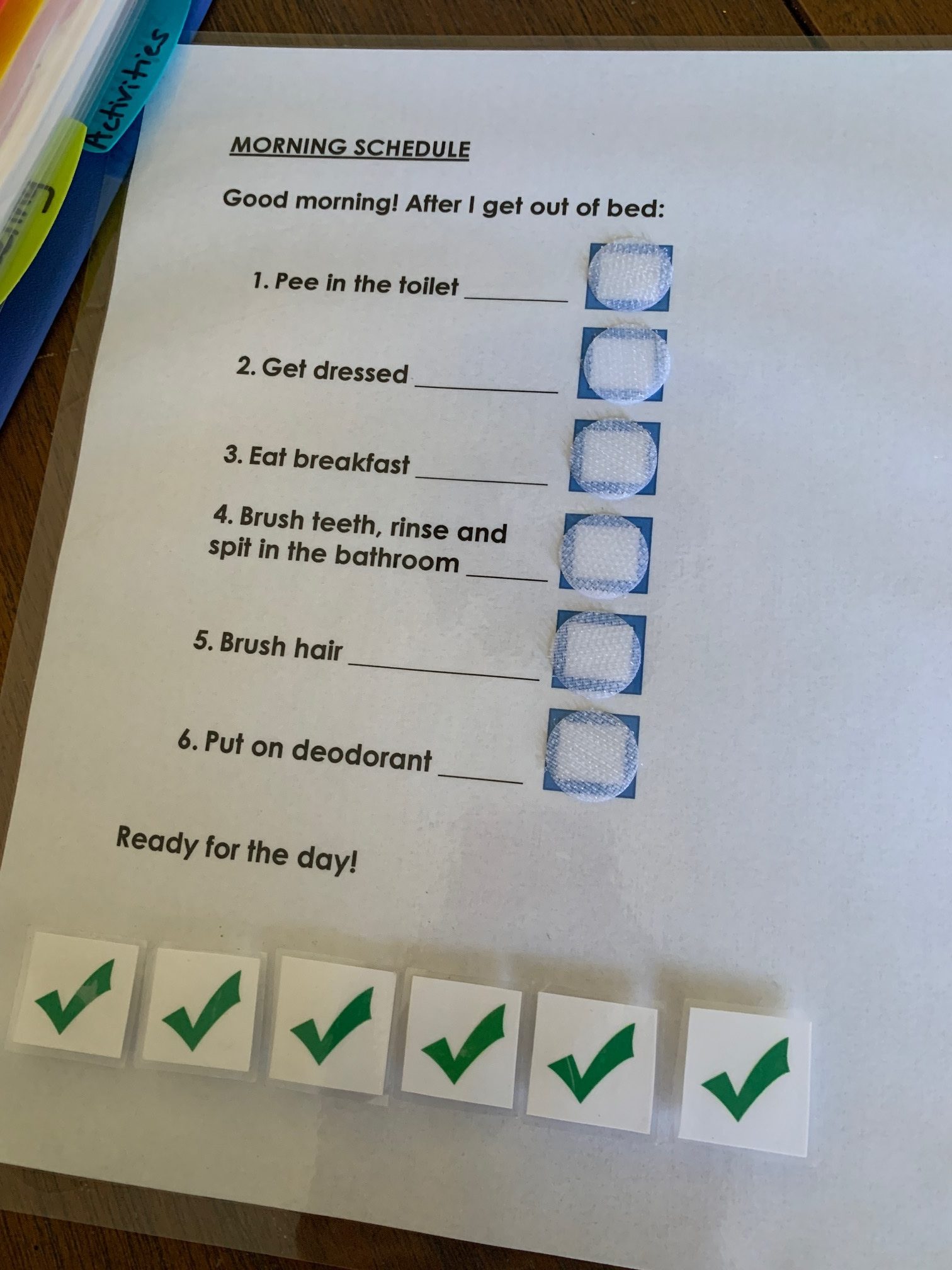
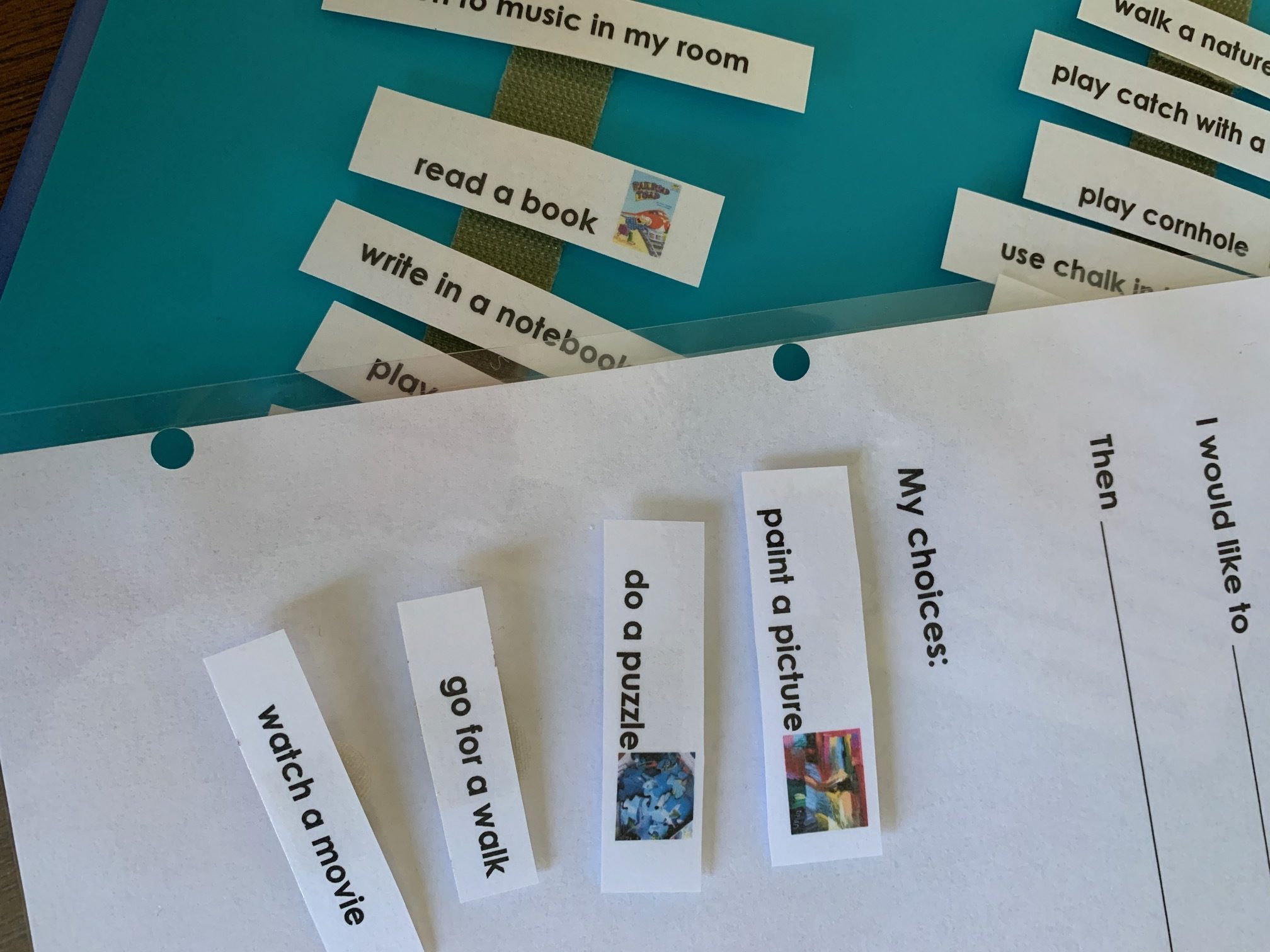
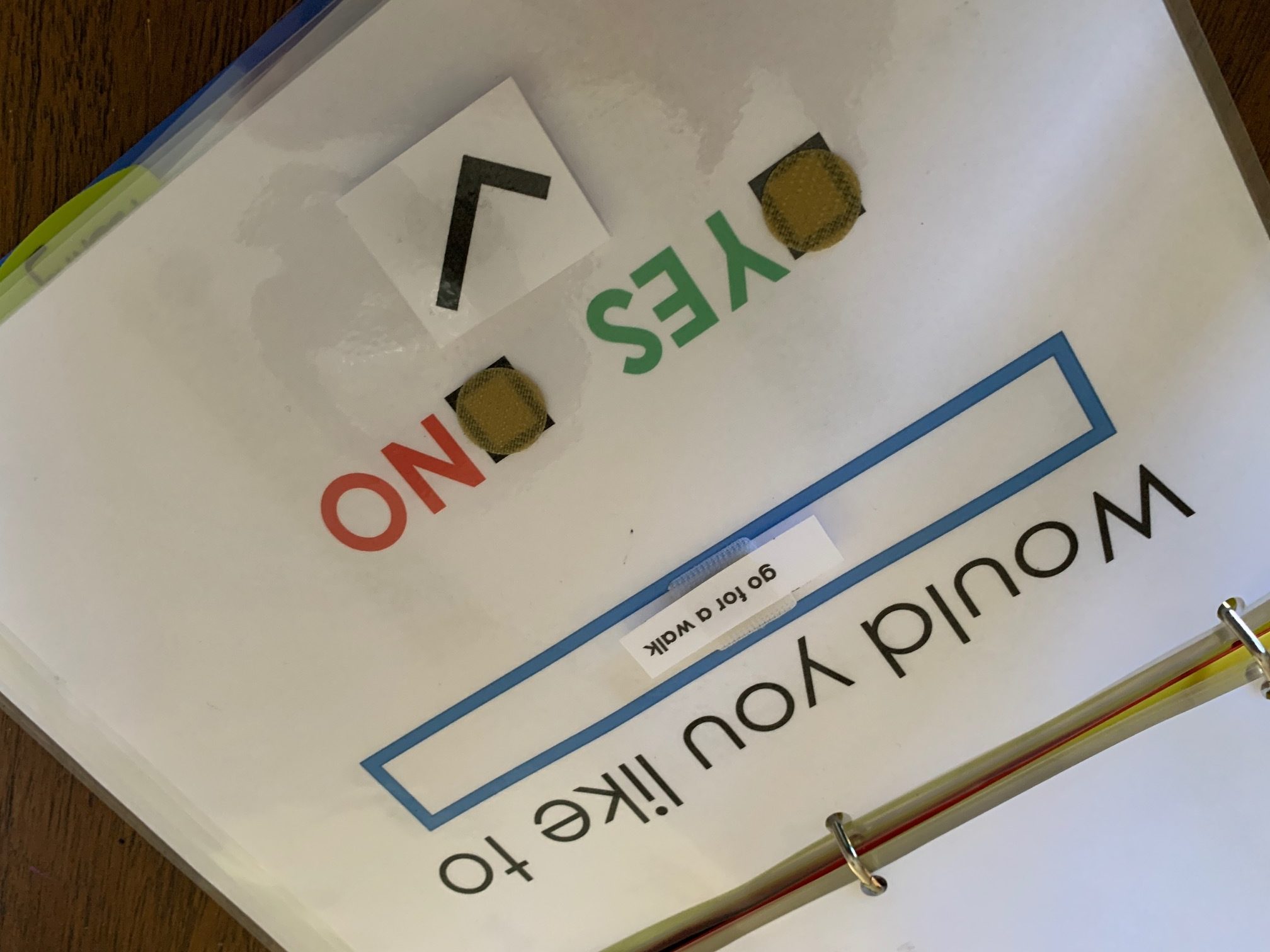
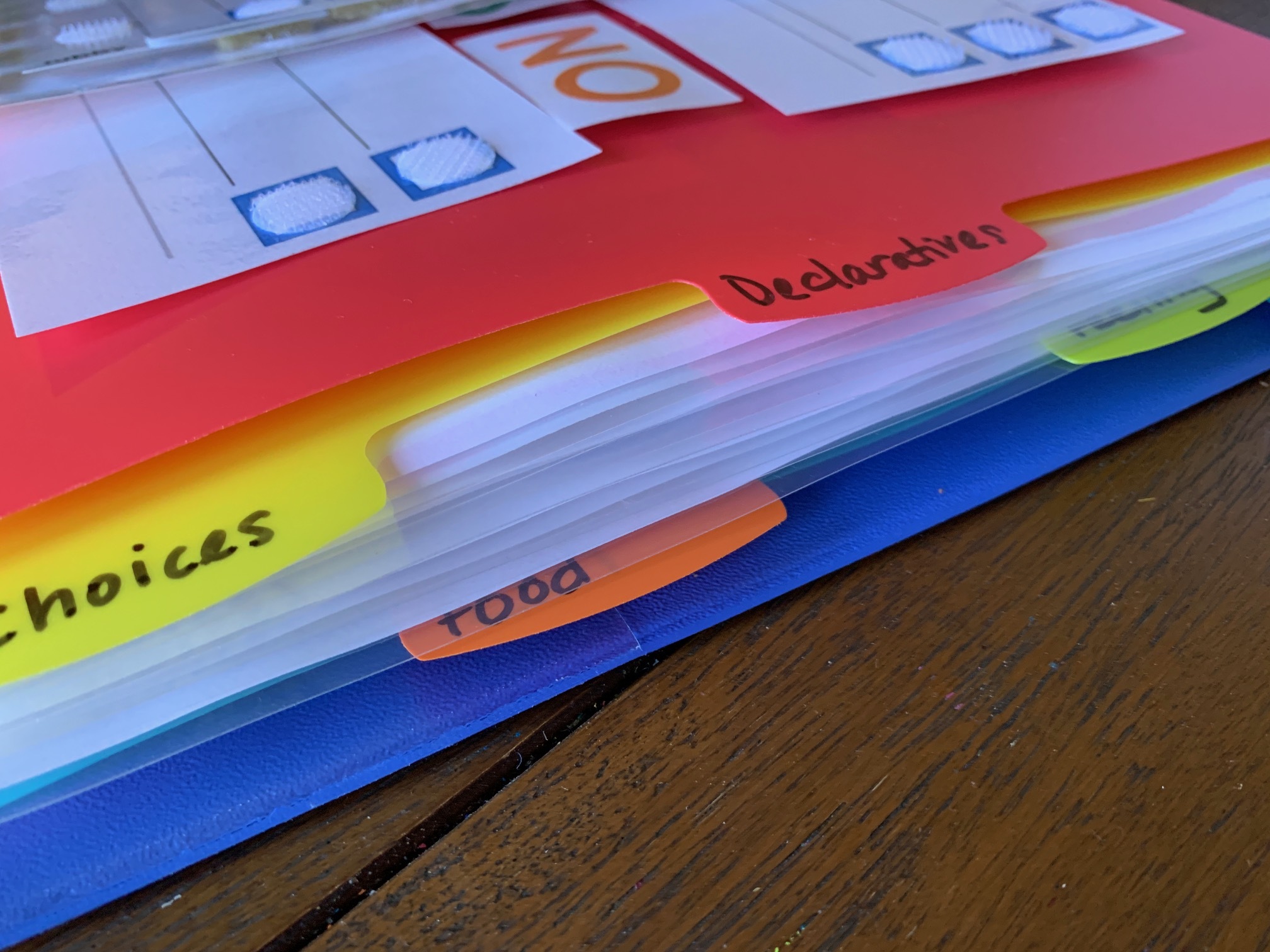
In the weeks since, she has developed her own communication system for Dylan, which involves a binder of laminated pages, schedules and lots of Velcro, allowing for him to tick off items as he’s completed them.
“Remote learning doesn’t work for everybody, and unfortunately, Dylan is one of them,” Ms. Covell said. “He would not understand that these teachers are appearing on a screen and they want to teach him something. If you think about it for a second, the idea is pretty abstract. And if you have somebody who is a completely and utterly concrete thinker, the idea that your teacher is going to appear in a TV screen is a little weird.”
At Southampton schools, an estimated 241 students have an IEP, according to Patricia Desiderio, assistant superintendent for student services. Of them, about 80 percent are meeting remote learning expectations with the support of special education teachers and assistants, she said. Related services — such as speech, occupational and physical therapies, and counseling — compliment a shared approach.
But 20 percent of the special education population in the district is not thriving with distance learning, requiring the team to “consult constantly and coordinate efforts with the family, so that activities are organized, visuals are provided, live demonstrations are shared, and all services are structured within,” said Ms. Desiderio, describing the effort as “intensive.”
“It’s so tough — and it’s toughest on the families,” she said. “They are now the substitute teachers, as most families are, but to provide instructional guidance and support from the level of interventions it takes a team to provide for these kids when they’re in school, in the building? It’s so many layers that require so much further engagement and supervision and involvement on the families. So our hearts are going out to them.
“As much as we’re worried about the students, we’re just as worried about the families and trying to support them — socially, emotionally and academically, as well,” she added.
For Erica Remkus — whose 11-year-old son, Jack, has attended schools for special needs since he was 3 — the adjustment has proven to be “very difficult,” she said during a recent telephone interview from their home in Sag Harbor. Before the statewide shutdown, Jack would leave for school at Eastport-South Manor at 7 a.m., return home at 4 p.m., and work with an after school aid until 6 p.m.
“Now he has nothing. There’s nothing happening,” she said. “I would say that is probably one of the most difficult things that I’m dealing with. Now, suddenly, I’m the teacher and the mom, and he doesn’t want anything to do with me as his teacher. He never has. He’s always been that way. It’s been, I’m Mom, and that’s it, and I’m not teaching him anything. He’s like a 3-year-old, so he’s quite behind. I think that’s been difficult, for him and for me. It’s every day, the same, over and over again. Every day is like Saturday.”
Distance learning is not an option for Jack, who has autism as well as a neurological disorder, his mother explained, and he is mostly disinterested by the worksheets his school sent home. Achieving an hour of learning per day is a rare victory, she said, and considering their long-term plan is daunting.
“I try not to look too far in the future,” she said. “My son has a one-on-one all the time, for everything, all day at school. He needs constant, 100 percent supervision, no matter what he’s doing — whether it’s trying to sort blocks, or anything else, watch TV. He needs constant, constant, constant supervision. Some kids with delays or special needs, they can have a conversation, they can do some work. They might not want to, but they have the ability to do it. Jack doesn’t.”
While Jack is not showing signs of regression — “He just doesn’t progress,” Ms. Remkus said — it is a very real concern for Ms. Desiderio, as the state mandate pushes schools further from reopening.
“There are students who are already on our radar that we’re going to be looking at for when we return,” she said. “What do we need to be doing differently for them, whether it’s compensatory education or not? We might need to be doing very different and/or summer services to compensate for any regression noted, or any challenges they had to access this information, or that their progress hasn’t been significant. We’re going to stop and review each and every child’s IEP and say, ‘What do we need to be doing now?’ in light of that.
“For now, there are strategies being addressed to make sure we do a better job at reaching each and every individual child, no matter what,” she added. “Easier said than done.”
In spite of the challenges, remote learning is working for the majority of the district’s special education population, Ms. Desiderio pointed out, explaining that it plays to some of the students’ strengths, such as preferring solo learning — as is the case with 15-year-old Ben Halucha of Hampton Bays, who is autistic and attends Beyond Boundaries in Riverhead.
“Basically, the very first week that schools closed, we were kind of on our own. It felt really overwhelming at the beginning,” said his mother, Sherri Halucha. “But the second week, Beyond Boundaries told us the district approved two hours of remote learning per day, which is typical for non-IEP kids, and it seems to be working really well for him. It’s so much better than nothing.”
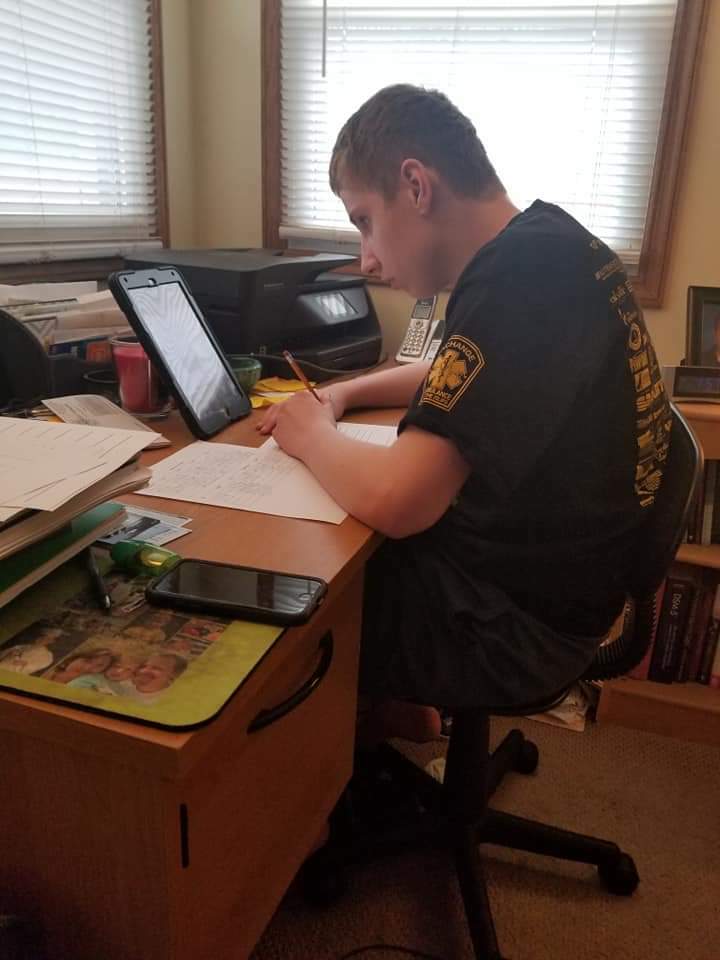
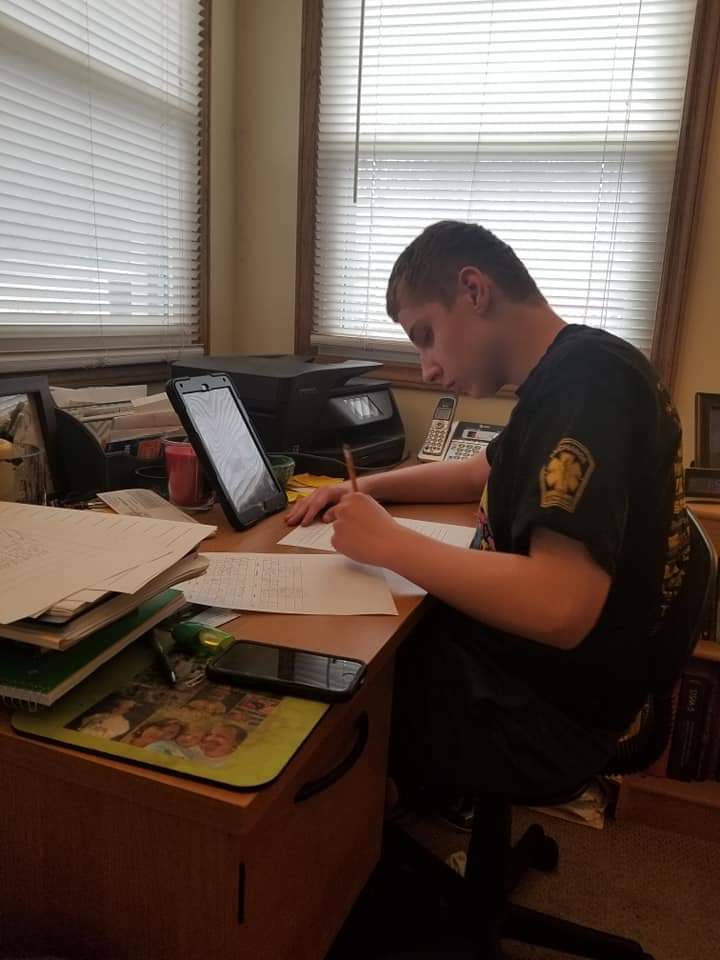
Every school day, Ben sits down in front of his iPad — “It’s his favorite thing,” Ms. Halucha said — and works with his teacher from 10 to 11 a.m., and again from 1 to 2 p.m. The break is key, his mother said, as are the mini-breaks every five to 10 minutes during the lessons themselves. However, his related speech and occupational therapy services are not provided remotely at this time.
“We’re settling into a little bit of a rhythm now with things, and it feels more manageable now than it did a few weeks ago,” Ms. Halucha said. “Priorities have shifted. The most important thing is our health and wellbeing, and I really understand that now more than I did. It’s not that we’re stuck at home. We’re safe at home, we have what we need, we have our income, thank goodness, and we can really just continue on.”


 Michelle Trauring on Apr 17, 2020