


 7 Photos
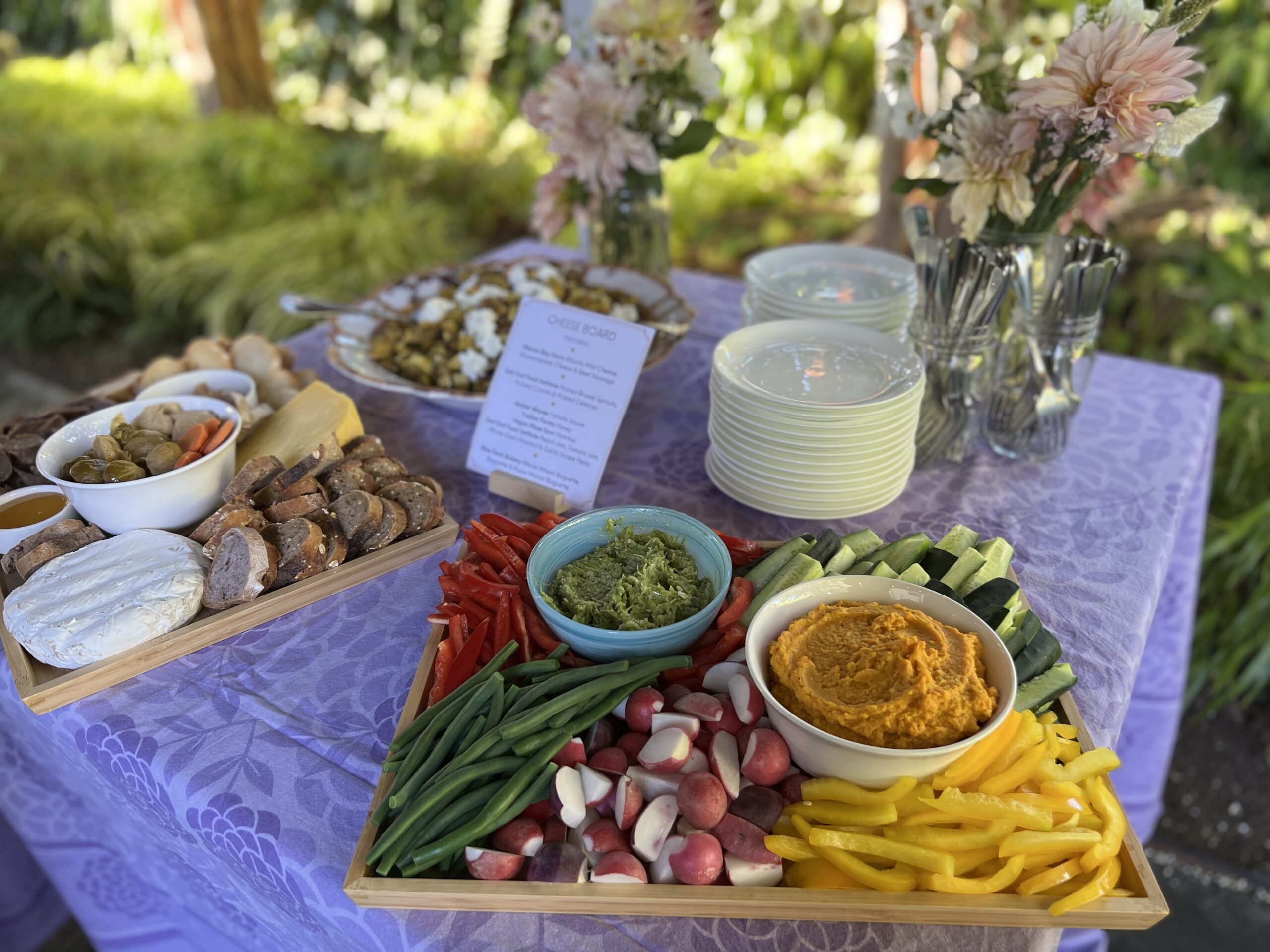
The East End Food Institute, a nonprofit that builds partnerships between farmers, food producers and food consumers on the East End, held a cocktail event at Nick and Toni's restaurant in East Hampton on September 15 to announce the launch of a new project, the creation of the East End Food Hub. COURTESY EAST END FOOD INSTITUTE
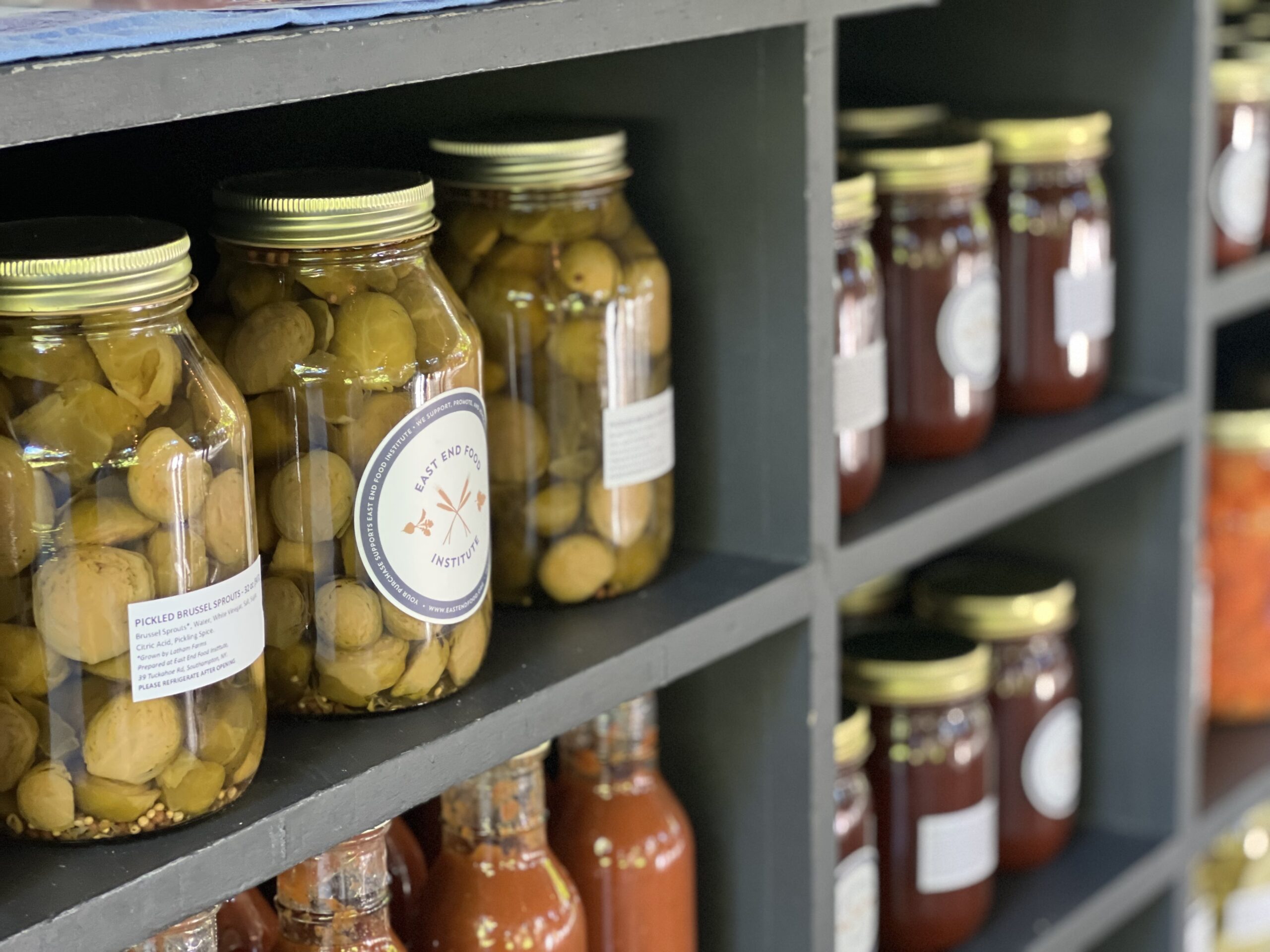
The nonprofit East End Food Institute hopes that its new project, the East End Food Hub, will help centralize aggregation, processing and distribution of local foods. COURTESY EAST END FOOD INSTITUTE
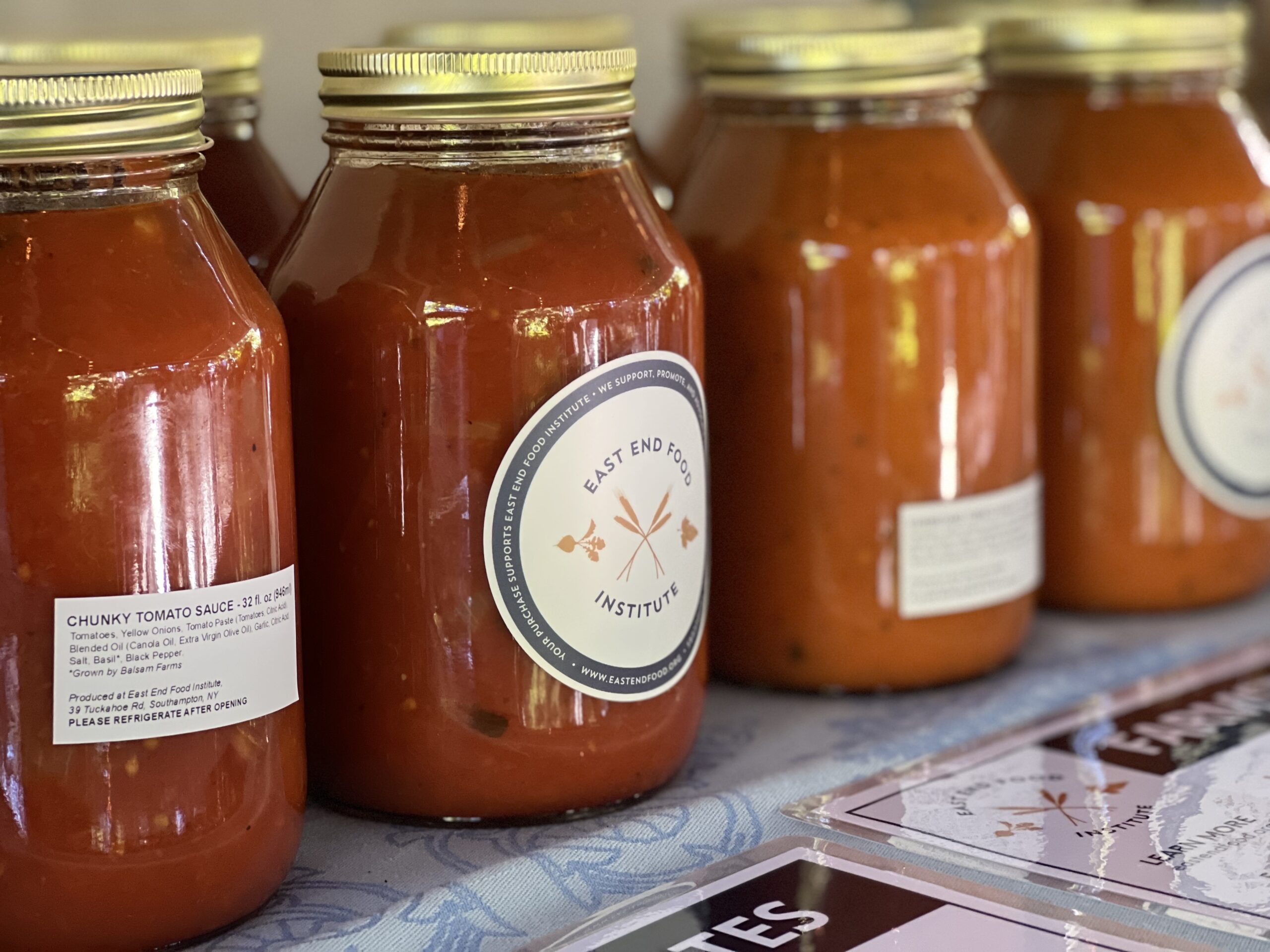
The nonprofit East End Food Institute hopes that its new project, the East End Food Hub, will help centralize aggregation, processing and distribution of local foods. COURTESY EAST END FOOD INSTITUTE
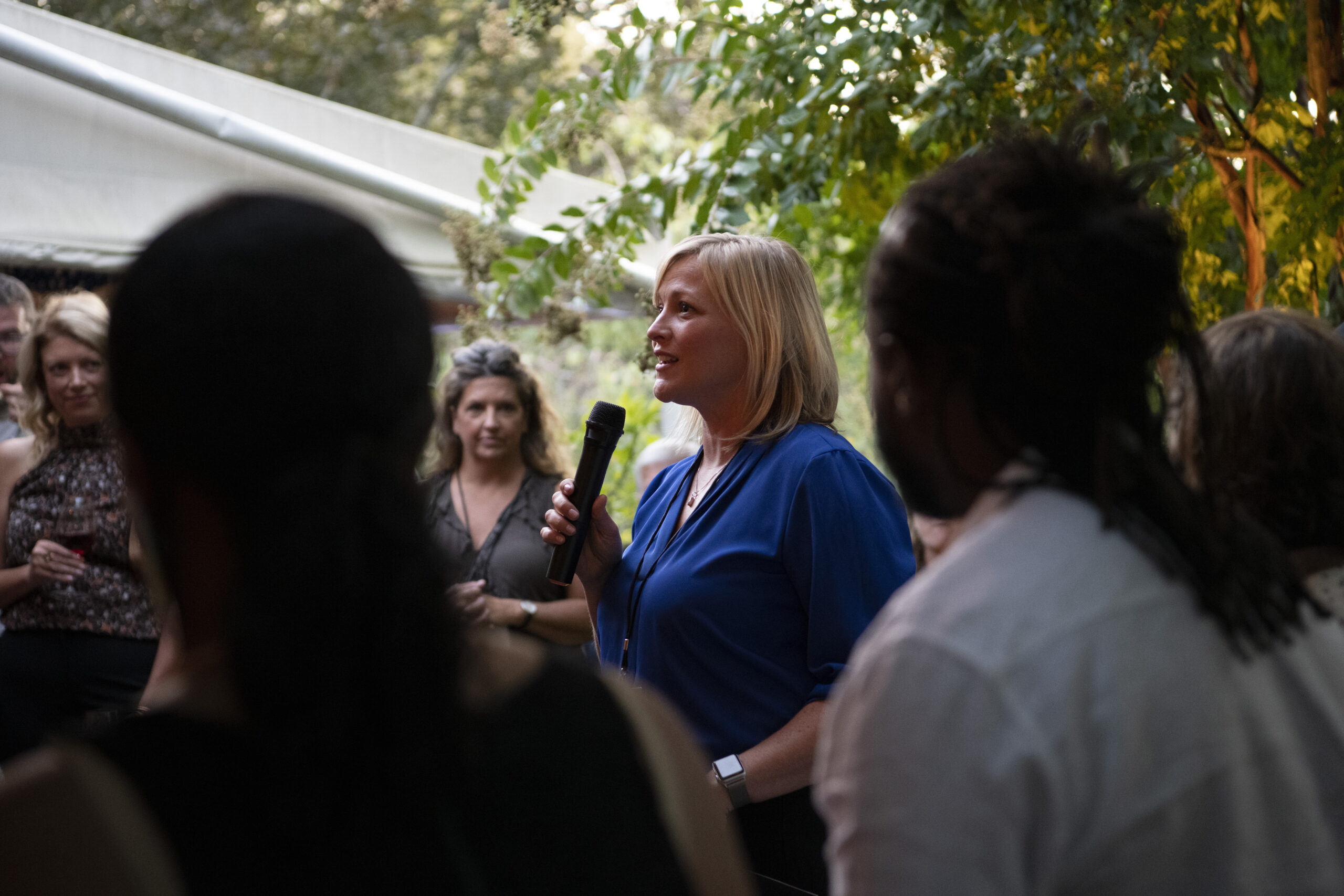
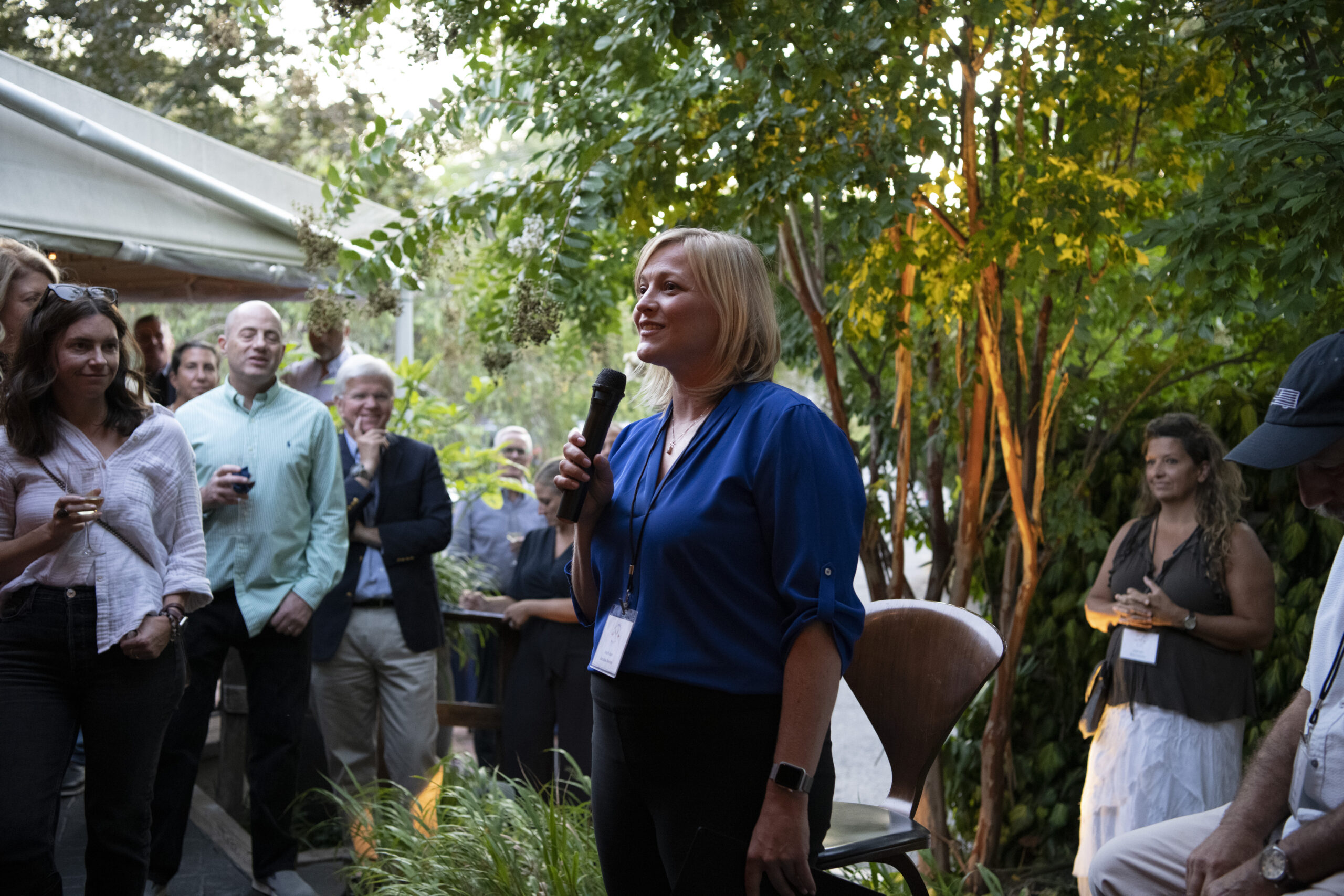
East End Food Institute Executive Director Kate Fullam addresses supporters at the cocktail event at Nick and Toni's Restaurant in East Hampton on September 15. COURTESY EAST END FOOD INSTITUTE
East End Food Institute Executive Director Kate Fullam addresses supporters at the cocktail event at Nick and Toni's Restaurant in East Hampton on September 15. COURTESY EAST END FOOD INSTITUTE
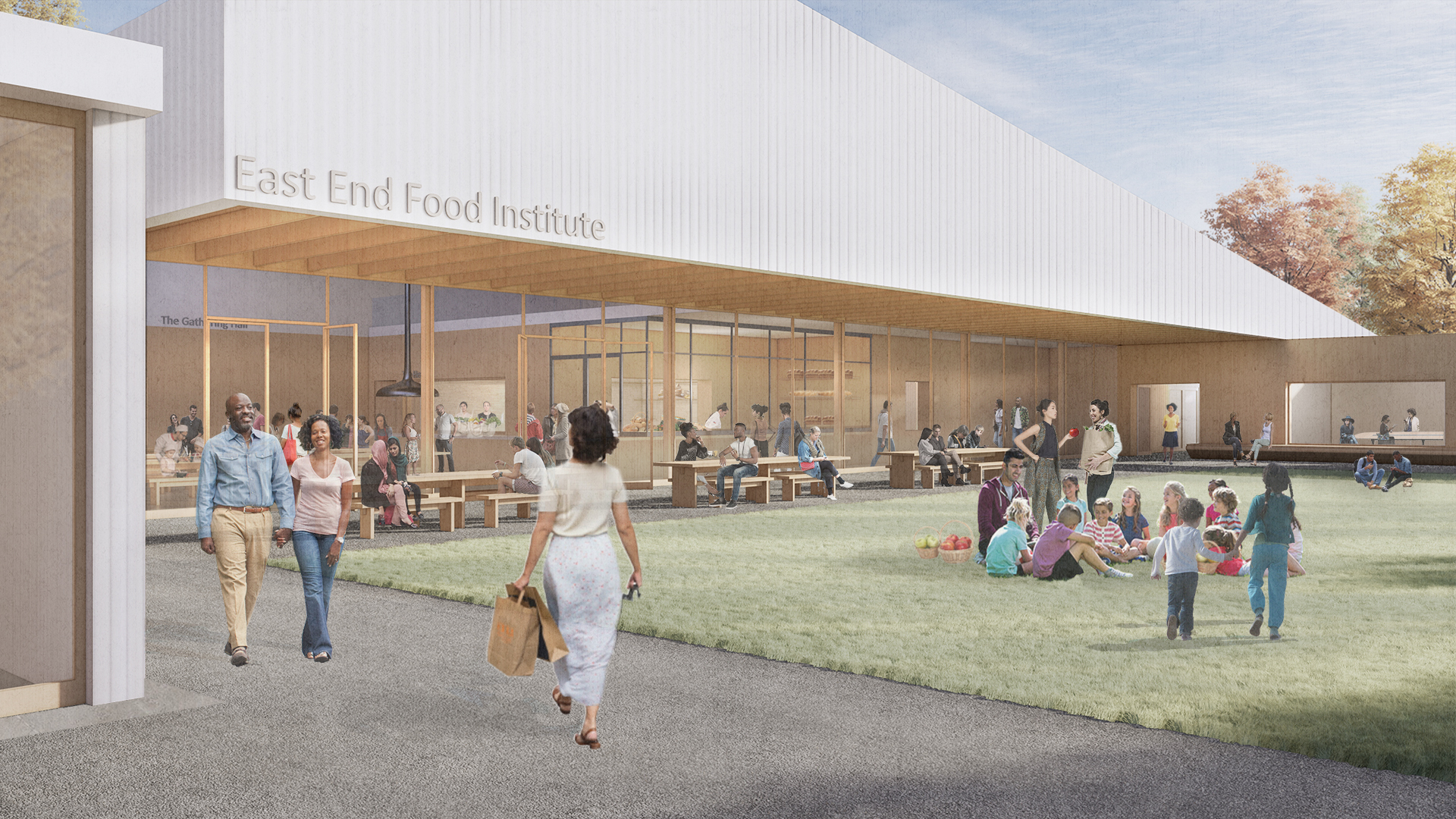
Renderings of plans for the proposed multi-million dollar East End Food Hub, which will be built in the location of the former Homeside Florist property in Riverhead. COURTESY EAST END FOOD INSTITUTE
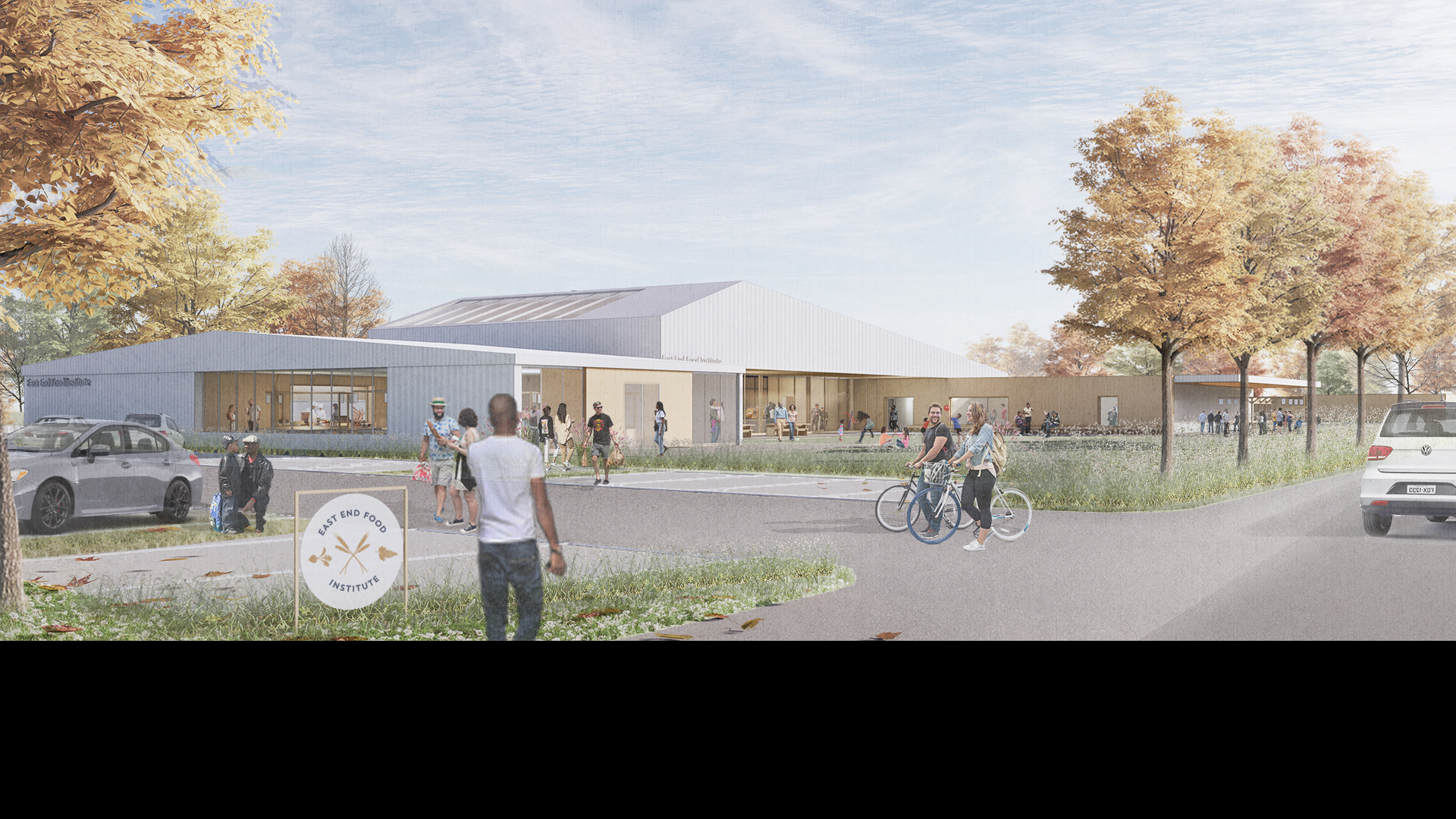
Renderings of plans for the proposed multi-million dollar East End Food Hub, which will be built in the location of the former Homeside Florist property in Riverhead. COURTESY EAST END FOOD INSTITUTE
Since its inception, the East End Food Institute — a nonprofit organization that builds partnerships among farmers, food producers, and food consumers from Long Island to New York City and beyond — has centered its purpose on a core philosophy: Everyone in the local community should be able to access locally grown food and food products.
Making that a reality is harder than it might seem, requiring a lot of coordination when it comes to processing and other logistics. But thanks to the dedication of several partners, from farmers and food producers to other engaged and influential members of the community, the institute has been making steady progress toward that goal.
At a special event at Nick and Toni’s Restaurant in East Hampton on September 15, Executive Director Kate Fullam announced that the institute was launching a new project that it believes has the potential to “revolutionize” how residents in the region obtain food, while also bolstering support for local food producers.
The development of what the institute is calling the East End Food Hub will, according to Fullam, “help to diversify revenue streams for farmers while ensuring there is healthy, farm-fresh food for all people in need.”
The hub will be located at the site of the former Homeside Florist and Garden Center in Riverhead, where the institute currently hosts an indoor farmers market, which will run on Friday evenings through the month of October.
Transforming that site into a food hub is projected to be a $15 million to $20 million project, with myriad features. Emphasis will be placed on ramping up processing and distribution efforts, allowing the organization to create its own food products using produce and ingredients from local farms, and get it out to schools, nursing homes and other institutions across the area. It will also be a place where farmers and food producers can process and create their own goods as well, including frozen food. The institute hopes that the creation of the food hub will also help to foster the creation of new markets for Long Island food growers and producers and their products.
Renderings for phase one of the project have already been completed by Garnett DePasquale Projects. Those plans include a $1.5 million renovation of the existing building, which will include a revamped indoor farmers market as well as a community kitchen that small-scale farmers and food producers can use to produce their own goods.
Eventually, the hub would also include a larger processing facility for larger scale production, as well as a “farm to freezer” facility, which will allow local farmers to create food that can be sold during the winter months.
Fullam said it would be great to see local produce sold not only in the regular produce aisle of local stores but in the freezer aisle as well, which would provide another way for local food to reach more people. Additional warehouse space will be another new asset for the hub, and there are even plans to create housing both for seasonal workers and for food conference attendees.
The institute has been involved in these kinds of efforts before, but the creation of the hub will allow the organization to expand its reach and do even more.
The institute has been running a community kitchen at the Stony Brook Southampton campus, turning produce from local farmers — for instance, tomatoes — into its own tomato sauce, complete with East End Food Institute labels.
Fullam and her colleagues at the institute know that too frequently, local produce and food products made with local ingredients are often more expensive and harder to access, meaning that a certain degree of privilege is necessary in order to access it, and local farmers aren’t reaching as big of an audience as they could. The institute wants to democratize the process — to see salsa made with tomatoes from Balsam Farms served in local school cafeterias and area hospitals. Logistics have traditionally been the obstacle to making “farm to institution” viable, Fullam said. The creation of the hub would allow for the higher volume production that would make it possible.
In essence, the hub will be an opportunity-maker when it comes to offering locally grown and sourced food to more people.
“If a school wants to offer roasted butternut squash or local tomato sauce, but they don’t have time to process it, we can do that,” Fullam said.
She added that the institute knows there is demand for that kind of service because it has been “bursting at the teams” in its current infrastructure at Stony Brook Southampton.
“We realized we needed to design a facility that can not only service small-scale food distributors but also higher volume produce processing to satisfy demand from customers and farmers,” she said.
When it comes to the physical location of the hub, Fullam said the site is perfect, and makes it even more imperative to get things right when it comes to the design and execution of the plan.
“This project is really important because the location is at such a visible corner, and so we can engage a lot of different people,” she said. “Access to local food is not just a basic right, but also a responsibility, and we’re really looking forward to designing the space so there are public areas that have windows allowing people to look into the processing spaces.”
Fullam said ensuring that the hub is “resilient, equitable and sustainable,” and is always striving to hit that “triple bottom line of economy, environment and equity,” is imperative as well. Part of the beauty of the hub, when it is fully operational, will be the opportunity it will create to make local food available year ’round, thanks to flash freezing, canning, and jarring — essentially, a large scale, community homesteading type of approach to making local food available at any time.
Fullam made the important point that strengthening local food systems is more important now than ever. The pandemic made it clear how much havoc food shortages can wreak, and how disruptions in the global supply chain can have big impacts locally, especially in farther flung locations like the East End.
“The system we have now is fragile, and we need local resiliency,” she said.
Building toward strengthening that local food system with the creation of the hub will require more patience. There’s more money that still needs to be raised to make every phase of the plan a reality, and the institute is working on applying for grants and other avenues of funding.
Fullam said she and her colleagues at the institute are hoping to have a better idea in a few months of how to phase out the project.
She said that if everything goes smoothly, including permitting from various land use boards and government entities in the Town of Riverhead, renovation of the building could begin next spring.
For more information on the East End Food Institute, visit eastendfood.org.


 Cailin Riley on Sep 28, 2022