



 9 Photos





A local farmer in search of a parcel of land to farm on is interested in Aldrich Lane Park on North Sea Road in Southampton Village that is jointly owned by the village and Southampton Town.
The two municipalities have never agreed on a specific use for the land, which they purchased jointly in 2001 for $1.6 million using Community Preservation Fund dollars.
Village officials on Tuesday night opted to table a resolution to enter into a license agreement that would lease the land out for agricultural use, saying they want to explore other options.
According to an agreement prepared by Mary Wilson, the town’s Community Preservation Fund manager, Juan Soledad would be allowed to farm nearly 6 acres of parkland for $150 per acre for a total license annual fee of nearly $870.
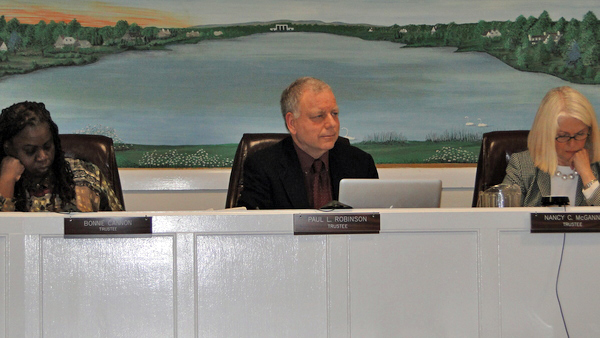
But Village Trustee Paul Robinson, acting in his role of deputy mayor while Mayor Mark Epley was on vacation, said on Tuesday he would like to entertain other ideas.
“I’m hoping that someone in the community will step forward and make some other suggestions that we can take a look at and consider,” Mr. Robinson said, listing a dog park, basketball courts and a community garden as examples.
Trustees Bonnie Cannon and Nancy McGann agreed with the decision to table the measure. Trustee Richard Yastrzemski was absent.
Ms. Wilson said on Wednesday morning that Mr. Soledad had approached the town in search of farmland to lease after other land he was utilizing became unavailable.
“Aldrich Lane has prime ag soils,” Ms. Wilson explained. “It’s got the best soil for farming, so we always felt that if we could incorporate some ag stewardship on it, it’d be a good way to manage the property.”
She said once the Village Board signed off on the lease agreement, it would be presented to the Town Board. When asked about parkland, she replied that multiple uses could be possible, including use as open space.
Mr. Soledad could not be reached on Wednesday morning, but the mayor said via e-mail that the farmer had rented land from the Ludlow family in Bridgehampton until they expanded their cheese-producing business and needed their land back.
Aldrich Lane Park is the subject of an unresolved lawsuit between the village and town. The town sued the village in 2007, charging that plans by Mr. Epley to plant shrubbery and create an open-air hiring site for day laborers who congregate near the site was a misuse of the Community Preservation Fund.
The Southampton Colony Chapter of the National Society of Daughters of the American Revolution donated $10,000 to Southampton Village last week to be used toward the village’s planned renovation of its aging World War I memorial in Agawam Park. The donation, which was received on February 15, more than doubles the amount of money that had been raised since the project was announced in July. But funds raised for the restoration are only about 6 percent of the project’s estimated cost of $250,000.
According to Village Administrator Stephen Funsch, the 38 donations received toward the restoration now total $15,242. Village officials had originally hoped to start the work last fall.
The Village Board on Tuesday, as expected, chose a consultant, Webb Management Services, to help usher in a new era for the Parrish Art Museum building.
Mayor Mark Epley is now expected to sign a contract with the company, which will work with the village to determine uses for the historic museum building on Jobs Lane, keeping in line with the village’s plans to highlight its Arts District.
The cost of the service is expected to be about $47,500. Jen Mesiano, the village’s grants coordinator and one of the members of the committee that ultimately selected Webb, told the board on Tuesday that additional options could add several thousand dollars to the cost, but that Webb had the lowest cost of all proposals.
The Manhattan-based firm was selected by a committee of village officials and residents from four finalists and 10 overall bids. Its mission, according to its website, is to “support creative ventures with sound and imaginative planning and services.”
Its prior work on the East End includes conducting a feasibility study for the potential relocation of Sag Harbor’s Bay Street Theatre in 2006.


 Colleen Reynolds on Feb 23, 2011