


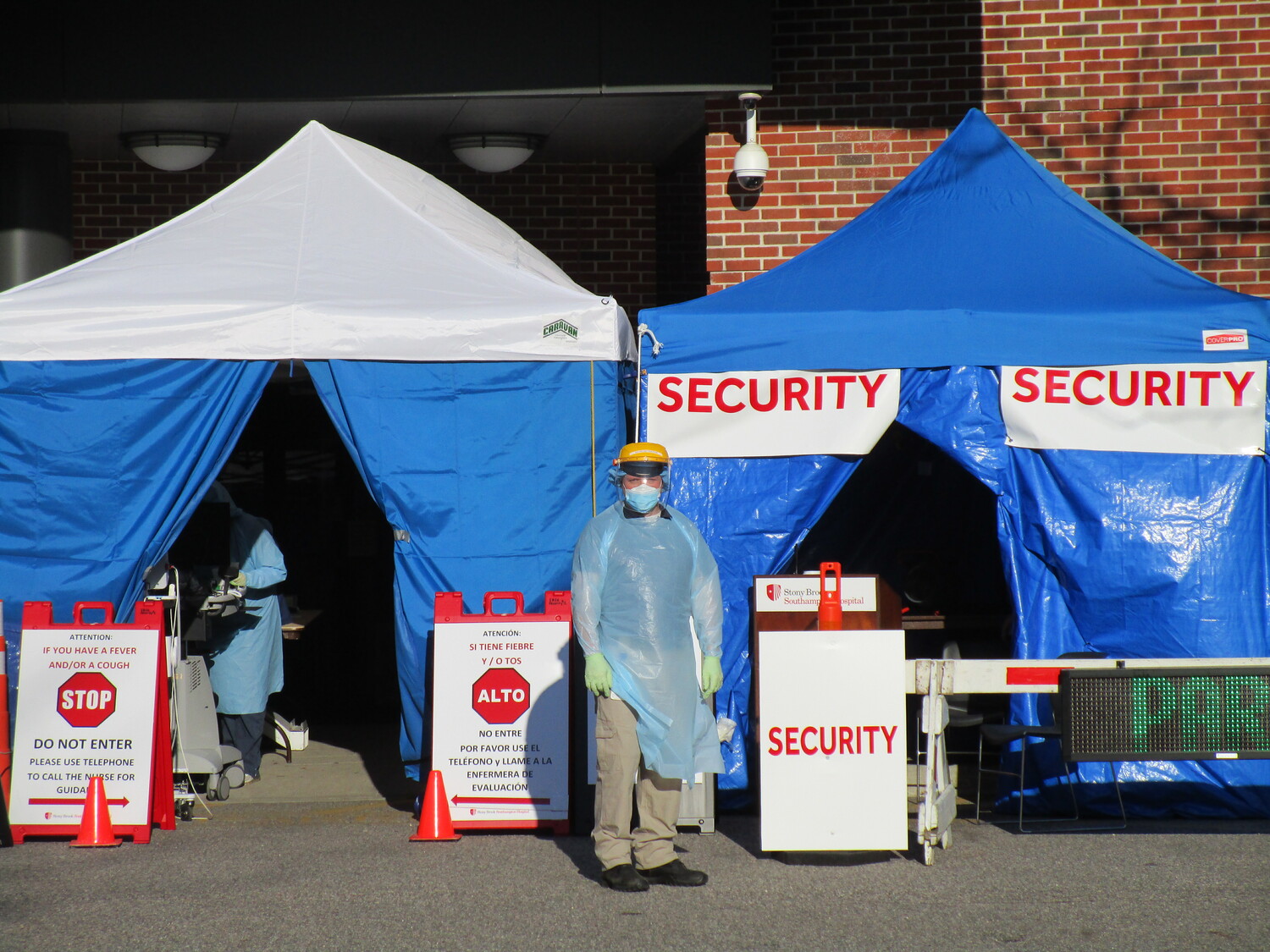
 1 Photo
Five years later, the virulence of COVID-19 has withered to a shadow of its fearsome former self, and less so than even the common seasonal flu, medical officials say — at least, for the time being.
In the first year after it arrived in the United States in February 2020, the COVID-19 virus caused the deaths of more than 530,000 people above what the National Institutes of Health say would have been expected to die in the same time frame.
Worldwide, some 15 million people are estimated to have died from the SARS-CoV-2 coronavirus since late 2019, when it first emerged in Wuhan, China.
But, today, just five years after the official beginning of the pandemic, the virulence of COVID-19 has withered to a shadow of its fearsome former self, and less so than even the common seasonal flu, medical officials say — at least, for the time being.
This winter, in particular, the coronavirus has been especially docile.
In the two years since the early major deadly strains faded from prevalence and the pandemic officially ended, COVID had set itself apart from the flu thanks to its year-round persistence. Whereas the vast majority of annual flu infections come in the colder winter months, COVID had demonstrated a knack for continuing to pop up throughout the warmer months when people are spending more time outdoors causing clusters of infections year-round, and driving a spike in infections, often serious ones, in the early to mid-summer months, along with one that typically paralleled the flu season in winter.
This year, the winter COVID spike, on the East End anyway, does not seem to have ever really materialized.
“What we’ve seen this year, and I’m not exactly sure why, is the number of cases hospitalized from COVID didn’t peak like we saw in prior years,” Dr. Fredric Weinbaum, the chief medical officer at Stony Brook Southampton Hospital, said on Tuesday — the fifth anniversary of the COVID-19 disease being labeled a pandemic by the World Health Organization.
As of Tuesday, Stony Brook Southampton had no patients admitted for severe cases of COVID-19, but had a handful of those suffering from flu. Throughout the winter season, COVID-19 has taken a back seat, medically speaking, to the seasonal flu and the respiratory syncytial virus, or RSV, Weinbaum said.
The veteran hospitalist surmised the plateau of infections may be driven by high vaccination rates of the past and the prevalence of previous infections and the immunity built naturally through contracting and weathering the viral infection — so a lot of people still have significant immune defenses built up that are effective against the current strains of COVID-19.
It may not last.
Like the flu, the Centers for Disease Control and Prevention have begun developing annual vaccines against COVID-19, tailored to the specifics of the most common strain of the virus being seen in the population.
But as COVID has faded from public eye, the number of people who got this year’s COVID vaccine has fallen to only about 23 percent of adults. That is considerably fewer than got the annual flu vaccine, but the rates of vaccination against either viral infection declined steeply for the 2024-25 winter season compared to a year ago.
For COVID, for the time being, that does not seem to be having a major impact. Fewer than 300 people died of COVID nationwide in February, according to the National Institutes of Health.
But the one thing COVID does particularly well is change its ways.
“In health care, we’re very suspicious of COVID, in terms of its ability to mutate,” said Melody Butler, the director of infection prevention at the hospital. “We still use N-95 masks and gowns and gloves when treating COVID patients. We don’t do that for treating flu patients.
“We’re constantly monitoring for mutations,” she added. “Right now, it’s mimicking the mild respiratory symptoms we see in other viruses. I worry that people will get so lackadaisical about it that we’ll miss the beginning of the next mutation. Right now, we’re worried about avian flue mutating because that can be more serious and more long-term health implications. But the cause of the next pandemic, I would put my money on coronavirus.”
Weinbaum agreed, noting that the key cellular component to COVID infections — the infamous “spike protein” that was the star of the vaccine development era — is particularly prone to mutations that can give immunity the slip. Thus far, such a mutation hasn’t arisen in the COVID evolution, but the one that does could always be right around the corner.
“Right now, we’re in a very good place. But it is possible that COVID comes back with great virulence,” he said.
And complications do still linger with the current endemic pattern of COVID infections. The more times a person is infected with COVID, even the less virulent strains circulating today, the greater the chance they will develop the lasting health complications referred to as “long COVID.”
“By the third infection, you are at a 40 percent higher risk for developing long COVID,” Butler said. “That can be constant tiredness, cognitive issues — ‘brain fog’ — breathing difficulties, heart palpitations, getting out of breath easily, joint and muscle pain, loss of taste and smell. There’s evidence that one in five people who have contracted COVID have experienced some kind of long COVID.”
Both medical professionals said that the best way for residents to continue to protect themselves and their families from COVID infections — now and into the foreseeable future — is to get the annual vaccinations, same as they would the seasonal flu shot.
“There were a lot of lessons learned since 2020 and one of the big ones was the importance of messaging and getting people to understand the science,” Butler said. “We — medical professionals — are not trying to scare anyone. When we come out with new information, it’s for your own good.”


 Michael Wright on Mar 12, 2025