


 5 Photos
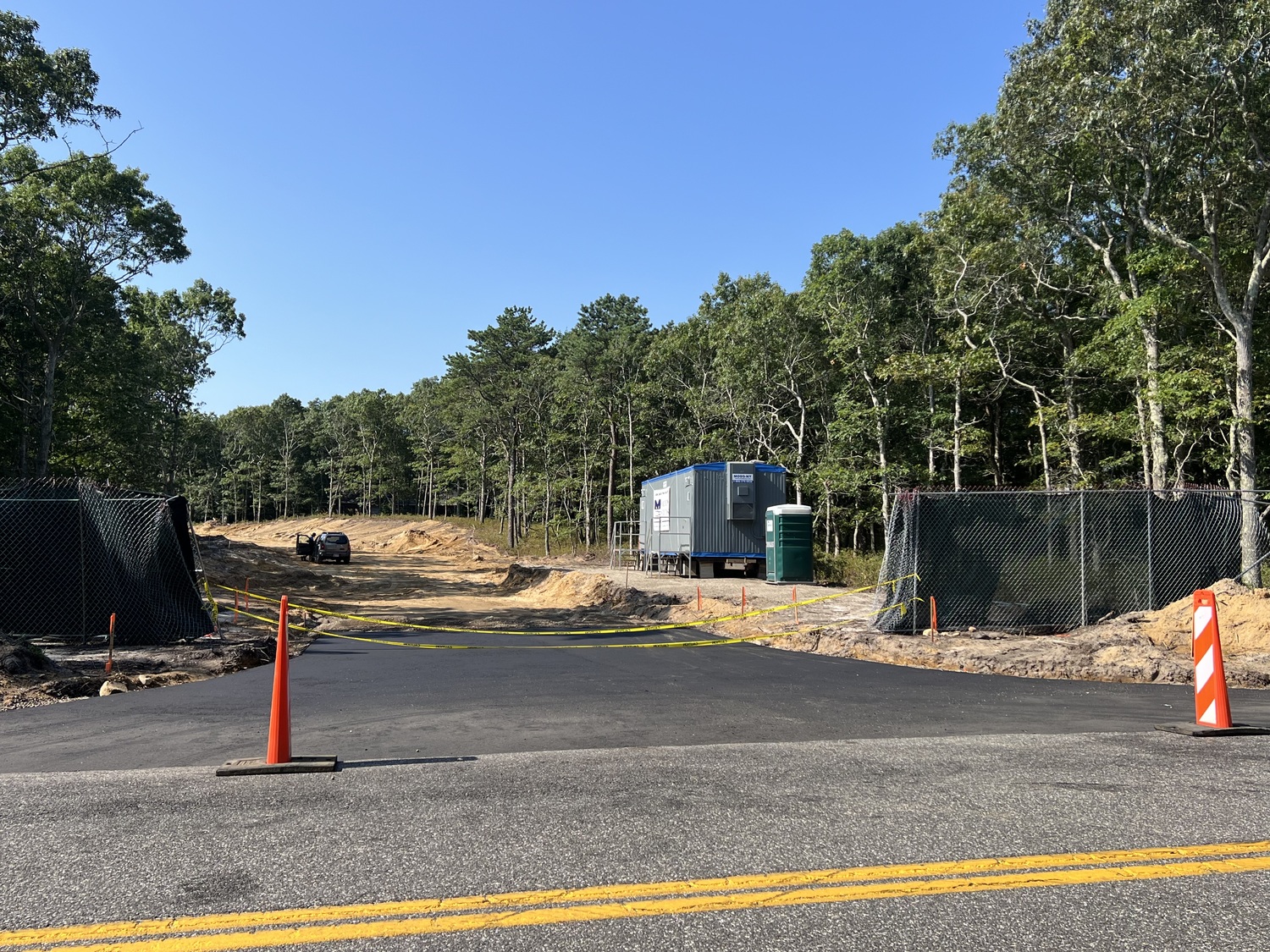
Hampton Bays residents are calling on Southampton Town to take steps to block the construction by the Shinnecock Nation of a gas station, underway off Newtown Road in Hampton Bays. Some suggested that residents themselves should mount a "sit in" protest to block construction vehicles from accessing the site. DANA SHAW
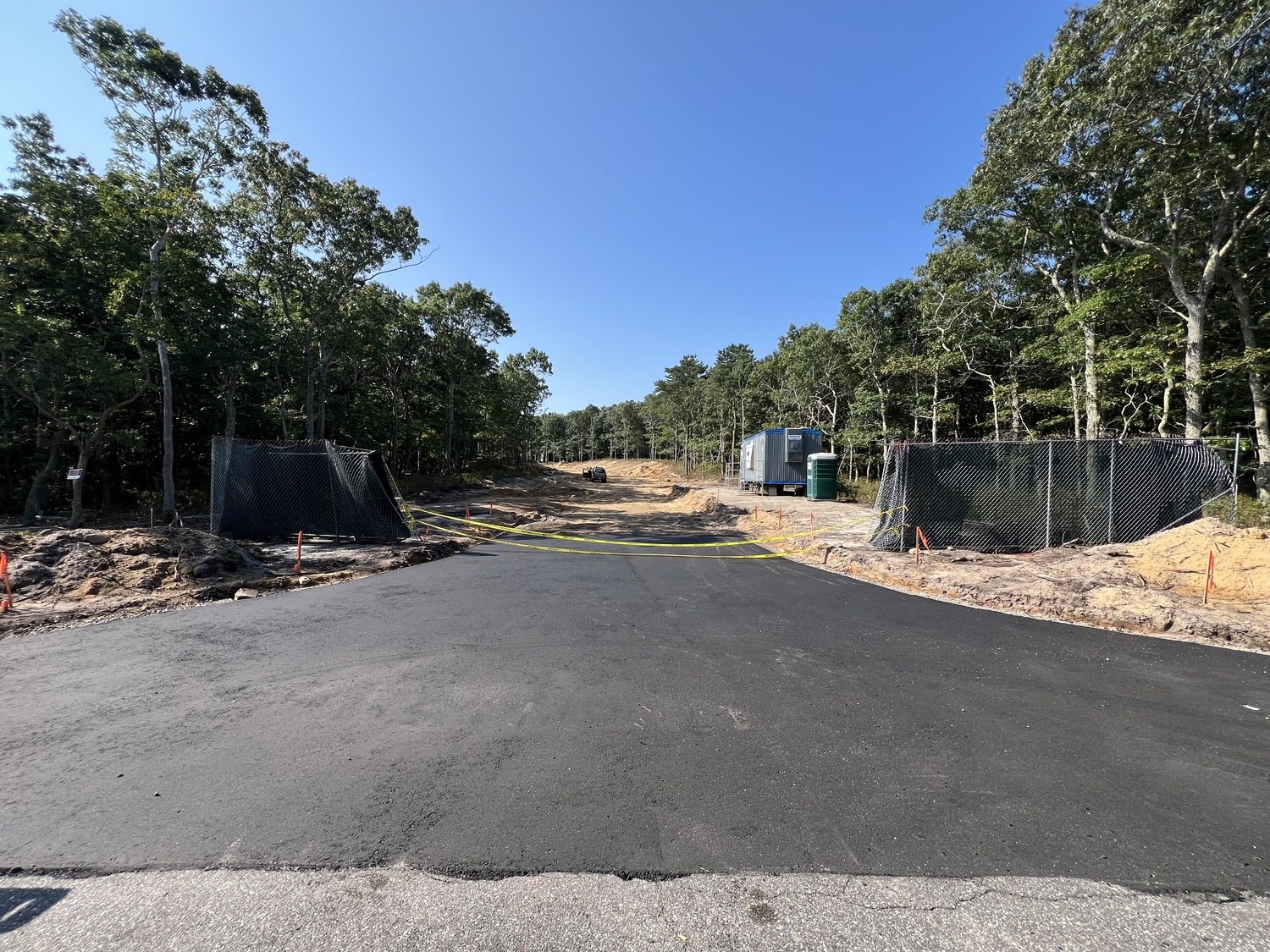
Hampton Bays residents are calling on Southampton Town to take steps to block the construction by the Shinnecock Nation of a gas station, underway off Newtown Road in Hampton Bays. Some suggested that residents themselves should mount a "sit in" protest to block construction vehicles from accessing the site. DANA SHAW
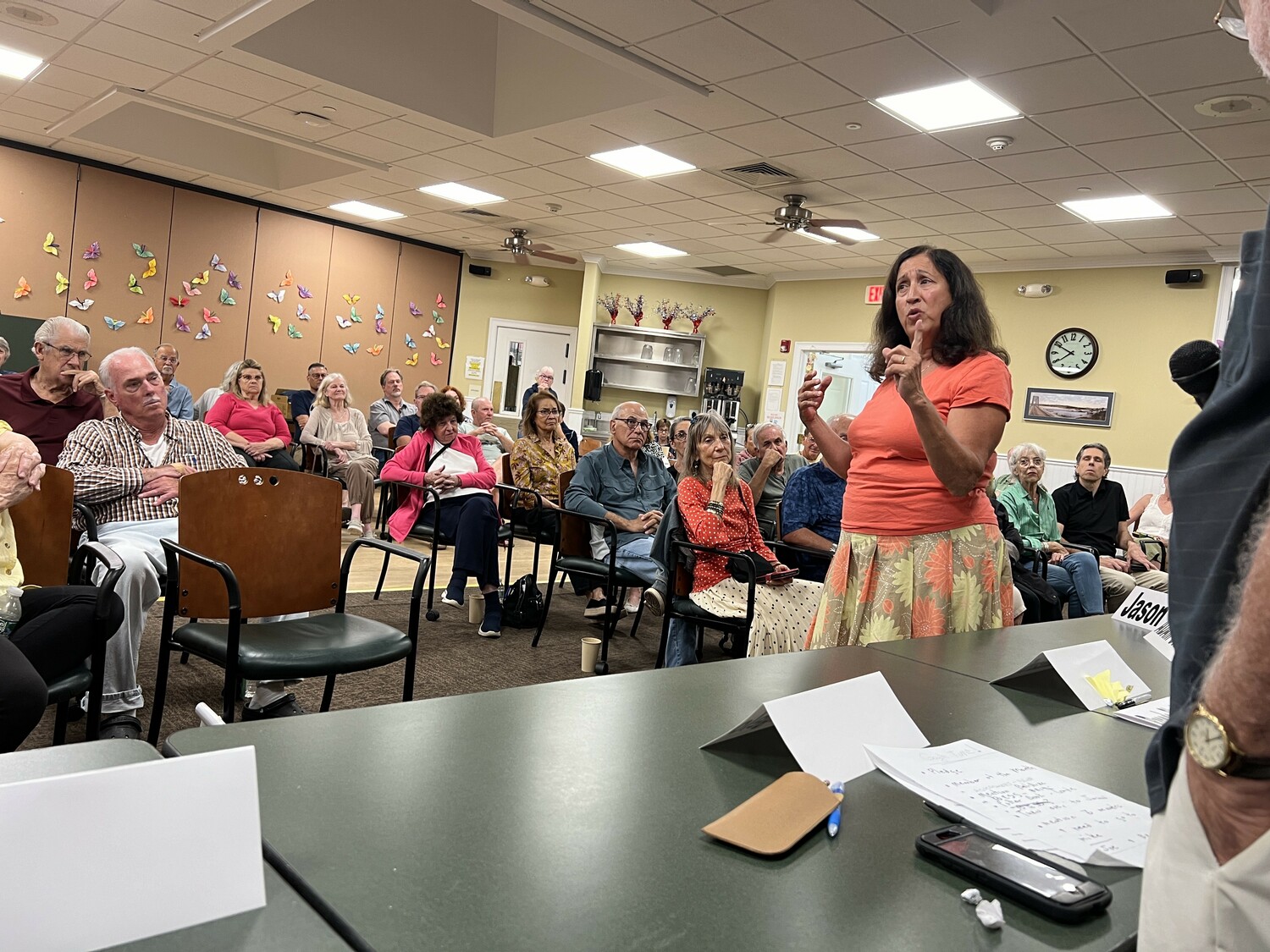
Carol McNeil and other Hampton Bays residents said this week that Southampton Town should be taking drastic steps to stop the Shinnecock Nation from continuing construction of a gas station off Newtown Road. JOE SHAW
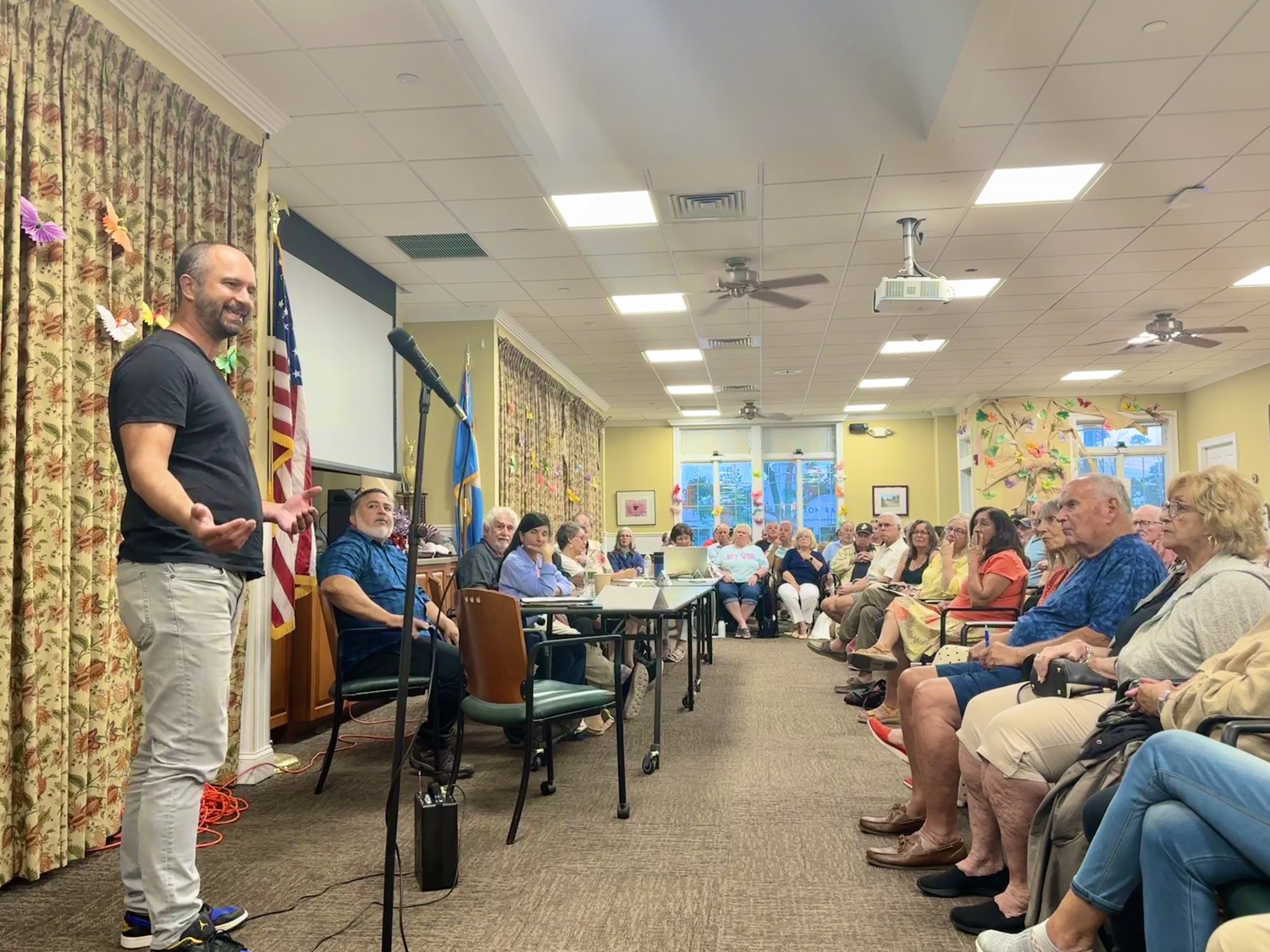
Jason Davis and members of a group called Friends of Peconic told the Hampton Bays Civic Association this week that they are proposing Southampton Town block commercial truck traffic on Newtown Road as a way to halt construction of the gas station being built by crews working for the Shinnecock Nation. MICHAEL WRIGHT
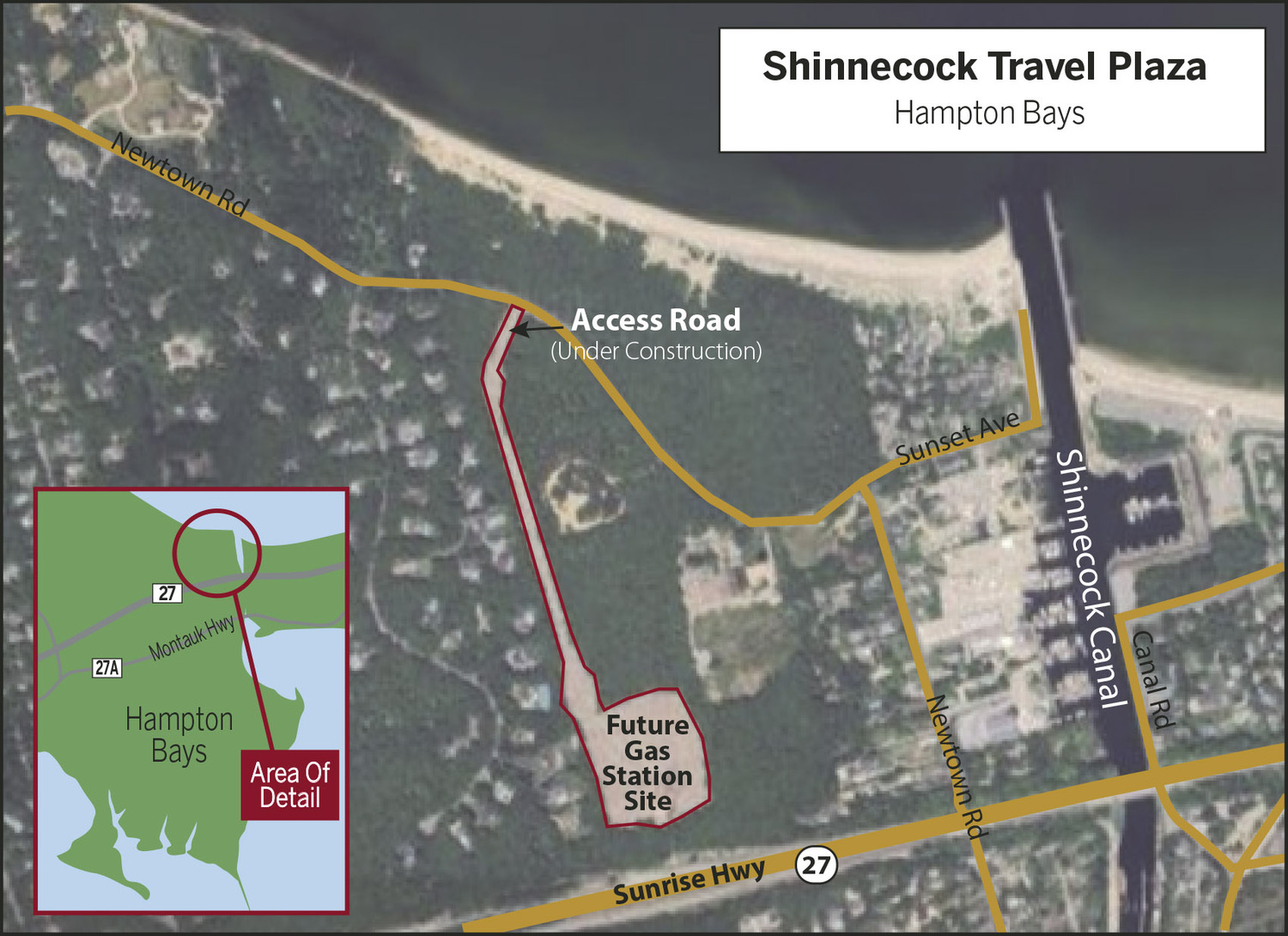
Aerial images on Google Maps now show the land cleared off Newtown Road in Hampton Bays to make way for the Shinnecock Nation's planned gas station. The tribe has ignored stop work orders issued by the town and now Hampton Bays residents are calling on Newtown Road to be closed to commercial truck traffic as a way to halt the ongoing construction of the access drive to the property.
Hampton Bays residents called on Southampton Town to close Newtown Road to commercial truck traffic in an effort to halt construction of a gas station being built there by the Shinnecock Nation.
That project on tribal land has sidestepped the usual local planning and zoning approval process and sparked outrage from neighbors worried about a host of issues that would normally be addressed in regulatory review.
If the town does not take action, some said, residents should consider mounting a “sit-in” style protest to block the road themselves.
The town issued stop-work orders at the site twice in the past week, claiming that the paving of an access road into the section of Shinnecock land where the gas station is to be built had encroached on a town road right-of-way without permission. The posted stop-work orders were torn down.
Shinnecock leaders said this week that they do not believe the town has a right-of-way along Newtown Road where it bisects the tribe’s land.
Construction at the site has continued apace this week.
On Tuesday night, residents of the neighborhoods off Newtown demanded that the Southampton Town Board take immediate legal action to halt the work at the property — repeatedly referencing town zoning rules and the numerous hoops that they or their neighbors would have to jump through to undertake even small construction projects.
Town Attorney James Burke noted that dealing with a sovereign nation like the Shinnecock Nation is not the same as a typical private property owner. He said the town has been speaking with legal specialists about its potential options.
Supervisor Maria Moore said that the town has spoken with U.S. Representative Nick LaLota and representatives of the U.S. Bureau of Indian Affairs.
At a meeting of the Hampton Bays Civic Association on Monday night, August 26, members of a citizens group calling themselves the Friends for Peconic Preservation told a large crowd of Hampton Bays residents that they have proposed to Southampton Town officials that commercial truck traffic be blocked or limited on Newtown Road in some fashion — either a complete closure for commercial vehicles or a closure of access just at the western end of Newtown Road, on the assumption that low overpasses at the eastern end may prevent heavy construction vehicles — and, later, delivery trucks — from approaching the Shinnecock property from that side.
“What our group has asked is at least a limit on commercial traffic on Newtown Road — effective immediately,” said Jason Davis, who co-founded the Friends of Peconic with other neighbors of the tribe’s 77-acre property, known as Westwoods, out of concern over the various development plans for the land.
“Ultimately, our group does support the rights of the nation. As neighbors, we support their economic prosperity and their right to do things that make sense for everyone.
“But the challenge is that everything is moving so fast,” he added. “Our response is … we need to slow things down. We need to have a conversation. We need to bring everyone to the table to discuss the issues — environmental, economic, traffic, safety. It’s like a ball rolling downhill. Nobody can keep up with it, and the road will be finished in a couple weeks.”
He noted that the Shinnecock have said that their intention is to have the gas station accessed off Sunrise Highway, and not via the circuitous Newtown Road, but that whether the State Department of Transportation will allow access to the highway is very much in doubt.
The state is still locked in a five-year-old legal battle with the nation over two electronic billboards, or monuments, the Shinnecock erected on the side of the highway in the same area without any of the permits the state said were required.
In 2021, the State Department of Transportation issued a stop-work order on the construction of the second of the electronic billboards the Shinnecock erected on Sunrise Highway. The tribe said it did not believe the state had the authority to issue the order and completed the construction. The state threatened to take action to remove the billboards, but they both still stand.
If Newtown Road is the only access to the station — which is planned to have 30 gas pumps and sell gas and diesel at greatly reduced rates by virtue of the Shinnecock’s exemption, as a sovereign nation, from having to pay state taxes on gasoline — Davis said there are extensive concerns about streams of traffic using the roadway, including large diesel trucks that would pose a significant safety hazard traveling through residential neighborhoods.
Davis acknowledged that limiting commercial vehicles on the road could pose problems for all residents if, for example, it blocked oil delivery trucks from servicing other private homes.
Reached on Tuesday, Shinnecock Nation Chairwoman Lisa Goree said that the opposition to the tribe’s construction work is hypocritical of neighbors.
“Why do they want to stop our construction vehicles from getting there — have they tried to stop other construction vehicles from going down Newtown Road to build their houses or swimming pools?” Goree said. “They want to do this because they don’t think we have the right to build on our own land.”
She also said that the tribe has seen no evidence that the town had been granted a right-of-way by the tribe when Newtown Road was created, the way it had with the state when Sunrise Highway was constructed.
At the association meeting on Monday, residents had pointed out that other projects not being constructed by the sovereign tribal nation would have to go through the extensive town approval process — requiring numerous studies of the impacts of the project and providing ample time for public objections to be raised — that the Shinnecock did not.
Goree had told the group last month that the tribe did have thorough environmental impact studies done on the gas station project to guide their planning, and that she would share the report with the association. Association members said on Monday that they have not yet received it.
The tribe has spoken with officials from the State DOT, Goree said, and they expect to have a sitdown meeting with the agency next month to discuss their plans for highway access to the gas station.
In July, many members of the Civic Association had said they would voice support for the tribe’s proposal if the gas station is primarily accessed from the highway. Goree had said that if highway access was possible, the Newtown driveway could potentially be restricted to use by employees, tribe members and neighborhood residents.
But, in the meantime, the paving of the driveway and, presumably, the construction of the gas station itself to follow, left many of those at Monday’s meeting in Hampton Bays demanding that there be immediate and drastic action taken to stop the work — even if it meant civil disobedience.
“We are going to have to have an alternative plan if the town is not going to help us — I don’t know why we don’t take our cars and block the road ourselves,” said Lynn Murcott, whose house borders the 10 acres of land the Shinnecock cleared in the middle of the night earlier this summer where the gas station is to be built.
At last month’s meeting, Murcott and others at the Civic Association meeting had said they would support the tribe’s request for access to the highway for the gas station in the hope that it would temper the impacts of the facility on Newtown Road. But this week, others said they thought a highway access into Westwoods would open a floodgate.
“I fear this is the camel’s nose inside the tent — and there is a 29-story resort behind it,” one resident, Bill Muir, said — referring to plans for a hotel and entertainment venue on the Westwoods waterfront that the Shinnecock have said is on their list of possibilities.
“This is not just a gas station — I don’t want to ever see them have access to Sunrise, because that will just be a line to everything they want to do,” another resident, Carol McNeil, said. “Maybe it’s my 1970s coming back, but I believe in protests. Is there something we can do?”
“This is just the start,” a resident, Roger Moores said, harking to grand plans he suspects the Shinnecock have on tap for Westwoods. “We need a lawyer advocating for us — yesterday. The town is not doing a thing.”
He recalled a former Shinnecock leader speaking to the group when it was fighting to build the billboards on the highway raising the possibility that the tribe would hold a protest and block cars on the highway — as maybe an idea residents could use against them.
“Bryan Polite said, ‘We don’t want to have a sit-in on [Route] 27 to advocate our cause — but the thought did occur to us,’” he said. “So maybe we should have a sit-in on Newtown Road.”


 Michael Wright on Aug 28, 2024