


 2 Photos
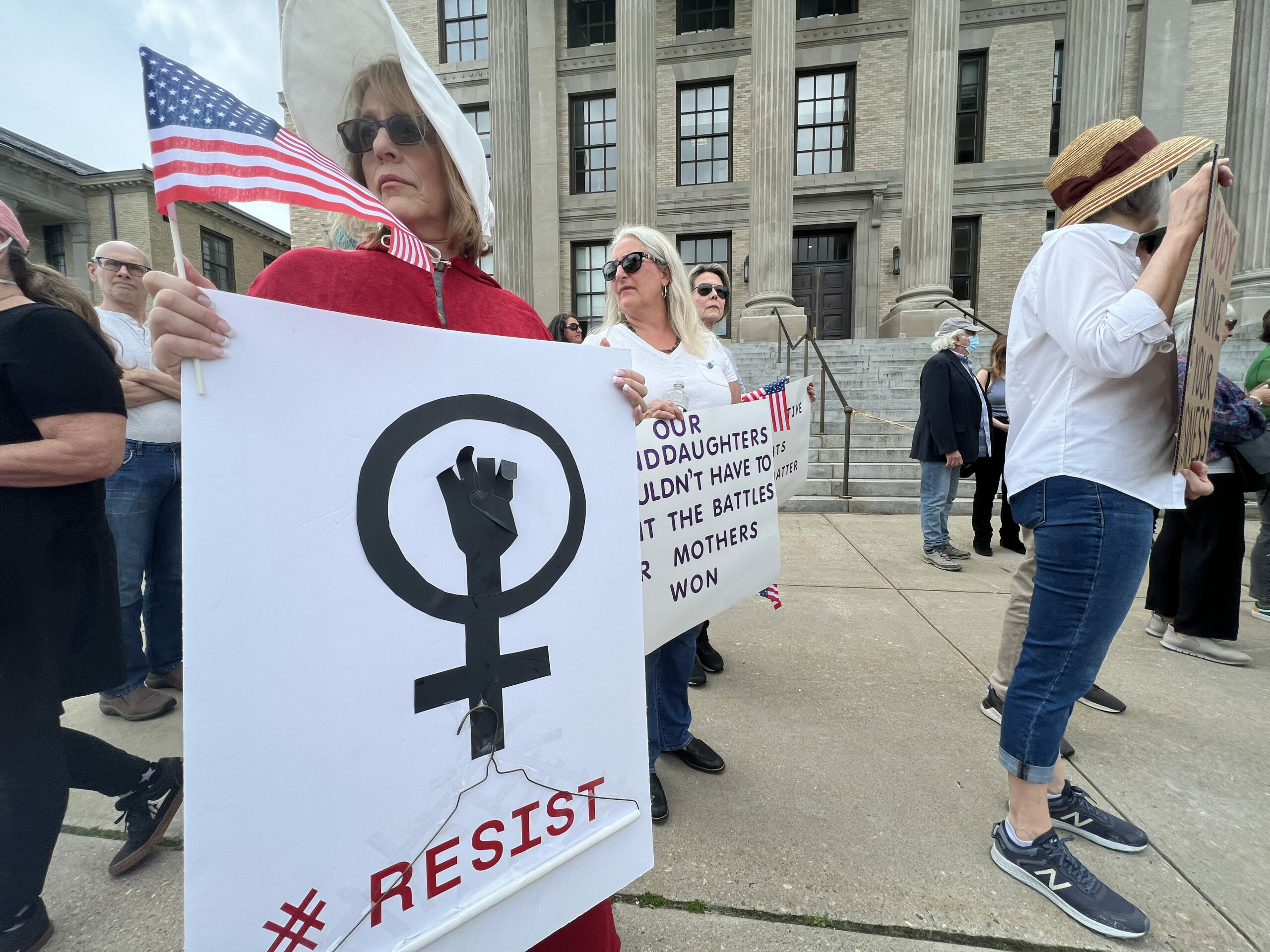
Hundreds of protestors turned out for a demonstration in Riverhead in May, when news first leaked of the impending Supreme Court decision.
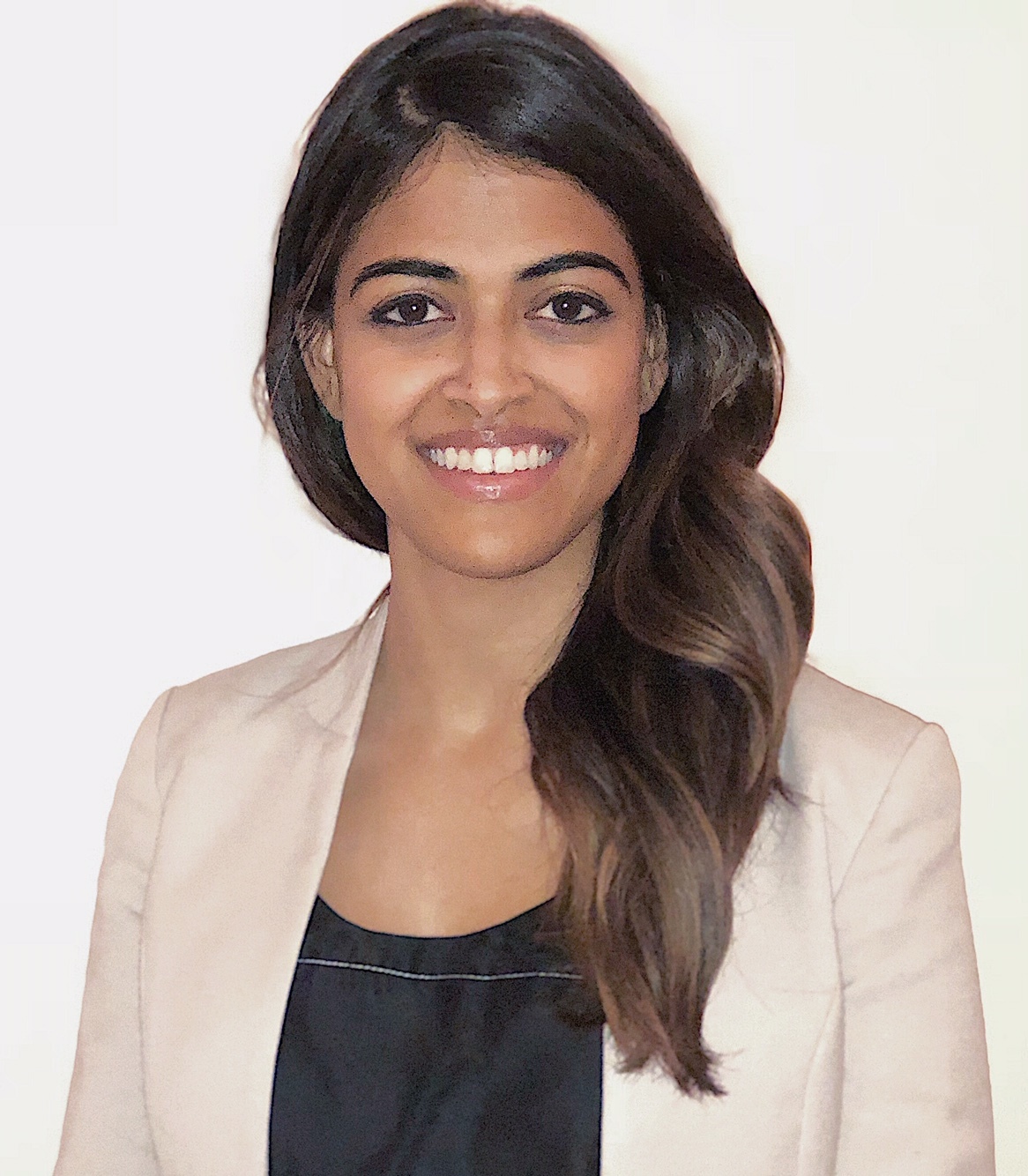
Dr. Meera Shah, Chief Medical Officer for Planned Parenthood Hudson Peconic.
Dr. Meera Shah was walking through the Charlotte Douglas International Airport in North Carolina on Friday morning, June 24, about to make a connecting flight to South Bend, Indiana, when she heard a cheer erupt from a small group of people staring up at a television screen.
That’s how she found out.
A few hours later, Dr. Shah — the chief medical officer for Planned Parenthood Hudson Peconic — described the surreal experience of learning about the U.S. Supreme Court decision in the case of Dobbs vs. Jackson Women’s Health Organization, which, in a 6-3 ruling, overturned the constitutional right to an abortion that had been secured by Roe v. Wade nearly 50 years ago.
Shah was making her monthly trip to Indiana to provide abortion care, something she’s been doing for the last five years in a state that is likely to enact a full ban on abortions as soon as July 6.
Planned Parenthood Hudson Peconic encompasses 10 health centers operating in several Long Island and New York State counties, including Suffolk, Westchester, Rockland, Putnam and more. The closest Planned Parenthood to the East End is in Riverhead, and is part of the PPHP system.
Shah oversees health care operations in all of those centers in her capacity as chief medical officer, and she’s also a family medicine physician, providing the full spectrum of services that includes everything from abortion care to gender-affirming care, contraceptive care, cervical cancer screening and more. She is also the medical director for Whole Women’s Health Alliance in South Bend, and for the past five years, has been traveling to South Bend monthly to provide abortion care.
On Friday afternoon, just minutes before she was scheduled to meet with a patient and administer abortion pills, Shah was facing the reality that the trip to Indiana to provide those services could be her last.
While Indiana is not one of 13 states that had so-called “trigger” laws, which had the effect of banning abortion immediately upon the Supreme Court’s decision to strike down Roe, the expectation is that there will be a complete ban on abortion in the state sooner rather than later, with the governor calling for a special session of the State Legislature on July 6, where it is expected an abortion ban will be enacted, Shah said
She did not mince words when she was asked for her reaction to Friday’s Supreme Court decision.
“As a physician and abortion provider, I know exactly what this means,” she said. “This will have a devastating impact for generations and generations to come. It’s no less than a travesty.
“We saw this coming, but I’m still shocked,” she continued. “There’s a part of you that wants to believe that it can’t be true, but yet here we are.”
On Friday afternoon, while Shah was still grappling with the idea that the abortion pills she was about to administer could represent one of the final times she’d be allowed to provide that kind of health care for women in Indiana, state and local politicians in New York released statements sharing their thoughts about what will go down as one of the most monumental Supreme Court decisions in history.
U.S. Senator Kirsten Gillibrand called the overturning of Roe v. Wade “a devastating day for all Americans.”
“Today, more than half of the American population became second-class citizens, stripped of their constitutional right to privacy and bodily autonomy, regardless of where they live,” the New York senator continued. “People in as many as 28 states will no longer have the right to control when, under what circumstances and with whom they want to have children. The right-wing justices of the Supreme Court have declared that they are no longer permitted to make decisions about their own bodies, their own families, and their own lives.
“Not only is this ruling an insult to women everywhere,” the statement went on, “but it is an affront to the six in 10 Americans who support women’s reproductive freedom. This ruling proves that our judicial system no longer represents the will of the American people and no longer represents logic, science, or equal justice under the law.”
A complete ban on abortion in more than half the states in the country — which is what is expected to happen in the coming weeks — means that millions of women will be forced to travel long distances to access abortion care, and the logistics and cost involved in doing so means that abortion care will only be accessible for a privileged few. That means that the ruling will have a starkly disproportionate effect on low-income women and families, and women of color — a point made by both Shah and many others who work to advocate for women of color, like OLA of Eastern Long Island.
OLA released a statement on Friday afternoon, condemning the reversal of Roe v. Wade. “This ruling will disproportionately affect low-income women and families of color, including Latina and immigrant women across the country, who historically have less access to reproductive health services, including safe, effective, preventive methods of birth control,” the statement read. “OLA believes that this decision endangers the lives of women and erodes women’s constitutional right to privacy, a fundamental component of the Roe v Wade decision.”
While many women’s rights advocacy groups and women’s health care providers condemned the Supreme Court ruling, others considered it a long-awaited win.
Republican U.S. Representative Lee Zeldin, now a candidate for governor, called the ruling “a victory for life, for family, for the Constitution and for federalism.”
“When my daughters, Mikayla and Arianna, were born 14.5 weeks early, I had the opportunity to witness life in the second trimester, and it was absolutely beautiful,” he said in his statement. “In a state that has legalized late-term partial-birth abortion and non-doctors performing abortion, in a state that refuses to advance informed consent and parental consent, and where not enough is being done to promote adoption and support mothers, today is yet another reminder that New York clearly needs to do a much better job to promote, respect and defend life.”
State Assemblyman Fred W. Thiele Jr. released a statement on Friday as well, focusing on what he and many others see as an unequal and hypocritical interpretation of states’ rights by the Supreme Court.
“Just one day after overturning New York’s Concealed Carry Law, the Supreme Court rolled back the rights of millions of Americans by overruling Roe v. Wade and destroying 50 years of progress in reproductive rights,” Thiele said in his statement.
Doctors and health centers in New York that provide abortion care will surely see an uptick in demand in the coming months, as women from out of state seeking an abortion will be forced to travel, if they can, to states like New York where abortion rights will continue to be protected.
Thiele said in his statement that shoring up abortion rights has been a priority for him and fellow Assembly members for some time now, and that they will be even more dedicated to that goal in the coming months. He added they will also keep a close watch on other rights that could be threatened as a result of the Dobbs decision.
“Access to abortion is a fundamental human right and I am prepared to continue working relentlessly to ensure it remains accessible, safe and legal to all New Yorkers,” he said. “This Supreme Court decision requires bold action: I am ready to stand up and fight back to ensure basic freedoms, including access to contraception, LGBTQ+ rights and interracial marriage, are never jeopardized in our state.”
For health care providers like Shah, the days and weeks ahead will require further assessment of the work they do, how they will be required to change and pivot to continue providing the best possible care for women seeking an abortion, and how to continue to advocate for equal access to all forms of reproductive care for women, no matter where they’re from or what their circumstances are. Part of that work entails pushing back against false and misleading narratives about abortion that have become ingrained in the culture, Shah said.
“I know the reality of this work,” she said. “There are a lot of misconceptions and false beliefs around abortion and what it really is. If we just talked about it more, or tried harder to understand what it’s all about, there’d be so much more support. Seventy percent of Americans supported Roe v. Wade, so what happened today is un-American. It does not represent the will of the people.”
Trying to absorb the fact that her ability to provide vital health care to a certain population of women had been abruptly taken away was not easy, Shah admitted on Friday, moments before she was about to step into a patient’s room.
“It’s hard,” she said, with notes of both sadness and resolve in her voice. “I’m part of an incredible community of activists and social justice leaders who are in this fight and refuse to give up, and it’s really inspiring and empowering. And I have a supportive husband and supportive friends. That’s who I lean on in times like this.”


 Cailin Riley on Jun 24, 2022