


 11 Photos
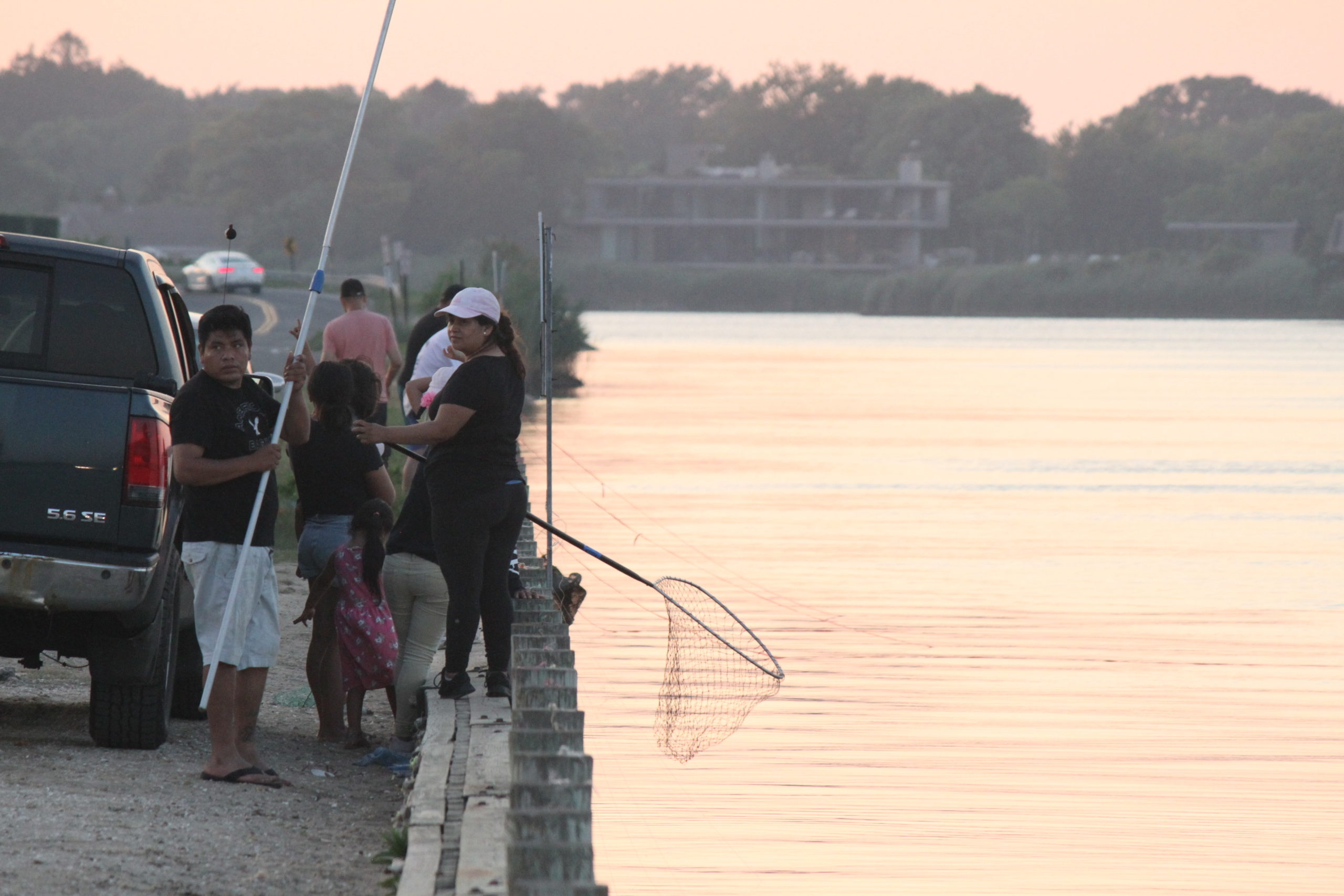
Mecox Bay has been found to have levels of fecal bacteria hundreds of times above public health standards following heavy rainstorms.
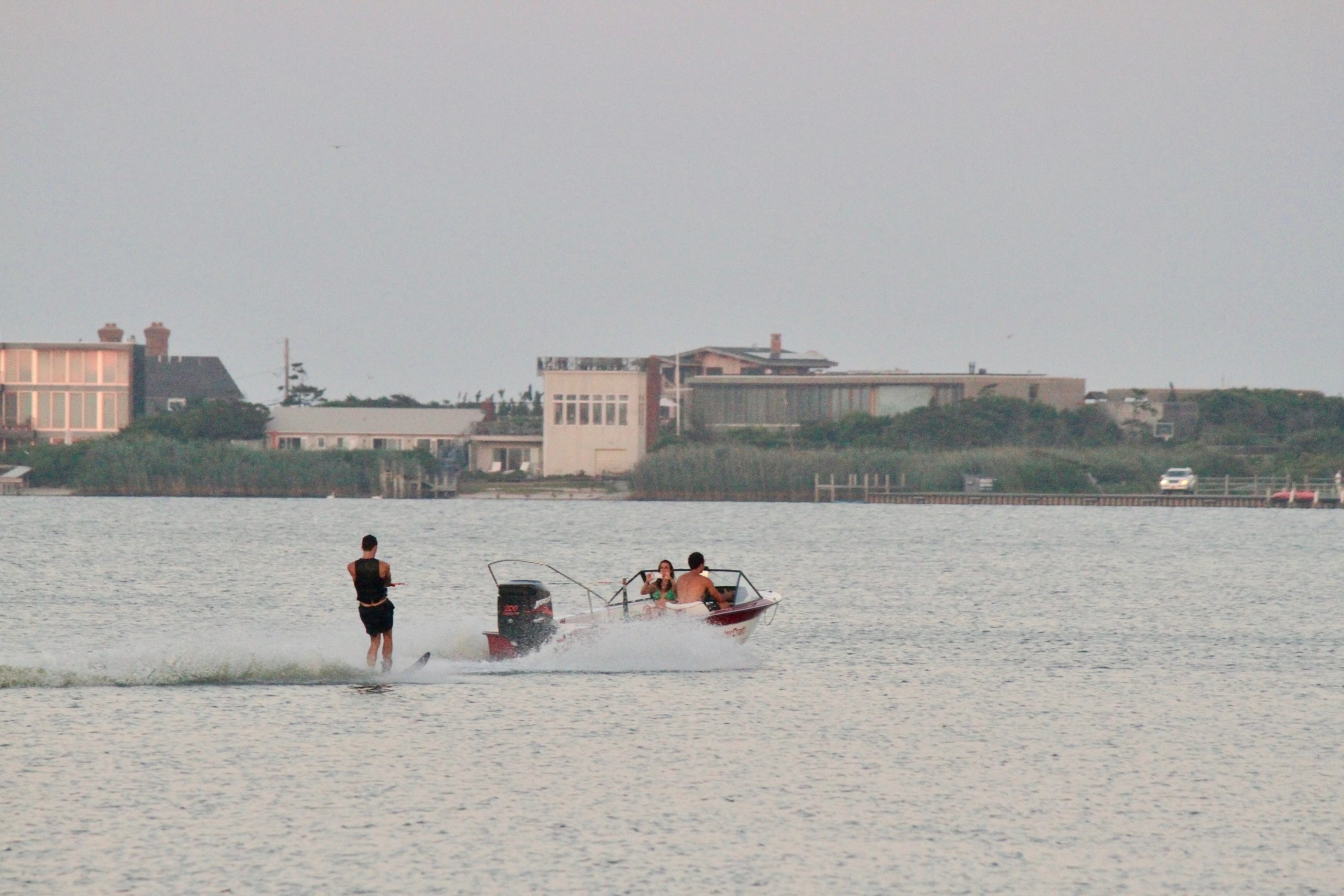
Mecox Bay has been found to have levels of fecal bacteria hundreds of times above public health standards following heavy rainstorms. Michael Wright
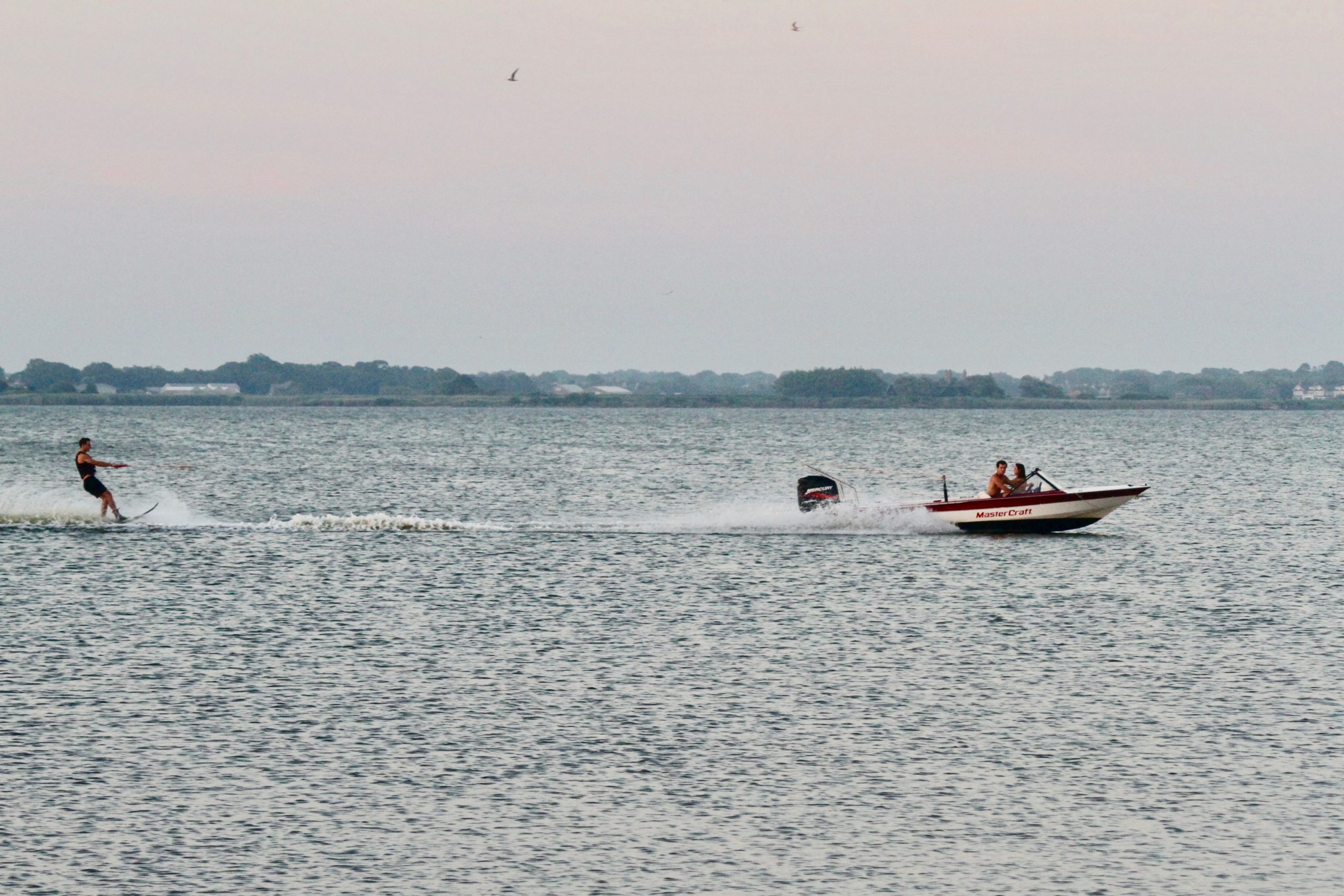
Mecox Bay has been found to have levels of fecal bacteria hundreds of times above public health standards following heavy rainstorms. Michael Wright
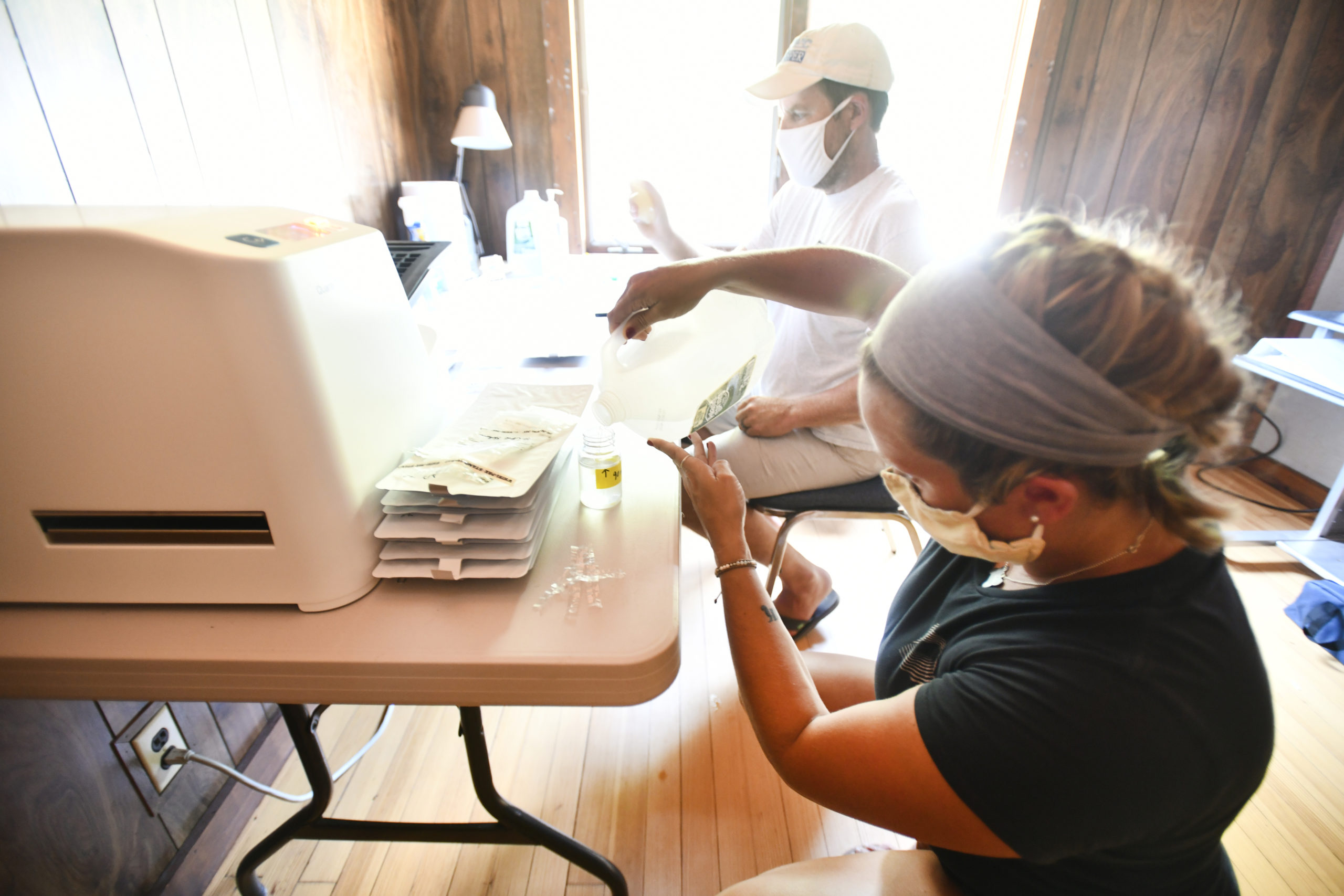
Jillian Kampf, the regional coordinator for the Surfrider Foundation and Baykeeper Peter Topping test water samples. DANA SHAW
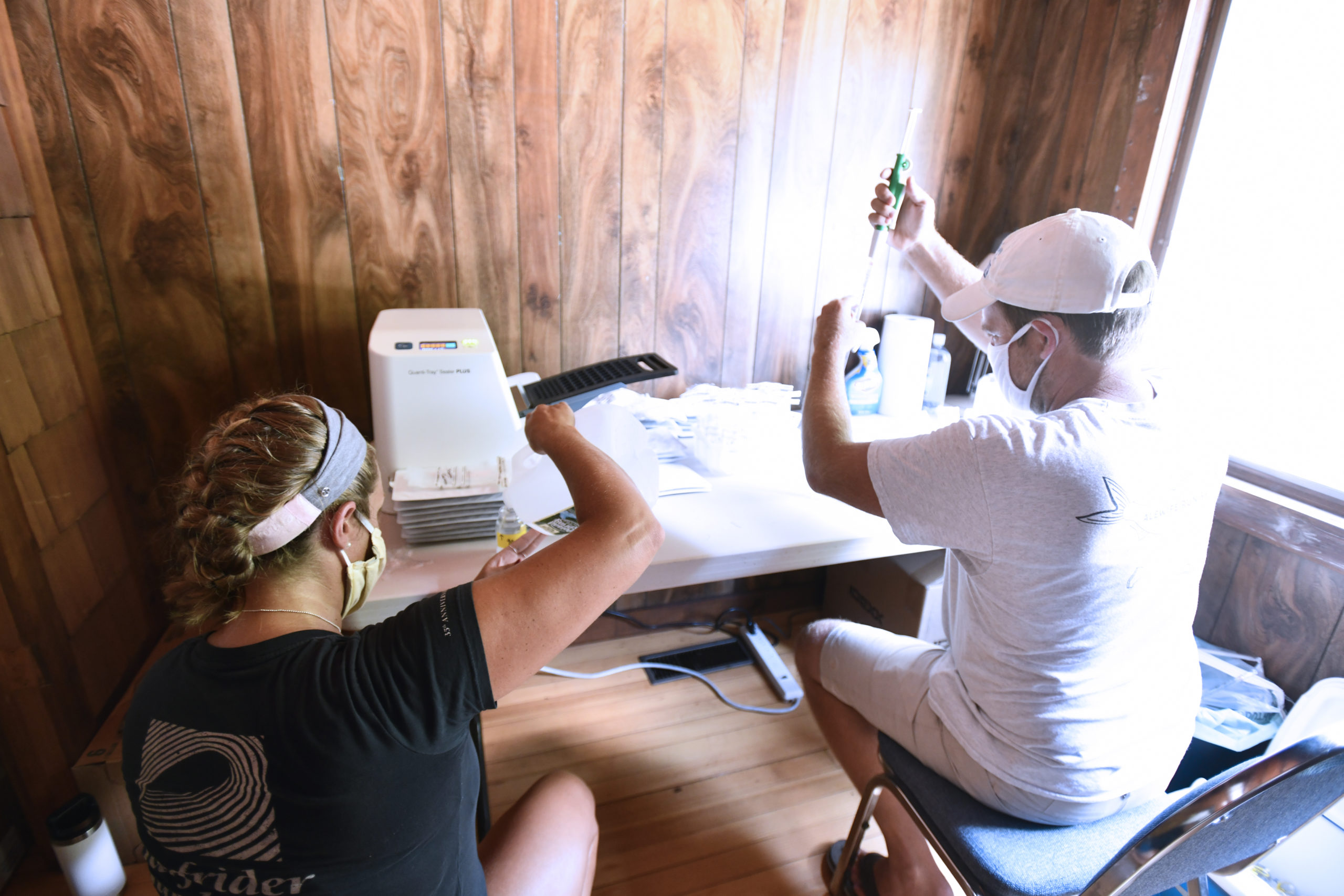
Jillian Kampf, the regional coordinator for the Surfrider Foundation and Baykeeper Peter Topping test water samples. DANA SHAW
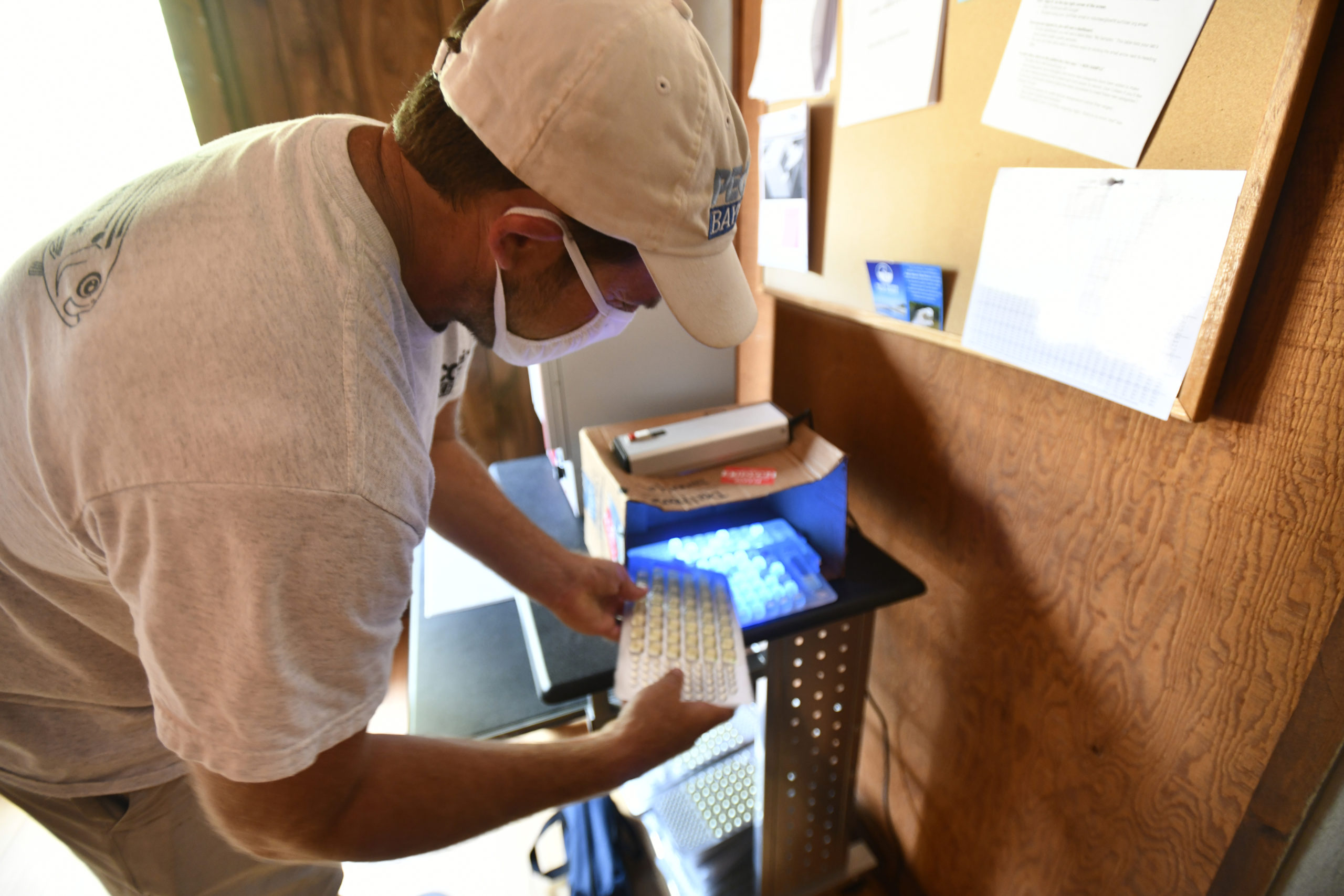
Peconic Baykeeper Peter Topping checks water samples. DANA SHAW
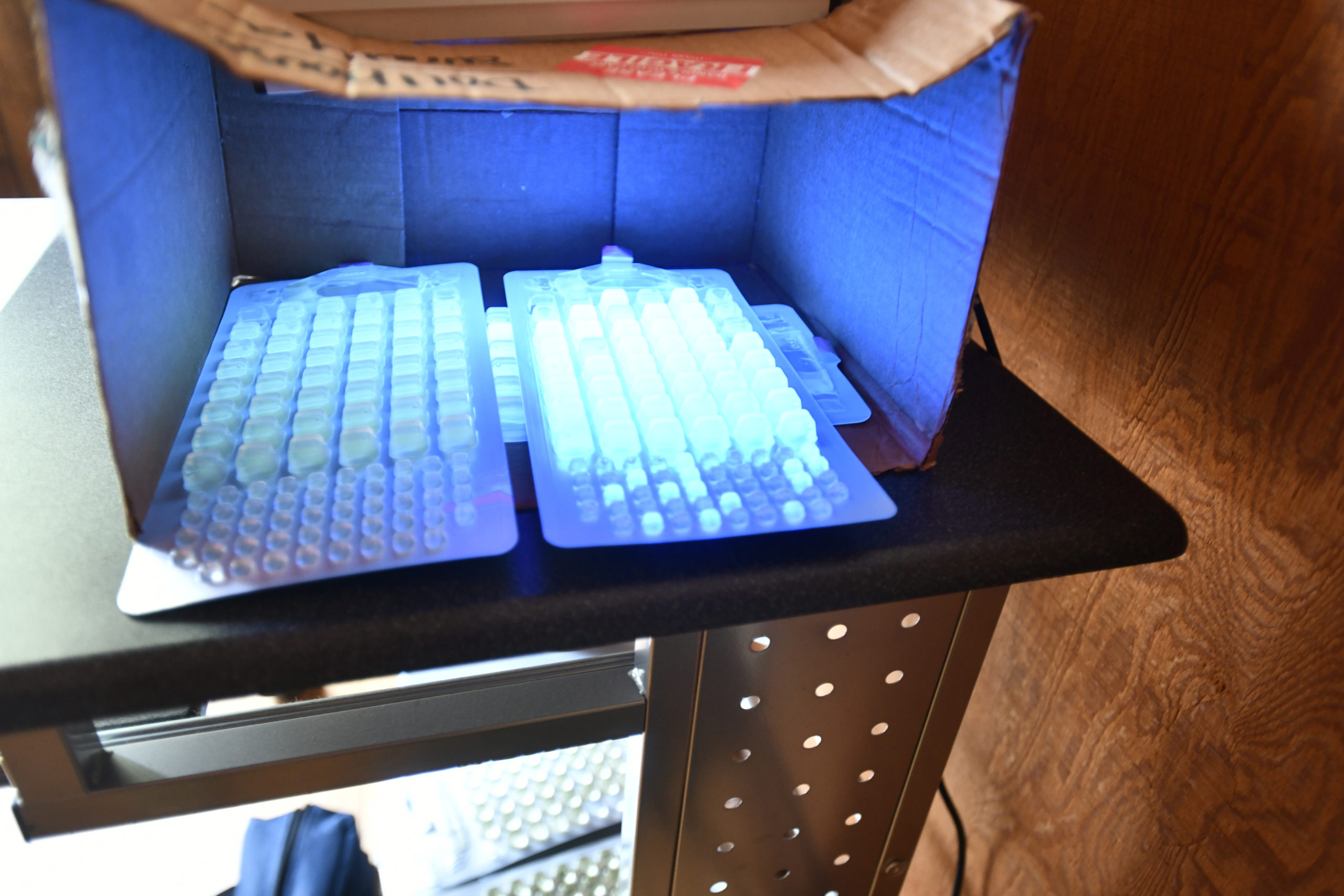
A sample taken from the ocean on the left and a sample from Georgica Pond on the right. DANA SHAW
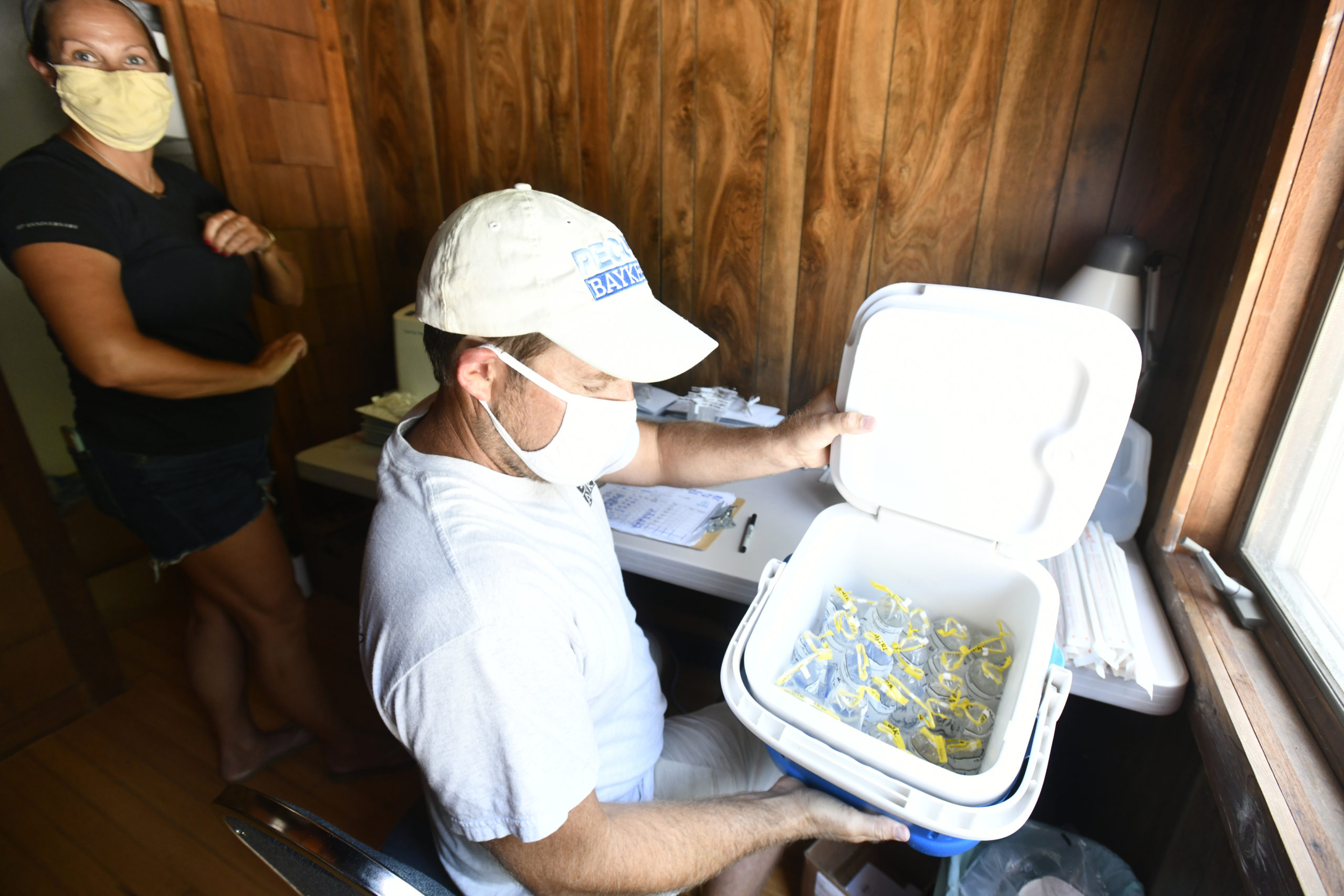
Jillian Kampf, the regional coordinator for the Surfrider Foundation and Baykeeper Peter Topping with some of the water samples to test. DANA SHAW
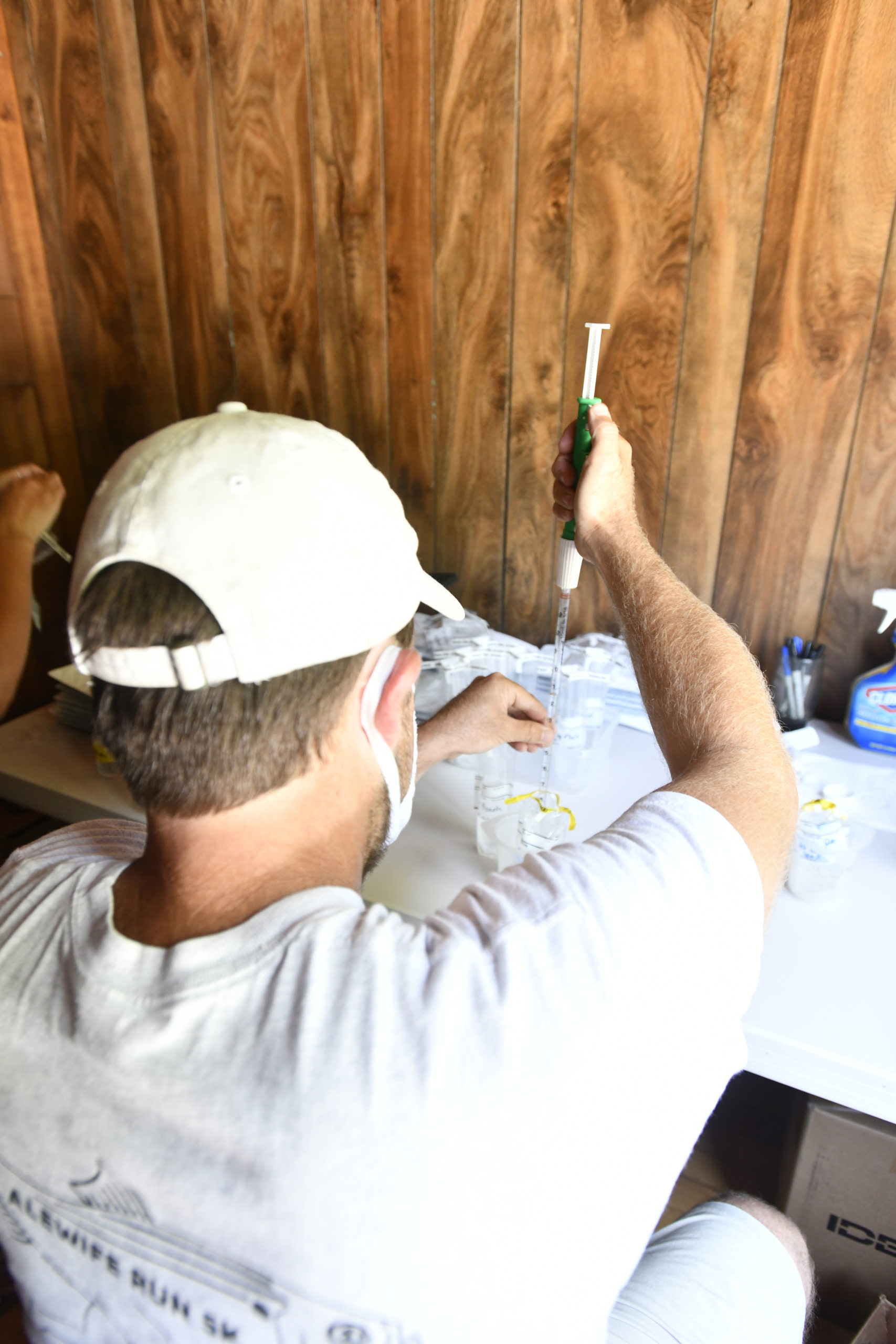
Peconic Baykeeper Peter Topping prepares samples. DANA SHAW
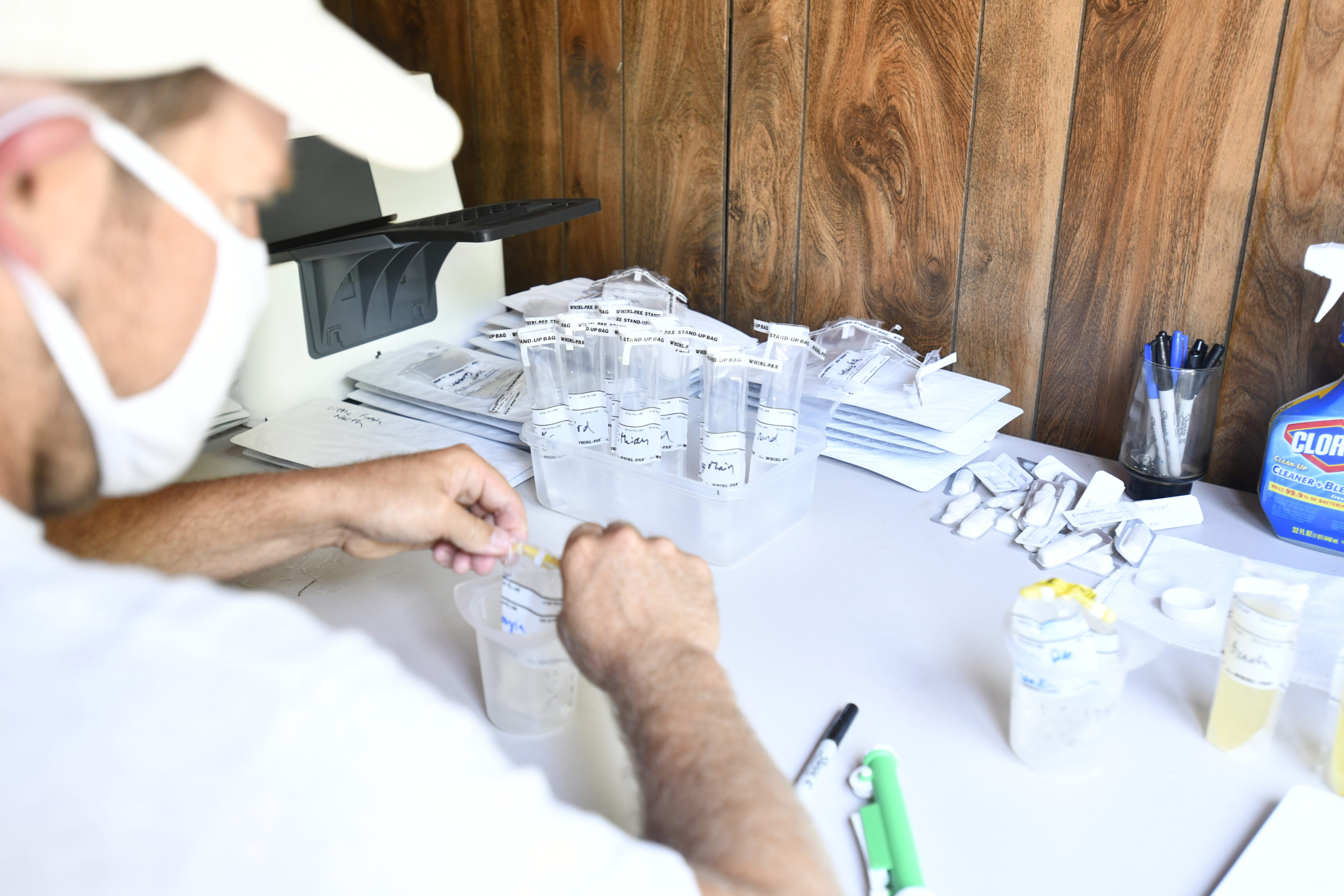
Peconic Baykeeper Peter Topping prepares samples. DANA SHAW
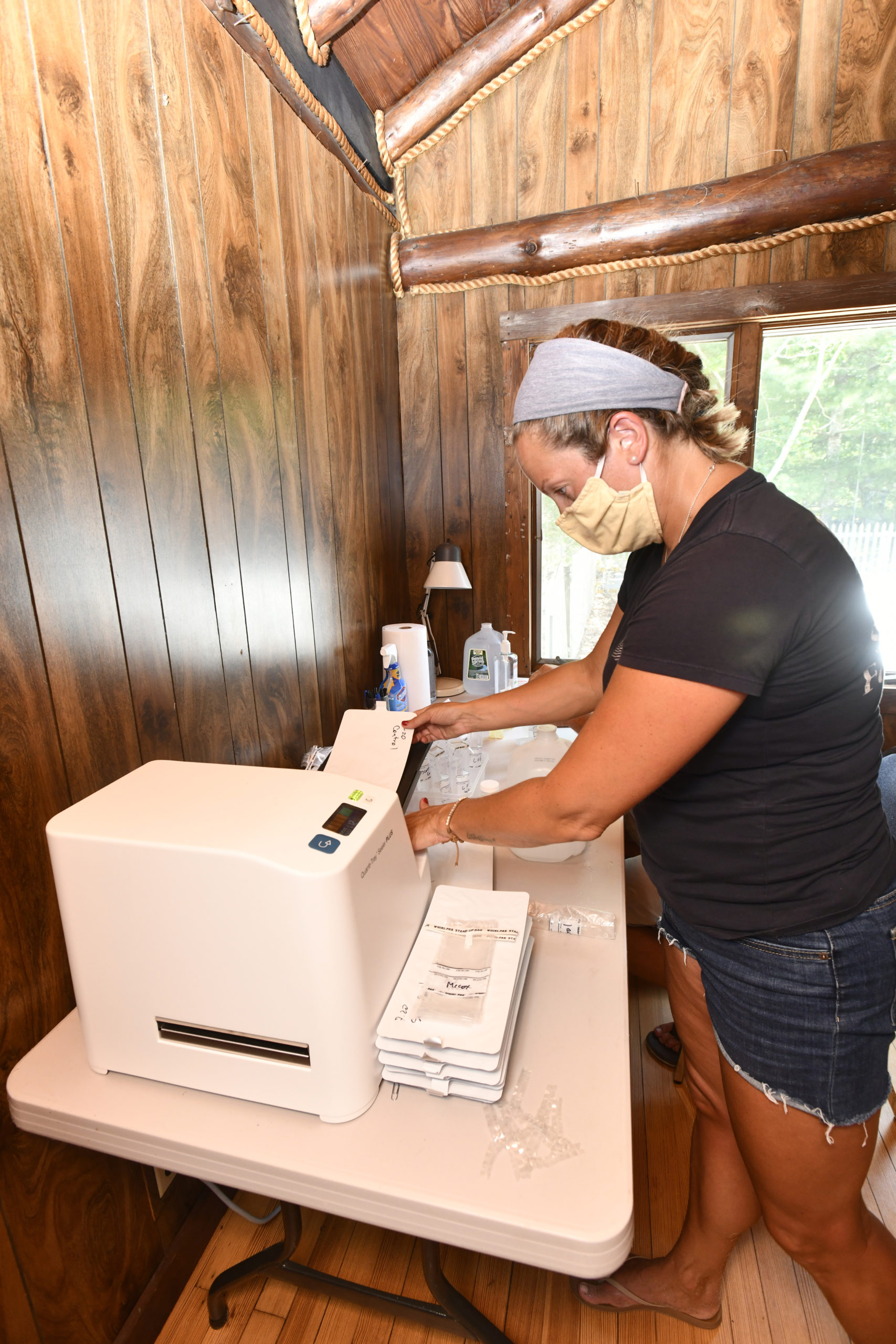
Jillian Kampf, the regional coordinator for the Surfrider Foundation runs some water samples. DANA SHAW
Following a heavy rainfall in late June, water samples taken from the southern end of Mecox Bay showed levels of bacteria from human and animal waste nearly 60 times higher than public health standards.
Levels of enterococcus bacteria in the coastal bay topped 6,000 units per 100 milliliters on June 29, in samples collected by a privately funded partnership that monitors water quality at public water bodies throughout Southampton and East Hampton towns. New York State classified "high level" of such bacterias at 104 units per 100 mililiters.
And while Mecox may be an outlier in terms of the extremely high levels of bacteria, it is far from the only local water body with dangerously high levels of bacteria in the water.
According to a water sampling effort conducted by the Blue Water Task Force — a partnership of the Surfrider Foundation, the Peconic Baykeeper and the Concerned Citizens of Montauk — more than 60 percent of the sites it sampled last year experienced levels of enterococcus bacteria above public health standards at some point during the year, and 16 sites showed high levels of bacteria more than 30 percent of the time with many returning highly polluted samples every week throughout the summer months.
Mecox Bay registered the highest levels of the bacteria of any of the testing sites, at more than 3,000 units per milliliter, 30 times over the State Department of Health safety standard. This year, the June 29 sample doubled that level.
“When we have a big rainfall, and we test the day after, some of the numbers are off the charts,” said Jillian Kampf, the regional coordinator for Surfrider. “There are definite spikes in the summer season. More people watering their lawns, more people flushing their toilets.”
The most chronically impacted places typically are water bodies with large numbers of homes surrounding them, especially neighborhoods developed prior to the 1980s with homes connected only to cesspools that allow human waste to seep into the groundwater, or locations with outflows that are fed by drainage from neighborhoods within a large watershed.
Sagg Pond in Sagaponack, Pussy’s Pond and the Head of the Harbor area of Three Mile Harbor in Springs, Duck Pond and Hook Pond in East Hampton Village, and South Lake Beach and Surfside Place in Montauk have been the most chronically polluted locations over the five years of testing conducted by the Blue Water Task Force, returning high bacteria levels more than 50, 60 or 70 percent of the time.
Certain spots have been helped in recent years by efforts to improve septic systems. When the popular Surf Lodge bar and restaurant replaced its decades old cesspools with state-of-the-art waste treatment, bacteria levels at one of the task force testing sites nearby plummeted.
The group is taking its own steps, too. It will be receiving more than $127,000 from East Hampton Town for the creation of a “bioswale” on Methodist Lane in East Hampton Village that will slow the flow of stormwater runoff toward Hook Pond. The group has also proposed similar filtering features at the Georgica Pond rest area.
“We are citizen scientists,” Ms. Kampf said, “so our data is not used to close beaches. But it can help us with projects that will hopefully help things get better.”


 Michael Wright on Jul 28, 2020